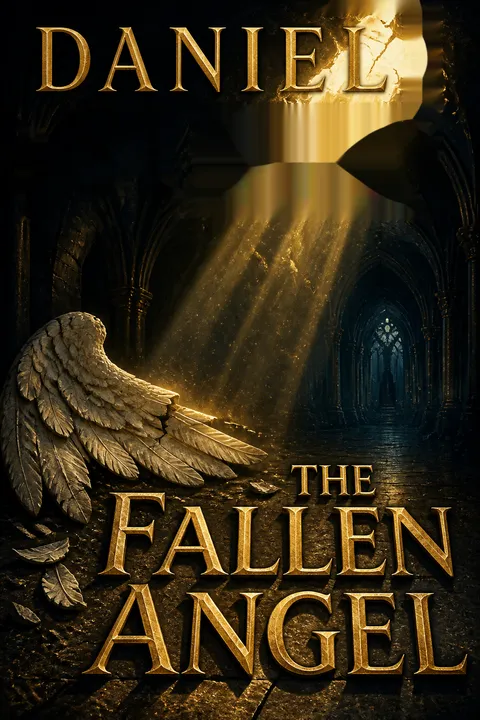
Plot Summary
Death in the Basilica
At dawn, the caretaker of St. Peter's Basilica discovers the body of Claudia Andreatti, a respected Vatican curator, sprawled on the sacred marble. The Vatican's response is swift and secretive, desperate to avoid scandal. Monsignor Luigi Donati, the Pope's private secretary, orchestrates a dual investigation: a public one for appearances, and a private, covert inquiry led by Gabriel Allon, a renowned art restorer and former Israeli intelligence operative. The Church's fragile reputation hangs in the balance, and the discovery of Claudia's body is the first tremor in a series of revelations that will shake the Vatican, Rome, and beyond. The emotional weight of the scene is palpable—sacredness violated, innocence lost, and the first hints of a conspiracy that will entwine faith, art, and power.
The Restorer's Return
Gabriel Allon, seeking solace in art restoration, is drawn back into the Vatican's shadows. His reputation as both a master restorer and a legendary spy precedes him, and his presence unsettles both the Vatican's staff and the Italian security services. Gabriel's wife, Chiara, worries about the dangers of his involvement, but he cannot refuse Donati's request. As he begins to investigate Claudia's death, Gabriel is forced to confront the ghosts of his own past—his history of violence, his losses, and the uneasy peace he has found in art. The emotional tension between Gabriel's longing for normalcy and his compulsion to seek justice sets the tone for the journey ahead.
Secrets of the Vatican
Donati reveals to Gabriel that Claudia was conducting a secret review of the Vatican's antiquities collection, searching for evidence of looted or unprovenanced artifacts. The Vatican's treasures, amassed over centuries, are a potential source of scandal if their origins are tainted. Claudia's investigation was meant to be defensive, but she hinted at a major discovery before her death. Gabriel and Donati's alliance is forged in secrecy, with the understanding that the truth must be uncovered without further damaging the Church. The emotional stakes rise as Gabriel realizes that Claudia's death is not a simple suicide, but the first move in a dangerous game involving art, history, and power.
A Curator's Hidden Life
Gabriel and Chiara visit Claudia's apartment, only to find it already disturbed by professionals. There, they meet Paola, Claudia's identical twin, whose grief and determination mirror Gabriel's own. Paola insists her sister was not suicidal, and together they search for clues. Claudia's life, once orderly and academic, is revealed to be filled with hidden anxieties and secret contacts. A mysterious hotel stay and missing files point to a clandestine meeting with a tomb robber named Roberto Falcone. The emotional resonance of twinhood, loss, and the search for truth deepens the narrative, as Paola becomes both a witness and a partner in Gabriel's quest.
The Twin's Grief
Paola's presence is a constant reminder of Claudia's absence, her grief sharpened by the Vatican's official narrative of suicide. She provides Gabriel with insights into Claudia's character, her faith, and her professional integrity. Together, they uncover evidence that Claudia was on the verge of exposing a major scandal involving the Vatican's antiquities. The emotional bond between Gabriel and Paola grows, united by their shared sense of injustice and their refusal to let Claudia's death be forgotten or misrepresented. The search for answers becomes a form of mourning, a way to honor the dead by seeking the truth.
The Tomb Robber's Trail
Gabriel and Chiara follow Claudia's trail to Cerveteri, where they discover the body of Roberto Falcone, a notorious tomb robber, dissolved in acid. Falcone's home is a trove of looted antiquities, and his murder signals the involvement of a powerful criminal network. The evidence points to a sophisticated operation that traffics in stolen artifacts, with connections reaching into the highest levels of the Vatican and beyond. The emotional impact of Falcone's death is less about the man himself and more about the scale of the conspiracy—lives are being destroyed to protect secrets, and Gabriel realizes the stakes are higher than he imagined.
Art, Power, and Scandal
General Cesare Ferrari of the Italian Art Squad enters the investigation, revealing that Falcone was his informant and that a new, ruthless smuggling network has replaced the old order. Ferrari and Gabriel strike a deal: Gabriel will continue his covert inquiry in exchange for Ferrari's support. The narrative expands to encompass the global trade in looted antiquities, the complicity of museums and collectors, and the role of organized crime. The emotional tone is one of grim determination—Ferrari, Gabriel, and Chiara are united by their commitment to justice, even as they navigate a world where art, money, and violence are inextricably linked.
The Network Unveiled
Gabriel's investigation uncovers a vast criminal enterprise led by Carlo Marchese, a member of Rome's Black Nobility and a trusted Vatican insider. Marchese's network traffics in stolen antiquities, laundering money through the Vatican Bank and collaborating with terrorist organizations like Hezbollah. The emotional stakes escalate as Gabriel realizes that the conspiracy Claudia uncovered is not just about art, but about the funding of terror and the corruption of sacred institutions. The lines between good and evil blur, and Gabriel is forced to confront the moral ambiguities of his own actions and those of his allies.
The Smuggler's Web
Marchese's power is rooted in his connections—to the Vatican, to organized crime, and to international terrorism. His wife, Veronica, is an archaeologist and former lover of Donati, adding layers of personal betrayal to the professional intrigue. Gabriel and Chiara attend a dinner at Marchese's palazzo, where the atmosphere is charged with menace and unspoken threats. An assassination attempt on Gabriel and Chiara follows, confirming that Marchese will stop at nothing to protect his empire. The emotional tension is at its peak—love, loyalty, and survival are all at risk, and Gabriel must rely on his skills as both a spy and a restorer to navigate the dangers ahead.
The General's Bargain
With the Art Squad and Israeli intelligence now fully engaged, Gabriel assembles his old team from the Office. The investigation becomes an international operation, targeting both Marchese's network and its terrorist partners. The emotional core of the story shifts to the camaraderie and shared history of Gabriel's team—each member scarred by past missions, each driven by a sense of duty and the hope of redemption. The narrative is propelled by the urgency of the threat: a major terrorist attack is being planned, and the key to stopping it lies in unraveling the connections between art, money, and violence.
The Archaeologist's Past
Eli Lavon, a brilliant archaeologist and surveillance expert, joins the team, bringing his knowledge of Jerusalem's ancient tunnels and the Temple Mount. Lavon's personal history—his survival of terror, his dedication to uncovering the truth—mirrors Gabriel's own. Together, they piece together the evidence that links Marchese's smuggling operation to a plot targeting the very heart of Jerusalem. The emotional resonance of history and religious symbolism is palpable, as Lavon and Gabriel confront the possibility that the past is not dead, but waiting to be weaponized in the present.
The Black Nobility
Marchese's background is explored in depth—his aristocratic lineage, his rise to power, and his manipulation of both the Vatican and the criminal underworld. His marriage to Veronica is revealed as a strategic alliance, masking his true nature and ambitions. The emotional complexity of Veronica's position—torn between love, loyalty, and the truth—adds depth to the narrative. Marchese's downfall becomes inevitable as Gabriel closes in, but the cost of justice is high, and the wounds inflicted by betrayal and loss will not heal easily.
Dinner with the Devil
Gabriel and Chiara's dinner at Marchese's palazzo is a masterclass in psychological warfare. Marchese attempts to recruit Gabriel, to buy his silence or his complicity, but Gabriel refuses. The tension is electric, the stakes life and death. The attempted assassination that follows is both a literal and symbolic turning point—Gabriel survives, but the war has become personal. The emotional aftermath is raw—fear, anger, and the determination to see justice done, no matter the cost.
The Attempted Assassination
The failed attempt on Gabriel and Chiara's lives galvanizes the team and exposes the full extent of Marchese's ruthlessness. The narrative accelerates, with the investigation now racing against time to prevent a catastrophic terrorist attack. The emotional tone is one of grim resolve—Gabriel, Chiara, and their allies are no longer just seeking justice for Claudia, but fighting to save lives and preserve the fragile peace of Jerusalem.
The Office Reassembles
Gabriel's team from the Office—each with their own scars and strengths—reunites to take on the dual threats of Marchese's network and Hezbollah's terror plot. The camaraderie and shared history of the team provide moments of levity and warmth amid the tension. The emotional stakes are heightened by the knowledge that failure will mean not just personal loss, but disaster on a global scale. The narrative is driven by the interplay of loyalty, sacrifice, and the hope of redemption.
The Bait in St. Moritz
The team lures a key Hezbollah operative to St. Moritz with a stolen Greek vase, hoping to turn him and uncover the details of the planned attack. The operation goes awry when a bomb detonates, killing the target and nearly killing Gabriel. The emotional impact is immediate—guilt, anger, and the realization that the enemy is always one step ahead. The narrative tightens, the sense of danger ever-present, as the team races to decipher the clues left behind.
The Bomb and the Betrayal
Evidence points to a plot to destroy the Temple Mount, the holiest site in Judaism and Islam, using explosives smuggled in by the Waqf's radical elements and their Iranian backers. The emotional resonance of the setting—Jerusalem, city of faith and conflict—is profound. Gabriel and Lavon must navigate ancient tunnels, modern politics, and the ever-present threat of violence to prevent an act of destruction that would ignite a global war. The narrative is suffused with urgency, fear, and the weight of history.
The Devil's Interrogation
Gabriel captures and interrogates Massoud, the Iranian mastermind behind the plot. The psychological duel between the two men is intense—Massoud is cunning, ruthless, and convinced of his own righteousness, while Gabriel is driven by a desperate need to save lives and preserve the fragile peace of Jerusalem. The emotional stakes are at their highest—failure means catastrophe, and the cost of success may be more than Gabriel can bear.
The Vienna Deception
A simultaneous plot in Vienna—a planned attack on the Stadttempel synagogue—serves as a diversion, drawing attention and resources away from Jerusalem. Gabriel and his team, working with Austrian authorities, prevent the attack in a dramatic confrontation, but realize too late that the true target is the Temple Mount. The emotional toll of the operation is heavy—lives are saved, but the sense of impending disaster remains.
The Temple Mount Plot
With time running out, Gabriel and Lavon descend into the tunnels beneath the Temple Mount, searching for the bomb that will bring down the holy plateau. The narrative is a breathless blend of history, archaeology, and suspense, as the two men navigate darkness, danger, and the weight of centuries. The emotional intensity is overwhelming—faith, fear, and the hope of redemption collide in the heart of Jerusalem.
The Well of Souls
In the hidden chamber beneath the Well of Souls, Gabriel and Lavon confront Imam Darwish, the architect of the plot. A gunfight ensues, and Lavon is gravely wounded. The bomb is disarmed, but the cost is high—blood is spilled on the stones of Solomon's Temple, and the city teeters on the brink of chaos. The emotional climax is both triumphant and tragic—victory is achieved, but at a terrible price.
The Final Confession
In the aftermath, the truth about Marchese's crimes is revealed, and he is confronted in the very place where Claudia died. Justice is served, but the wounds of betrayal, loss, and violence linger. Gabriel returns to his art, seeking solace in restoration and the hope of a new life with Chiara. The emotional arc comes full circle—grief gives way to healing, and the promise of redemption is glimpsed, however briefly, in the light of a restored masterpiece.
Analysis
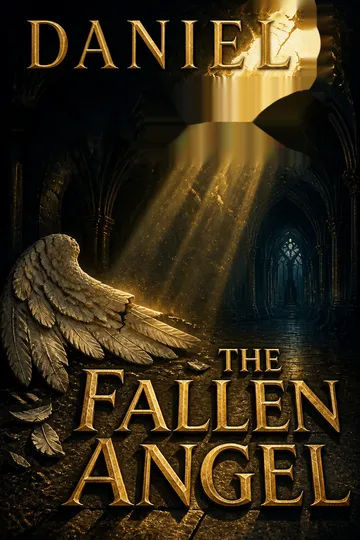
Daniel Silva's The Fallen Angel is a masterful blend of art, espionage, and religious intrigue, using the murder of a Vatican curator as the entry point into a labyrinthine conspiracy that spans continents and centuries. At its core, the novel is a meditation on the fragility of truth, the persistence of evil, and the possibility of redemption. Through the character of Gabriel Allon—a man torn between the worlds of beauty and violence—Silva explores the psychological costs of heroism, the burden of memory, and the longing for peace in a world perpetually at war with itself. The novel's use of art as both metaphor and plot device underscores the tension between creation and destruction, while its richly drawn characters embody the moral ambiguities of faith, loyalty, and justice. The plot's intricate structure, with its dual investigations, historical symbolism, and psychological depth, invites readers to question the nature of truth and the price of silence. Ultimately, The Fallen Angel is a story about the power of individuals to confront darkness, the necessity of bearing witness, and the hope that, even in the aftermath of loss, something beautiful can be restored.
Review Summary
The Fallen Angel receives mostly positive reviews (4.21/5), praised for its fast-paced plot, historical detail, and educational value about Middle Eastern politics. Readers appreciate Gabriel Allon's character development, the Vatican setting, and Silva's research on art smuggling and terrorism. Some criticize the formulaic nature of the series, predictable outcomes, and excessive exposition. Several note the book works well standalone but benefits from reading earlier installments. George Guidall's audiobook narration receives praise. Common themes include Temple Mount history, Hezbollah connections, and Israeli-Palestinian conflict context woven into the thriller narrative.
People Also Read

Characters
Gabriel Allon
Gabriel Allon is the novel's central figure—a master art restorer and legendary Israeli intelligence operative, forever torn between the worlds of beauty and violence. His psyche is marked by loss: the death of his son, the trauma of his first wife's injuries, and the countless lives he has taken in the name of justice. Gabriel's relationships are complex—his love for Chiara is deep but shadowed by grief, and his loyalty to friends like Donati and Lavon is unwavering. Throughout the story, Gabriel's development is defined by his struggle to reconcile his need for peace with his compulsion to confront evil. He is both a creator and a destroyer, a man who seeks redemption through art but is repeatedly drawn back into the darkness of espionage and violence. His journey is one of self-forgiveness, the search for meaning, and the hope that, one day, he can lay down his burdens and simply be.
Chiara Allon
Chiara is Gabriel's wife and former intelligence colleague, a woman of strength, intelligence, and deep empathy. Her love for Gabriel is both a source of comfort and a source of pain—she fears for his safety, resents the dangers that follow him, and mourns the child they lost together. Chiara's background as the daughter of a rabbi and her own experience in the Office give her a unique perspective on faith, loyalty, and sacrifice. She is both a partner in Gabriel's investigations and a grounding force, urging him to seek happiness and a life beyond violence. Her development is marked by resilience, vulnerability, and the hope for a family and a home.
Luigi Donati
Monsignor Luigi Donati is the Pope's private secretary, a man of formidable intellect, political cunning, and hidden wounds. His past as a Jesuit and his experiences in Latin America have left him both idealistic and deeply pragmatic. Donati's relationship with Gabriel is one of mutual respect and shared secrets—they are allies in the pursuit of truth, even as they navigate the treacherous waters of Vatican politics. Donati's love for Veronica, his guilt over past actions, and his commitment to the Church create a complex psychological portrait—a man who seeks to do good, but is haunted by the compromises he has made.
Claudia Andreatti
Claudia is the catalyst for the novel's events—a brilliant, principled curator whose investigation into the Vatican's antiquities collection leads to her murder. Her character is revealed through the memories of those who loved her: her twin sister Paola, her mentor Veronica, and the colleagues who admired her integrity. Claudia's death is both a personal tragedy and a symbol of the dangers faced by those who challenge powerful interests. Her legacy is the pursuit of truth, the refusal to accept easy answers, and the courage to confront corruption, no matter the cost.
Paola Andreatti
Paola is Claudia's identical twin, a cardiologist whose scientific rationality is tested by the emotional devastation of her sister's death. Her grief is raw and unyielding, fueling her determination to uncover the truth. Paola's relationship with Gabriel is one of mutual respect and shared loss—she becomes both a source of information and a partner in the investigation. Her development is marked by resilience, the struggle to find meaning in tragedy, and the hope that justice can bring peace.
Carlo Marchese
Carlo is the novel's primary antagonist—a member of Rome's Black Nobility, a trusted Vatican insider, and the ruthless leader of a global smuggling and money-laundering network. His charm and sophistication mask a cold, calculating nature, and his willingness to kill to protect his interests is absolute. Carlo's relationships are transactional—his marriage to Veronica is a means to an end, and his alliances with terrorists and criminals are driven by profit and power. Psychologically, Carlo is a study in narcissism and amorality, a man who believes himself untouchable until confronted by Gabriel's relentless pursuit.
Veronica Marchese
Veronica is Carlo's wife and Donati's former lover, a woman of intelligence, passion, and deep regret. Her expertise in antiquities and her connections to both the Vatican and the criminal underworld make her a pivotal figure in the investigation. Veronica's development is marked by the tension between love and loyalty, the pain of betrayal, and the struggle to atone for her unwitting role in Carlo's crimes. Her relationship with Donati is a source of longing and loss, while her friendship with Claudia is a reminder of the costs of silence.
Eli Lavon
Lavon is a brilliant archaeologist and former intelligence operative, haunted by the traumas of war and the losses he has endured. His expertise in Jerusalem's ancient tunnels and his dedication to uncovering the truth make him an invaluable ally to Gabriel. Lavon's development is defined by his love for history, his loyalty to friends, and his willingness to risk everything to protect the past. His near-fatal wounding in the final confrontation is both a personal tragedy and a symbol of the sacrifices required to defend what is sacred.
General Cesare Ferrari
Ferrari is the head of Italy's Art Squad, a man of integrity, experience, and a deep commitment to justice. His alliance with Gabriel is born of necessity, but grows into mutual respect. Ferrari's psychological complexity lies in his ability to navigate the gray areas of law enforcement—he is willing to bend the rules to achieve a greater good, but never loses sight of the moral costs. His role as a negotiator, investigator, and, ultimately, confessor, makes him a stabilizing force amid the chaos.
Massoud Rahimi
Massoud is the Iranian intelligence officer and architect of the plot to destroy the Temple Mount. His intelligence, ruthlessness, and ideological conviction make him a formidable opponent. Massoud's psychological profile is one of fanaticism tempered by pragmatism—he is willing to make deals to save himself, but never abandons his core beliefs. His interrogation by Gabriel is a battle of wills, and his eventual assassination is both justice and a warning that evil, once unleashed, is difficult to contain.
Plot Devices
Dual Investigations
The novel's structure is built around the tension between official narratives and hidden truths. The Vatican's public investigation into Claudia's death is a façade, while Gabriel's covert inquiry uncovers the real conspiracy. This duality is mirrored in the personal lives of the characters—public roles versus private desires, faith versus doubt, loyalty versus betrayal. The device allows for layers of foreshadowing, as clues uncovered in one investigation illuminate the other, and the reader is constantly aware of the gap between appearance and reality.
Art as Metaphor
Art and restoration are central motifs, symbolizing both the possibility of healing and the inevitability of loss. Gabriel's work on the Caravaggio painting is a metaphor for his own quest for redemption, while the looting and destruction of antiquities represent the erasure of history and identity. The interplay between creation and destruction, beauty and violence, is echoed in the characters' psychological struggles and the broader themes of faith, memory, and justice.
Foreshadowing and Red Herrings
The narrative is rich with foreshadowing—Claudia's urgent message, the missing files, the mysterious hotel stay, the trail of murders—all point to a larger conspiracy. Red herrings abound, as suspects and motives shift, and the true nature of the plot is only revealed in stages. The use of steganography (hidden messages) and coded communications adds layers of complexity, keeping both the characters and the reader guessing until the final revelation.
Historical and Religious Symbolism
The novel draws heavily on the history and symbolism of Jerusalem, the Vatican, and the Temple Mount. The discovery of the First Temple's pillars, the plot to destroy the holy plateau, and the interplay between Jewish, Christian, and Muslim traditions all serve to ground the narrative in a sense of timeless conflict. The use of religious rituals, sacred spaces, and historical references creates a sense of inevitability—the past is never truly past, and the battles of history are fought anew in every generation.
Psychological Depth and Moral Ambiguity
The emotional and psychological complexity of the characters is a key plot device. Gabriel's guilt and longing for peace, Donati's hidden sins, Veronica's divided loyalties, and Marchese's sociopathy all create a web of motivations that blur the lines between good and evil. The novel refuses easy answers—justice is achieved, but at a cost, and redemption is always uncertain. The interplay of love, loss, and the search for meaning gives the story its emotional resonance and lasting impact.
Gabriel Allon Series




About the Author
Other books by Daniel Silva
Download PDF
Download EPUB
.epub digital book format is ideal for reading ebooks on phones, tablets, and e-readers.








































