
Plot Summary
Venetian Family Tensions
Gabriel Allon, renowned art restorer and retired spy, lives in Venice with his wife Chiara and their precocious twins. Their peaceful life is upended when their daughter Irene's activism at school draws the attention of the principal, forcing Gabriel into a reluctant public role. Meanwhile, Gabriel's latest commission—restoring a Titian masterpiece—brings him local celebrity and a sense of purpose. Yet beneath the surface, the Allon family's happiness is shadowed by Gabriel's past and the city's undercurrents. The chapter sets a tone of familial warmth, pride, and the subtle anxieties that come with raising exceptional children in a world where danger and intrigue are never far away.
A Body in the Lagoon
While working on the Titian restoration, Gabriel spots a mysterious object floating in the Venetian lagoon. His curiosity leads to the recovery of a young woman's decomposed body, setting off a police investigation. The event shakes Gabriel and his family, especially as the media quickly links his name to the case. The Allons' domestic life is invaded by the specter of violence, and Gabriel's empathy for the unknown victim stirs old instincts. The city's beauty is contrasted with the darkness lurking beneath, and Gabriel's role as both artist and investigator is reignited by the tragedy.
The Unnamed Woman
The police struggle to identify the dead woman, and Gabriel is drawn into the investigation by his friend Luca Rossetti of the Art Squad. Using his skills as a painter, Gabriel is asked to reconstruct the woman's face from her skull. The process is intimate and haunting, as Gabriel recalls seeing a similar woman at a local café. The emotional weight of giving the victim a face—and possibly a story—pulls Gabriel deeper into the mystery. The chapter explores themes of memory, loss, and the power of art to resurrect the forgotten.
The Forensic Sketch
Gabriel's forensic sketch uncovers a chilling truth: the dead woman is the same person he saw at Bar Dogale days earlier. Surveillance footage confirms her presence, and a web of intrigue begins to form. Gabriel's investigation leads him to London, where he learns the woman, Penelope Radcliff, was a talented art conservator with a secret. The emotional impact of recognizing the victim as someone he briefly encountered intensifies Gabriel's resolve. The chapter is suffused with regret, empathy, and the sense that every fleeting encounter can have profound consequences.
The Vatican Apprentice
Penelope Radcliff's background is revealed: a British art student apprenticing at the Vatican Museums. Through interviews and research, Gabriel learns she discovered something extraordinary while restoring a minor Madonna and Child painting—a hidden portrait beneath the surface, possibly by Leonardo da Vinci. Her attempts to alert the art world were met with silence, and her sudden death now appears anything but accidental. The chapter is charged with the tension of discovery, the vulnerability of whistleblowers, and the tragic cost of knowledge in a world of powerful interests.
Discovery Beneath the Madonna
Gabriel visits the Vatican conservation lab, piecing together Penelope's work. Scientific imaging reveals a ghostly portrait beneath the Madonna, matching a famous Leonardo sketch. The possibility of a lost Leonardo electrifies Gabriel and the Vatican staff, but also raises the stakes. The painting's provenance is murky, and its value incalculable. The emotional arc is one of awe, hope, and growing dread, as Gabriel realizes Penelope's discovery may have led to her murder—and that the Vatican's secrets are as dangerous as they are beautiful.
The Stolen Leonardo
As Gabriel investigates further, the painting vanishes from the Vatican's storerooms during a suspicious blackout. Security footage and interviews point to an inside job, implicating a night guard coerced by the Camorra, Naples' notorious crime syndicate. The painting is smuggled out by a man posing as a priest, with Vatican officials unwittingly complicit. The emotional tone is one of betrayal, fear, and the realization that even the holiest places are vulnerable to corruption. Gabriel's sense of justice is inflamed, and the hunt for the lost masterpiece becomes personal.
The Camorra Connection
The investigation uncovers a complex web linking the Camorra, corrupt bankers, and Vatican insiders. The stolen Leonardo is used as collateral in a money-laundering scheme involving a Swiss bank and shady real estate deals. Gabriel enlists the help of hackers, financiers, and old allies to trace the painting's path through Europe's underworld. The emotional arc is one of mounting danger, moral outrage, and the thrill of the chase. The stakes are no longer just artistic or personal—they are existential, threatening the integrity of the Church and the safety of Gabriel's family.
The Art World Hunt
The painting surfaces in the hands of unscrupulous dealers, sparking a secret bidding war among billionaires, oligarchs, and museums. Gabriel orchestrates a daring sting, creating a perfect copy of the Leonardo to deceive the criminals and recover the original. The operation involves subterfuge, high-stakes negotiations, and the mobilization of the international art world. The emotional tone is tense, exhilarating, and laced with dark humor, as Gabriel's skills as both artist and spy are pushed to their limits. The chapter explores the allure and danger of priceless beauty.
The Perfect Copy
Gabriel's forgery is so convincing it fools experts and criminals alike. The real Leonardo is swapped for the copy during a clandestine transaction, and the stolen money is rerouted to a worthy cause. The operation exposes the greed and vanity of the ultra-wealthy, while highlighting the power of art to both corrupt and redeem. The emotional arc is one of triumph, relief, and bittersweet satisfaction, as Gabriel outwits his adversaries but is haunted by the cost of the game.
The Billion-Dollar Sale
The fake Leonardo is sold to a Russian oligarch for a record sum, while the original is safely returned to the Vatican. The money, laundered through criminal networks, is ultimately redirected to support victims of war. The chapter is a whirlwind of international intrigue, moral ambiguity, and the intoxicating mix of art, money, and power. Gabriel's victory is tempered by the knowledge that justice is imperfect and that the world's treasures are always at risk.
Vatican Scandal Unveiled
The investigation exposes a vast financial scandal within the Vatican, implicating high-ranking cardinals, bankers, and the Camorra. The Pope, Gabriel's old friend Donati, is forced to confront the rot within his own institution. The fallout is seismic: arrests, resignations, and a reckoning with the Church's moral failures. The emotional arc is one of sorrow, anger, and the hope for renewal. Gabriel's role as both restorer and avenger is fulfilled, but at great personal and spiritual cost.
The Papal Target
As the scandal breaks, an assassination attempt is made on the Pope during a public address. Gabriel and his allies intervene, but not before blood is shed. The attack is traced back to the Camorra, desperate to silence those who threaten their empire. The emotional climax is one of chaos, fear, and the fragility of hope. The Pope survives, but the wounds—physical and moral—run deep. The chapter is a meditation on sacrifice, faith, and the price of truth.
Aftermath and Restoration
In the wake of violence and scandal, Gabriel completes the restoration of the lost Leonardo. The painting is unveiled to the world, its beauty undiminished by the darkness surrounding it. The Vatican begins the slow process of reform, and Gabriel's family finds a measure of peace. The emotional resolution is one of bittersweet triumph, as art endures and the possibility of redemption remains. The story closes with a sense of hope, humility, and the enduring power of beauty to inspire and heal.
Analysis
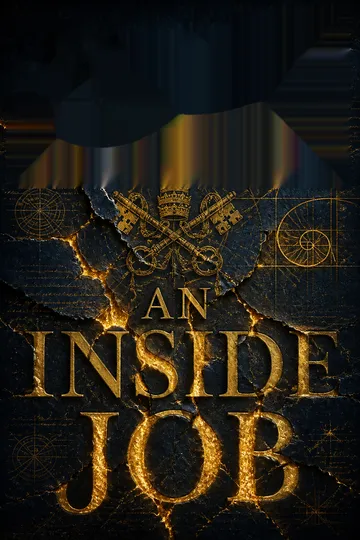
Daniel Silva's An Inside Job is a masterful fusion of art history, crime thriller, and psychological drama, using the hunt for a lost Leonardo as a lens to examine the corruption and redemption of both individuals and institutions. The novel's central lesson is that beauty and truth are perpetually at risk—not only from external threats, but from the very people entrusted to protect them. Through Gabriel Allon's journey, Silva explores the costs of integrity, the dangers of complacency, and the necessity of confronting evil even when it resides within sacred walls. The story's emotional arc is one of loss, resilience, and the hope that restoration—of art, of faith, of self—is always possible, though never without sacrifice. In a world where power and greed threaten to eclipse the transcendent, An Inside Job insists that the pursuit of beauty and justice remains a sacred calling, and that even the most damaged among us can be agents of healing.
Review Summary
An Inside Job receives mixed reviews, with an average rating of 4.47/5. Many readers enjoy the art heist plot and familiar characters, praising Silva's writing and research. However, some find it formulaic and lacking the excitement of earlier books. Critics note the absence of Israeli connections and spy elements, focusing instead on art restoration and Vatican intrigue. While longtime fans appreciate the familiar characters and Silva's storytelling, others feel the series has lost its edge and become predictable.
People Also Read







Characters
Gabriel Allon
Gabriel is a world-class art conservator and former Israeli intelligence operative, living in Venice with his wife and twins. His psyche is marked by loss, guilt, and a relentless drive for justice. Gabriel's relationships—with his family, his old allies, and the Pope—are complex, blending affection, duty, and the scars of past violence. Throughout the story, he is torn between the desire for a quiet life and the compulsion to confront evil. His artistry and spycraft are both gifts and burdens, and his journey is one of self-forgiveness, moral clarity, and the search for meaning in a broken world.
Chiara Zolli
Chiara, Gabriel's wife, manages the Tiepolo Restoration Company and is a former intelligence operative herself. She is fiercely intelligent, pragmatic, and protective of her family. Chiara's relationship with Gabriel is loving but tested by his secrets and the dangers that follow him. She grounds him, challenges him, and shares his passion for art and justice. Her development is marked by resilience, wit, and the quiet strength required to hold a family together amid chaos.
Luigi Donati (The Pope)
Donati, once Gabriel's ally in the Vatican, is now the Pope—a man of deep faith, humility, and progressive vision. He is beset by enemies within the Church and the weight of centuries of tradition. Donati's relationship with Gabriel is one of mutual respect, trust, and shared history. Psychologically, he is both idealistic and pragmatic, struggling to balance compassion with the harsh realities of power. His arc is one of courage, loneliness, and the willingness to risk everything for reform.
Penelope Radcliff
Penelope is a gifted British art conservator whose discovery of the lost Leonardo sets the plot in motion. Her idealism and integrity make her a target for those who profit from secrecy and corruption. Penelope's brief connection with Gabriel is poignant, and her fate is a stark reminder of the dangers faced by those who challenge powerful interests. She embodies the vulnerability of innocence and the high cost of truth.
Luca Rossetti
A captain in the Italian Art Squad, Rossetti is Gabriel's trusted ally in the investigation. He is diligent, principled, and haunted by the violence he witnesses. Rossetti's relationship with Gabriel is one of camaraderie and mutual respect, and his own moral struggles mirror the larger themes of the story. He represents the possibility of justice in a corrupt system and the toll such a pursuit takes on the soul.
Antonio Calvesi
As chief conservator at the Vatican Museums, Calvesi is both mentor and obstacle. He is proud, cautious, and deeply invested in the institution's reputation. His involvement in the painting's discovery and subsequent theft is fraught with ambiguity, reflecting the blurred lines between duty, ambition, and complicity. Calvesi's development is a study in institutional loyalty and the personal cost of silence.
Ingrid Johansen
Ingrid is a Danish thief and computer genius, recruited by Gabriel to penetrate the Camorra's financial networks. She is resourceful, irreverent, and emotionally guarded, shaped by a life on the margins. Ingrid's relationship with Gabriel is one of mutual admiration and playful rivalry. Her arc is one of redemption, as she uses her skills for a cause greater than herself, and her presence injects both levity and tension into the narrative.
Franco Tedeschi
Tedeschi is the head of asset management at SBL PrivatBank, the Swiss institution laundering Camorra money. He is calculating, self-serving, and ultimately out of his depth. Tedeschi's interactions with Gabriel and his criminal associates reveal the seductive power of wealth and the ease with which moral boundaries are crossed. His downfall is a cautionary tale of hubris and the limits of control.
Cardinal Matteo Bertoli
Bertoli, the Vatican's sostituto, is a master of Curial politics and the architect of the Church's financial schemes. He is intelligent, manipulative, and ultimately corrupted by power. Bertoli's relationship with Donati is adversarial, and his psychological unraveling mirrors the collapse of the old order. His arc is one of pride, denial, and the tragic consequences of unchecked ambition.
Veronica Marchese
Veronica, a museum director and former lover of Donati, is drawn into the story's climax as both victim and witness. She is cultured, passionate, and marked by unfulfilled longing. Veronica's relationship with Gabriel and Donati is layered with history, regret, and the ache of what might have been. Her survival and resilience offer a note of hope amid the story's darkness.
Plot Devices
Art as Mirror and Weapon
The narrative uses art not only as a symbol of beauty and transcendence but as a catalyst for greed, violence, and redemption. The lost Leonardo is both a prize and a curse, exposing the best and worst in those who seek it. Restoration becomes a metaphor for healing, while forgery and theft reveal the fragility of authenticity. The interplay between creation and destruction, light and shadow, is woven throughout the plot, echoing the techniques of the Renaissance masters.
The Inside Job
The central crime—a theft from the Vatican—relies on the complicity of insiders, from guards to cardinals. This device underscores the theme that institutions are most vulnerable to those who know them best. The motif recurs in personal relationships, as trust is repeatedly tested and broken. The "inside job" is both literal and psychological, reflecting the dangers of complacency and the necessity of vigilance.
Duality and Contrapposto
The story's structure mirrors the artistic principle of contrapposto—balance through opposition. Characters are torn between duty and desire, faith and doubt, action and restraint. The narrative alternates between moments of stillness and bursts of violence, between the sacred and the profane. This duality is embodied in Gabriel himself, whose life is a perpetual balancing act between artist and avenger.
Foreshadowing and Echoes
The narrative is rich with foreshadowing: the early discovery of the body, the mention of inside jobs, the repeated references to art's immortality. Events and images echo throughout the story—the lagoon's darkness, the act of restoration, the vulnerability of windows and doors—creating a sense of inevitability and interconnectedness. The past is never truly past; every action reverberates, shaping the present and future.
The Heist Structure
The plot follows the classic structure of a heist: assembling a team, planning the operation, executing the deception, and dealing with the fallout. Each stage is marked by reversals, betrayals, and escalating stakes. The narrative's pacing is tight, with short chapters, shifting perspectives, and a relentless drive toward resolution. The heist is not just of a painting, but of truth itself.
Gabriel Allon Series













About the Author
Other books by Daniel Silva


Download PDF
Download EPUB
.epub digital book format is ideal for reading ebooks on phones, tablets, and e-readers.








































