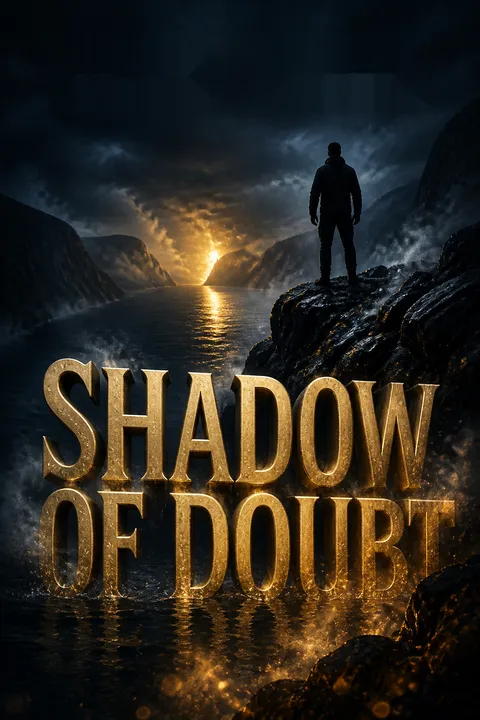

Plot Summary
Nuclear Shadows Over Europe
The world is thrown into panic as Russian bombers deliver a cryptic payload to Belarus, with the Belarusian president boasting of weapons more powerful than Hiroshima. Western intelligence agencies scramble to understand the true nature of the threat, fearing the doomsday clock has ticked closer to midnight. The specter of nuclear escalation looms, setting the stage for a high-stakes espionage battle across Europe. The tension is palpable, and the sense of impending catastrophe is inescapable, as the world's fate hangs in the balance.
The Parisian Betrayal
Jean-Jacques Jadot, a seasoned French intelligence officer, discovers a deep Russian penetration of France's government, reaching the highest levels. Haunted by the scale of the betrayal, he returns to Paris, determined to expose the network. But as he navigates the rain-soaked streets, paranoia sets in—he senses he's being watched. His fears are justified: after a tense night, Jadot is brutally murdered in his own apartment, the victim of a chilling, professional assassination. His death signals that the Russian plot is far more dangerous than anyone realized.
Flight Into Chaos
Scot Harvath, battered from recent missions, boards a flight to Oslo, longing for peace with his fiancée, Sølvi. But tranquility is shattered midair when a violent passenger threatens everyone onboard. Harvath's instincts kick in—he subdues the giant, only to be whisked away by Norwegian authorities upon landing. Instead of rest, he's drawn into a web of international intrigue, as the CIA's Oslo station chief, Holidae Hayes, reveals a Russian defector is at the heart of a new crisis. Harvath's personal and professional worlds collide once more.
Love and Loyalties Collide
Reunited in Oslo, Harvath and Sølvi's relationship is strained by secrets and conflicting allegiances. The CIA pressures Harvath to spy on Sølvi, threatening to expose his own dark secrets if he refuses. Torn between love and duty, Harvath confesses everything to Sølvi, forging a fragile alliance. Together, they realize the Russian defector, Grechko, holds the key to unraveling a plot that could destabilize Europe. Their bond is tested as they navigate a minefield of deception, loyalty, and the ever-present threat of betrayal.
The Russian Defector's Secret
Grechko, a high-ranking Russian intelligence officer, defects to Norway, triggering a race between Western agencies and Russian assassins. Sølvi leads his debrief, but the safehouse is soon attacked in a spectacular, coordinated assault. Only Sølvi's quick thinking and lethal skills save Grechko. Forced to flee, they realize someone inside Norwegian intelligence has betrayed them. The stakes escalate: Grechko's secrets could shift the balance of power, but keeping him alive becomes a desperate, violent struggle against relentless enemies.
Blood on the Marais
In Paris, DGSI agent Karine Brunelle takes charge of Jadot's murder case. She battles jurisdictional turf wars and her own complicated past with homicide detective Gibert. As she peels back layers of the crime scene, she discovers a disguised flash drive among Jadot's belongings—a clue to a vast Russian spy network. The investigation exposes the vulnerability of France's institutions and the personal cost of living in the shadows. Brunelle's pursuit of the truth becomes a race against time, as the Russian threat grows ever more immediate.
Safehouse Under Siege
In Oslo, Sølvi's team is ambushed by a professional Russian kill squad. Explosions and gunfire tear through the safehouse, leaving carnage in their wake. Sølvi's tactical brilliance and ferocity allow her and Grechko to escape, but the attack reveals the depth of the Russian infiltration. The survivors go on the run, pursued through the city and into the underground, as trust within their own ranks erodes. The sense of paranoia and danger is suffocating, and the line between hunter and hunted blurs.
The Oslo Inferno
Sølvi and Grechko, pursued by relentless assassins, navigate a burning city and a deadly underground garage. With Harvath's help, they stage a daring escape by boat, vanishing into the Norwegian fjords. The trauma of the attack lingers, and the realization that their enemies are always one step ahead weighs heavily. The trio must regroup, knowing that any misstep could be fatal. The emotional toll of violence and betrayal is etched into every moment, as survival becomes their only goal.
The French Spy's Legacy
Brunelle and her tech specialist, MoMo, race to unlock Jadot's flash drive, uncovering evidence of Russian moles at the highest levels of the French government. The revelations are explosive: ministries, intelligence agencies, even the president's inner circle are compromised. As arrests loom, the political and personal stakes skyrocket. Brunelle must navigate treacherous alliances and her own emotional scars, knowing that exposing the truth could destroy her career—or her life. The shadow of doubt infects every relationship and institution.
The CIA's Dilemma
At CIA headquarters, Deputy Director Conroy and analyst Maggie Thomas struggle to interpret the Russian moves. The agency is under immense pressure from the White House to prevent nuclear escalation, but their own networks are compromised. The Americans debate how far to go—should they blackmail, bribe, or betray their allies to get the information they need? The moral ambiguity of espionage is laid bare, as personal ambition and national security collide. The fate of Europe may hinge on a single, impossible decision.
The Web Tightens
As the Russian plot unfolds, Harvath and his team are drawn into a deadly game stretching from Paris to Monaco. They must extract Grechko's lover, Inessa, from the clutches of a ruthless oligarch, while simultaneously orchestrating the oligarch's assassination. The operation is a ballet of violence, deception, and improvisation, with every move shadowed by Russian countermeasures. The emotional stakes are high—love, vengeance, and loyalty are all on the line. The team's unity is tested as the body count rises.
Monaco's Deadly Game
In the glittering world of Monaco, Harvath's team executes a daring plan to free Inessa and eliminate her captor, Tsybulsky. The operation is a symphony of precision and brutality, culminating in a spectacular explosion at sea. The success is bittersweet—victory comes at a cost, and the team is left battered and haunted. The lines between justice and revenge blur, and the emotional aftermath threatens to unravel even the strongest bonds. The shadow of doubt lingers, even in triumph.
The Paris Ambush
Back in Paris, Harvath's team is lured into an ambush by a double-crossing CIA station chief, Powell, who is secretly working for the Russians. A brutal firefight erupts in the Bois de Boulogne, leaving many dead and two of Harvath's men gravely wounded. The sense of betrayal is overwhelming—trust is shattered, and the cost of espionage is paid in blood. The survivors must improvise a desperate escape, knowing that the enemy is now both foreign and domestic.
The Final Reckoning
Harvath tracks down Powell, forcing him to help set a trap for the Russian mastermind, Elovik. In a tense, high-stakes operation, Harvath's team lures Elovik and his kill squad into a deadly ambush at a Paris clinic. The ensuing battle is savage and chaotic, but Harvath's team prevails. Elovik is captured, and the Russian assassination unit is wiped out. The emotional toll is immense—vengeance is achieved, but at the cost of innocence and peace of mind.
The Collapse of Trust
In the aftermath, France reels from the exposure of Russian moles at the highest levels. Brunelle and Gibert orchestrate mass arrests, but the political fallout is seismic. The CIA, too, is forced to confront its own moral compromises, as Maggie Thomas's analysis helps avert nuclear war but leaves scars on all involved. Personal relationships—between lovers, friends, and colleagues—are strained to the breaking point. The cost of survival in the world of shadows is revealed to be heartbreakingly high.
The Norwegian Showdown
With the Russian mole in Norway unmasked, Harvath and his team track the final Russian assassin, Kapralov, to a remote cabin. The approach is fraught with tension—every instinct screams danger. In a climactic assault, the team eliminates the Russian kill squad, but Harvath makes a pivotal choice: he lets his teammate take the final shot, symbolically passing the torch and embracing trust in others. The cycle of vengeance is finally broken, and the emotional weight begins to lift.
The Last Name
With the last of his wife's killers dead, Harvath is left to contemplate the meaning of justice, revenge, and redemption. The emotional journey has been harrowing—loss, rage, and love have all left their mark. As he prepares to move forward, he realizes that true healing comes not from violence, but from connection and trust. The shadow of doubt recedes, replaced by the possibility of hope and renewal.
A New Dawn in Oslo
In the aftermath, Harvath and Sølvi marry in Oslo, surrounded by friends and allies who have survived the crucible. The world remains dangerous, but for a moment, there is joy and celebration. The lessons of the past linger—trust must be earned, and peace is always fragile. As they sail into the fjord, the future is uncertain, but the promise of love and partnership offers a glimmer of light in the shadow of doubt.
Analysis
Shadow of Doubt is a masterful exploration of the corrosive effects of mistrust in a world defined by secrecy, betrayal, and shifting allegiances. Brad Thor crafts a narrative that is both a pulse-pounding thriller and a meditation on the personal and political costs of living in the shadows. The novel's structure—interweaving action, investigation, and strategic analysis—mirrors the complexity of modern espionage, where no one is ever fully in control and every alliance is provisional. At its core, the book is about the search for certainty in an uncertain world: the longing for justice, the need for connection, and the ever-present danger that the people and institutions we rely on may be compromised. The emotional arc is one of hard-won growth—Harvath learns to trust his team and let go of vengeance, Brunelle confronts her own contradictions, and Maggie demonstrates the power of principled analysis in the face of chaos. The ultimate lesson is that doubt, while painful, is also necessary—it forces us to question, to adapt, and, ultimately, to find new ways to hope. In a world where the truth is rarely pure and never simple, Shadow of Doubt offers a gripping, emotionally resonant journey through the darkness and toward the possibility of light.
Review Summary
Shadow of Doubt receives mixed reviews (4.45/5 overall). Fans praise the action-packed plot involving Russian defectors, nuclear weapons, and espionage across multiple countries. Many enjoyed the fast pacing and geopolitical focus. Critics cite excessive storylines (up to five threads), slow pacing, repetitive formulas, detailed weapon descriptions, and lack of character development. Some found it disjointed with predictable outcomes. Several readers noted Thor's political commentary, though others appreciated its reduction. Long-time fans debate whether it matches earlier series entries, with opinions ranging from "best in years" to "worst in series."
People Also Read
Characters
Scot Harvath
Harvath is a former Navy SEAL turned elite intelligence operative, defined by his relentless pursuit of justice and his deep scars from personal loss. The murder of his wife drives him, but also threatens to consume him. His relationship with Sølvi offers a chance at redemption, but he is constantly torn between love and duty. Harvath's leadership is tested as he learns to trust his team and relinquish control, ultimately realizing that vengeance alone cannot heal his wounds. His journey is one of transformation—from lone avenger to partner and leader willing to embrace vulnerability.
Sølvi Kolstad
Sølvi is a brilliant Norwegian intelligence officer, marked by her own traumas and a fierce sense of duty. Her relationship with Harvath is both a source of strength and conflict, as professional obligations and personal feelings collide. She is a tactical genius, capable of extraordinary violence when necessary, but also deeply empathetic. Sølvi's arc is one of navigating the treacherous waters of trust—learning when to rely on others and when to stand alone. Her ability to adapt and survive makes her indispensable, but her greatest challenge is allowing herself to love and be loved.
Karine Brunelle
Brunelle is a DGSI agent whose intellect and intuition drive her to the heart of the Russian spy network in France. She is introverted, fiercely independent, and often exhausted by the incompetence of others. Her complicated relationship with Gibert reflects her struggle to balance vulnerability and strength. Brunelle's pursuit of the truth is both professional and personal—she is haunted by loneliness and a desire for connection, but her work often isolates her further. Her journey is one of confronting her own contradictions and learning to accept help without losing herself.
Holidae Hayes
Hayes is the chief of the CIA's Oslo station, navigating the treacherous politics of intelligence work. She is brilliant, driven, and adept at playing both sides when necessary. Her friendship with Harvath is tested by institutional pressures—she is forced to blackmail him, but does so with reluctance and a sense of personal conflict. Hayes embodies the moral ambiguity of espionage, constantly weighing loyalty to friends against duty to country. Her arc is one of seeking redemption and maintaining integrity in a world that rewards duplicity.
Leonid Grechko
Grechko is a high-ranking Russian intelligence officer whose defection sets off a deadly chain of events. He is world-weary, charming, and manipulative, always bargaining for his own survival. His secrets have the power to reshape the geopolitical landscape, but his motivations are deeply personal—love, regret, and a desire for a new life. Grechko's presence forces those around him to confront their own values and the cost of trust. He is both a prize and a liability, embodying the perilous nature of information in the modern age.
Jean-Jacques Jadot
Jadot is a veteran French intelligence officer whose discovery of a Russian spy network leads to his murder. He is methodical, principled, and haunted by the scale of the treason he uncovers. Jadot's death is the catalyst for the unraveling of the Russian plot, but also a symbol of the personal cost of truth-telling in a world of shadows. His legacy is one of courage and sacrifice, but also of the loneliness that comes from seeing too much and trusting too little.
Karine's Team (MoMo, Gibert)
MoMo, a digital forensic specialist, and Gibert, a homicide detective with a complicated past with Brunelle, are essential to unraveling the Russian plot. MoMo's technical brilliance and outsider status provide key breakthroughs, while Gibert's streetwise instincts and emotional connection to Brunelle add depth to the investigation. Their dynamic reflects the challenges of collaboration in a world where trust is scarce and every alliance is fraught with risk.
Maggie Thomas
Maggie is a senior CIA analyst whose insights shape the American response to the crisis. She is methodical, humble, and deeply committed to the truth, even when it is inconvenient. Maggie's personal life—her marriage, her sense of history—grounds her in a world of shifting loyalties. She is the moral center of the intelligence community, constantly reminding her colleagues of the human cost of their decisions. Her arc is one of perseverance and quiet heroism.
Ray Powell
Powell is the CIA's Paris station chief, secretly working for the Russians. He is charming, competent, and utterly self-serving, willing to sell out anyone for personal gain. His duplicity is the linchpin of the Russian plot, and his eventual downfall is both satisfying and tragic. Powell's character explores the corrosive effects of greed and the ease with which trust can be weaponized.
Ivan Kapralov
Kapralov is the commander of Russia's elite assassination unit, responsible for some of the novel's most brutal acts. He is arrogant, sadistic, and driven by a twisted sense of honor. Kapralov's presence is a constant threat, and his pursuit of Grechko and the Western operatives is relentless. His death marks the end of Harvath's quest for vengeance, but also forces a reckoning with the cycle of violence that has defined so much of the story.
Plot Devices
Dual Narrative Structure
The novel weaves together multiple storylines—Harvath's action-driven quest, Brunelle's methodical investigation, and the CIA's strategic maneuvering. This structure allows for constant tension and shifting perspectives, as each thread reveals new facets of the central conspiracy. The interplay between personal and political stakes keeps the reader emotionally invested and intellectually engaged.
Foreshadowing and Misdirection
The narrative is laced with subtle clues and deliberate misdirections—Jadot's paranoia, the ambiguous loyalties of key characters, and the ever-present threat of betrayal. The use of classic spy motifs (e.g., the purloined letter, hiding in plain sight) reinforces the theme that nothing is as it seems. The reader is kept off-balance, mirroring the characters' own uncertainty.
Thematic Motifs: Trust, Betrayal, and Doubt
The shadow of doubt is not just a title, but a pervasive force shaping every relationship and decision. Characters are constantly forced to question whom they can trust, and the consequences of misplaced faith are often deadly. The motif of betrayal—personal, institutional, and national—runs through every plotline, creating a sense of pervasive unease.
High-Stakes Set Pieces
The novel is punctuated by explosive set pieces—airplane brawls, safehouse sieges, urban ambushes, and high-tech assassinations. These moments are not just adrenaline-fueled spectacles, but also vehicles for character development and thematic exploration. The violence is never gratuitous; it always serves to illuminate the psychological and moral stakes.
Moral Ambiguity and Psychological Depth
The story refuses easy answers—heroes are flawed, villains are human, and every victory comes at a cost. The psychological toll of espionage is explored in depth, from Harvath's struggle with vengeance to Brunelle's loneliness and Maggie's ethical dilemmas. The narrative structure allows for introspection and emotional nuance, elevating the novel above standard genre fare.
Scot Harvath Series





About the Author
Other books by Brad Thor

Download PDF
Download EPUB
.epub digital book format is ideal for reading ebooks on phones, tablets, and e-readers.








































