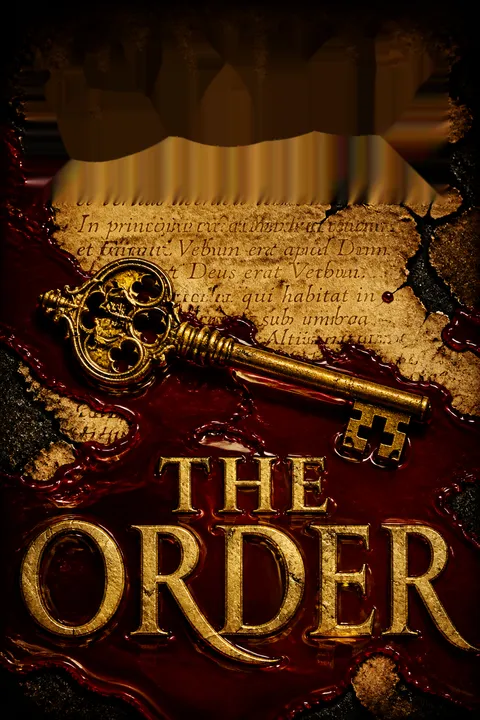

Plot Summary
Death in the Vatican
The story opens with the unexpected death of Pope Paul VII, found lifeless in his private chambers. Archbishop Luigi Donati, the pope's loyal secretary, is summoned to the Apostolic Palace in the dead of night. The scene is tense and shrouded in secrecy, with powerful cardinals already maneuvering for control. Donati's grief is palpable, but so is his suspicion—details don't add up, and the official story feels too neat. The Vatican's ancient rituals for papal death unfold, but beneath the surface, Donati senses a darker plot. The Church is thrown into turmoil, and Donati is left with a gnawing question: was this truly a natural death, or the first move in a dangerous game for the soul of the Church?
Gabriel's Unwanted Vacation
Gabriel Allon, legendary Israeli spy and art restorer, is forced by his wife Chiara to take a rare family vacation in Venice. While he tries to relax, the world's troubles and his own restlessness follow him. The Allon family's presence in the Jewish ghetto is a reminder of Europe's rising intolerance and the ever-present threat to Jews. Gabriel's attempts at normalcy—restoring a Tintoretto, family dinners, walks through the city—are shadowed by news of the pope's death and the political storms brewing across Europe. The vacation is a fragile interlude, soon to be shattered by a call from Rome that will draw Gabriel back into intrigue.
Shadows Over Venice
As the Vatican prepares for the pope's funeral, Venice is subdued but largely indifferent. Gabriel, however, is drawn into the unfolding drama, especially when he's discreetly contacted by Donati. The funeral is a spectacle of power and tradition, but beneath the pageantry, factions within the Church are already vying for control. Donati, isolated and mistrustful, seeks Gabriel's help to investigate irregularities surrounding the pope's death. The sense of conspiracy grows, and Gabriel's vacation is officially over—he is pulled into a web of secrets that stretches from the Vatican to the heart of Europe.
A Pope's Secret Letter
Donati confides in Gabriel over a clandestine lunch in Rome, revealing troubling inconsistencies: a missing letter the pope was writing, a suspiciously absent Swiss Guard, and the involvement of powerful cardinals. The letter, addressed to Gabriel, is believed to contain revelations about a dangerous document found in the Vatican Secret Archives. As they dig deeper, it becomes clear that the pope's death was no accident. The stakes are raised: whoever controls the secret the pope uncovered could shape the future of the Church—and perhaps the world.
The Missing Swiss Guard
The investigation leads Gabriel and Donati to the missing Swiss Guard, Niklaus Janson, who was on duty the night of the pope's death. Their search takes them from Rome to Florence and Switzerland, uncovering a trail of fear, coded messages, and hidden loyalties. Janson is found, but before he can reveal what he knows, he is assassinated in public, his last words echoing those of Christ on the cross. The murder is a clear warning: powerful forces will kill to keep their secrets. Gabriel retrieves Janson's phone, but its contents are wiped remotely, deepening the mystery.
Conclave Conspiracies
The investigation uncovers the Order of St. Helena, a reactionary Catholic fraternity with deep roots in fascism and anti-Semitism. The Order has infiltrated the Vatican at the highest levels, using blackmail and bribery to control the upcoming papal conclave. Their goal: to install a puppet pope who will return the Church to its authoritarian past and align it with the rising far right in Europe. Donati and Gabriel realize the conclave is rigged, and the Church's future hangs in the balance. The Order's reach is global, its methods ruthless, and time is running out.
The Order Revealed
Gabriel's team uses their intelligence skills to expose the Order's network, tracing illicit payments to cardinals and uncovering the involvement of European political leaders. The Order's chief operatives, including a former German intelligence officer and a billionaire industrialist, are orchestrating not just the conclave, but a broader campaign to destabilize Europe through terrorism and disinformation. The investigation becomes a race against time, as Gabriel's team must gather irrefutable proof before the conclave locks the cardinals away and the Order's plan becomes irreversible.
The Gospel of Pilate
At the heart of the conspiracy is a suppressed document: the Gospel of Pilate, an ancient text that exonerates the Jews for Christ's death and places the blame squarely on the Romans. The document, if revealed, would upend centuries of Christian teaching and undermine the theological foundation of anti-Semitism. The pope had intended to give it to Gabriel, but the Order intervened, murdering him and attempting to destroy the gospel. A desperate search for the document ensues, leading to betrayals, forgeries, and a final confrontation over the true nature of faith and history.
Pursuit Across Europe
Gabriel and his team pursue the Order's operatives across Europe, from Rome to Switzerland, Munich, and the Bavarian Alps. They uncover the Order's involvement in terrorist attacks designed to sway public opinion and manipulate elections. The chase is fraught with danger—assassins, double agents, and the ever-present threat of exposure. As the conclave approaches, Gabriel must outwit the Order's enforcers, recover the missing gospel, and prevent a reactionary coup within the Church. The personal stakes are high: friends and loved ones are targeted, and the line between justice and vengeance blurs.
The Assassin's Trail
The pursuit leads to a climactic showdown in the Obersalzberg, the Order's mountain stronghold, where Gabriel confronts the billionaire Wolf and the Order's leadership. The truth about the Order's origins—its Nazi past, its role in the Holocaust, and its ongoing campaign of hate—is laid bare. The last copy of the Gospel of Pilate is destroyed, but not before its contents are revealed to Gabriel. The Order's leaders are exposed, their political puppets discredited, and their plot to steal the papacy is foiled. But the cost is high, and the wounds of history remain.
The Power of Secrets
With the Order's conspiracy exposed, Gabriel and Donati must decide how much of the truth to reveal. The Church is at a crossroads: to confront its past and embrace reform, or to retreat into denial and secrecy. The Gospel of Pilate, though lost, becomes a symbol of the possibility of reconciliation between Christians and Jews. Donati faces his own reckoning, torn between love, duty, and faith. The personal and the political collide, as the characters grapple with the burden of secrets and the hope for redemption.
The Conclave Erupts
As the conclave begins, Donati risks everything to expose the Order's plot to the assembled cardinals. His impassioned speech, backed by Gabriel's evidence, turns the tide. The corrupt are unmasked, and the cardinals, shaken by the revelations, elect Donati as the new pope in a stunning first-ballot victory. The Church is given a chance to change, but the challenges ahead are immense. Donati's election is both a triumph and a heavy burden, as he must lead a wounded institution into an uncertain future.
Truth and Reckoning
The Order's influence is broken, but the scars of its crimes linger. Donati, now pope, begins the work of reform, purging the corrupt and reaching out to those the Church has wronged. Gabriel returns to his family, haunted by the violence and the secrets he carries. The Gospel of Pilate, entrusted to him by a mysterious priest, becomes a private testament to the power of truth. The characters reflect on the meaning of faith, forgiveness, and the possibility of change in a world still shadowed by hatred.
Habemus Papam
The world reacts to the election of a reformist pope, and the Church stands at a crossroads. Donati's first acts signal a break with the past and a commitment to justice and reconciliation. The story ends with Gabriel and his family in Venice, contemplating the future and the enduring struggle between darkness and light. The lessons of history are not forgotten, and the hope for a better world endures, fragile but real.
After the Storm
In the aftermath, the characters seek solace and meaning. Venice, battered by floods, becomes a symbol of resilience and renewal. The Church, scarred but unbroken, faces the challenge of living up to its ideals. Gabriel, Donati, and their loved ones look to the future, aware that the fight against hatred and injustice is never truly over. The story closes on a note of cautious optimism, a reminder that even in the darkest times, the possibility of redemption remains.
Analysis
Daniel Silva's The Order is a masterful blend of thriller, historical reckoning, and moral inquiry. At its core, the novel is a meditation on the dangers of institutional secrecy, the corrosive power of hate, and the enduring need for truth and reconciliation. By weaving together a contemporary conspiracy with the deep wounds of Christian anti-Semitism, Silva forces readers to confront the ways in which the past shapes the present. The lost Gospel of Pilate is both a plot device and a symbol—a challenge to received wisdom and a call to moral responsibility. The novel's characters are richly drawn, their psychological struggles mirroring the larger conflicts of faith, identity, and history. The narrative's pacing is relentless, but its emotional resonance lingers, inviting reflection on the meaning of justice, the possibility of change, and the hope that even the most flawed institutions can be redeemed. In an age of rising extremism and resurgent bigotry, The Order is both a gripping story and a timely warning: the fight against hatred is never over, and the truth, however dangerous, is always worth seeking.
Review Summary
The Order receives mixed reviews (4.17/5) as the 20th Gabriel Allon novel. Many longtime fans found it disappointing compared to earlier books, citing slow pacing, weak action, and repetitive Vatican conspiracy themes. Critics noted the first 100 pages drag before conflict emerges, making it feel more like a locked-room mystery than a spy thriller. Some readers appreciated the exploration of Catholic Church anti-Semitism and the fictional "Gospel of Pontius Pilate," while others found it preachy and offensive to Catholics. Positive reviews praised Silva's research and timely themes, though most agreed it's among the series' weaker entries.
People Also Read


Characters
Gabriel Allon
Gabriel Allon is both a master art restorer and the legendary chief of Israeli intelligence. Scarred by personal loss and the weight of history, he is driven by a deep sense of justice and a relentless pursuit of truth. His relationships—with his wife Chiara, his children, and his old friends—anchor him, but he is never far from danger or moral ambiguity. Gabriel's Jewish identity and his knowledge of Christian art make him uniquely sensitive to the story's themes of faith, guilt, and reconciliation. Throughout the novel, he is both investigator and confessor, forced to confront the darkest chapters of European history while fighting to prevent new horrors. His journey is one of endurance, sacrifice, and the hope that truth can heal even the deepest wounds.
Luigi Donati
Luigi Donati is the private secretary to Pope Paul VII, a Jesuit of formidable intellect and unyielding integrity. Torn between his love for Veronica Marchese and his vows, Donati is a man of deep faith and profound loneliness. His loyalty to the pope and his commitment to reform make him a target for the Church's reactionary forces. As the conspiracy unfolds, Donati becomes both detective and whistleblower, risking everything to expose the Order's plot. His election as pope is both a vindication and a burden, forcing him to choose between personal happiness and the salvation of the Church. Donati's arc is one of transformation—from loyal servant to courageous leader, from private grief to public responsibility.
Pope Paul VII (Pietro Lucchesi)
Pope Paul VII is a compassionate, progressive pontiff who seeks to guide the Church toward justice and reconciliation. His discovery of the Gospel of Pilate and his desire to reveal it to the world make him a threat to entrenched interests. His murder is the spark that ignites the novel's central conflict. Lucchesi's legacy is one of unfinished work and unfulfilled hope, but his courage inspires those who follow him. His relationship with Donati is marked by trust, affection, and shared vision.
Chiara Allon
Chiara is Gabriel's wife, a former intelligence operative herself, and the mother of their twins. She is fiercely intelligent, pragmatic, and loving, providing Gabriel with both support and challenge. Her insights often guide Gabriel's decisions, and her presence is a reminder of what is at stake. Chiara's longing for a normal life is a counterpoint to Gabriel's sense of duty, and her resilience anchors the family through crisis.
Veronica Marchese
Veronica is an accomplished museum director and Donati's former lover. Her past is marked by loss and betrayal, but she remains strong, witty, and resourceful. Veronica's relationship with Donati is a source of both pain and hope, and her involvement in the investigation puts her in grave danger. She represents the possibility of love after loss and the courage to face the truth, no matter the cost.
Domenico Albanese
Cardinal Albanese is the camerlengo and prefetto of the Vatican Secret Archives. Outwardly pious and powerful, he is secretly a member of the Order of St. Helena and a key architect of the conspiracy. His actions are driven by ambition, fear, and a misguided sense of loyalty. Albanese's complicity in murder and corruption ultimately leads to his downfall, a cautionary tale of the dangers of unchecked power.
Bishop Hans Richter
Richter is the superior general of the Order of St. Helena, a shadowy figure who orchestrates the plot to seize the papacy. Charismatic, ruthless, and ideologically driven, he represents the dark side of faith—intolerance, authoritarianism, and the willingness to sacrifice others for a supposed greater good. Richter's manipulation of Church and politics is chilling, and his downfall is both satisfying and sobering.
Andreas Estermann
Estermann is a former German intelligence officer turned chief of security for the Order. He is a skilled manipulator, deeply prejudiced, and instrumental in the Order's campaign of terror and disinformation. Estermann's actions are motivated by ideology and personal gain, and his eventual capture and confession are key to exposing the conspiracy.
Jonas Wolf
Wolf is the financial power behind the Order, a reclusive industrialist with a hidden past. The son of a Nazi war criminal, he channels his inherited wealth and hatred into a campaign to reshape Europe in the image of the past. Wolf's confrontation with Gabriel is a reckoning with history, and his ultimate defeat is a symbolic victory over the forces of hate.
Father Robert Jordan
Father Jordan is a Jesuit academic and expert on apocryphal gospels. Secretly descended from Italian Jews, he is both insider and outsider, torn between two faiths. His role in copying and preserving the Gospel of Pilate is pivotal, and his personal journey reflects the novel's themes of identity, memory, and the search for truth.
Plot Devices
Dual Narrative Structure
The novel employs a dual narrative, alternating between the Vatican's internal machinations and Gabriel's external investigation. This structure heightens suspense, allowing the reader to see both the surface rituals of the Church and the hidden battles for power. The convergence of these threads at the conclave creates a sense of inevitability and urgency.
The MacGuffin: The Gospel of Pilate
The Gospel of Pilate serves as the novel's central MacGuffin—a lost text that threatens to upend centuries of doctrine and justify the worst crimes of history. Its pursuit drives the plot, and its meaning forces characters to confront uncomfortable truths about faith, guilt, and responsibility.
Foreshadowing and Red Herrings
The narrative is rich with foreshadowing—subtle clues about the Order's reach, the dangers facing witnesses, and the possibility of betrayal. Red herrings abound, keeping both characters and readers off balance. The use of coded messages, missing evidence, and unreliable narrators deepens the sense of intrigue.
Historical Parallels and Symbolism
The story draws explicit parallels between the Church's past complicity in anti-Semitism and the present rise of the far right. Symbols—such as the cross, the ghetto, and the lost gospel—are layered with meaning, inviting reflection on the persistence of evil and the possibility of redemption.
The Locked-Room Mystery
The pope's murder is a classic locked-room mystery, with a limited set of suspects and a web of alibis. The conclave itself becomes a locked room, a crucible in which the Church's future will be decided. The tension of confinement and secrecy is palpable throughout.
Moral Dilemmas and Character Arcs
Characters are repeatedly forced to choose between personal happiness and the greater good, between exposing the truth and protecting the institution. These dilemmas drive character development and underscore the novel's central questions about faith, justice, and the cost of courage.
Gabriel Allon Series

About the Author
Other books by Daniel Silva


Download PDF
Download EPUB
.epub digital book format is ideal for reading ebooks on phones, tablets, and e-readers.








































