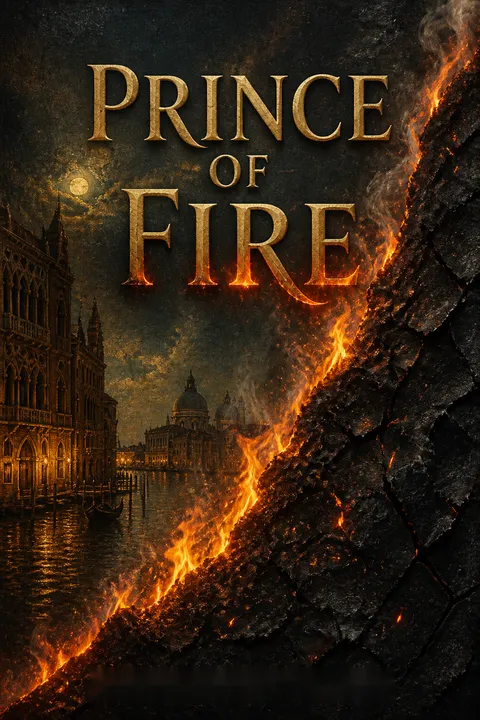

Plot Summary
Rome in Flames
On a tranquil Roman morning, a devastating suicide bombing shatters the Israeli embassy, killing dozens and leaving the world reeling. The attack is meticulously planned, followed by a ruthless gun assault on survivors. Israeli intelligence reels from the loss, and the event becomes a catalyst for a global manhunt. The attack's sophistication and brutality signal a new, more dangerous adversary, one who leaves a chilling calling card. The emotional impact is immediate and profound, setting the tone for a story driven by grief, outrage, and the unyielding pursuit of justice. The survivors, haunted by loss, vow retribution, and the world's attention turns to the shadowy corridors of espionage and revenge.
Shadows of Vengeance
In the aftermath, Ari Shamron, legendary spymaster, is summoned from retirement to guide the response. The attack is not just a blow to Israel's security but a personal affront to Shamron and his protégé, Gabriel Allon. As the Office scrambles to assess the damage, the emotional toll is palpable—old wounds are reopened, and the ghosts of past conflicts resurface. The bombing is linked to a broader pattern of anti-Jewish violence, and the hunt for the perpetrators becomes both a national mission and a deeply personal vendetta. The narrative pulses with urgency, as the need for justice collides with the pain of loss and the weight of history.
The Restorer's Return
Gabriel, once a legendary assassin, now lives in self-imposed exile as an art restorer in Venice, haunted by the trauma of his wife Leah's catatonia after a terrorist attack. His peaceful life is shattered when Shamron arrives with evidence that Gabriel is being watched and targeted. The dossier on Gabriel's life, written in Arabic, reveals the enemy's intimate knowledge of his past. The emotional stakes rise as Gabriel is forced to abandon his new love, Chiara, and the life he's built, returning to Israel to lead the hunt for the new mastermind. The pull of duty, guilt, and unfinished business is inescapable.
Dossier of Death
The discovery of a detailed dossier on Gabriel, found in a Milan safehouse, exposes the depth of the threat. The document recounts Gabriel's career as an assassin, his personal losses, and the interconnectedness of violence and revenge. The dossier's accuracy is unnerving, and its existence signals that the enemy is not only capable but intimately familiar with Israeli intelligence. The emotional impact is profound—Gabriel is forced to confront his own legacy, the cost of his actions, and the reality that his enemies are watching and waiting. The past and present collide, fueling a relentless pursuit.
Ghosts of Beit Sayeed
The investigation leads to the history of Beit Sayeed, a Palestinian village destroyed in 1948, and the al-Khalifa family, whose lineage is steeped in blood and vengeance. Through the stories of Sheikh Asad, Sabri, and the mysterious Khaled, the narrative explores the generational trauma and cycles of violence that define the Israeli-Palestinian conflict. The emotional resonance is deepened by the personal connections—Gabriel's own actions are part of this continuum. The ghosts of the past haunt every step, and the search for Khaled becomes a journey into the heart of historical grievance and personal vendetta.
Bloodlines and Betrayals
The al-Khalifa family's saga is revealed: Sheikh Asad, the original warlord; Sabri, the Black September mastermind; and Khaled, the phantom heir. Each generation is marked by betrayal, loss, and the pursuit of revenge. The narrative weaves together personal and political histories, showing how the sins of the fathers are visited upon the sons. Gabriel's own role in the deaths of Sabri and others is mirrored by Khaled's quest for vengeance. The emotional stakes are heightened as the lines between justice and revenge blur, and the characters are driven by forces beyond their control.
The Phantom Khaled
Dina, a brilliant analyst scarred by personal loss, uncovers patterns linking recent attacks to Khaled, the elusive son of Sabri. The investigation is a race against time, as evidence mounts that Khaled is orchestrating a new wave of terror. The emotional tension is palpable—Dina's obsession is fueled by her own trauma, and Gabriel is haunted by the possibility that his past actions have created a new monster. The team's camaraderie is tested by the pressure, and the specter of Khaled looms over every decision. The hunt becomes a battle of wits and wills.
The Collaborator's Secret
Gabriel and his team turn to Mahmoud Arwish, a high-level Palestinian collaborator, for information. The meeting is fraught with danger and moral ambiguity—Arwish is motivated by desperation, not loyalty. He reveals that Khaled is in contact with Arafat's compound and uses a mysterious European woman as his intermediary. The emotional complexity of collaboration, betrayal, and survival is laid bare. The information is both a breakthrough and a trap, as the team realizes they are being manipulated. The line between hunter and hunted grows thin, and the cost of trust becomes painfully clear.
Arafat's Labyrinth
Gabriel secures a tense meeting with Yasir Arafat in Ramallah, seeking answers about Khaled and the past. The encounter is a psychological duel, laden with history and mutual accusation. Arafat denies knowledge of Khaled's whereabouts but admits to ordering the attempt on Gabriel's life years before. The emotional weight of the meeting is immense—Gabriel is forced to confront the man who shaped his destiny and destroyed his family. The labyrinth of lies, half-truths, and political gamesmanship leaves Gabriel with more questions than answers, but also a renewed determination to find Khaled.
The Trap in Marseilles
The investigation leads to Marseilles, where Gabriel and his team set a trap for Khaled. Surveillance, subterfuge, and tension mount as they wait for the phantom to appear. The operation is a high-wire act, blending old-school tradecraft with modern technology. The emotional strain is intense—Gabriel is torn between his duty and the fear of repeating past mistakes. When Khaled finally surfaces, the operation unravels into chaos. Gabriel is forced into a desperate bargain, sacrificing his own safety to save his wife, Leah, who has been kidnapped as leverage. The sense of inevitability and doom is overwhelming.
Hostage to the Past
With Leah's life in the balance, Gabriel submits to Khaled's demands, embarking on a harrowing journey across France. The ordeal is both physical and psychological—Gabriel is beaten, humiliated, and stripped of agency. His captor, a young Palestinian woman, embodies the generational pain and indoctrination of exile. Their conversations reveal the deep wounds of history, the impossibility of reconciliation, and the personal cost of endless conflict. Gabriel's love for Leah and his sense of responsibility drive him forward, even as he knows he is being led into a trap. The emotional intensity is raw and unrelenting.
The Gare de Lyon Inferno
Khaled's ultimate plan is revealed: a coordinated suicide bombing at the Gare de Lyon, designed to kill hundreds and implicate Gabriel as a conspirator. The tension is excruciating as Gabriel, forced to choose between saving Leah and warning the crowd, acts in the final seconds to avert total catastrophe. The station is rocked by explosions, but Gabriel manages to save Leah and escape. The aftermath is chaos—bodies, blood, and the shattering of any remaining illusions about the nature of the enemy. The emotional toll is devastating, and the sense of victory is hollow.
Aftermath and Reckoning
The attack's aftermath is a storm of accusations, diplomatic crises, and personal reckoning. Gabriel is scapegoated in the media, his image manipulated to suggest complicity. The Office faces internal and external scrutiny, and the cost of the operation is measured in both lives and reputations. Gabriel's relationships are strained—his marriage to Leah is a shell, and his love for Chiara is sacrificed on the altar of duty. The emotional landscape is one of exhaustion, regret, and the search for meaning in the ruins. The need for justice remains, but the path is fraught with ambiguity.
The Search for Khaled
Refusing to let Khaled escape, Gabriel enlists the help of Eli Lavon, a master investigator, to trace the phantom's true identity. The search leads through the ruins of Palestinian exile, the records of forgotten villages, and the memories of survivors. The emotional journey is one of empathy and understanding—Gabriel confronts the humanity of his enemy, the tragedy of displacement, and the complexity of history. The pursuit is methodical, patient, and deeply personal. The lines between hunter and hunted, justice and revenge, blur as Gabriel closes in on his quarry.
Love, Loss, and Loyalty
Gabriel's devotion to Leah, his loyalty to Shamron, and his love for Chiara are tested to the breaking point. The emotional cost of his life's work becomes unbearable—he is forced to choose between past and future, duty and desire. Chiara, unable to compete with the ghosts of Gabriel's past, leaves him. Leah, forever scarred, drifts between moments of clarity and oblivion. The theme of fidelity—personal, national, and moral—runs through every relationship. The pain of loss is matched only by the stubborn persistence of hope and the refusal to surrender to despair.
The Final Hunt
The trail leads to Provence, where Khaled, living under an assumed identity, is finally cornered. The confrontation is intimate, brutal, and inevitable—a duel between two men shaped by history, loss, and the need for closure. Gabriel, disguised as an artist, confronts Khaled at an archaeological dig, echoing the cycles of destruction and rebirth that define their peoples. The execution is swift and merciless, but the emotional aftermath is complex—there is no triumph, only the quiet satisfaction of justice served and the lingering ache of what might have been. The cycle of violence is momentarily broken, but the scars remain.
Justice at Armageddon
In the aftermath, Gabriel returns to Israel, haunted by the cost of his actions and the unresolved questions of history. He is offered leadership of Operations, a chance to shape the future, but is acutely aware of the burdens that come with power. The narrative ends with a meditation on the nature of justice, the impossibility of true reconciliation, and the enduring hope for peace. The emotional arc is one of exhaustion, wisdom, and the acceptance of ambiguity. The story closes not with victory, but with the quiet resolve to endure, remember, and strive for something better.
Analysis
A meditation on vengeance, history, and the cost of survivalPrince of Fire is more than a spy thriller—it is a profound exploration of the cycles of violence that define the Israeli-Palestinian conflict and the psychological toll of living in their shadow. Daniel Silva uses the conventions of the genre—espionage, betrayal, high-stakes action—not merely to entertain, but to probe the deepest wounds of modern identity and belonging. The novel's central lesson is the impossibility of escaping the past: every act of violence is both a response to old grievances and a seed for future revenge. Through Gabriel Allon, Silva asks whether justice can ever be achieved without perpetuating the cycle of pain, and whether love and loyalty can survive in a world where every choice is compromised. The book's modern relevance is acute—its depiction of terror, displacement, and the search for meaning in a fractured world resonates far beyond its immediate setting. Ultimately, Prince of Fire is a story of endurance, memory, and the stubborn hope that, even in the ruins, something worth saving can be restored.
Review Summary
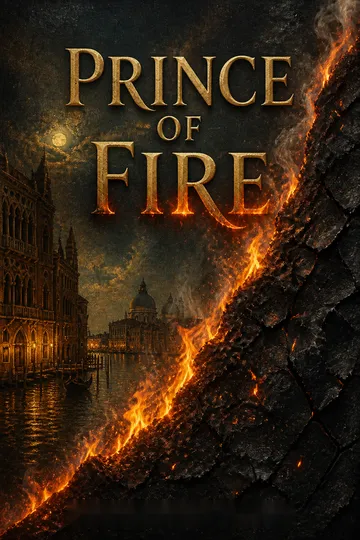
Prince of Fire, the fifth Gabriel Allon novel, receives mixed reviews averaging 4.22/5 stars. Readers praise Silva's storytelling, fast pacing, and balanced portrayal of Israeli-Palestinian conflict, though some criticize heavy historical passages that slow the plot. The story follows Israeli spy and art restorer Allon hunting a terrorist who has exposed his identity. Many appreciate the depth given to Allon's character and his complicated personal life. Several note the series improves with each installment, while others find the formula repetitive. Reviewers recommend starting from the series beginning rather than jumping in mid-series.
People Also Read





Characters
Gabriel Allon
Gabriel is the novel's conflicted hero—a legendary Israeli assassin turned art restorer, forever marked by personal tragedy. His wife Leah's catatonia, the result of a terrorist attack meant for him, is a constant source of guilt and sorrow. Gabriel's psyche is a battleground of duty, loss, and longing for redemption. His relationships—with Shamron, Chiara, and Leah—are fraught with love, loyalty, and sacrifice. Throughout the story, Gabriel is driven by a relentless sense of responsibility, both personal and national. His journey is one of self-confrontation, as he grapples with the cost of violence, the weight of history, and the elusive possibility of peace.
Ari Shamron
Shamron is the aging spymaster who embodies the old guard of Israeli intelligence. Cunning, ruthless, and deeply patriotic, he is both mentor and surrogate father to Gabriel. Shamron's worldview is shaped by survival, and he is unafraid to make hard choices for the sake of the state. His relationship with Gabriel is complex—part affection, part manipulation, part shared trauma. Shamron's own family is fractured, mirroring the costs of a life spent in the shadows. He is the story's moral center and its Machiavellian engine, always pulling strings, always one step ahead.
Khaled al-Khalifa / Paul Martineau
Khaled is the enigmatic antagonist, heir to a legacy of violence and dispossession. Raised in exile, educated in Europe, he is both a product of his family's trauma and a master of modern terror. Khaled's motivations are deeply personal—revenge for his father and grandfather, and a desire to strike at the heart of his enemies. He is a chameleon, able to blend into Western society while orchestrating acts of unspeakable violence. Khaled's psychological complexity lies in his ability to justify atrocity through the lens of historical grievance, and his ultimate downfall is rooted in the very narrative of loss he seeks to avenge.
Leah Allon
Leah is Gabriel's wife, rendered catatonic by a terrorist bombing meant for him. Her presence is a constant reminder of the cost of violence and the fragility of happiness. Leah's moments of lucidity are heartbreaking, and her relationship with Gabriel is defined by longing, guilt, and the impossibility of closure. She is both a symbol of innocence destroyed and a living wound that shapes Gabriel's every decision. Leah's fate is a testament to the collateral damage of endless conflict, and her suffering is the emotional core of Gabriel's quest for justice.
Chiara Zolli
Chiara is a young, passionate Office operative who becomes Gabriel's lover and emotional anchor. Her love for Gabriel is fierce and selfless, but ultimately doomed by his inability to let go of the past. Chiara's psychological strength is matched by her vulnerability—she is both a skilled agent and a woman longing for a future that Gabriel cannot give her. Her departure is a moment of profound loss, underscoring the theme of loyalty and the sacrifices demanded by a life in the shadows.
Dina Sarid
Dina is a key member of Gabriel's team, driven by her own trauma—the loss of her family in a suicide bombing. Her obsession with the Khaled case is both professional and personal, and her insights are crucial to unraveling the mystery. Dina's psychological resilience is tempered by a deep well of pain, and her relationship with Gabriel is one of mutual respect and shared scars. She embodies the new generation of Israeli intelligence—smart, driven, and marked by the violence of the present.
Mahmoud Arwish / Colonel Kemel
Arwish is a high-ranking Palestinian official who secretly works for Israeli intelligence. His motivations are complex—part survival, part coercion, part resignation. Arwish's betrayal is both a lifeline and a death sentence, and his fate is a stark reminder of the moral ambiguities of espionage. His information is pivotal, but his end is brutal, executed as a traitor by his own side. Arwish's story is a microcosm of the larger conflict—trust, betrayal, and the impossibility of escape.
Yasir Arafat
Arafat is portrayed as both a father figure to Khaled and a master of duplicity. His interactions with Gabriel are fraught with history, accusation, and mutual recognition. Arafat's psychological complexity lies in his ability to embody both victimhood and ruthlessness, to inspire loyalty and orchestrate violence. He is a symbol of the intractable nature of the conflict, always maneuvering, always denying, always shaping the narrative to his advantage.
Ari Lev
Lev is the current director of the Office, a technocrat who resents Shamron and Gabriel's influence. His approach is cautious, political, and often at odds with the instincts of his field operatives. Lev's psychological makeup is defined by ambition, insecurity, and a need for control. He represents the institutional pressures and internal rivalries that complicate the pursuit of justice, and his relationship with Gabriel is one of mutual suspicion and reluctant cooperation.
Fellah al-Tamari / Palestina
Fellah is the young Palestinian woman who escorts Gabriel during his captivity. Her story is one of generational trauma, exile, and indoctrination. She is both a victim and a perpetrator, shaped by the narrative of loss and the promise of return. Her psychological depth is revealed in her conversations with Gabriel—she is intelligent, conflicted, and ultimately betrayed by the very cause she serves. Her death is a moment of profound sadness, a symbol of the wasted lives and broken dreams that litter the landscape of conflict.
Plot Devices
Interwoven Timelines and Generational Trauma
The novel masterfully employs interwoven timelines, using flashbacks and family histories to connect the present-day hunt for Khaled with the foundational traumas of 1948 and the decades of conflict that followed. The stories of Beit Sayeed, Black September, and the al-Khalifa family are not mere background—they are living forces that shape the motivations and actions of every character. This structure allows the reader to feel the weight of history, the persistence of grievance, and the inevitability of violence. The device of the dossier, recounting Gabriel's own career, serves as both a plot catalyst and a meditation on the cost of vengeance.
Foreshadowing and Symbolism
The novel is rich in foreshadowing—early attacks in Buenos Aires and Istanbul prefigure the Rome bombing and the climactic plot in Paris. The recurring motif of art restoration, with its themes of uncovering hidden truths and repairing damage, mirrors Gabriel's quest to piece together the mystery and heal his own wounds. The use of symbolic locations—embassies, train stations, archaeological digs—underscores the themes of exile, return, and the fragility of civilization. The narrative structure, with its shifting perspectives and layered revelations, keeps the reader in a state of suspense and emotional engagement.
Moral Ambiguity and Psychological Depth
The novel's greatest strength is its refusal to offer simple heroes or villains. Every character is shaped by trauma, loss, and the need to justify their actions. The plot is driven by moral dilemmas—Gabriel's choice between saving Leah and warning the crowd, Shamron's justifications for past expulsions, Khaled's belief in the righteousness of his cause. The psychological realism of these choices is heightened by the narrative's willingness to dwell in ambiguity, to show the costs of violence on both sides, and to question the very possibility of justice.
Gabriel Allon Series

















About the Author
Other books by Daniel Silva


Download PDF
Download EPUB
.epub digital book format is ideal for reading ebooks on phones, tablets, and e-readers.








































