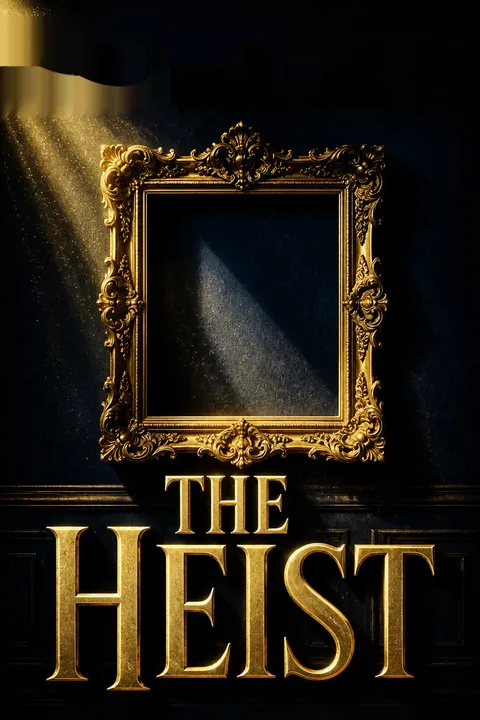

Plot Summary
A Deadly Discovery
Julian Isherwood, a charming but hapless London art dealer, stumbles upon a gruesome murder at a villa on Lake Como. The victim, Jack Bradshaw, is a British expatriate with a shadowy past and a taste for rare art. Isherwood's accidental involvement draws the attention of General Ferrari, head of Italy's Art Squad, who suspects Bradshaw's death is linked to the illicit art trade. To protect Isherwood's reputation and keep his name out of the scandal, Ferrari enlists the help of Gabriel Allon, a legendary Israeli art restorer and spy. The discovery sets off a chain of events that will pull Gabriel from his peaceful life in Venice into a dangerous world of stolen masterpieces, international intrigue, and deadly secrets.
The Restorer's Return
Gabriel Allon, renowned for his dual life as a master art restorer and Israeli intelligence operative, is reluctantly pulled from his sabbatical in Venice. While restoring a Veronese altarpiece and awaiting the birth of twins with his wife Chiara, Gabriel is blackmailed by General Ferrari into investigating Bradshaw's murder. The case is more than a simple homicide; it hints at a vast network of stolen art and international crime. Gabriel's sense of loyalty and justice, as well as his debt to Isherwood, compels him to accept. The emotional weight of leaving his pregnant wife and the lure of unfinished business in the art world set the tone for his journey—a return to the shadows he hoped to leave behind.
Blackmail and Bargains
General Ferrari, a battle-scarred and relentless art cop, uses Isherwood's predicament to coerce Gabriel into action. Ferrari suspects Bradshaw was involved in smuggling stolen art and that his murder was a message from powerful criminals. Gabriel is tasked with uncovering the truth behind Bradshaw's death and the missing art, or risk Isherwood's ruin. The investigation quickly reveals Bradshaw's connections to the criminal underworld and hints at a larger conspiracy involving high-value paintings. Gabriel's expertise in both art and espionage becomes crucial as he navigates a world where perception is reality, and trust is a rare commodity.
Shadows in the Art World
Gabriel's investigation leads him through the labyrinthine art world of Europe, from London to Paris and Amsterdam. He uncovers a sophisticated operation where stolen masterpieces are hidden beneath expertly forged copies, making them nearly impossible to trace. With the help of Maurice Durand, a notorious French art thief, and Yves Morel, a master forger, Gabriel learns that Bradshaw was a middleman in a vast black market. The stakes rise when Morel is found murdered, and the trail points to a missing Caravaggio—one of the most sought-after stolen paintings in the world. The emotional toll mounts as Gabriel realizes the killers are ruthless and the art world's underbelly is darker than he imagined.
Unveiling Hidden Masterpieces
In Bradshaw's villa, Gabriel discovers several masterpieces—by Parmigianino, Renoir, and Klimt—hidden beneath layers of forgery. Using his restorer's skills, he "opens windows" in the paintings, revealing their true identities. The find confirms Bradshaw's role as a high-end fence and suggests a client with insatiable appetite for stolen art. The investigation uncovers links to a shadowy collector, known only as "Mr. Big," who is amassing a secret trove of masterpieces. The emotional resonance of lost art, the pain of cultural theft, and the thrill of discovery drive Gabriel deeper into the mystery, even as the danger intensifies.
The Forger's Secret
The murder of Yves Morel, the forger, signals that the conspiracy is tightening. Gabriel and his allies realize that the forgeries were not just for concealment but part of a laundering process to move stolen art undetected. The trail leads to the Geneva Freeport, a notorious haven for illicit art storage. There, Gabriel finds a "gallery of the missing," confirming the scale of the operation. The emotional impact of Morel's death and the realization that the art world's elite are complicit in these crimes deepen Gabriel's resolve. The search for the missing Caravaggio becomes both a professional and personal quest.
The Caravaggio Connection
Gabriel uncovers evidence that the missing Caravaggio, "Nativity with St. Francis and St. Lawrence," is at the heart of the case. The painting, stolen decades earlier, has become a symbol of loss and obsession in the art world. The investigation reveals that Bradshaw was brokering its sale to a mysterious client with ties to the Middle East. The conspiracy stretches from mafia bosses in Sicily to corrupt bankers in Switzerland and Austria. The emotional stakes are heightened as Gabriel realizes the painting's recovery could redeem not only lost art but also the souls of those ensnared by greed and violence.
The Corsican Pact
To infiltrate the criminal network, Gabriel enlists the help of Don Anton Orsati, a Corsican crime lord, and Christopher Keller, a former British SAS operative turned assassin. Together, they devise a plan to lure "Mr. Big" by orchestrating the theft of another masterpiece—Van Gogh's "Sunflowers." The operation blurs the line between law and crime, forcing Gabriel to rely on the very people he once hunted. The emotional complexity of these alliances—trusting killers and thieves for a noble cause—underscores the moral ambiguity at the heart of the story. Gabriel's leadership and willingness to compromise for the greater good are put to the test.
The Van Gogh Gambit
Gabriel's team successfully steals Van Gogh's "Sunflowers" from the Rijksmuseum in Amsterdam, sending shockwaves through the art world. The theft is a calculated move to draw out the mysterious collector and expose the network behind the Caravaggio's disappearance. Gabriel forges a perfect copy of the Van Gogh, using his restorer's genius to fool even the most discerning eyes. The operation is a high-wire act of deception, risk, and artistry. The emotional tension peaks as Gabriel balances the thrill of the heist with the fear of failure and the burden of responsibility for his team and the art they seek to save.
The Trap Is Set
The bait works: "Mr. Big" sends his agent, Samir, to negotiate for the stolen Van Gogh. Gabriel and Keller orchestrate a complex series of meetings, surveillance, and counter-surveillance across Paris and Germany. The exchange is fraught with danger, as Samir is revealed to be a Syrian intelligence operative. The deal goes awry—Samir is murdered, and the money vanishes into the hands of the Syrian regime. The emotional cost is high: Gabriel's plan nearly unravels, and the realization that the art world's corruption is entwined with global politics and violence becomes painfully clear.
The Syrian Web
Gabriel traces the stolen art and laundered money to a vast financial network controlled by the Syrian ruling family. The investigation exposes the regime's use of art as a vehicle for hiding billions in illicit assets. With the help of Israeli intelligence, Gabriel's team hacks into the network, uncovering accounts across the globe. The operation becomes a race against time as the Syrians close in on Jihan Nawaz, a courageous bank employee and survivor of the Hama massacre, who risks everything to help Gabriel. The emotional resonance of her story—loss, survival, and hope—gives the mission a human face.
The Price of Redemption
As the net tightens, Jihan is captured and tortured by Syrian agents. Gabriel faces an agonizing choice: seize the stolen billions or trade them for Jihan's life. He chooses the latter, orchestrating a daring rescue and negotiating her freedom in exchange for the money. The decision underscores the novel's central theme: the value of a single life outweighs even the greatest fortune. The emotional climax is bittersweet—Gabriel saves Jihan, but the Caravaggio remains elusive, and the world's darkness persists. Redemption is found not in wealth or victory, but in compassion and sacrifice.
The Final Window
In the aftermath, Gabriel returns to Venice to complete the restoration of the Veronese altarpiece, symbolizing healing and renewal. The stolen masterpieces are quietly returned, and the art world breathes a sigh of relief. Jihan begins a new life in exile, her courage honored but her wounds still healing. The Caravaggio is finally found, hidden beneath a forged painting in a small Italian church—a testament to the enduring power of art and the persistence of those who seek the truth. Gabriel, changed by the journey, prepares to return home, knowing that the fight for justice and beauty is never truly over.
Analysis
A modern fable of art, justice, and the cost of doing rightDaniel Silva's The Heist is more than a thriller—it's a meditation on the intersection of beauty and brutality, the fragility of culture, and the moral compromises demanded by a broken world. Through the lens of art crime, Silva explores how power corrupts, how beauty is commodified, and how individuals must navigate the gray spaces between law and justice. The novel's emotional arc is driven by loss and redemption: Gabriel's haunted past, Jihan's survival, and the sacrifices made for a single life. The use of art restoration as both metaphor and method elevates the story, reminding readers that beneath every scar lies the possibility of renewal. In an age of cynicism and greed, The Heist argues that true value lies not in wealth or victory, but in the courage to save what is irreplaceable—be it a masterpiece, a life, or a fragment of hope. The lessons are clear: justice is messy, beauty is worth fighting for, and sometimes, the greatest heist is the one that restores what was lost.
Review Summary
The Heist receives mixed reviews averaging 4.19/5 stars. Most readers praise Daniel Silva's complex plotting, art world expertise, and connections to current events, particularly the Syrian conflict. Gabriel Allon's mission to recover a stolen Caravaggio while investigating art theft networks impresses many fans. However, some find the series formulaic and this installment predictable, with criticism aimed at the abrupt ending and shift from art heist to political thriller. Long-time fans appreciate the returning characters and Silva's research, though several note declining quality in the series.
People Also Read
Characters
Gabriel Allon
Gabriel Allon is the novel's protagonist, a master art restorer and legendary Israeli intelligence operative. Torn between his desire for a peaceful life with his wife Chiara and his sense of duty, Gabriel is drawn back into the world of espionage by loyalty and blackmail. Psychologically, Gabriel is marked by loss—his first wife and son were killed in a terrorist attack—and by a deep sense of responsibility for those he loves and the art he restores. Throughout the story, he navigates moral ambiguity, forming uneasy alliances with criminals and risking everything for justice. His journey is one of redemption, sacrifice, and the search for meaning in a world scarred by violence and greed.
Chiara Allon
Chiara, Gabriel's wife, is a former Israeli intelligence agent herself, now pregnant with twins. She is fiercely intelligent, independent, and supportive, serving as Gabriel's confidante and emotional anchor. Chiara's presence grounds Gabriel, reminding him of the life he longs for beyond espionage. Her pregnancy heightens the stakes, making Gabriel's choices more fraught and personal. Psychologically, Chiara embodies resilience and hope, balancing the dangers of their world with the promise of new beginnings. Her relationship with Gabriel is marked by deep love, mutual respect, and the shared scars of their pasts.
Julian Isherwood
Julian Isherwood is a quintessential English art dealer—eccentric, witty, and perpetually unlucky. His discovery of Bradshaw's body sets the plot in motion, and his connections in the art world prove invaluable to Gabriel. Isherwood is loyal, decent, and often comic relief, but beneath his affable exterior lies a man haunted by missed opportunities and the fading glory of his profession. His friendship with Gabriel is built on trust and shared secrets, and his willingness to risk his reputation for the greater good reveals unexpected courage.
General Cesare Ferrari
General Ferrari, head of Italy's Art Squad, is a formidable figure—physically scarred, emotionally hardened, and utterly dedicated to recovering stolen art. He is both ally and antagonist, using blackmail to force Gabriel's involvement. Ferrari's methods are pragmatic, often ruthless, but his passion for art and justice is genuine. Psychologically, he is driven by a sense of mission and the knowledge that the world he protects is under constant threat. His relationship with Gabriel is complex—marked by mutual respect, manipulation, and the shared burden of impossible choices.
Christopher Keller
Christopher Keller is a former British SAS operative presumed dead, now working as a contract killer for a Corsican crime family. Keller is lethal, disciplined, and haunted by the life he left behind. His partnership with Gabriel is built on mutual respect and shared experience in the shadows. Psychologically, Keller is torn between his violent profession and a longing for redemption. His dry wit and loyalty make him a valuable ally, and his willingness to risk everything for Gabriel hints at a deeper desire for meaning and connection.
Don Anton Orsati
Don Orsati is the head of a powerful Corsican clan, blending old-world honor with modern criminal enterprise. He is shrewd, ruthless, and surprisingly philosophical, viewing his work as a necessary evil. Orsati's alliance with Gabriel is transactional but evolves into genuine respect. Psychologically, he is a man shaped by tradition, violence, and the changing tides of power. His code of loyalty and his willingness to bend the rules for Gabriel highlight the blurred lines between law and crime in the pursuit of a greater good.
Maurice Durand
Maurice Durand is a meticulous, sophisticated French art thief who operates at the highest levels of the black market. He is both adversary and collaborator, providing Gabriel with crucial insights into the world of stolen art. Durand is motivated by profit, reputation, and the thrill of the game, but he also possesses a certain code of honor. Psychologically, he is a survivor—adaptable, cunning, and always calculating the odds. His relationship with Gabriel is marked by wary respect and the recognition that sometimes, only a thief can catch a thief.
Jihan Nawaz
Jihan is a Syrian-born bank employee in Austria, the sole survivor of her family's massacre in Hama. Intelligent, resourceful, and courageous, she becomes the key to unraveling the Syrian regime's financial web. Jihan's trauma and resilience are central to her character—she is haunted by loss but driven by a desire for justice and a better future. Her alliance with Gabriel is built on trust, shared pain, and the hope that her suffering can lead to something greater. Psychologically, Jihan embodies the cost of tyranny and the power of individual courage in the face of overwhelming odds.
Waleed al-Siddiqi
Waleed al-Siddiqi is a Syrian-born banker in Linz, Austria, managing the hidden wealth of the Assad regime. He is suave, secretive, and utterly amoral, motivated by self-preservation and greed. Al-Siddiqi's paranoia and ruthlessness make him a formidable adversary, but his reliance on others—especially Jihan—proves his undoing. Psychologically, he is a man trapped by his own machinations, always looking over his shoulder, and ultimately betrayed by the very system he serves.
Jack Bradshaw
Jack Bradshaw is a former British intelligence officer turned art smuggler, whose murder ignites the novel's events. Bradshaw is a man of secrets, regret, and longing for redemption. His past—marked by betrayal, lost love, and moral compromise—mirrors the novel's themes of guilt and atonement. Psychologically, Bradshaw is both victim and perpetrator, seeking absolution through his final acts. His legacy haunts Gabriel and serves as a cautionary tale about the costs of living in the shadows.
Plot Devices
Duality of Art and Espionage
The novel's structure intertwines the meticulous craft of art restoration with the high-stakes world of espionage. Gabriel's skills as a restorer—uncovering hidden layers, revealing lost beauty—serve as both metaphor and method for his investigation. The narrative uses "opening windows" in paintings as a device to parallel the uncovering of secrets and the restoration of justice. This duality deepens the emotional resonance and underscores the theme that beneath every surface lies a hidden story.
False Identities and Deception
Characters frequently assume false identities—spies, thieves, forgers, and even art itself. The use of forged paintings to conceal stolen masterpieces is mirrored by the characters' own duplicity. The plot is driven by deception: Gabriel's undercover operations, the bait-and-switch of the Van Gogh, and the manipulation of allies and enemies alike. This device heightens suspense and explores the psychological cost of living behind masks.
Moral Ambiguity and Sacrifice
The story constantly blurs the line between right and wrong. Gabriel allies with criminals, orchestrates thefts, and makes deals with killers—all in pursuit of a greater good. The ultimate sacrifice—trading billions for a single life—forces characters and readers to confront the true price of redemption. The narrative structure uses these moral dilemmas to build tension and deepen character development, culminating in choices that define the story's emotional core.
Global Conspiracy and Political Intrigue
The plot expands from a single murder to a global conspiracy involving mafia, corrupt bankers, and the Syrian regime. The use of art as a vehicle for money laundering and political power reflects real-world issues of corruption, war, and the abuse of culture. Foreshadowing and parallel storylines—such as the fate of Jihan and the search for the Caravaggio—create a tapestry of interconnected threats and alliances, driving the narrative toward its high-stakes climax.
Restoration as Redemption
The motif of restoration—of art, lives, and souls—runs throughout the novel. Gabriel's work on the Veronese altarpiece symbolizes the possibility of healing and renewal, even after unimaginable loss. The recovery of stolen masterpieces and the rescue of Jihan serve as acts of redemption, offering hope in a world scarred by violence and greed. The narrative structure uses these moments to provide emotional catharsis and to suggest that, while justice may be imperfect, beauty and compassion endure.
Gabriel Allon Series

About the Author
Other books by Daniel Silva


Download PDF
Download EPUB
.epub digital book format is ideal for reading ebooks on phones, tablets, and e-readers.








































