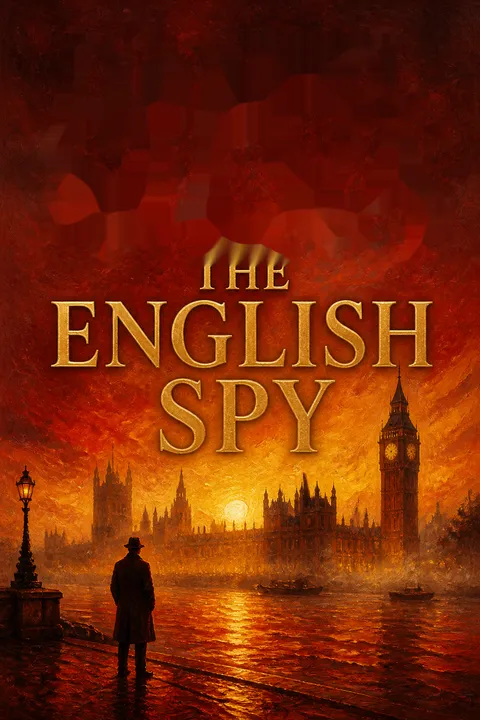

Summary Temporarily Unavailable
This summary is temporarily unavailable and is currently being updated. You can still explore the FAQs and other metadata below.
Plot Summary
Princess Lost at Sea
The world is shaken when a beloved British princess, modeled after Diana, is killed in a mysterious yacht explosion in the Caribbean. The event is not an accident but a meticulously planned assassination, executed by a shadowy figure posing as a chef. The loss devastates the public and royal family, igniting a media frenzy and conspiracy theories. Intelligence agencies scramble to uncover the truth, suspecting foul play. The princess's death is the catalyst that draws master spy Gabriel Allon out of semi-retirement, setting in motion a hunt for the elusive assassin and the forces behind the plot. The emotional weight of the loss reverberates through every character, fueling a quest for justice and revenge.
The Bomb Maker's Trail
Investigators trace the assassin's path, discovering he is Eamon Quinn, a legendary Irish bomb maker with ties to the Real IRA and international terror networks. Quinn's skills are for hire, and his past is littered with atrocities, including the Omagh bombing. Gabriel Allon, haunted by his own losses, is drawn into the pursuit, joined by British and Israeli intelligence. The search reveals Quinn's connections to state actors, including Iran and Russia, and his ability to vanish into the criminal underworld. The emotional tension mounts as Gabriel realizes the assassin is not just a hired gun but a man with personal vendettas and unfinished business.
Shadows Over London
As the investigation intensifies, London becomes the next target. A car bomb explodes on Brompton Road, killing dozens and wounding hundreds, including women and children. Gabriel and his ally Christopher Keller desperately try to save lives, but the devastation is immense. The attack is Quinn's signature, taunting Gabriel with a cryptic message. The city is gripped by fear and anger, and the intelligence community is thrown into turmoil. The emotional impact is profound, as Gabriel is nearly killed and forced to fake his own death, plunging his loved ones into grief and confusion.
The Spy's Reluctant Return
Despite longing for peace and family, Gabriel cannot ignore the call to action. His wife Chiara, pregnant with twins, pleads for his safety, but duty prevails. Gabriel's return to the field is marked by old alliances and new betrayals. He partners with Keller, a former SAS assassin turned Corsican hitman, whose own past is entwined with Quinn's. Together, they navigate a world of shifting loyalties, haunted by personal losses and the ghosts of past operations. The emotional stakes are heightened by Gabriel's internal struggle between his roles as a father, husband, and avenger.
Ghosts of Omagh
The hunt for Quinn leads Gabriel and Keller deep into the history of the Troubles, revisiting the Omagh bombing and the legacy of Irish republican violence. They interrogate former associates, uncovering the moral ambiguities of intelligence work—sacrificing lives to protect sources, and the cost of betrayal. The emotional scars of Omagh are laid bare, as survivors and perpetrators alike are haunted by guilt and loss. Gabriel and Keller confront the reality that the past is never truly buried, and that vengeance often perpetuates the cycle of violence.
The Assassin's Confession
Keller reveals his undercover work in Belfast, his doomed love for an IRA commander's daughter, and his own near-death at Quinn's hands. The confession is raw and painful, exposing the psychological toll of living a double life and the trauma of betrayal. Keller's transformation from soldier to assassin is rooted in loss and exile, mirroring Gabriel's own journey. Their partnership is forged in shared pain and a mutual desire for redemption. The emotional resonance is deepened by the realization that their enemies are reflections of themselves—broken men shaped by war.
Dublin's Underworld Ties
The investigation uncovers the Real IRA's evolution into a criminal enterprise, entwined with Dublin's drug gangs. Gabriel and Keller abduct and interrogate Liam Walsh, a key figure in the underworld, using psychological and physical pressure to extract information. The scenes are tense and morally fraught, highlighting the blurred boundaries between justice and brutality. The emotional cost is evident as Gabriel and Keller grapple with the consequences of their actions, questioning whether the ends justify the means.
Bandit Country Beckons
The trail leads to Bandit Country, the lawless borderlands of South Armagh, where Quinn's roots run deep. The landscape is haunted by the ghosts of the Troubles, and the local code of silence protects old warriors. Gabriel and Keller must navigate a web of informants, double agents, and old grudges. The emotional atmosphere is thick with suspicion, nostalgia, and the ever-present threat of violence. The past and present collide as the hunters become the hunted, and the line between friend and foe blurs.
The Russian Connection
The plot widens to reveal Russian intelligence orchestrating events behind the scenes, using Quinn as a deniable asset to destabilize the West and settle old scores. The SVR's Alexei Rozanov emerges as a puppet master, exploiting the chaos for geopolitical gain. Gabriel's investigation uncovers a Russian mole inside MI6, deepening the sense of paranoia and betrayal. The emotional stakes rise as Gabriel realizes he is not just fighting terrorists, but a global conspiracy with personal vendettas at its core.
The Lisbon Deception
Lisbon becomes the stage for a high-stakes game of cat and mouse. Gabriel, Keller, and their team stake out a safe house, watching for Quinn and his Russian accomplice, Katerina. The tension is palpable as they struggle with fatigue, doubt, and the fear of being outmaneuvered. The emotional toll of constant vigilance and the burden of leadership weigh heavily on Gabriel. The city's beauty contrasts with the darkness of the mission, underscoring the cost of living in the shadows.
The Brompton Road Inferno
The narrative reaches a fever pitch as Quinn and Katerina unleash a devastating car bomb in London, targeting Gabriel and Keller but killing innocents instead. The attack is both a personal and public tragedy, forcing Gabriel to confront his own mortality and the limits of his power. The emotional aftermath is one of grief, rage, and a renewed determination to bring the perpetrators to justice. The city mourns, and the intelligence community is rocked by scandal and self-doubt.
Death and Resurrection
In a daring move, Gabriel allows the world to believe he is dead, using the ruse to operate in the shadows and flush out his enemies. The emotional impact on his family and colleagues is profound, as they grieve his loss while he wages a secret war. Gabriel's resurrection is both literal and symbolic—a return from the brink, driven by love, duty, and the need for closure. The theme of rebirth runs through the chapter, as Gabriel prepares for the final confrontation.
The Hunt for Quinn
The chase for Quinn spans continents, from Vienna to Hamburg, as Gabriel and his team close in on the bomb maker and his Russian handler. The operation is a masterclass in tradecraft, deception, and psychological warfare. The emotional stakes are heightened by the knowledge that every move could be their last, and that the enemy is always one step ahead. The pursuit is relentless, fueled by the desire for justice and the need to prevent further bloodshed.
Crossmaglen's Bloody Reckoning
The climax unfolds in the green hills of South Armagh, where old scores are settled in a brutal firefight. Gabriel and Keller, outnumbered and outgunned, rely on skill, luck, and the help of unexpected allies. The violence is raw and unflinching, but so is the sense of catharsis. The emotional resolution is bittersweet—victory comes at a cost, and the cycle of vengeance is never truly broken. The ghosts of the past are laid to rest, but new wounds are opened.
Homecoming and Farewell
With the mission complete, Gabriel returns home to Jerusalem, reuniting with Chiara and welcoming the birth of their twins. The emotional arc comes full circle, from loss and exile to restoration and hope. Keller, too, finds a measure of redemption, reconnecting with his estranged family and embracing a new life as an English spy. The farewells are poignant, marked by gratitude, regret, and the knowledge that peace is always temporary in their world.
The Chief's Last Restoration
Gabriel's final act is not one of violence, but of creation—restoring a nursery for his children, painting clouds and angels as a tribute to the family he lost and the future he hopes to build. The emotional resonance is profound, as Gabriel seeks healing through art and love. The theme of restoration—of paintings, lives, and relationships—underscores the possibility of redemption, even in a world scarred by betrayal and loss.
The Children of War
The birth of Gabriel's twins symbolizes hope amid chaos, but also the burden of legacy. The children are born into a world still at war, their father a legend and a target. The emotional complexity of parenthood, especially for those who have lost so much, is explored with tenderness and honesty. The chapter ends with a sense of guarded optimism, as Gabriel vows to protect his family and continue the fight for a better world.
Vengeance in Buenos Aires
The epilogue finds Keller tracking Quinn to Argentina, where he finally exacts revenge for old betrayals and the deaths of loved ones. The confrontation is swift and merciless, a fitting end for a man who lived by the sword. The emotional release is palpable, but so is the lingering sense of emptiness. The cycle of violence is complete, and the survivors are left to pick up the pieces and search for meaning in the aftermath.
Analysis
A meditation on vengeance, legacy, and the cost of secretsThe English Spy is more than a thriller; it is a reflection on the personal and political consequences of violence, betrayal, and the pursuit of justice. Daniel Silva uses the conventions of the spy genre to explore the psychological scars left by war, the moral ambiguities of intelligence work, and the longing for redemption. The novel's structure—interweaving past and present, action and introspection—mirrors the fractured identities of its characters, who are forever shaped by loss and the need to restore what has been broken. The lessons are clear: vengeance perpetuates suffering, secrets corrode trust, and the line between hero and villain is often blurred. Yet, amid the darkness, Silva offers hope in the form of love, art, and the possibility of new beginnings. The birth of Gabriel's children, the restoration of Keller's family, and the final act of forgiveness suggest that healing is possible, even in a world defined by conflict. The English Spy is a cautionary tale for the modern age, warning of the dangers of unchecked power, the persistence of old hatreds, and the necessity of confronting the past to build a better future.
Last updated:
Report IssueReview Summary
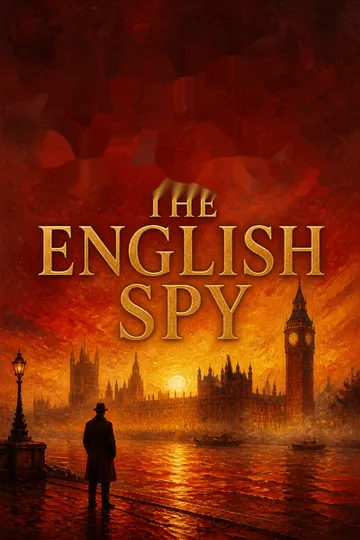
The English Spy, the 15th book in Daniel Silva's Gabriel Allon series, receives largely positive reviews with a 4.22/5 rating. Readers praise the fast-paced, well-crafted espionage thriller featuring Israeli spy Gabriel Allon hunting Irish bomb-maker Eamon Quinn alongside British assassin Christopher Keller. The story involves a murdered princess, IRA connections, and multiple international locations. Reviewers appreciate Silva's authentic portrayal of spycraft, complex characters, and prescient political commentary. Some criticize excessive backstory, political elements, or violence. Most agree Silva's excellent writing keeps readers engaged, though a few found the Irish setting and emphasis on "the Troubles" less compelling than typical Middle Eastern plots.
People Also Read






Characters
Gabriel Allon
Gabriel is the heart of the novel—a legendary Israeli spy and art restorer, forever marked by personal tragedy and the burdens of leadership. His psyche is a battleground of grief, guilt, and duty, torn between the desire for peace and the compulsion to fight evil. Gabriel's relationships—with his wife Chiara, his lost son Dani, and his team—are fraught with love and loss. His journey is one of continual resurrection, each mission a test of his humanity. As he faces old enemies and new betrayals, Gabriel's resilience and capacity for forgiveness are tested, but his core remains unbroken—a man who seeks to restore what war has shattered.
Christopher Keller
Keller is a former SAS commando turned Corsican hitman, whose life is defined by betrayal, loss, and the search for belonging. His undercover work in Belfast and doomed romance with an IRA commander's daughter left him scarred and adrift. Keller's partnership with Gabriel is built on mutual respect and shared trauma, each man seeing in the other a reflection of his own wounds. Keller's journey from killer to spy is a quest for redemption, culminating in a final act of vengeance that brings closure but not peace. His psychological complexity lies in his struggle to reconcile violence with loyalty, and exile with the longing for home.
Eamon Quinn
Quinn is the novel's central antagonist—a legendary Irish terrorist whose skills are for sale to the highest bidder. His psyche is shaped by the violence of the Troubles, personal loss, and a relentless drive for retribution. Quinn's alliances with state actors like Iran and Russia make him a global threat, but his motivations are deeply personal. He is both hunter and hunted, haunted by ghosts and driven by a need to settle old scores. Quinn's ultimate fate is a testament to the destructive power of vengeance and the impossibility of escaping one's past.
Chiara Allon
Chiara is Gabriel's emotional center—a woman of strength, intelligence, and unwavering love. Her pregnancy with twins adds urgency and vulnerability to Gabriel's mission, highlighting the tension between family and duty. Chiara's resilience is tested by Gabriel's absences and the constant threat of violence, but her faith in him never wavers. She represents the possibility of healing and new beginnings, even as the world around her remains perilous.
Katerina Akulova
Katerina is a product of Soviet espionage—a woman raised in a KGB orphanage, trained to be a weapon, and ultimately discarded by her masters. Her relationship with Madeline Hart is fraught with nostalgia, envy, and regret, as both women grapple with the legacies of their upbringing. Katerina's loyalty is transactional, her identity fractured by years of deception. Her death is both a release and a warning—a reminder of the human cost of state-sponsored violence.
Madeline Hart
Madeline is the princess's echo—a woman manipulated by powers beyond her control, seeking agency in a world of secrets. Her defection from Russia and subsequent abduction by Quinn and Katerina force her to confront her past and the choices that shaped her. Madeline's resilience and courage are tested, but she emerges as a survivor, determined to reclaim her life. Her relationship with Gabriel is one of mutual respect and shared pain.
Graham Seymour
Seymour is the embodiment of the intelligence establishment—cunning, principled, and haunted by past mistakes. His role in the Omagh bombing and the recruitment of Keller and Gabriel is marked by moral ambiguity and the weight of responsibility. Seymour's leadership is tested by betrayal within MI6 and the machinations of Russian intelligence. His psychological depth lies in his ability to adapt, forgive, and trust in the face of overwhelming odds.
Amanda Wallace
Amanda is Seymour's counterpart—a formidable leader navigating the treacherous waters of British intelligence. Her rivalry with Seymour is both personal and professional, reflecting the broader tensions between MI5 and MI6. Amanda's pragmatism and ambition are balanced by a genuine commitment to national security. Her character highlights the challenges of leadership in a world where trust is scarce and betrayal is commonplace.
Alexei Rozanov
Rozanov is the SVR's architect of mayhem—a man who manipulates events from the shadows, exploiting the weaknesses of his enemies. His relationship with Quinn and Katerina is transactional, his loyalty only to power. Rozanov's psychological profile is one of detachment, calculation, and a willingness to sacrifice anyone for the greater goal. His downfall is a result of underestimating his adversaries and overreaching in his ambitions.
Arthur Grimes
Grimes is the hidden traitor within MI6, his actions motivated by personal weakness and exploitation by Russian intelligence. His suicide is both an admission of guilt and an escape from accountability. Grimes's character serves as a cautionary tale about the vulnerabilities of those entrusted with secrets, and the corrosive effects of living a double life.
Plot Devices
Dual Timelines and Interwoven Backstories
The narrative structure alternates between present-day action and the characters' formative experiences—Gabriel's losses, Keller's undercover work, Quinn's radicalization. This device deepens emotional resonance, allowing readers to understand motivations and the cyclical nature of violence. The interplay of past and present creates suspense and empathy, blurring the line between hero and villain.
False Identities and Deception
Characters constantly assume new identities—Gabriel fakes his death, Keller lives as a Corsican, Katerina poses as a tourist. These deceptions are both tactical and psychological, reflecting the instability of self in the world of espionage. The motif of hidden truths and double lives underscores the novel's themes of trust, betrayal, and the search for authenticity.
Foreshadowing and Symbolism
The novel is rich in foreshadowing—references to past bombings, the symbolism of art restoration, the cyclical nature of revenge. Objects like watches, paintings, and scars serve as reminders of what has been lost and what is at stake. The use of literary and historical allusions (e.g., "the bricks are in the wall") adds layers of meaning and tension.
Ensemble Cast and Shifting Perspectives
The story is told through the eyes of spies, assassins, victims, and masterminds, each with their own agenda and emotional arc. This device allows for a nuanced exploration of the moral ambiguities of espionage, the cost of loyalty, and the universality of grief and longing.
High-Stakes Set Pieces and Ticking Clocks
The plot is punctuated by explosive set pieces—the yacht bombing, the London car bomb, the firefight in Crossmaglen—each with a ticking clock and escalating stakes. These sequences are meticulously constructed, blending action with psychological tension. The constant threat of betrayal and the race against time keep readers on edge.
Gabriel Allon Series











About the Author
Daniel Silva was born in Michigan in 1960 and raised in California, earning his BA from Fresno State. He began his career as a journalist for United Press International, covering Middle Eastern conflicts including the Iran-Iraq war, terrorism, and political tensions. Silva later joined CNN, becoming executive producer of Washington-based public policy programming. In 1994, he published his debut novel, The Unlikely Spy, which became a surprise bestseller and earned critical acclaim. Since turning to full-time writing in 1997, all his books have achieved New York Times bestseller status, been translated into 25 languages, and published worldwide. He currently resides in Washington, D.C., and has written two series: Michael Osbourne and Gabriel Allon.
Other books by Daniel Silva


Download PDF
Download EPUB
.epub digital book format is ideal for reading ebooks on phones, tablets, and e-readers.








































