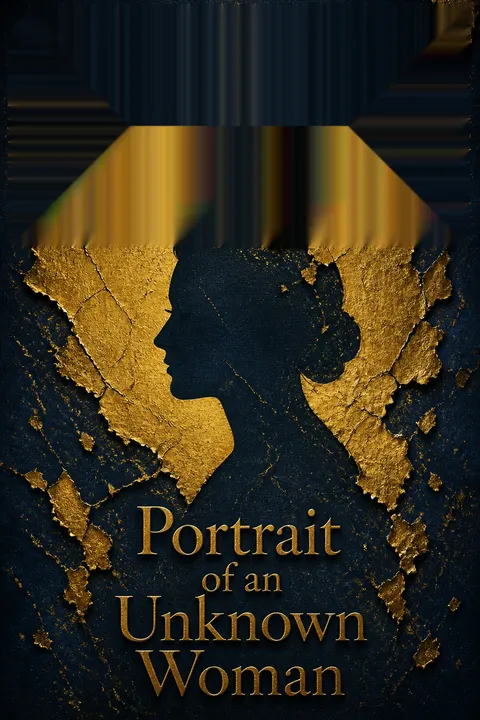
Plot Summary
1. A Letter in the Rain
Julian Isherwood, a charming but aging London art dealer, receives a handwritten letter from Madame Valerie Bérrangar, hinting at legal and ethical concerns about a recent multimillion-pound sale of a Van Dyck painting. Despite initial skepticism and the comic interjections of his ex-CIA assistant Sarah, Julian is drawn to Bordeaux to meet the enigmatic Madame Bérrangar. The letter, with its elegant script and ambiguous tone, stirs not only professional anxiety but also personal memories of Julian's family's wartime trauma and the art world's shadowy past. The journey, meant to be a brief escape from London's gloom, quickly becomes a catalyst for a much larger and more dangerous investigation, as Julian is soon targeted by unknown assailants and left with more questions than answers.
2. Venetian Respite and Shadows
Gabriel Allon, legendary Israeli spy and master art restorer, has retired to Venice with his wife Chiara and their twins, seeking peace after a lifetime of violence. Venice, with its art, canals, and gentle routines, offers Gabriel a chance to heal and rediscover himself. Yet, the city's beauty is tinged with melancholy, and Gabriel's past is never far behind. When Julian arrives in Venice, battered and anxious after his Bordeaux ordeal, Gabriel is reluctantly pulled back into the world of intrigue. The two friends' reunion at Harry's Bar is laced with humor, nostalgia, and the first hints of a new mystery—one that will test Gabriel's skills as both a restorer and a detective.
3. The Van Dyck Dilemma
Julian reveals to Gabriel the details of the Van Dyck sale and the troubling events in Bordeaux, including Madame Bérrangar's fatal accident and the attempted theft of his briefcase. Gabriel's curiosity is piqued by the painting's provenance and the oddities in its surface craquelure. As they retrace the painting's journey from a Parisian gallery to London, and then to a hedge fund's vault, the stakes become clear: the painting may be a forgery, and powerful interests are willing to kill to keep the truth hidden. Gabriel's expertise in art restoration becomes his weapon, as he begins to unravel the layers of deception surrounding the "Portrait of an Unknown Woman."
4. A Fatal French Connection
Gabriel travels to Bordeaux, where he meets Juliette Lagarde, Madame Bérrangar's daughter, and discovers a second, nearly identical painting in the family villa. The existence of two "Portrait of an Unknown Woman" canvases, both linked to the same Parisian dealer decades apart, confirms Gabriel's suspicions of forgery. The investigation takes on a personal dimension as Gabriel uncovers evidence that Madame Bérrangar's death was no accident but a calculated murder. The art world's veneer of civility is stripped away, revealing a ruthless underbelly where greed, fraud, and violence intersect.
5. The Art Squad's Watchful Eye
Back in Venice, Gabriel is confronted by General Ferrari of the Italian Art Squad, who warns him about the dangers of meddling in international art crime. The Art Squad's surveillance and the attempted attack on Gabriel by a young officer underscore the high stakes and the tangled web of law enforcement, criminals, and art dealers. Gabriel's relationship with the authorities is fraught but essential, as he navigates between official investigations and his own clandestine methods. The chapter highlights the global nature of art crime and the thin line between protector and perpetrator.
6. Doubles and Deceptions
Gabriel's forensic analysis of the paintings reveals the technical brilliance of the forger, who not only mimics the Old Masters but also artificially ages and damages his works to deceive even the most seasoned experts. The investigation expands to include a network of galleries, dealers, and intermediaries across Europe, each complicit in the circulation of fakes. Gabriel's encounters with Maurice Durand, a notorious French art thief, and other underworld figures expose the sophisticated machinery behind the forgery ring. The boundaries between original and copy, truth and lie, become increasingly blurred.
7. The Copycat's Canvas
The trail leads Gabriel and his allies to the Lubéron, where they uncover the story of Lucien Marchand, a failed painter turned prolific forger, and his partner Françoise Vionnet. Through interviews and the destruction of remaining fakes, Gabriel pieces together the forger's techniques and the role of front women in laundering the works. The network's reach is vast, and its ability to adapt and survive is formidable. The emotional toll of the investigation is felt by all, as personal histories and professional reputations hang in the balance.
8. The Parisian Web
The focus shifts to Paris, where Gabriel orchestrates a sting operation involving fake masterpieces, complicit dealers, and a high-stakes game of cat and mouse. The bombing of Galerie Fleury and the murder of its owner mark a turning point, as the criminal network moves to cover its tracks. Gabriel's collaboration with French detective Jacques Ménard is both uneasy and productive, as they navigate bureaucratic obstacles and political pressures. The art world's complicity in the fraud is laid bare, and the investigation becomes a race against time to prevent further violence and loss.
9. The Forger's Network
Gabriel's pursuit of the forger and his protectors takes him across Europe, from Corsica to Berlin, Florence, and beyond. With the help of old friends and new allies—including the Corsican don Anton Orsati and undercover officers—Gabriel sets a trap for the network's front woman, Magdalena Navarro. The operation is a masterclass in deception, with Gabriel forging his own masterpieces to lure the criminals into the open. The interplay of art, crime, and espionage reaches its zenith, as the lines between hunter and hunted blur.
10. The Spanish Woman's Secret
Captured in Italy, Magdalena Navarro reveals her history as a talented artist, drug dealer, and the key broker for the forgery network. Her confession details the rise of Masterpiece Art Ventures, the hedge fund built on fake art, and her relationship with its founder, Phillip Somerset. The narrative shifts from the technicalities of forgery to the psychology of manipulation, ambition, and betrayal. Magdalena's story is both a cautionary tale and a window into the vulnerabilities of the art world and its gatekeepers.
11. The Masterpiece Unravels
With Magdalena's cooperation, Gabriel engineers the downfall of Masterpiece Art Ventures. A coordinated media exposé, investor panic, and law enforcement raids bring the scheme crashing down. The fallout is global: investors lose fortunes, museums and collectors question their treasures, and the reputations of experts and institutions are shattered. The forger's identity remains elusive, but the network's infrastructure is dismantled. The emotional and ethical consequences ripple outward, affecting all who were touched by the deception.
12. The Fall of Somerset
Phillip Somerset's desperate flight from justice ends in violence and death, as his wife Lindsay, pushed to the brink, kills him in a dramatic confrontation. Magdalena, aided by Gabriel and Sarah, narrowly escapes the clutches of the network's enforcers. The story's climax is both thrilling and poignant, as the personal costs of the investigation become clear. The art world is left to reckon with its own complicity, and the survivors must find a way to move forward.
13. Aftermath and Unmasking
In the wake of the scandal, Gabriel and his friends reflect on the meaning of authenticity, the allure of forgery, and the fragility of trust. The true identity of the forger is hinted at but never fully revealed, leaving the mystery intact. Magdalena, now free from her past, begins a new life as an artist, while Gabriel returns to Venice, changed but not defeated. The art world, chastened but unrepentant, resumes its eternal dance between beauty and deception.
14. The Art World's Reckoning
The final chapter explores the broader implications of the scandal: the vulnerability of the art market, the limitations of expertise, and the enduring power of illusion. Gabriel's journey comes full circle, as he balances his roles as restorer, detective, and family man. The story ends with a sense of hard-won wisdom and the recognition that, in art as in life, the line between truth and falsehood is always shifting. The legacy of the unknown woman's portrait endures, a symbol of both the dangers and the wonders of human creativity.
Analysis
A modern fable of authenticity, greed, and redemptionPortrait of an Unknown Woman is both a gripping thriller and a meditation on the nature of art, truth, and human fallibility. Daniel Silva uses the world of high-stakes art dealing as a microcosm for broader societal anxieties: the erosion of trust, the commodification of beauty, and the seductive power of illusion. The novel interrogates the boundaries between genius and fraud, victim and perpetrator, and asks whether redemption is possible for those who have lost their way. Through Gabriel Allon's journey, the story explores the costs of obsession, the fragility of reputation, and the enduring need for connection and meaning. The collapse of Masterpiece Art Ventures is not just the downfall of a criminal enterprise but a reckoning for an entire culture that prizes appearance over substance. In the end, the novel suggests that while truth may be elusive and beauty easily faked, the search for authenticity—both in art and in life—is what gives our stories their lasting value.
Review Summary
Portrait of an Unknown Woman, the 22nd Gabriel Allon novel, receives mixed reviews averaging 4.23 stars. Many readers praise the art forgery plot, sophisticated storytelling, and Gabriel's retirement arc, calling it fresh and engaging. Art lovers particularly appreciate the detailed restoration descriptions and insider view of art world fraud. However, critics cite political commentary, slower pacing compared to earlier espionage thrillers, lack of Gabriel's full intelligence team, and a weaker villain as disappointments. Some long-time fans feel the series has lost its edge, while others celebrate Silva's ability to reinvent his protagonist after 22 books.
People Also Read




Characters
Gabriel Allon
Gabriel is a world-weary former Israeli intelligence chief and a master art restorer, seeking peace in Venice after a lifetime of violence. His psyche is marked by loss, trauma, and a longing for redemption. Gabriel's relationships—with his wife Chiara, his children, and his old friends—anchor him, but he is perpetually drawn back into the shadows by his sense of justice and his unique skills. Throughout the story, Gabriel's dual identity as artist and spy allows him to navigate both the beauty and the darkness of the art world. His journey is one of self-discovery, as he confronts not only external threats but also his own capacity for deception and forgiveness.
Julian Isherwood
Julian is an affable, eccentric London art dealer whose life is upended by a mysterious letter and a dangerous forgery scandal. Loyal, witty, and somewhat bumbling, Julian serves as both comic relief and emotional anchor. His past, shaped by family tragedy and the legacy of war, gives him depth and vulnerability. Julian's trust in Gabriel and Sarah is unwavering, but his naiveté makes him a target for manipulation. Over the course of the novel, Julian is forced to confront the darker realities of his profession and the limits of his own expertise.
Sarah Bancroft
Sarah is a former CIA officer turned art dealer, whose intelligence, resourcefulness, and moral clarity make her indispensable to Gabriel's investigation. Her marriage to another ex-spy adds layers of complexity and humor to her character. Sarah's professional acumen is matched by her emotional intelligence, as she navigates the treacherous waters of the art market and her own personal loyalties. She is both a confidante and a catalyst, pushing Gabriel to act and providing the practical support needed to unravel the forgery ring.
Chiara Allon
Chiara, Gabriel's wife, is a former intelligence operative and the daughter of Venice's chief rabbi. She is fiercely intelligent, pragmatic, and loving, providing Gabriel with stability and perspective. Chiara's own experiences with trauma and loss mirror Gabriel's, creating a deep bond between them. Her role as mother and manager of a restoration company allows her to straddle the worlds of family and art, and her counsel is often the voice of reason amid chaos.
Magdalena Navarro
Magdalena is a complex, tragic figure—a gifted painter whose life is derailed by circumstance, addiction, and the manipulations of others. Her journey from art student to drug dealer to the key broker in a global forgery network is marked by ambition, vulnerability, and a desperate search for identity. Magdalena's confession and eventual cooperation with Gabriel reveal her capacity for both deception and redemption. Her psychological depth and moral ambiguity make her one of the novel's most compelling characters.
Phillip Somerset
Phillip is the founder of Masterpiece Art Ventures, a hedge fund built on lies, manipulation, and forged art. Outwardly charming and sophisticated, he is, at his core, a sociopath driven by greed and a need for control. Phillip's relationships—with Magdalena, his wife Lindsay, and his investors—are transactional and exploitative. His downfall is both inevitable and tragic, as his empire collapses under the weight of its own deceit.
General Cesare Ferrari
General Ferrari leads the Italian Art Squad with a mix of old-world gravitas and pragmatic cunning. He is both ally and adversary to Gabriel, enforcing the law while recognizing the limitations of official channels. Ferrari's personal history, marked by sacrifice and loss, informs his commitment to justice. His interactions with Gabriel are laced with mutual respect, rivalry, and a shared understanding of the art world's complexities.
Luca Rossetti
Rossetti is a capable but inexperienced Carabinieri officer who becomes Gabriel's undercover operative. His journey from surveillance artist to key player in the sting operation mirrors the novel's themes of apprenticeship, risk, and transformation. Rossetti's loyalty, adaptability, and willingness to learn make him a valuable asset, while his brushes with danger test his resolve and character.
Françoise Vionnet
Françoise is the partner of Lucien Marchand, the forger, and serves as his front woman in the art market. Her motivations are a blend of love, survival, and ambition. Françoise's interactions with Gabriel reveal her intelligence, pragmatism, and capacity for self-preservation. She is both victim and perpetrator, caught in the web of crime and deception that defines the novel's world.
Aiden Gallagher
Gallagher is a renowned art researcher and scientist, whose expertise in detecting forgeries is matched only by his own duplicity. As the investigation unfolds, Gallagher's role shifts from trusted expert to prime suspect, embodying the novel's central paradox: those who claim to protect authenticity are often the most skilled at deception. His psychological complexity and moral ambiguity add a final twist to the story's resolution.
Plot Devices
Art as Mirror and Mask
The novel's central plot device is the forged painting—a symbol of both the allure and the danger of illusion. The technical details of art restoration, provenance, and scientific analysis serve as both literal tools and metaphors for the characters' psychological journeys. The narrative structure mirrors the process of uncovering a forgery: layers are peeled back, secrets are revealed, and the true picture emerges only after painstaking investigation. Foreshadowing is used throughout, with early hints about the painting's oddities and the characters' pasts setting the stage for later revelations. The interplay of doubles—original and copy, hunter and hunted, artist and forger—creates a sense of instability and suspense, keeping the reader guessing until the final pages.
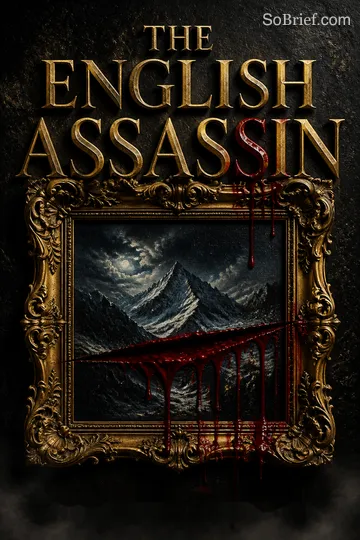
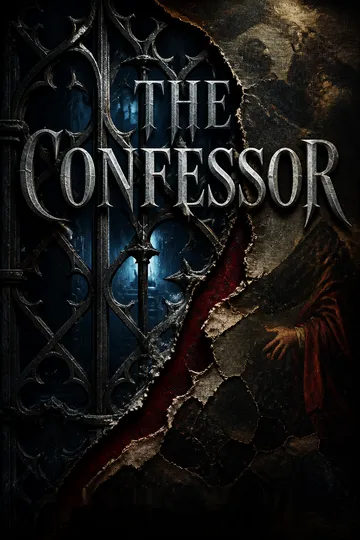
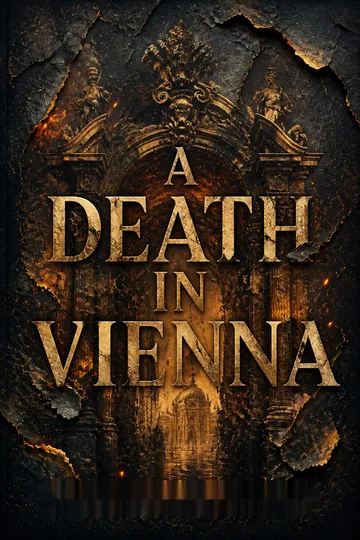
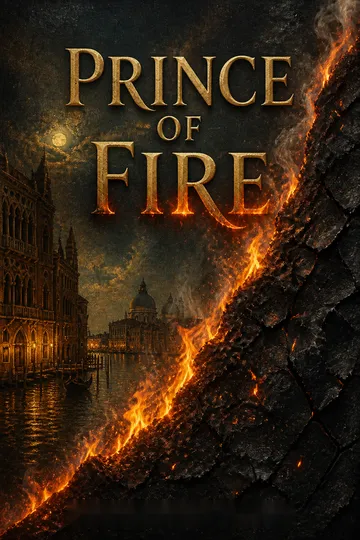
Gabriel Allon Series











About the Author
Other books by Daniel Silva
Download PDF
Download EPUB
.epub digital book format is ideal for reading ebooks on phones, tablets, and e-readers.








































