
Plot Summary
The Rose and the Stag
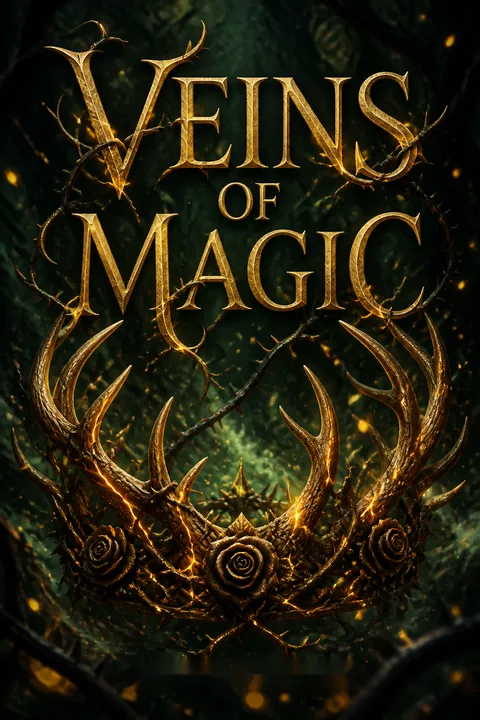
The story opens with a mythic prologue: a rose falls in love with a stag, clinging to his antlers to escape the sea. When the stag must let her go, the rose is transformed by the forest into something new—no longer a rose, but not quite a tree. This fable foreshadows the journey of Sorcha, a healer marked by transformation, and Eamonn, the fae prince who carries burdens not meant for him. Their love, like the rose and the stag, is both beautiful and tragic, destined to change them both and the world around them.
Home's Bitter Embrace
Sorcha returns to her plague-stricken family, the only healthy one among them. She is changed by her time in the Otherworld, restless and unable to find comfort in her old life. Her family's needs and the mundane world feel suffocating. Her father, wise and gentle, urges her to seek the fae shrines for help, but Sorcha is afraid—she broke a faerie bargain and fears the consequences. The world she once knew is now too small, and her heart aches for Eamonn, the fae prince she left behind.
The Poisoned Shrine
Sorcha visits the faerie shrine, only to be bitten by a magical snake. Poisoned and delirious, she is drawn into a vision where she meets her druid grandfather, Torin. He reveals her druidic heritage and offers her the cure for the blood beetle plague—a vial of Dagda's water. Sorcha is forced to confront her legacy as a Weaver, a druid who can bind fae and human fates. She is given a choice: heal her people or seek her own happiness. The encounter leaves her changed, with new power and a heavy burden.
Dwarven Refuge
Eamonn, wounded and leading the last of his people, seeks refuge with the dwarves. The dwarven lord Angus, an old friend, offers shelter but little hope. Eamonn is haunted by his past—his brother Fionn's betrayal, his own monstrous transformation, and the weight of leadership. Angus reveals the legendary Sword of Light, a weapon that can control minds and turn the tide of war. Eamonn claims the sword, accepting his role as High King, but at the cost of his own humanity.
The Druid's Legacy
Sorcha uses the druidic cure to heal her family and the village, becoming a legend among humans. Yet, her heart remains empty. She is drawn to the sick and dying, healing them with miraculous ease, but feels increasingly alienated from the world she once called home. A witch named Aisling offers her a way back to the Otherworld—a dangerous portal spell. Sorcha realizes she cannot run from her fate or her love for Eamonn, and prepares to return, leaving her old life behind.
The Sword of Light
Eamonn wields the Sword of Light in battle, slaughtering Fionn's armies with terrifying ease. The sword's magic allows him to control others, but it also threatens to consume him. He becomes a legend and a monster, feared by friend and foe alike. The dwarves and fae begin to question his leadership, and Eamonn is forced to confront the darkness within himself. The sword is both a blessing and a curse, a symbol of the power and danger of kingship.
Healing and Farewells
Sorcha's healing miracles spread, but she is restless. She meets Aisling again, and together they open a portal to the Otherworld. The spell is dangerous, and Sorcha risks everything to return. She is reunited with Oona, Cian, and the remnants of Eamonn's people, who warn her that Eamonn has changed. Five years have passed in the Otherworld, and the world is on the brink of war. Sorcha's return is both a blessing and a harbinger of change.
Witch's Bargain
Sorcha and Aisling's portal spell is a gamble, relying on the memory and longing of those in the Otherworld. The spell works, but at a cost—Sorcha is changed, marked by her druidic power and the sacrifices she has made. She is forced to confront the consequences of her choices, and the price of returning to a world at war. The witch's bargain is a reminder that magic always comes with a cost, and that fate cannot be easily escaped.
Dreams of Kings
Sorcha is haunted by dreams sent by Fionn, who tries to manipulate her and discover Eamonn's whereabouts. In the dream, Sorcha confronts Fionn and discovers her own power as a Weaver—she can control even the Seelie King, if only briefly. The dream is a warning: Fionn is dangerous, and the battle for the throne will not be won by strength alone. Sorcha's power is both a weapon and a responsibility, and she must learn to wield it wisely.
The Hangman's Shadow
Eamonn returns to the site of his execution, haunted by memories of betrayal and loss. He addresses his army, acknowledging his past and vowing to fight for a better future. The dwarves and fae rally to his cause, inspired by his honesty and determination. Eamonn's leadership is forged in pain and sacrifice, and he is finally ready to claim his birthright. The shadow of the hangman is a reminder that the past cannot be escaped, but it can be transformed.
Portal's Price
Sorcha's journey through the portal is perilous, but she is guided by memory and longing. She is reunited with Oona, Cian, and the others, who warn her of Eamonn's transformation. The reunion is bittersweet—years have passed, and the world has changed. Sorcha's love for Eamonn is undiminished, but she fears what he has become. The price of the portal is the loss of time, and the realization that nothing can ever be as it was.
Reunion in the Glen
Sorcha and Eamonn are reunited in a sunlit glen, their love as fierce as ever. They confess their longing and pain, and make love with the desperation of those who have lost and found each other again. Together, they plot to reclaim the throne—not through war, but by offering the fae a choice. Sorcha's wisdom and Eamonn's strength are united, and they become partners in both love and leadership. The glen is a place of healing and hope, a brief respite before the coming storm.
Haunted Thrones
Sorcha and Eamonn enter Nuada's haunted castle, where the spirits of druids and fae test their worth. Sorcha is crowned Queen of the Druids, and Eamonn is forced to confront his past and his brother's betrayal. The thrones are both a blessing and a curse, symbols of the power and responsibility of leadership. The ghosts demand sacrifice and wisdom, and Sorcha and Eamonn must prove themselves worthy of the crowns they are offered.
The Queen's Test
Sorcha is tested by the spirits of her ancestors, forced to choose between love and power. She refuses to control Eamonn or the fae, choosing instead to lead by example and compassion. The test is both a trial and a blessing, granting her the strength and wisdom to guide her people. Sorcha's power as a Weaver is tempered by her humanity, and she emerges as a true queen—one who leads not by force, but by love.
The Battle for Peace
The armies of Eamonn and Fionn clash in a brutal battle. Sorcha, marked by woad and druidic power, fights alongside her people but refuses to kill. She uses her magic to put the armies to sleep, ending the bloodshed. Fionn is defeated and imprisoned, and Eamonn is freed from his crystal curse. The battle is both a victory and a tragedy, a reminder that peace is won not by violence, but by the courage to end it.
The Druid Queen
Sorcha mourns Eamonn's death, but is called to lead the fae as their queen. Guided by the spirits of her ancestors, she unites the fae and druids, calling for peace and justice. She discovers she is pregnant with Eamonn's child, a symbol of hope and renewal. Sorcha's leadership is marked by compassion and wisdom, and she becomes a legend in her own right—the Druid Queen who healed a broken world.
The Seelie Court
Eamonn is resurrected, freed from his curse by Sorcha's love and sacrifice. Together, they reclaim the Seelie throne, banish Fionn, and usher in a new era of peace and unity. The fae and druids are reconciled, and Sorcha's family is reunited. The coronation is both an ending and a beginning, a promise that the wounds of the past can be healed, and that love can transform even the darkest fate.
Coronation and Dawn
Sorcha and Eamonn are crowned as the Stag King and Rose Queen, surrounded by family and friends. Their child is a symbol of the future, and the fae celebrate the dawn of a new age. The story ends with a sense of peace and fulfillment, as the wounds of the past are healed and the promise of a better world is realized. The journey has been long and painful, but love and courage have triumphed.
Analysis
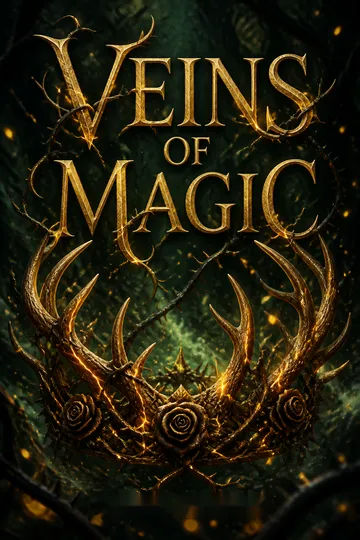
Veins of Magic is a lush, mythic fantasy that explores the transformative power of love, the cost of leadership, and the possibility of healing a broken world. At its heart, the novel is about the courage to change—oneself, one's fate, and the world. Sorcha and Eamonn's journey is both deeply personal and profoundly universal, echoing the ancient myths of sacrifice and rebirth. The story challenges the idea that power must be won through violence, offering instead a vision of leadership rooted in compassion, wisdom, and unity. The use of mythic structure, ancestral guidance, and the motif of transformation creates a narrative that is both timeless and timely, resonating with modern readers' longing for hope and renewal. The novel's ultimate message is that true power lies not in domination, but in the willingness to heal, to forgive, and to love.
Review Summary
Veins of Magic by Emma Hamm receives mixed reviews averaging 3.94/5 stars. Readers praise the character development, particularly Sorcha's growth, and appreciate the Beauty and the Beast retelling with Irish mythology elements. However, common criticisms include rushed endings, an anticlimactic war/battle sequence, plot holes, inconsistent character actions, and weak transitions. Many felt the duology could have been condensed into one book. Positive reviews highlight the romantic relationship dynamics, world-building, and emotional impact, while negative reviews cite boredom, confusing plot points, and lack of character coherence.
People Also Read
Characters
Sorcha
Sorcha is the heart of the story—a healer marked by compassion, stubbornness, and a restless spirit. Her journey is one of transformation: from a human midwife to a druid Weaver, from a lost lover to a queen. Sorcha's relationships are defined by sacrifice—she gives everything for her family, her people, and Eamonn. Psychologically, she is driven by a need to belong and to heal, but is haunted by the fear of losing herself. Her development is marked by increasing power and responsibility, but also by the wisdom to lead with love rather than control. Her love for Eamonn is both her strength and her vulnerability, and her legacy is one of healing, unity, and hope.
Eamonn
Eamonn is a fae prince marked by trauma, guilt, and a fierce sense of duty. Betrayed by his brother and transformed into a crystal-skinned monster, he is both feared and revered. His relationship with Sorcha is transformative—she is the only one who sees his true self, and her love redeems him. Psychologically, Eamonn is driven by a need for acceptance and a fear of becoming the monster others see. His development is a journey from exile and self-loathing to kingship and self-acceptance. He is both a warrior and a leader, willing to sacrifice everything for his people and his love.
Fionn
Fionn is Eamonn's twin and the usurper of the Seelie throne. He is marked by jealousy, ambition, and a deep-seated need for validation. His relationship with Eamonn is both fraternal and adversarial, defined by betrayal and regret. Psychologically, Fionn is driven by insecurity and a desire to prove himself, but is ultimately undone by his inability to love or forgive. His development is a cautionary tale of the dangers of power without compassion.
Oona
Oona is a pixie who serves as a surrogate mother to Eamonn and a confidante to Sorcha. She is marked by kindness, wisdom, and resilience. Her relationship with the main characters is nurturing and supportive, providing emotional grounding and practical advice. Psychologically, Oona is driven by a need to care for others and to find meaning in service. Her development is subtle but profound—she becomes a symbol of the enduring power of love and loyalty.
Cian
Cian is a gnome who serves as Eamonn's advisor and friend. He is marked by pragmatism, humor, and loyalty. His relationship with Eamonn is one of camaraderie and mutual respect, while his interactions with Sorcha are often playful and teasing. Psychologically, Cian is driven by a desire for stability and a fear of chaos. His development is a reminder that even the smallest voices can have great impact.
Angus
Angus is the dwarven king who offers refuge to Eamonn and his people. He is marked by strength, honor, and a deep sense of loyalty. His relationship with Eamonn is one of old friendship and mutual respect, but also of challenge and honesty. Psychologically, Angus is driven by a need to protect his people and to do what is right, even when it is difficult. His development is a testament to the power of friendship and the importance of standing by one's convictions.
Aisling
Aisling is a witch who helps Sorcha return to the Otherworld. She is marked by cunning, independence, and a willingness to take risks. Her relationship with Sorcha is complex—partnership, rivalry, and mutual respect. Psychologically, Aisling is driven by a need for survival and a desire to prove herself. Her development is a reminder that power comes in many forms, and that even the outcast can change the world.
Torin / Balor
Torin, also known as Balor, is Sorcha's druid grandfather and a spirit guide. He is marked by wisdom, mystery, and a deep connection to the past. His relationship with Sorcha is both familial and instructional, guiding her through her transformation and helping her accept her power. Psychologically, Torin is driven by a need to preserve the druid legacy and to see his descendants thrive. His development is a bridge between the old world and the new, embodying the tension between tradition and change.
Elva
Elva is Fionn's consort, marked by beauty, intelligence, and resilience. Her relationship with Fionn is complex—she is both a victim and a survivor, seeking freedom and agency. Psychologically, Elva is driven by a need for autonomy and a desire to escape the constraints of her role. Her development is a journey from captivity to self-determination, and she becomes an unexpected ally to Sorcha.
Macha / Ethniu
Macha and Ethniu are ancient fae and druidic figures who guide and test Sorcha. They are marked by power, wisdom, and a deep understanding of fate. Their relationships with Sorcha are both challenging and nurturing, forcing her to confront her fears and embrace her destiny. Psychologically, they are driven by a need to see the world healed and to pass on their knowledge. Their development is a reminder that the past is always present, and that true power lies in transformation.
Plot Devices
Mythic Structure and Transformation
The narrative is structured as a mythic journey, echoing the prologue's fable of the rose and the stag. Transformation is a central device—characters are changed by love, loss, and sacrifice. Sorcha's journey from healer to queen, Eamonn's from exile to king, and the world's from war to peace are all marked by cycles of death and rebirth. The use of dreams, visions, and ancestral spirits blurs the line between reality and myth, creating a sense of timelessness and inevitability.
Duality and Mirrors
The story is filled with dualities—Eamonn and Fionn as twins, Sorcha as both human and druid, the fae and human worlds, love and power, war and peace. These mirrors force characters to confront their own shadows and make choices that define their destinies. The use of parallel scenes (such as the hangman's platform and the haunted throne) reinforces the theme that the past must be faced and transformed.
Power and Sacrifice
Magic in the story always comes with a price—healing requires sacrifice, power corrupts, and bargains with the fae are never simple. The Sword of Light is a symbol of the dangers of unchecked power, while Sorcha's druidic abilities force her to choose between control and compassion. The narrative structure uses foreshadowing and prophecy to build tension, reminding readers that every choice has consequences.
Ancestral Guidance and Haunting
Ancestral spirits, dreams, and haunted places are recurring devices, representing the weight of history and the need to reconcile with the past. Sorcha and Eamonn are both guided and tested by the ghosts of their ancestors, forced to confront the legacies they inherit. The use of haunting creates a sense of continuity and the possibility of healing old wounds.
Love as Redemption
At its core, the story is a romance—love is the force that redeems, heals, and transforms. Sorcha and Eamonn's relationship is both a personal and a cosmic union, healing not only themselves but the world around them. The narrative uses their love as a counterpoint to the violence and betrayal of the world, offering hope and the promise of renewal.
The Otherworld Series
About the Author
Other books by Emma Hamm

Download PDF
Download EPUB
.epub digital book format is ideal for reading ebooks on phones, tablets, and e-readers.








































