
Plot Summary
Blood on the Moor
Samara, a young woman marked by a traumatic past, wakes from a recurring nightmare of blood on the moor—a memory of betraying a fae she once loved. Her life is one of servitude and shame, bound to her three abusive brothers in a bleak, enchanted land. The weight of her guilt and the cruelty of her family have left her isolated, her only solace found in caring for her animal companions, Mouse and Rooster. The moor, the blood, and the voice in her dreams are constant reminders of a love lost and a life defined by regret. Samara's world is cold, both literally and emotionally, and she survives by suppressing her anger and longing for rest, even if it means death.
Shackles of Family Cruelty
Samara's existence is shaped by her brothers' relentless cruelty—physical, emotional, and psychological. She is forced to labor for their comfort, enduring humiliation and violence while being gaslit into believing she owes them everything. The brothers are celebrated hunters in their village, but their heroism is a mask for their monstrous behavior at home. Samara's sense of self-worth is eroded, and her dreams of escape are stifled by fear for her animals and the memory of her parents. The family home, once a place of love, is now a prison. Samara's resilience is tested daily, and her only acts of rebellion are small, private moments of anger and hope.
A Prince's Proposal
On the brink of suicide, Samara is interrupted by Prince Henry, a charming and persistent royal who offers her a way out—marriage and a new life. Though skeptical of his motives and the reality of kindness, Samara is drawn to the possibility of freedom. Henry's proposal is impulsive but sincere, and he promises to negotiate with her brothers for her hand. The encounter is both surreal and intoxicating, awakening in Samara a flicker of hope and a fear of disappointment. She agrees to let Henry speak to her brothers, setting in motion a chain of events that will test her trust, agency, and the meaning of true love.
The Fox's Warning
As Samara prepares to leave with the prince, a talking fox appears, healing her wounds and warning her of imminent danger. The fox's cryptic advice—stay silent during an attack—saves her life but also binds her to a new fate. The fox's presence is both comforting and unsettling, a reminder that the world is full of unseen forces and bargains. Samara's connection to the supernatural deepens, and she begins to suspect that her story is being shaped by powers beyond her understanding. The fox's guidance becomes a lifeline as she steps into the unknown, torn between fear and the hope of rescue.
Carriage, Thieves, and Death
The prince returns with a golden carriage and fulfills his promise to Samara's brothers, but their greed and malice remain. As Samara departs, the carriage is ambushed by thieves—an attack orchestrated by her own brothers. The prince is killed before her eyes, and Samara survives only by following the fox's instructions to remain silent and still. The trauma of the attack, the betrayal by her family, and the loss of her would-be savior leave Samara numb and adrift. Her fate now lies in the hands of the fae, and the boundaries between victim and survivor blur as she is drawn deeper into the enchanted forest.
Fae in the Forest
Samara is saved from the thieves by Lore, the enigmatic Prince of Nightshade, and the fox. Lore claims a debt for her life, demanding her help to break his own curse. The forest becomes a place of both danger and possibility, as Samara navigates fae politics, bargains, and her own conflicted feelings. Lore's presence is magnetic and unsettling, stirring memories of the fae she once loved and lost. The fox reveals that Samara's brothers are hunting her, and that her survival depends on fulfilling Lore's quest. The dynamic between Samara, Lore, and the fox is fraught with tension, desire, and the promise of transformation.
The Elfin Ball's Bargain
Samara is swept into a magical elfin ball, dressed and crowned as a maiden seeking a suitor. The revelry is enchanting but perilous—she learns that unless she leaves the ball engaged, she will be trapped for a year. Both Lore and a goblin king vie for her hand, but Samara refuses to choose, asserting her autonomy. The fox intervenes, invoking the mourning of her lost prince to delay the decision. The ball exposes the transactional nature of fae bargains and the thin line between freedom and captivity. Samara's agency is tested, and her bond with Lore deepens as they prepare for the next stage of their journey.
Curses and Confessions
As they travel, Lore reveals the nature of his curse—he is bound by an obsessive, unrequited love for Samara, believing it to be a magical affliction. Their journey is marked by confessions, misunderstandings, and the slow unraveling of past wounds. Samara learns that her brothers' power comes from the knife she once received from a fae, and that Lore is the very fae she betrayed. The revelation is both devastating and redemptive, forcing them to confront the pain they have caused each other. Their love, once a source of suffering, becomes a path to healing as they move toward the wishing tree.
The Witch's Price
To find the wishing tree, Samara and Lore must seek the help of a witch, who demands impossible tasks in exchange for directions. The witch's cottage is a place of horror and illusion, testing Samara's endurance and resolve. The fox and Lore face their own trials, and Samara narrowly escapes death by using the golden thread and her own rage to kill the witch. The ordeal cements the trio's bond and underscores the cost of every step toward freedom. The witch's eyes and claws become the keys to the final stage of their quest, and Samara emerges stronger, her anger now a source of power.
Nightshade and True Love
In the aftermath of the witch's death, Samara and Lore finally give in to their passion, sharing a night of intimacy and vulnerability. Their physical union is both a celebration and a reckoning, as Lore continues to doubt the reality of his love, fearing it is only a curse. Samara's determination to prove the truth of their feelings is unwavering, even as the threat of the wishing tree looms. The night is a brief respite from danger, filled with tenderness, longing, and the hope that love can transcend magic and pain.
The Glass Mountains Ascent
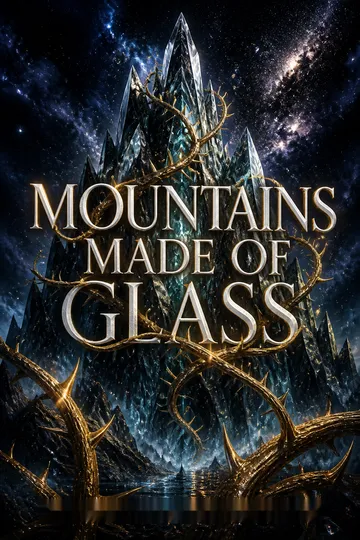
Guided by the fox and armed with the witch's claws, Samara and Lore reach the Glass Mountains, where the wishing tree awaits. Their ascent is interrupted by Samara's brothers, who bring violence and betrayal to the final trial. In a desperate struggle, Samara is forced to fight for her life, killing her brothers and facing the trauma of her past head-on. The climb is grueling, marked by blood, exhaustion, and the ever-present threat of failure. At the summit, Samara is seized by a monstrous raven, the final guardian of the wishing tree, and must use all her cunning and strength to survive.
Sacrifice and the Golden Apple
Wounded and alone, Samara reaches the wishing tree and claims a golden apple. She makes her wish—to free Lore from his curse—and takes a bite, knowing it may cost her life. The act is both a sacrifice and an assertion of agency, as Samara chooses love over fear, even in the face of death. The apple's magic is both sweet and fatal, and Samara's final thoughts are of Lore and the hope that her wish will bring him peace. The moment is both tragic and triumphant, the culmination of a journey defined by suffering, resilience, and the power of choice.
Death, Kiss, and Awakening
Lore finds Samara lifeless beneath the wishing tree, overcome with grief and regret. In a moment of raw vulnerability, he confesses his love and kisses her, breaking the spell and bringing her back to life. The act is both literal and symbolic—a resurrection of hope, trust, and the possibility of happiness. The curse is revealed to be nothing more than the fear of unreturned love, and the power of true connection triumphs over magic and fate. Samara and Lore are reunited, their love now free from the shadows of the past.
Freedom Beyond the Curse
With the curse broken and their enemies defeated, Samara and Lore are finally free to choose their own future. They reject the trappings of royalty and power, opting instead for a life of quiet companionship and mutual care. The fox, revealed to be a cursed man himself, is restored, and the trio's journey ends in healing and hope. Samara's home, once a place of pain, becomes a sanctuary, and Lore's love is no longer a burden but a gift. Together, they forge a new path, defined not by curses or bargains, but by the simple, radical act of loving and being loved.
Healing, Home, and Hope
The story closes with Samara and Lore building a life together, grounded in the lessons of their journey. The scars of the past remain, but they are no longer sources of shame or fear. Instead, they are reminders of survival, resilience, and the transformative power of love. The enchanted forest, once a place of danger, becomes a backdrop for healing and growth. Samara's animals are safe, her home is restored, and her heart is finally at peace. The tale ends not with a grand triumph, but with the quiet, enduring hope of a love that has been tested and found true.
Analysis
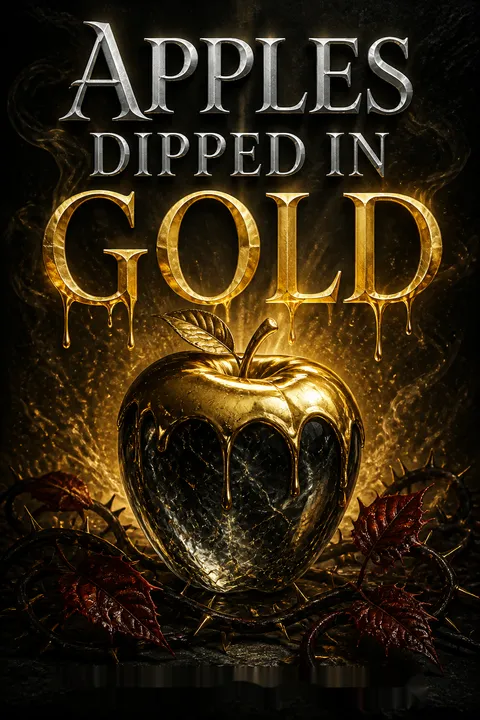
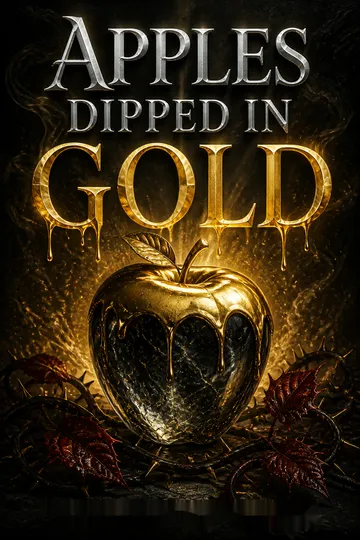
Scarlett St. Clair's Apples Dipped in Gold is a masterful reimagining of classic fairy tales, using their familiar structures to explore the enduring scars of abuse, the complexity of trauma, and the redemptive power of agency and love. The novel's greatest strength lies in its refusal to offer easy answers: every magical solution comes with a cost, and every act of love requires vulnerability and risk. By centering Samara's journey from victimhood to self-determination, the story challenges the notion of passive heroines and savior princes, instead presenting healing as a collaborative, often painful process. Lore's belief in his curse is a poignant metaphor for the ways we internalize shame and unworthiness, and the narrative's insistence that love must be chosen, not compelled, is a powerful rejoinder to the coercive bargains of traditional fairy tales. The book's use of lush, evocative imagery and emotionally resonant symbolism invites readers to reflect on their own stories of survival and hope. Ultimately, Apples Dipped in Gold is a testament to the possibility of transformation—not through magic alone, but through the hard, ongoing work of loving and being loved, scars and all.
Review Summary
Apples Dipped in Gold receives mixed reviews with a 3.6 rating. Many praise the nostalgic fairytale elements, emotional depth, and the romance between Samara and Prince Lore. Readers appreciate the Cinderella-inspired story about breaking a curse. However, critics cite rushed pacing, convenient plot resolutions, and underdeveloped character moments. Some find the abuse themes uncomfortable and the dialogue stiff. Several note it's shorter and darker than the first book, with opinions split between those charmed by its whimsical nature and those disappointed by execution issues.
People Also Read
Characters
Samara
Samara is the heart of the story—a young woman marked by trauma, resilience, and a longing for love. Raised by abusive brothers after the loss of her parents, she is shaped by shame, guilt, and the memory of a fae she once loved and betrayed. Her psychological journey is one of reclaiming agency, learning to trust, and transforming anger into strength. Samara's relationships—with her animal companions, the fox, and Lore—reveal her capacity for empathy and her struggle to believe in her own worth. Her development is a testament to survival, the power of choice, and the possibility of healing even the deepest wounds.
Lore (Prince of Nightshade)
Lore is a complex figure—enigmatic, brooding, and tormented by an obsessive love he believes to be a curse. His relationship with Samara is fraught with longing, regret, and the fear of unworthiness. Psychologically, Lore is driven by a need for connection and a terror of rejection, shaped by his own family's dysfunction and the trauma of losing his hand to Samara's brothers. His journey is one of vulnerability, confession, and the gradual acceptance that love, not magic, is the source of his suffering and his salvation. Lore's arc is a meditation on the nature of desire, the pain of longing, and the courage required to embrace true intimacy.
The Fox (Friedrich)
The fox is both a literal and symbolic guide—wise, wry, and always a step ahead. He heals, warns, and orchestrates events, his motives shrouded in mystery until his true identity as a cursed man is revealed. The fox's relationship with Samara and Lore is one of mentorship and challenge, pushing them to confront their fears and fulfill their destinies. Psychologically, he represents the voice of fate, the necessity of bargains, and the possibility of transformation. His own curse and eventual restoration mirror the central themes of the story: the cost of magic, the power of choice, and the redemptive potential of love.
Jackal, Michal, and Hans (Samara's Brothers)
The three brothers are the antagonistic force in Samara's life—cruel, manipulative, and ultimately self-destructive. Each represents a different facet of toxic masculinity: Jackal's violence, Michal's deceit, and Hans's sadism. Their psychological hold over Samara is profound, shaping her sense of self and her understanding of love and loyalty. Their eventual downfall is both a literal and symbolic breaking of the chains that bind Samara, allowing her to reclaim her power and rewrite her story.
Prince Henry
Prince Henry is the catalyst for Samara's escape—a well-meaning but ultimately tragic figure whose impulsive proposal and violent death set the plot in motion. He represents the dangers of superficial rescue and the limitations of love based on appearance and fantasy. His brief relationship with Samara highlights her longing for kindness and the risks of trusting in easy solutions to deep wounds.
The Witch
The witch is both a literal and metaphorical obstacle—her cottage a place of horror, illusion, and impossible demands. She tests Samara's endurance, resourcefulness, and willingness to fight for survival. Psychologically, the witch embodies the dangers of seeking shortcuts to healing and the necessity of confronting one's own darkness. Her death marks a turning point in Samara's journey, transforming fear into agency.
The Goblin King
The goblin king is a rival for Samara's hand at the elfin ball, representing the transactional nature of fae bargains and the pressure to choose safety over autonomy. His gift of the comb becomes a tool for survival, and his respectful acceptance of Samara's refusal contrasts with the violence of her brothers and the desperation of Lore. He is a reminder that not all power is coercive, and that true love cannot be compelled.
Cardic (Prince of Larkspur)
Cardic, Lore's brother, is a foil and occasional antagonist—witty, competitive, and hiding his own vulnerabilities. His interactions with Lore reveal the complexities of fae family dynamics and the scars left by parental favoritism and competition. Cardic's role as host and confidant provides moments of levity and insight, and his own secret longing for love mirrors Lore's journey.
Rooster and Mouse
Samara's animal companions are more than pets—they are her only sources of unconditional love and reminders of a world beyond cruelty. Their safety is a constant concern for Samara, motivating many of her choices and sacrifices. Psychologically, they represent the parts of herself that remain unbroken, and their eventual rescue is a sign of her healing and hope.
The Fae and Enchanted Forest
The fae and the forest are both setting and character—shifting, unpredictable, and full of peril and wonder. They reflect the internal landscapes of the protagonists, mirroring their fears, desires, and transformations. The forest's magic is both a threat and a gift, offering the possibility of change but demanding a price for every wish.
Plot Devices
Fairy Tale Retelling and Subversion
The novel draws on a tapestry of fairy tales—Grimm, Andersen, and others—using familiar elements (enchanted forests, curses, magical bargains, true love's kiss) as both homage and critique. The narrative structure is episodic, moving from ordeal to ordeal, each echoing a different tale but subverting expectations: the heroine is not rescued by a prince, but must rescue herself and her lover; bargains always have hidden costs; and love is not a reward, but a hard-won, mutual choice. The story uses foreshadowing (the fox's warnings, recurring dreams), parallelism (Samara's and Lore's mirrored traumas), and symbolism (the golden apple, the knife, the comb) to weave a narrative that is both archetypal and deeply personal.
Trauma, Healing, and Agency
The plot is driven by Samara's psychological journey from victimhood to agency. Each magical trial—whether the witch's cottage, the elfin ball, or the Glass Mountains—mirrors an internal struggle: confronting abuse, reclaiming desire, and choosing self-worth. The curse is both literal and metaphorical, representing the ways trauma can shape identity and relationships. The narrative structure allows for moments of catharsis and regression, reflecting the nonlinear nature of healing.
Love as Curse and Cure
The central device is the inversion of the "love at first sight" trope: Lore's love is experienced as a curse, a source of pain and obsession, until it is revealed to be real and mutual. The journey to the wishing tree is both a quest for magical resolution and a metaphor for the work of building trust and intimacy. The use of true love's kiss as the final act is both a nod to tradition and a commentary on the necessity of vulnerability and confession.
Bargains, Debts, and Power
The story is structured around a series of bargains—explicit and implicit—between Samara, Lore, the fox, and the supernatural world. These bargains drive the plot and force the characters to confront the costs of survival, love, and freedom. The motif of debt (for life, for love, for magic) is used to explore questions of agency, consent, and the possibility of redemption.
Symbolism and Foreshadowing
The knife, the comb, the golden apple, and the witch's claws are not just tools but symbols of power, trauma, and transformation. Dreams, songs, and repeated phrases ("You are not a curse but a gift") foreshadow revelations and turning points, creating a sense of inevitability and mythic resonance.
Fairy Tale Retelling Series
About the Author
Other books by Scarlett St. Clair

Download PDF
Download EPUB
.epub digital book format is ideal for reading ebooks on phones, tablets, and e-readers.








































