
Plot Summary
Swan Sisters' Last Wish
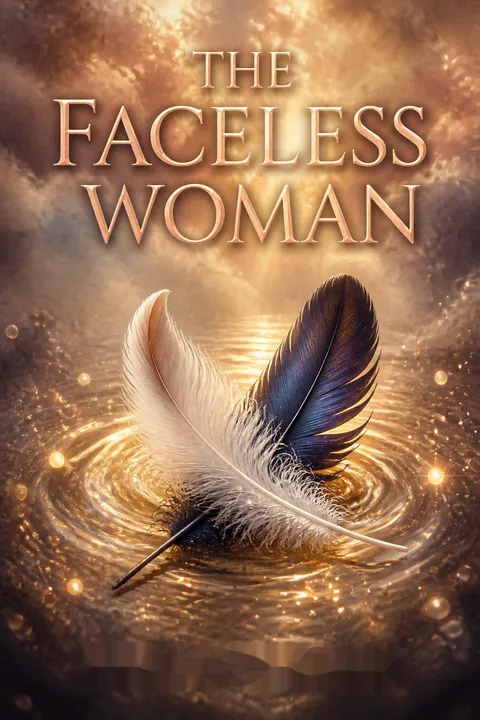
Long ago, two magical swan sisters guarded a pond, their feathers coveted for the power to grant wishes. Yet, only those with pure hearts could receive such a gift. When a clever raven asked for a feather—not for himself, but to wish one sister into human form for love—he revealed himself as a Fae prince. The youngest swan became a woman, and the raven, now a man, claimed her as his bride. This myth, echoing through the land, sets the stage for a world where wishes, love, and transformation are bound by the intentions of the heart. The legend's bittersweet ending foreshadows the tangled fates of those who seek magic for love, and those who are changed by it.
Witch's Hearth and Hunt
Aisling, a witch with a hidden face, cares for orphaned children in her crumbling hut, spinning tales to comfort them. Her only companion is Lorcan, a cat sidhe with a sharp tongue and a secret past. When a witch hunter and a mob come for her, Aisling's life of quiet charity is shattered. She is betrayed by those she helped, accused of consorting with the devil, and violently dragged to a pyre. Her tattoos—eyes on her palms—are revealed as marks of protection, not evil. The chapter's warmth and humor are quickly replaced by terror and betrayal, as Aisling faces the darkness of human fear and superstition.
The Faceless Curse
Haunted by dreams of her childhood, Aisling remembers Badb, her powerful grandmother, who cursed her with facelessness to protect her from the Fae. The eyes on her palms are both shield and shackle, channeling her magic and hiding her true self. Aisling's isolation is deepened by her inability to be seen or recognized, making her a perpetual outsider in both human and faerie worlds. Her longing for belonging and the pain of abandonment are palpable, as is her resilience. The curse is both a literal and metaphorical barrier, shaping her destiny and her relationships.
Binding at the Stake
Condemned to burn, Aisling calls for help from the Raven King, a legendary faerie protector of children. When he appears but refuses to intervene, she binds him to her with a powerful curse—if she dies, so does he. The pain of the flames is mirrored in the faerie's agony, forging an unwilling partnership. The Raven King, known as Bran, is forced to save her, and their lives become entwined. This act of desperation sets them on a journey neither wanted, bound by pain, magic, and the need to break the curse before it destroys them both.
The Raven King's Bargain
Bran, the Raven King, is both fascinated and infuriated by Aisling. Their bond means her pain is his, and vice versa. Lorcan, ever the sardonic observer, pushes them to cooperate. Aisling's magic is unpredictable, her curse unbreakable, and Bran's own secrets run deep. Their banter is sharp, their trust fragile, but necessity forces them together. Bran reveals that to break the binding, they must gather rare ingredients, starting with the blood of a dead god. The journey is perilous, but the emotional stakes are higher: each must confront their own fears, desires, and the possibility of love.
Unseelie and Witch Bound
Traveling together, Aisling and Bran navigate the Otherworld's treacherous landscapes and their growing attraction. Aisling's wit and independence clash with Bran's arrogance and hidden vulnerability. Lorcan's loyalty and wisdom provide comic relief and grounding. The trio faces magical creatures, shifting alliances, and the ever-present threat of the curse. Along the way, Aisling's magic and Bran's faerie nature are tested, revealing strengths and weaknesses. Their bond deepens, but so do the secrets between them, especially as Aisling's true heritage and Bran's destiny as the Raven King's heir come into focus.
Into the Otherworld
To break the curse, Aisling must open a portal to the Otherworld, a feat requiring blood magic and courage. The Otherworld is both wondrous and perilous, filled with faerie courts, ancient trees, and creatures of legend. Aisling's fear of being discovered as a changeling intensifies, while Bran's status as Unseelie royalty complicates their quest. The journey is as much internal as external, forcing both to face their pasts and the roles they were forced to play. The Otherworld's beauty is tinged with danger, and every step brings them closer to truths that could destroy or free them.
Blood of a Dead God
To obtain the blood of a dead god, Aisling and Bran infiltrate a sacred, haunted place guarded by golden-masked warriors. Aisling's ingenuity and Bran's ferocity are pushed to the limit as they face supernatural guardians and the god's lingering power. The god, neither fully dead nor alive, recognizes Aisling's true nature and offers his blood willingly, seeing in her a kindred spirit. The ordeal leaves both witch and faerie wounded, physically and emotionally, but victorious. The blood is a key ingredient, but the cost is high, and the journey has only just begun.
The Duchess's Heart
Seeking the next ingredient, they enter the domain of the Duchess of Dusk, a powerful Unseelie who rules over the broken and outcast. The palace is a place of beauty and horror, where pain is pleasure and secrets are currency. Aisling must barter her own story for sanctuary, while Bran faces old enemies and unresolved guilt. The Duchess sees through Aisling's faceless curse, offering her a chance to break it—but at a price. The court's decadence and cruelty force Aisling and Bran to confront their own darkness, and the cost of freedom becomes ever more personal.
The Bone Dance
At a grand ball, Aisling's curse is broken, revealing her true face—one that mirrors Bran's lost love. The revelation is both blessing and curse, deepening their connection but also reviving old wounds. Amidst the court's macabre festivities, Aisling and Bran share a night of passion, their defenses lowered and their hearts exposed. Yet, betrayal lurks: the Duchess poisons Aisling, and Bran is forced to risk everything to save her. The bone dance is both literal and symbolic, a moment of vulnerability and transformation that will shape their fates.
Death and Betrayal
Aisling's near-death at the hands of the Duchess forces Bran to seek help from old allies and confront his own limitations. The journey to the Isle of Shadows is fraught with danger and heartbreak, as Aisling's life hangs in the balance. Bran's desperation reveals the depth of his feelings, while Aisling's resilience is tested to the breaking point. The betrayal by those they trusted is a harsh lesson, but it also forges an unbreakable bond between witch and faerie. The cost of love is high, and both must decide what they are willing to sacrifice.
Isle of Shadows
On the Isle of Shadows, Aisling is healed by Scáthach and reunited with her long-lost sister, Elva. The sisters' reunion is bittersweet, filled with regret, forgiveness, and the pain of choices made long ago. Aisling's true heritage is revealed: she is not merely a witch or changeling, but the granddaughter of Badb, destined for greatness and tragedy. The island is a place of healing and reckoning, where past and present collide. Aisling must choose between the family she lost and the future she can claim, while Bran faces his own ghosts.
Sisterhood and Secrets
Aisling and Elva confront the wounds of their shared past, grappling with abandonment, jealousy, and the longing for belonging. Their bond is tested by the secrets they keep and the roles they were forced to play. Aisling's decision to leave the isle and continue her quest is both an act of courage and a leap of faith. The sisters' parting is poignant, a reminder that love and forgiveness are hard-won, and that destiny is shaped by the choices we make. The chapter is a meditation on family, identity, and the power of self-acceptance.
The Last Journey
Aisling, Bran, and Lorcan journey to the Unseelie castle, where the final ingredient—waters from Swan Lake—awaits. The castle is a labyrinth of danger, ruled by Bran's monstrous mother and haunted by his spider-like sisters. Aisling's courage and wit are tested as she navigates the treacherous halls, facing both physical and emotional threats. The journey is a crucible, forging her into the woman she was meant to be. The final trial is not just a test of magic, but of love, loyalty, and the willingness to face the truth.
The Unseelie Throne
In the heart of the Unseelie court, Aisling and Bran confront the queen and the Raven King. The truth is revealed: Bran is the Raven King's heir, and Aisling is his destined consort. The ingredients they gathered were never for the binding curse, but to break the King's curse and free Bran from his fate. The choice is agonizing: break the curse and lose each other, or remain bound and damned. The confrontation is both epic and intimate, a battle of wills and hearts that will determine the fate of both worlds.
The Raven King's Truth
Faced with an impossible decision, Bran chooses love over freedom, shattering the vial and refusing to break the King's curse. The magic backlashes, transforming Aisling into a swan and Bran into the new Raven King. Their love is both curse and salvation, binding them together in new forms. The truth of their destinies is laid bare: they are both more and less than they believed, shaped by the choices they made and the love they found. The power of choice is both liberating and devastating, a reminder that freedom is never without cost.
The Swan Consort
Aisling, now the Swan Consort, finds peace in her new form, embracing the beauty and pain of her fate. Bran, as the Raven King, rules Underhill with wisdom and compassion, tempered by the love they share. Their existence is marked by cycles of transformation, separation, and reunion, a dance of light and shadow that echoes the myth of the swan sisters. The chapter is a meditation on acceptance, endurance, and the power of love to transcend even the harshest curses.
The Queen of Underhill
Aisling ascends as the Queen of Underhill, ruling over the Sluagh and the lost souls of the Otherworld. Her journey from faceless witch to sovereign is complete, marked by sacrifice, resilience, and the refusal to be defined by others. Bran stands by her side, their love a beacon in the darkness. Together, they forge a new path, breaking the cycles of pain and forging a kingdom built on compassion and strength. The story ends with the promise of hope, the assurance that even in the darkest places, light can be found.
Analysis
Emma Hamm's The Faceless Woman is a lush, emotionally charged reimagining of Celtic myth, blending fairytale motifs with a modern exploration of trauma, identity, and the longing for connection. At its heart, the novel is about the cost of being unseen—by others, by family, by oneself—and the courage it takes to claim one's place in the world. Aisling's journey from faceless outcast to queen is both a literal and metaphorical transformation, mirroring the struggles of anyone who has felt marginalized or unworthy. The binding curse that links her to Bran is a powerful metaphor for the ways in which trauma and love can both imprison and liberate. The novel's use of myth, foreshadowing, and court intrigue creates a rich tapestry of meaning, while its focus on character—on forgiveness, vulnerability, and the power of choice—grounds the fantasy in real emotional stakes. Ultimately, The Faceless Woman is a story about the necessity of self-acceptance, the redemptive power of love, and the hope that even in the darkest places, one can find light, belonging, and the courage to write a new story.
Review Summary
The Faceless Woman receives enthusiastic praise from readers who appreciate the witty banter between Aisling, a cursed witch, and Bran, an Unseelie prince bound together by magic. Reviewers highlight Emma Hamm's world-building in the dark Unseelie realm, the snarky chemistry between leads, and compelling character development. Common criticisms include forced banter feeling immature, rushed pacing in the romance, and an intense cliffhanger ending. Most fans consider it their favorite in The Otherworld series, praising the Celtic mythology elements and Swan Princess retelling aspects.
Characters
Aisling
Aisling is a woman marked by loss, resilience, and a longing for belonging. Cursed as a child by her grandmother Badb to be faceless, she grows up on the margins of both human and faerie worlds, hiding her beauty and true identity. Her compassion is evident in her care for orphaned children, while her wit and independence mask deep wounds. Psychoanalytically, Aisling embodies the struggle for self-acceptance and the fear of abandonment. Her journey is one of transformation: from faceless outcast to powerful queen, from victim to agent of her own fate. Her relationships—with Lorcan, Bran, and her sister Elva—are fraught with pain and love, shaped by secrets and the courage to forgive. Aisling's development is a testament to the power of vulnerability, the necessity of choice, and the enduring hope for love and acceptance.
Bran (The Raven King)
Bran is the youngest son of the Unseelie queen, marked by both beauty and monstrosity. Half-man, half-raven, he is an outsider in his own family, burdened by a destiny he never chose. His arrogance and sarcasm mask a deep loneliness and a yearning for connection. Bran's relationship with Aisling is transformative: her courage and defiance draw out his vulnerability, while their shared pain forges an unbreakable bond. Psychoanalytically, Bran represents the struggle between duty and desire, the fear of rejection, and the longing to be seen for who he truly is. His journey from cursed prince to Raven King is both a liberation and a sacrifice, as he chooses love over freedom, and in doing so, finds his true self.
Lorcan
Lorcan is Aisling's familiar, a witch who sacrificed his human form to protect her. His sardonic humor and practical wisdom ground the story, providing both comic relief and emotional support. Lorcan's relationship with Aisling is deeply familial, marked by loyalty, exasperation, and unconditional love. He is both protector and confidant, guiding her through peril and heartbreak. Psychoanalytically, Lorcan embodies the archetype of the loyal guardian, the part of the self that endures suffering for the sake of love. His own longing for humanity and acceptance mirrors Aisling's, and his journey is one of quiet heroism.
The Unseelie Queen
Bran's mother is a spider-like faerie queen, ruling her court with cruelty and cunning. She embodies the dangers of power without compassion, and the pain of a parent unable to accept a child's difference. Her relationship with Bran is fraught with disappointment and control, while her interactions with Aisling are marked by curiosity and threat. Psychoanalytically, she represents the devouring mother archetype, the force that both creates and destroys. Her development is static, a warning of what happens when love is replaced by pride and fear.
The Duchess of Dusk
The Duchess is a powerful Unseelie who rules over the outcast and broken. Her court is a place of beauty and horror, reflecting her own pain and ambition. She sees through Aisling's curse, offering both help and betrayal. The Duchess's relationship with Aisling is complex: part mentor, part rival, part warning. Psychoanalytically, she is the shadow self, the path Aisling might have taken if she surrendered to bitterness. Her death is both a tragedy and a liberation, a reminder of the cost of power without love.
Elva
Elva is Aisling's long-lost sister, a Seelie princess burdened by guilt and longing. Their reunion is fraught with pain, forgiveness, and the hope for reconciliation. Elva's own journey—from privileged beauty to warrior on the Isle of Shadows—mirrors Aisling's, but is marked by different choices and regrets. Psychoanalytically, Elva represents the path not taken, the sibling who stayed while Aisling was cast out. Their relationship is a meditation on family, forgiveness, and the possibility of healing old wounds.
Badb
Badb is a powerful Tuatha de Danann, both fierce and loving. She curses Aisling to protect her, embodying the paradox of love that wounds in order to save. Badb's presence is both comforting and terrifying, a reminder of the ancient forces that shape destiny. Psychoanalytically, she is the wise old woman, the ancestral guide who offers both blessing and burden. Her influence on Aisling is profound, shaping her journey and her understanding of power.
The Raven King (Original)
The original Raven King is both Bran's predecessor and Aisling's would-be consort. He is a figure of immense power, cunning, and loneliness, orchestrating the events that bind Aisling and Bran. His relationship with both is marked by manipulation and a twisted sense of destiny. Psychoanalytically, he is the shadow king, the force of fate that must be confronted and overcome. His presence is both threat and catalyst, driving the story to its climax.
The Dead God
The dead god, whose blood is needed to break the curse, is a figure of both power and vulnerability. His willingness to help Aisling, recognizing her pain and potential, is a moment of grace in a world of cruelty. Psychoanalytically, he is the wounded healer, the part of the self that suffers in order to save others. His sacrifice is both literal and symbolic, a turning point in the journey.
Scáthach
Scáthach is the legendary warrior who heals Aisling and offers sanctuary on the Isle of Shadows. Her strength and wisdom are a beacon in a world of danger, and her fortress is a place of healing and reckoning. Psychoanalytically, she is the great mother, the force of nurture and discipline. Her role is to guide, protect, and challenge, helping Aisling become the woman she was meant to be.
Plot Devices
Binding Curse
The binding curse is the central plot device, linking Aisling and Bran's fates. Cast in a moment of terror, it ensures that their lives, pain, and destinies are intertwined. The curse is both obstacle and catalyst, forcing them to cooperate, confront their fears, and ultimately choose between freedom and love. It is a metaphor for trauma, codependency, and the struggle to break free from the past. The curse's unbreakability drives the quest for rare ingredients, shaping the narrative structure and providing opportunities for character growth and revelation.
Facelessness and Identity
Aisling's facelessness is both literal and symbolic, representing the pain of invisibility, the longing to be seen, and the fear of vulnerability. The curse shapes her interactions, her sense of self, and her relationships. Its breaking is a moment of both liberation and danger, exposing her to love and betrayal. The device is used to explore themes of identity, self-acceptance, and the power of being truly known.
Quest for Ingredients
The quest for the ingredients to break the curse—blood of a dead god, a vessel made of heart, waters from Swan Lake—structures the narrative, providing both external and internal challenges. Each ingredient is tied to a pivotal location, character, or revelation, forcing Aisling and Bran to confront their pasts, their fears, and their desires. The quest is both a physical journey and a metaphorical one, mirroring the stages of transformation and self-discovery.
Court Intrigue and Betrayal
The courts of the Unseelie and Seelie are places of beauty, horror, and constant danger. Intrigue, betrayal, and shifting alliances test the protagonists' loyalty, courage, and integrity. The courts are mirrors of the characters' inner struggles, and the betrayals they suffer are both personal and political. The device is used to explore themes of power, trust, and the cost of freedom.
Transformation and Sacrifice
Transformation—physical, emotional, and magical—is a recurring device, used to explore the costs and possibilities of change. Sacrifice is demanded at every turn: the dead god's blood, the Duchess's heart, Aisling's own face and freedom. The ultimate transformation—Aisling into a swan, Bran into the Raven King—is both a curse and a fulfillment, a reminder that true change is never without pain.
Foreshadowing and Myth
The story is rich with foreshadowing, from the opening myth of the swan sisters to the recurring omens and nursery rhymes. Myths and legends are both prophecy and warning, shaping the characters' understanding of their fates and offering clues to the reader. The device is used to create a sense of inevitability, while also allowing for moments of surprise and subversion.
The Otherworld Series
About the Author
Other books by Emma Hamm

Download PDF
Download EPUB
.epub digital book format is ideal for reading ebooks on phones, tablets, and e-readers.








































