
Plot Summary
Lovers Lost at Sea
Nicolas and Jacqueline, newly engaged, drift on a moonlit rowboat, basking in love and hope for the future. Their playful banter and intimacy are interrupted when Jacqueline awakens alone, Nicolas vanished. The ocean, once gentle, becomes menacing as strange bumps rock the boat and glowing eyes emerge beneath the surface. Jacqueline's terror crescendos as she realizes she is not alone—something monstrous lurks below. The sea claims her, and the chapter closes with a chilling sense of loss and the ocean's insatiable hunger, setting the stage for the novel's haunting exploration of love, disappearance, and the unknown lurking beneath.
The Missing Sister
Georgia Woodrow, distant from her family, is called back to her childhood home when her younger sister, Sam, goes missing. The house is heavy with worry and regret, her father Terrence desperate for answers. Georgia's guilt over her absence and emotional distance is palpable as she reconnects with her father and investigates Sam's disappearance. The family's history of divorce and emotional neglect surfaces, painting a portrait of a household where love is present but communication is broken. Georgia's search for Sam is as much about finding her sister as it is about confronting her own failures and the family's unresolved pain.
Stalkers and Secrets
Georgia's investigation leads her to Tuyen, a child Sam babysat, who reveals Sam had a "stalker"—Cody, a socially awkward boy who works at a snow-cone shack. Georgia confronts Cody, who admits to watching Sam but denies harming her. Through these interactions, Georgia learns of Sam's loneliness, her late-night beach visits, and her struggles with depression and self-harm. The chapter deepens the sense of Sam's isolation and the inability of those around her to truly reach her. The stalker subplot adds tension, but ultimately, the real threat is something far older and more mysterious than a lovesick teenager.
The Old Man's Warning
Alfred Bennett, an aging recluse by the sea, senses a growing unease in the air. He is visited by a spectral presence—his lost daughter, Bree, who is not what she once was. Their exchange is fraught with pain, regret, and supernatural dread. Alfred's warnings to "go back to the water" hint at a dark family secret and a connection to the island's monstrous inhabitants. His perspective introduces the theme of generational trauma and the futility of trying to escape the past, as well as foreshadowing the coming storm that will engulf all the characters.
Daughters of the Deep
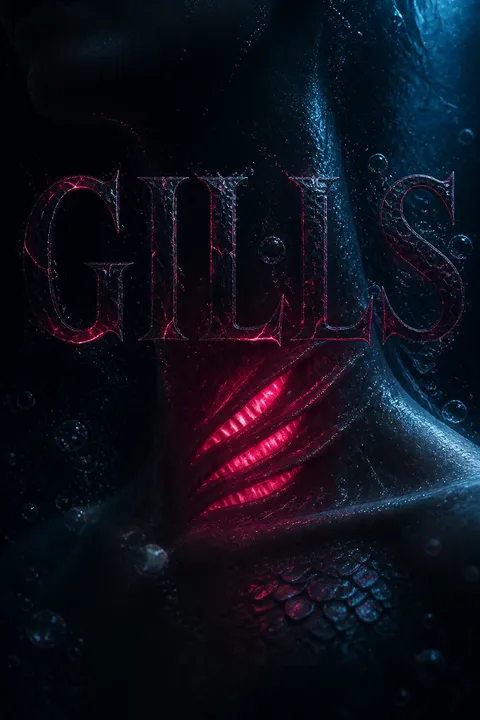
Sam, desperate and adrift, is drawn by dreams and an irresistible call to a mysterious island. Exhausted, she is welcomed by Orella and a group of other women—Lana, Jane, and Bree—who call themselves "Daughters of the Deep." The island is both sanctuary and prison, a place of eerie sisterhood and transformation. Sam's initiation is both physical and psychological: she is cared for, but also subjected to fever, hallucinations, and a terrifying metamorphosis. The scars and gills that appear on her body mark her as something no longer fully human. The island's allure is seductive, promising belonging at a terrible cost.
Initiation and Transformation
Sam's fever breaks, and she awakens to find her body changed—her legs fused, gills on her neck, a deep scar down her chest. Orella and the others guide her through the process, explaining that she is now one of them, able to breathe underwater and transform into a creature of the sea. The initiation culminates in a ritual swim, where Sam is pulled into the depths and confronted by the monstrous reality of her new existence. The chapter is suffused with horror and awe, as Sam's longing for connection is fulfilled in the most alien and predatory way imaginable.
The Island's Embrace
Now fully transformed, Sam joins the other Daughters in a hunt. They lure young men from a pier into the water, using supernatural allure and hypnotic powers. The feeding is brutal and ecstatic—Sam is both repulsed and exhilarated as she witnesses and participates in the consumption of human flesh. The act is depicted as both a violation and a fulfillment, a dark communion that binds the sisters together. Sam's hunger and shame war with her need for acceptance, and she begins to understand the true nature of the island's magic: it offers belonging, but only by making her complicit in monstrous acts.
Family Fractures
Georgia's relentless search brings her to the island's edge, where she is pulled into the supernatural world she cannot comprehend. She is captured and imprisoned by the Daughters, her fate uncertain. The sisters' reunion is fraught with accusation, regret, and the impossibility of returning to the way things were. Georgia pleads with Sam to come home, but Sam, changed and indoctrinated, cannot leave. The family's wounds are laid bare—love twisted by absence, misunderstanding, and the island's corrupting influence. The chapter is a crucible for both sisters, forcing them to confront what they owe each other and what they cannot forgive.
The First Feast
Sam is forced to choose between her old life and her new family. Under Orella's guidance, she lures Cody—the stalker who once watched her—into the water and devours him. The act is both a liberation and a damnation, severing her final ties to her humanity. The feeding is depicted with visceral horror and tragic inevitability; Sam's hunger is no longer just physical, but existential. She is now fully a Daughter of the Deep, her transformation complete. The chapter marks the point of no return, as Sam embraces her monstrous identity and the island's dark promise.
Escape Attempts
Imprisoned and starving, Georgia is aided by Bree, who gives her an ice pick for protection. When Orella and Sam come to kill her, Georgia fights back, stabbing Orella and fleeing into the storm. The escape is harrowing—Georgia is pursued by Sam, who is torn between love and predatory instinct. The chase culminates in a violent confrontation on the beach, where Georgia wounds Sam and flees into the ocean, only to be attacked by another Daughter. The chapter is a breathless sequence of survival, betrayal, and the shattering of any remaining illusions about family or safety.
The Old Man Returns
Alfred, driven by guilt and love for his lost daughter, sails into the storm to confront the island and its monsters. He rescues Georgia from the sea, but is gravely wounded in the ensuing battle with the Daughters. The old man's quest is both heroic and tragic—he cannot save Bree, but he can help Georgia escape. Their alliance is one of necessity and shared loss, as both have been irreparably damaged by the island's curse. Alfred's sacrifice underscores the novel's themes of parental love, futility, and the high cost of confronting the past.
The Deep Mother
Sam is brought before Dymphna, the Deep Mother—a monstrous, ancient being who is both creator and jailer of the Daughters. Dymphna's body is a grotesque amalgam of woman and sea creature, her heart a glowing, corrupted core. She offers Sam the final piece of belonging, promising to fill the void inside her. The encounter is both awe-inspiring and horrifying, as Sam is forced to confront the emptiness that led her to the island and the price of being "complete." Dymphna's death, brought about by Bree's rebellion, triggers the island's destruction and the unraveling of the Daughters' world.
Betrayals and Bloodshed
With Dymphna dead, the island begins to sink and the Daughters turn on each other. Bree, having fed on Jane to gain strength, confronts Dymphna and Orella with a rifle, killing the Deep Mother and sealing the island's fate. Orella, desperate and enraged, attacks Sam, blaming her for the collapse of their family. The violence is both personal and apocalyptic, as the bonds of sisterhood are revealed to be as fragile and destructive as those of blood. The chapter is a whirlwind of betrayal, revenge, and the final dissolution of the island's dark magic.
The Sinking Island
As the island crumbles and sinks beneath the waves, Sam, Orella, and Bree each meet their end. The house collapses, the sea reclaims its own, and the last Daughter floats in the rising water, accepting her fate. The destruction is both literal and symbolic—the end of a cycle of predation, loneliness, and false belonging. The survivors, if any, are left to reckon with what they have become and what they have lost. The chapter is a requiem for the Daughters of the Deep, a final acknowledgment that some wounds cannot be healed, and some families cannot be saved.
Final Farewells
Georgia, wounded but alive, returns to the mainland with Alfred's help. She is hospitalized and reunited with her parents, but the family is forever changed. The loss of Sam is felt as a physical pain—a shared heartache that cannot be explained or soothed. Georgia tries to tell the truth, but the reality of what happened on the island is too strange and terrible to be believed. The novel ends with a sense of mourning and ambiguity: the past cannot be undone, and the scars of the deep will linger long after the island is gone.
Epilogue: What Remains
In the quiet aftermath, the survivors struggle to make sense of what happened. The supernatural pain that strikes Georgia and her parents is a final, inexplicable sign of Sam's fate. The story closes on a note of gratitude and regret, acknowledging the bravery of those who face the darkness and the impossibility of ever truly escaping it. The sea, eternal and indifferent, remains—holding its secrets and its dead, waiting for the next lost soul to answer its call.
Analysis
Abe Moss's Gills is a haunting meditation on loneliness, trauma, and the desperate search for belonging. Through the lens of supernatural horror, the novel explores the ways in which pain and longing can transform us—sometimes into monsters, sometimes into survivors. The sea, with its promise of escape and its threat of oblivion, is both setting and symbol: a place where the boundaries between self and other, love and hunger, are dissolved. The Daughters of the Deep offer a seductive alternative to the pain of family, but their sisterhood is built on predation and denial. The novel's central lesson is that true connection cannot be forced or faked; attempts to fill the void inside us with false belonging or violence only deepen the wound. In the end, Gills is a story about the limits of love, the inevitability of loss, and the courage required to face the darkness within and without. Its horror is not just in the monsters beneath the waves, but in the everyday failures to see, understand, and save those we love.
Review Summary
People Also Read



Characters
Georgia Woodrow
Georgia is the novel's emotional anchor, a young woman estranged from her family by distance, guilt, and the wounds of a broken home. Her relationship with her sister Sam is fraught with regret and misunderstanding; she left home to escape pain, only to be drawn back by Sam's disappearance. Georgia's journey is one of reluctant heroism—she is forced to confront her own failures as a sister and daughter, and to face the supernatural horror that has claimed Sam. Psychologically, Georgia is driven by a need for atonement and connection, but is ultimately powerless to save her sister. Her development is marked by increasing empathy, courage, and a painful acceptance of loss.
Samantha "Sam" Woodrow
Sam is the heart of the novel's tragedy—a sensitive, isolated teenager who feels invisible and unloved in her own family. Haunted by depression, self-harm, and a sense of not belonging, she is seduced by the island's promise of sisterhood and transformation. Sam's psychological arc is one of longing for acceptance, which is fulfilled in the most monstrous way. Her metamorphosis into a Daughter of the Deep is both a liberation from pain and a surrender to predation. Sam's choices are shaped by trauma, hunger for love, and the island's corrupting influence. In the end, she is both victim and perpetrator, her humanity lost to the deep.
Orella
Orella is the matriarch of the Daughters, a figure of both comfort and manipulation. She offers Sam and the others a sense of belonging, but her love is conditional and ultimately self-serving. Orella's psychological complexity lies in her own history of loss and emptiness—she is both a victim of the island's magic and its enforcer. Her relationship with Sam is maternal but also predatory, blurring the lines between care and control. As the island unravels, Orella's authority collapses, revealing her desperation and capacity for violence. Her development is a descent from nurturing leader to vengeful survivor, undone by the very family she tried to create.
Bree
Bree is the most conflicted of the Daughters, haunted by memories of her human life and her father, Alfred. Unlike the others, she resists feeding and questions the morality of their existence. Bree's psychological struggle is one of self-loathing and longing for redemption—she is both complicit in the island's horrors and desperate to end them. Her relationship with Alfred is a source of pain and hope, and her eventual rebellion against Dymphna marks her as both a destroyer and a savior. Bree's arc is one of tragic resistance, her conscience both her strength and her undoing.
Alfred Bennett
Alfred is a figure of stoic sorrow, a man broken by the loss of his daughter to the island's curse. His role is that of the outsider who understands the supernatural threat and is willing to confront it, even at the cost of his own life. Alfred's psychological makeup is defined by guilt, love, and a sense of duty—he cannot let go of Bree, but he also recognizes that she is no longer the child he lost. His development is a journey from avoidance to action, culminating in a sacrificial attempt to end the cycle of predation. Alfred's fate is a testament to the limits of parental love and the inevitability of loss.
Cody Lawrence
Cody is the awkward, lonely boy who becomes fixated on Sam, watching her from afar and ultimately becoming her first human victim as a Daughter. His role is that of the red herring and the embodiment of unrequited longing. Psychologically, Cody is driven by a need for connection and validation, but his inability to understand boundaries makes him both pitiable and unsettling. His death is both a punishment for his voyeurism and a symbol of the island's indiscriminate hunger. Cody's arc is brief but poignant, highlighting the dangers of obsession and the cruelty of unmet desire.
Lana
Lana is one of the senior Daughters, confident, seductive, and ruthless. She embodies the predatory aspect of the sisterhood, relishing the hunt and the power it brings. Lana's psychological profile is marked by a lack of empathy and a deep identification with her monstrous nature. She is both a mentor and a threat to Sam, pushing her to embrace the island's darkness. Lana's fate is tied to the collapse of the sisterhood—her death is both a loss of power and a release from the cycle of violence.
Jane
Jane is the most emotionally detached of the Daughters, her affect flat and her loyalty to Orella unquestioning. She serves as a foil to Sam and Bree, embodying the dangers of emotional numbness and blind obedience. Jane's psychological makeup is one of resignation—she has accepted her fate and the island's rules without question. Her death at Bree's hands is both a consequence of her passivity and a catalyst for the island's destruction.
Dymphna, the Deep Mother
Dymphna is the monstrous heart of the island, a being of immense power and insatiable hunger. She is both mother and jailer to the Daughters, offering them belonging in exchange for their humanity. Dymphna's psychological presence is that of the archetypal devouring mother—nurturing, possessive, and ultimately destructive. Her relationship to the Daughters is one of symbiosis and exploitation, and her death signals the end of the island's magic. Dymphna is less a character than a force of nature, embodying the novel's themes of longing, consumption, and the impossibility of true escape.
Terrence and Olivia Woodrow
Georgia and Sam's parents are secondary characters, but their presence looms large over the narrative. Terrence is loving but helpless, unable to bridge the gap between his daughters. Olivia is distant, her attempts at reconciliation too little, too late. Psychologically, they represent the failures of communication and the pain of watching a child slip away. Their grief is rendered in physical terms—a shared pain in the heart that marks the novel's final, supernatural coda. Their development is one of acceptance and mourning, a recognition that some wounds never heal.
Plot Devices
Dual Narrative Structure
The novel alternates between Georgia's quest to find her sister and Sam's descent into the island's supernatural world. This structure creates tension and empathy, allowing readers to experience both the horror of loss and the seduction of belonging. The dual narrative also highlights the theme of miscommunication—each sister's perspective is shaped by what she cannot know about the other, and their eventual confrontation is all the more tragic for it.
Foreshadowing and Symbolism
From the opening scene, the ocean is depicted as a place of romance, danger, and transformation. The recurring imagery of water, drowning, and glowing eyes foreshadows the characters' fates and the island's true nature. The scars and gills that appear on Sam's body are both literal and symbolic, marking her as changed and unrecognizable to those who love her. The island itself is a symbol of false sanctuary—a place that promises healing but delivers only predation.
Supernatural Transformation
The Daughters' metamorphosis—from human to sea creature—is depicted in visceral, unsettling detail. This transformation serves as a metaphor for the loss of self that comes with trauma, depression, and the longing for acceptance. The physical changes are both empowering and horrifying, reflecting the ambivalence of belonging to a family or group that demands the sacrifice of one's identity.
The Unreliable Family
The novel explores the limits of familial love—both biological and chosen. The Woodrow family is fractured by divorce, absence, and misunderstanding, while the Daughters offer a seductive but ultimately destructive alternative. The plot device of the "found family" is subverted: the sisterhood is not a safe haven, but a cult that consumes its members. The tension between these two models of family drives the characters' choices and the novel's emotional arc.
Cataclysmic Climax
The island's sinking and the deaths of the Daughters serve as both a literal and symbolic ending. The cataclysm is foreshadowed throughout the novel, and its arrival is both inevitable and redemptive. The destruction of the island is a release from the cycle of predation and longing, but it comes at the cost of all that was hoped for. The survivors are left to mourn and remember, their scars a testament to what was lost and what can never be regained.
About the Author
Other books by Abe Moss

Download PDF
Download EPUB
.epub digital book format is ideal for reading ebooks on phones, tablets, and e-readers.








































