
Plot Summary
Imagine's Last Voyage
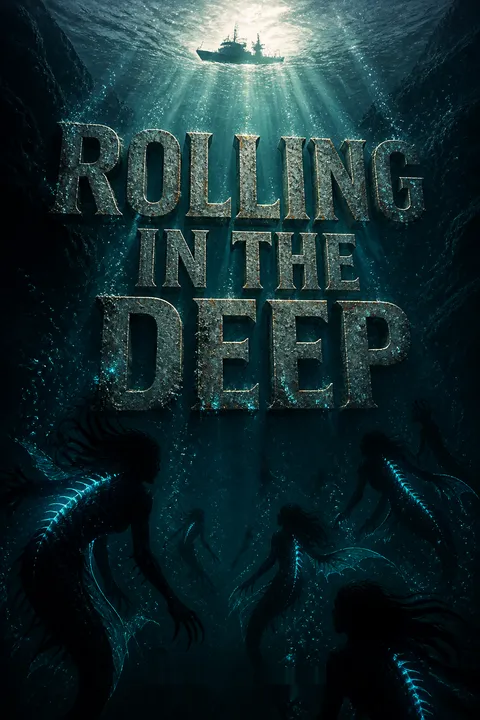
The Imagine Network, once known for schlocky horror, pivots to sensational "hyper-reality" documentaries to save itself. Their latest stunt: a voyage to the Mariana Trench to "prove" the existence of mermaids. The SS Atargatis is loaded with scientists, actors, a professional mermaid troupe, and a full film crew. The network's blend of fact and fiction blurs the line between documentary and entertainment, setting the stage for a journey that promises spectacle, ratings, and, unbeknownst to all, disaster. The ship's departure is a media event, but beneath the excitement, there's unease—no one aboard suspects that none will return.
Gathering the Cast
Captain Jovanie Seghers commands the Atargatis with a steady hand, balancing the demands of her crew, the network's meddling, and a diverse group of scientists. The scientists—driven by ambition, rivalry, and the hope for discovery—clash with the network's need for drama. The Blue Seas mermaid troupe, hired for staged "sightings," add another layer of artifice. As the ship sets sail, alliances and resentments form, and the boundaries between performance and reality blur. Everyone is chasing something: fame, tenure, or a new beginning, but the ocean is indifferent to their dreams.
Into the Mariana Deep
The Atargatis journeys across the Pacific, stopping in Honolulu before reaching the remote, mysterious Mariana Trench. The scientists prepare their equipment, eager for data that could make their careers. The mermaid performers practice, blending fantasy with athleticism. The ship's isolation grows palpable as it leaves civilization behind. The ocean's vastness and the unknown depths below create a sense of awe and foreboding. The crew and passengers are united by curiosity and ambition, but also by a growing sense that they are trespassing in a place not meant for humans.
Science and Spectacle Collide
The Imagine Network's cameras roll as scientists conduct real research, while Anne Stewart, the network's charismatic host, delivers scripted lines about mermaids. The mermaid troupe swims in costume, providing staged "evidence" for the cameras. The scientists, though skeptical, are complicit—hoping the spectacle will fund their real work. The boundaries between truth and performance erode, and the ship becomes a microcosm of modern media: spectacle masquerading as discovery, with everyone playing a part. Beneath the surface, something watches, disturbed by the ship's presence.
Mermaids: Fact or Fiction?
Alexandra, the marine chemist, deploys probes into the trench, seeking chemical and biological anomalies. The scientists debate the nature of myth and evidence, while Anne and the film crew chase dramatic moments. The mermaid performers, both spectacle and symbol, reflect on their roles as living myths. The ocean yields strange data—unusual proteins, odd readings, and, most disturbingly, a sample that appears to contain blood. The line between myth and reality begins to blur, and the first hints of something truly unknown emerge from the deep.
Probes and Blood in the Water
Alexandra's probe, descending into the abyss, is disturbed by a glowing, webbed hand—unseen by the crew, but leaving behind a sample of blood. The scientists analyze the blood, debating its origin: fish, mammal, or something else? Tensions rise as the evidence defies easy explanation. The mermaid troupe, meanwhile, enjoys their first swim in open water, unaware that something has been awakened below. The Atargatis, through its intrusion, has drawn the attention of predators that do not belong in any human story.
The First Disappearances
A crewman vanishes during a night watch, dismissed as an accident. Soon after, Jessica, one of the mermaid performers, disappears during a routine swim. The crew and scientists search in vain, but the ocean gives nothing back. The mood aboard shifts from excitement to dread. The scientists note the absence of expected predators—no sharks, no large fish—suggesting something has disrupted the ecosystem. The sense of being watched intensifies, and the first cracks appear in the group's composure.
A Predator Revealed
Peter Harris's deep-sea camera captures a shocking image: a creature with a humanoid face, webbed hands, bioluminescent hair, and needle teeth—a mermaid, but not the kind from fairy tales. The scientists are stunned, torn between awe and terror. When the camera is hauled up, the creature attacks, maiming and killing one of the scientists before vanishing overboard. Panic erupts. The myth has become flesh, and it is hungry. The Atargatis is no longer a stage for spectacle, but a hunting ground.
Panic on Deck
The crew and scientists scramble to make sense of the attack. Some believe it's an elaborate hoax; others are paralyzed by fear. Captain Seghers is pressured to turn the ship around, but the network's representative refuses, citing contracts and ratings. As the survivors argue, the reality of their situation becomes clear: they are trapped, isolated, and being hunted. The ocean, once a source of wonder, is now a source of terror. The ship's fragile order collapses as the true nature of their peril emerges.
The Mermaids' Last Swim
The remaining Blue Seas mermaids, mourning their lost friend, return to the water for a memorial swim. They are ambushed by the real mermaids—predatory, intelligent, and merciless. The attack is swift and brutal; the performers are dragged under, their bodies claimed by the sea. The creatures mimic human voices, sowing confusion and horror among the witnesses. The line between human and monster blurs as the survivors realize the mermaids are not only real, but capable of learning and imitating their prey.
Monsters Ascend
As night falls, the mermaids swarm up the anchor chains, crawling onto the decks in a coordinated assault. The crew and passengers are overwhelmed by the sheer number and ferocity of the creatures. Guns and weapons provide little defense. The mermaids communicate with each other, displaying intelligence and strategy. The Atargatis becomes a slaughterhouse, its corridors and cabins echoing with screams. The survivors are picked off one by one, their attempts at resistance futile against the relentless tide from the deep.
The Ship Besieged
Captain Seghers tries to rally the survivors and restart the engines, but the ship is overrun. The scientists, once united by curiosity, are scattered and slaughtered. Attempts at communication with the mermaids fail; their mimicry is chilling, not hopeful. The creatures' biology is revealed to be a nightmare blend of fish, mammal, and jellyfish—adapted for predation and deception. The survivors realize too late that the mermaids' attacks are not random, but part of a reproductive strategy: the bodies are being fed to something even larger below.
Descent into Chaos
The few remaining survivors barricade themselves in the control room as the mermaids rampage through the ship. Alexandra, the chemist, deduces the truth: the mermaids are like anglerfish, with extreme sexual dimorphism—many males, one enormous female. The attacks are a courtship offering, the bodies meant to feed the queen. As the ship tries to escape, a massive bioluminescent shape rises from the depths, dwarfing the Atargatis. The survivors are paralyzed by terror as the sea itself seems to come alive.
The Captain's Stand
Captain Seghers, refusing to abandon her crew, makes a final effort to save the ship. She orders the engines to full power, but it is too late. The mermaids breach the control room, and the last survivors are killed. The Atargatis is left adrift, its decks slick with blood and slime. The ocean reclaims its secrets, and the ship's fate becomes another unsolved mystery. The captain's courage is remembered only in the fragments of footage left behind.
The Final Broadcast
The Atargatis is found weeks later, empty and battered, with no survivors. The Imagine Network airs the recovered footage, sparking debate and disbelief. Was it a hoax, a tragedy, or proof of something unimaginable? The network profits from the spectacle, but the truth remains elusive. The families of the lost demand answers, but the sea keeps its secrets. The story becomes legend, another ghost ship in the annals of maritime mystery.
The Sea Claims All
The final lesson of the Atargatis is one of humility and horror. The deep sea, vast and unknowable, is home to wonders and terrors beyond human comprehension. The boundaries between myth and reality are thin, and the price of trespass is steep. The Atargatis and all aboard are lost, their fate a warning to those who would seek to turn the unknown into entertainment. The sea remains, indifferent and eternal, its dark places undisturbed—until the next foolhardy expedition dares to seek what should remain hidden.
Analysis
A cautionary tale of hubris, spectacle, and the unknownRolling in the Deep is a razor-sharp deconstruction of humanity's relationship with the natural world and with its own myths. By blending scientific plausibility with horror, Mira Grant exposes the dangers of treating the unknown as entertainment and the arrogance of believing we can control or commodify nature's mysteries. The novel interrogates the ethics of media, the seduction of spectacle, and the thin line between curiosity and recklessness. Its characters—ambitious, flawed, and ultimately powerless—are undone by their refusal to heed the warnings of the deep. The mermaids, both monstrous and wondrous, embody the ocean's indifference and its capacity for awe and terror. In the end, the Atargatis's fate is a stark reminder: some secrets are not meant to be uncovered, and the sea will always have the last word.
Review Summary
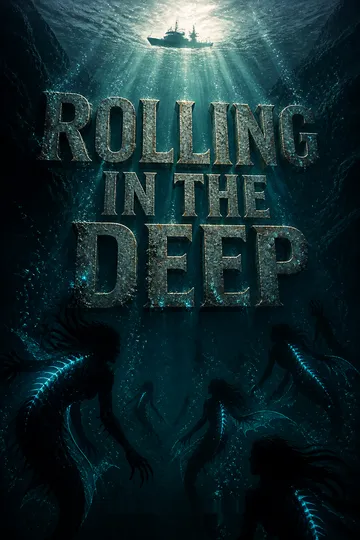
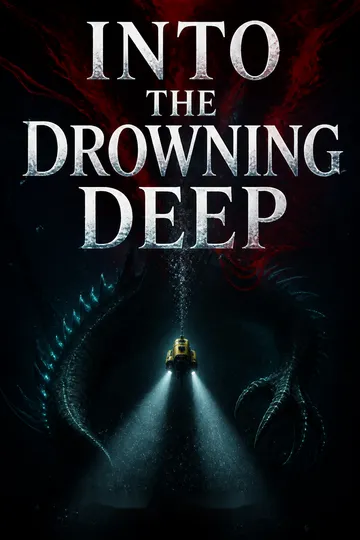
Rolling in the Deep receives mostly positive reviews (3.94/5), praised for Mira Grant's plausible science, rich characters, and terrifying take on predatory mermaids. Readers appreciate the novella's punchy length, found-footage format, and build-up of suspense despite knowing everyone dies. The diverse cast and underwater horror elements resonate strongly. Critics note slow pacing, excessive character descriptions, and lack of tension compared to the sequel Into the Drowning Deep. Some find it predictable or disappointing. Most agree Grant transforms mermaids from fairy-tale creatures into genuinely frightening predators through scientific detail and atmospheric storytelling.
People Also Read


Characters
Jovanie Seghers
Jovanie is the experienced, no-nonsense captain of the Atargatis, hired to ferry the network's expedition. She is fiercely protective of her crew and ship, balancing professionalism with a deep sense of responsibility. Her relationship with her first mate, David, is built on mutual trust and respect. Jovanie's pragmatism and skepticism are tested as the voyage descends into chaos. She resists the network's manipulations and ultimately prioritizes the safety of her people over profit or reputation. Her arc is one of stoic leadership, forced to confront the limits of human control in the face of the ocean's true power.
David Mendoza
David, Jovanie's Deaf first mate, is a pillar of competence and calm. His ability to communicate through sign language and his deep knowledge of the ship make him indispensable. David's outsider status—both as a Deaf man and as someone underestimated by others—gives him a unique perspective. He attempts to bridge the gap between humans and the mermaids, recognizing their intelligence and trying to communicate. His fate is tragic, as his efforts at understanding are met with predation, underscoring the limits of empathy in the face of true otherness.
Anne Stewart
Anne is the Imagine Network's on-camera personality, skilled at blending authority with approachability. She is ambitious, calculating, and adept at playing the role the network requires. Beneath her polished exterior lies a pragmatic survivor, willing to exploit spectacle for career advancement. Anne's journey is one of gradual disillusionment, as the line between performance and reality collapses. She is forced to confront the consequences of turning horror into entertainment, and her final moments are marked by a desperate clinging to objectivity as the world unravels.
Alexandra MacMillan
Alexandra is a marine chemist whose ambition is matched only by her scientific rigor. She is motivated by the hope of discovery and the fear of professional obscurity. Alexandra's analytical mind allows her to piece together the true nature of the mermaids, recognizing the ecological and evolutionary implications. Her arc is one of revelation and horror, as her pursuit of knowledge leads to the realization that some mysteries are better left unsolved. She is both a victim and a witness, her final insight a warning about the dangers of curiosity unchecked by caution.
Peter Harris
Peter is the ship's fish expert, older and more eccentric than his colleagues. He is fascinated by the unknown, driven by a desire to catalog and understand the ocean's secrets. Peter's intellectual detachment is both his strength and his undoing; he is so enthralled by the mermaids' biology that he underestimates their danger. His attempt to communicate with the creatures ends in his death, a testament to the peril of mistaking wonder for safety. Peter embodies the tragic scientist, undone by the very mystery he sought to unravel.
Sonja Weinstein
Sonja is a marine mammal expert and activist, skeptical of the network's motives and fiercely protective of ocean life. She is outspoken, principled, and often at odds with her colleagues. Sonja's focus on the ethical implications of discovery sets her apart, and she is one of the first to recognize the threat posed by the mermaids. Her arc is one of vindication and tragedy, as her warnings go unheeded and she is ultimately consumed by the very forces she sought to defend.
Jonny Chen
Jonny is an algae expert, known for his sharp intellect and combative relationship with his partner, Anton. His quick wit and willingness to challenge authority make him a memorable presence. Jonny's scientific curiosity is genuine, but his personal conflicts distract from the growing danger. His death is sudden and brutal, a reminder that intelligence and bravado are no match for the ocean's predators.
Anton Matthews
Anton, Jonny's partner, is quieter and more introverted, preferring the company of his research to the spotlight. He is uncomfortable with the network's theatrics and the ship's social dynamics. Anton's skepticism leads him to dismiss the first signs of danger as special effects, a fatal mistake. His death at the hands of the mermaid is the turning point for the group, shattering any remaining illusions of safety.
Sunnie (Blue Seas Leader)
Sunnie is the de facto leader of the Blue Seas mermaid troupe, responsible for the safety and morale of her performers. She is pragmatic, nurturing, and fiercely loyal to her friends. Sunnie's efforts to maintain order and honor Jessica's memory are heroic but ultimately futile. Her death, along with her troupe, symbolizes the collapse of fantasy in the face of predatory reality.
Adrian Curran
Curran is the Imagine Network's on-board producer, obsessed with contracts, ratings, and control. He is dismissive of danger, prioritizing the network's interests over human life. Curran's inability to adapt or empathize makes him a symbol of corporate hubris. His fate is sealed by his refusal to acknowledge reality, and he is swept away by the very spectacle he sought to orchestrate.
Plot Devices
Blurring Fact and Fiction
The novel's structure—framed by "documentary" excerpts and found footage—constantly questions what is real and what is manufactured. The Imagine Network's blending of staged events and genuine science mirrors the characters' inability to distinguish myth from reality. This device heightens suspense and implicates the audience in the spectacle, forcing readers to confront their own appetite for sensationalism.
Mertensian Mimicry and Evolution
The mermaids are revealed as products of extreme evolutionary adaptation: intelligent, social, and capable of mimicry—both physical and vocal. Their biology draws on real-world deep-sea phenomena (bioluminescence, sexual dimorphism, predatory strategies), grounding the horror in plausible science. The use of mimicry as both a plot device and a metaphor underscores the dangers of underestimating the unknown.
Found Footage and Multiple Perspectives
The story unfolds through a mix of traditional narrative, documentary transcripts, and recovered footage. This multiplicity of perspectives creates ambiguity, heightens tension, and allows for both intimate character moments and sweeping horror. The found footage device also serves as a commentary on media consumption and the ethics of turning tragedy into entertainment.
Foreshadowing and Dramatic Irony
Early hints—missing predators, strange readings, the mermaids' mimicry—foreshadow the coming disaster. The audience, privy to the documentary's framing, knows from the start that the voyage will end in tragedy. This dramatic irony intensifies the suspense, as characters' hopes and ambitions are gradually crushed by the inevitable.
Rolling in the Deep Series
About the Author
Other books by Mira Grant
Download PDF
Download EPUB
.epub digital book format is ideal for reading ebooks on phones, tablets, and e-readers.








































