

Plot Summary
Haunted Beginnings and Loss
Merle Blatty, a grieving father and husband, is introduced as a man haunted by the supernatural loss of his wife and son. His wife's descent into madness and suicide, following a failed séance and the opening of a well in their farmhouse, sets Merle on a relentless quest to confront evil. The trauma of his family's destruction becomes the catalyst for his transformation into a self-taught exorcist, driven by guilt and a desperate need for meaning. The narrative establishes the emotional scars that fuel Merle's journey, blending rural Americana with gothic horror. The sense of isolation, both physical and psychological, is palpable as Merle's pain becomes a magnet for darkness, and the seeds of generational haunting are sown.
The Spider's Web Unveiled
Years later, a gruesome murder at Weston State Hospital draws Merle's attention. The killer, Willie Barnes, claims "The Spider" made him do it, describing a presence with glowing orange eyes—an echo of Merle's wife's possession. Merle's investigation reveals a pattern: places of suffering become breeding grounds for supernatural evil. The Spider, a demonic entity, manipulates the vulnerable, feeding on fear and belief. Merle's confrontation with Willie exposes the demon's cunning and its ability to weave webs of hysteria, infecting minds and institutions alike. The chapter pulses with dread as Merle realizes the evil he thought contained is evolving, learning, and spreading.
Family Secrets and Fractures
The narrative shifts to the Hill family decades later. Daniel Hill, a psychologist, his wife Nora, and their daughters Alice and Maren, are introduced as a family marked by unspoken wounds. Their move to Merle's old farmhouse, intended as a fresh start, instead reawakens buried horrors. The family's dynamic is strained by secrets—Nora's postpartum fears, Daniel's guilt, and Alice's adolescent anxieties. The house becomes a crucible, amplifying their vulnerabilities. The past and present intertwine as the family's history with the supernatural is revealed, and the legacy of the well's evil begins to manifest in subtle, insidious ways.
Possession at Weston Hospital
Merle's visit to Willie Barnes at the hospital becomes a battle of wills. The Spider, speaking through Willie, taunts Merle with intimate knowledge of his pain. The encounter is a psychological duel, with Merle using faith and cunning to exorcise the demon. The hospital's atmosphere—overcrowded, neglected, and despairing—serves as fertile ground for the Spider's influence. The collective fear of staff and patients amplifies the entity's power, turning the institution into a hive of paranoia. Merle's victory is pyrrhic; the Spider warns that its web is only beginning, foreshadowing a wider, more dangerous spread.
The Well's Dark Origin
Through flashbacks and confessions, the true nature of the farmhouse's well is uncovered. It is not merely a physical structure but a spiritual gateway—a "dark spot" where human suffering and demonic intent converge. Merle's wife's séance, intended to contact their dead son, instead opened a portal for the Spider and its kin. The well becomes a symbol of generational trauma, a wound that festers and infects all who come near. The narrative explores the idea that belief—whether in God, the Devil, or the power of evil—shapes reality, and that places of pain can become nexuses for supernatural horror.
Generational Curses Awaken
As the Hill family settles into the farmhouse, the Spider's influence intensifies. Objects move, time slips, and the family's psychological defenses erode. Nora's fears for her unborn child, Maren, become prophetic as she senses a darkness growing within. Daniel's skepticism is tested by increasingly undeniable phenomena. The house becomes a character in itself, its walls echoing with the suffering of previous generations. The Spider manipulates dreams, memories, and relationships, setting the stage for a new cycle of possession and violence. The sense of inevitability is suffocating, as the family is drawn deeper into the web.
Merle's Night of Terror
Merle endures a night of supernatural assault in his own home. Apparitions of his dead wife and son, twisted into monstrous forms, torment him. The Spider orchestrates a psychological siege, exploiting Merle's guilt and longing. The house becomes a labyrinth of horrors, with reality and hallucination indistinguishable. Merle's only defense is his faith and the power of love—memories of his family become his shield. In a climactic act, he uses holy water and ingenuity to repel the legion of demons, but the victory is bittersweet. The Spider's parting words promise that the battle is far from over.
College Goodbyes, Lingering Shadows
Years later, Daniel and Nora bring their daughter Alice to college, hoping to leave the past behind. The family's attempt at normalcy is undercut by subtle reminders of the supernatural—songs from the past, fleeting visions, and a persistent sense of unease. The trauma of the farmhouse lingers, shaping their relationships and outlook. The narrative explores the difficulty of moving on, the ways in which the past clings to the present, and the fear that evil, once encountered, never truly lets go. The emotional resonance is deepened by the family's love and resilience, even as darkness gathers on the horizon.
The House Draws Them Back
Adam, Daniel's estranged brother, purchases the farmhouse with the intention of exploiting its haunted reputation. His skepticism and greed blind him to the true danger. As Adam and his companions stage a fake haunting, they inadvertently reopen the well, unleashing the Spider once more. The house, dormant for years, awakens with a vengeance. The narrative becomes a race against time as Daniel, Nora, and their allies realize the threat and are drawn back to the site of their greatest trauma. The sense of dread is palpable, as the web tightens and the stakes become existential.
The Demon's Return
With the well open, the Spider possesses Adam and spreads its influence to others, including Michelle and Penny. The entity orchestrates a series of violent, ritualistic acts, using the house as a stage for its blasphemous designs. The narrative becomes a tapestry of possession, betrayal, and escalating horror. The Spider's power is revealed to be greater than any previous demon, capable of manipulating multiple hosts and sowing chaos across state lines. The family's bonds are tested as they confront the reality that the evil they once escaped has returned, more cunning and vengeful than ever.
The Spider's Many Strands
The Spider's web extends beyond the farmhouse, infecting institutions, individuals, and even the very land. Its influence is both supernatural and psychological, exploiting trauma, fear, and belief. The narrative explores the idea that evil is not confined to a single place or person but is a contagion that spreads through stories, memories, and collective suffering. The Spider manipulates events to draw the Hill family back, using their love and guilt as bait. The sense of inevitability is crushing, as the characters realize they are caught in a pattern that began long before them and may continue long after.
The Well Reopened
The climax builds as the well becomes the focal point of the Spider's ritual. The house is transformed into a temple of blasphemy, with inverted crosses, ancient symbols, and a fire that burns without consuming. The Spider's goal is revealed: to possess Maren, a child conceived in the shadow of the well, and use her as a vessel for ultimate evil. The family's love becomes both weapon and weakness, as they struggle to save Maren without destroying her. The narrative is suffused with apocalyptic imagery, as the boundary between worlds grows thin and the cost of salvation becomes clear.
The Children's Ordeal
Alice and Maren, separated from their parents, endure their own trials. Alice faces possession and violence, her body and mind twisted by the Spider's malice. Maren, the intended vessel, is manipulated with promises of love and belonging. The children's ordeal is both physical and spiritual, a test of their resilience and the strength of their family's bonds. The narrative does not shy away from the horror of innocence imperiled, but it also highlights moments of courage, sacrifice, and the enduring power of love. The emotional stakes are at their highest, as the family's fate hangs in the balance.
The Final Exorcism
The arrival of Father Marcus, a priest with knowledge of Merle's legacy, sets the stage for a final confrontation. The exorcism is a battle not just of ritual and faith, but of will and love. Daniel, wounded and desperate, makes the ultimate sacrifice to save Maren, offering himself as a vessel to draw the Devil's attention. The Spider is revealed to be a pawn in a larger cosmic game, its ambitions crushed by the very forces it sought to unleash. The exorcism is both a physical and metaphysical struggle, with the fate of the family—and perhaps the world—at stake.
Sacrifice and Salvation
Daniel's self-sacrifice, aided by Buck the bloodhound and the intervention of Father Marcus, severs the well's connection to Hell. The Spider and its master are banished, but not without loss. Alice and Adam are dead, and the family is forever changed. Nora and Maren, survivors of unimaginable horror, are left to pick up the pieces. The narrative lingers on the ambiguity of victory—evil is defeated, but the scars remain. The power of love, faith, and sacrifice is affirmed, but the cost is steep. The story refuses easy answers, honoring the complexity of trauma and redemption.
Aftermath and Unanswered Questions
In the aftermath, Nora and Maren return home, haunted by memories and questions. Father Marcus offers comfort and guidance, but the future is uncertain. The well is sealed, the house is to be destroyed, but the possibility of evil's return lingers. Maren, baptized and protected, remains an enigma—a child touched by darkness but also by love. The narrative explores the challenges of moving forward, the persistence of doubt, and the hope that healing is possible. The cycle of trauma is not easily broken, but the survivors are determined to try.
The Cycle Continues
The epilogue reveals that the story is not truly over. Years later, hints of the Spider's influence resurface in new places and new generations. The web of evil, though damaged, is not destroyed. The narrative closes with a sense of both closure and unease, acknowledging that the battle between good and evil is ongoing, and that the past is never truly past. The final image is one of resilience—a family scarred but unbroken, a world still haunted but not without hope.
Analysis
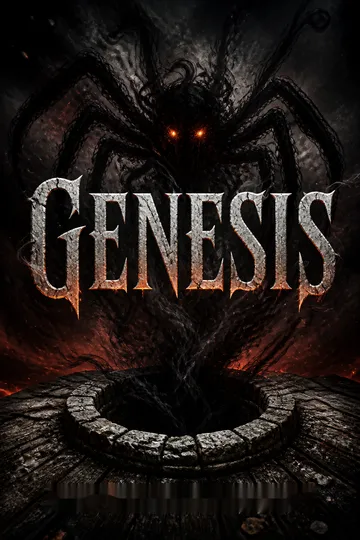
Genesis by Nick Roberts is a masterful exploration of generational trauma, faith, and the insidious nature of evil. By weaving together timelines, perspectives, and motifs, the novel transcends the boundaries of traditional horror, offering a meditation on the ways in which the past infects the present. The well at the heart of the story is both a literal gateway to Hell and a metaphor for the wounds we inherit and pass on. The Spider, as antagonist, embodies the adaptability and persistence of evil, thriving on belief, fear, and the stories we tell ourselves. The novel's greatest strength lies in its refusal to offer easy answers—victory comes at a cost, and the scars of trauma linger long after the battle is won. Genesis challenges readers to confront the darkness within and without, to recognize the power of love and faith, and to accept that the struggle between good and evil is ongoing, cyclical, and deeply personal. In a world haunted by the past, hope endures not in the absence of evil, but in the courage to face it, again and again.
Review Summary
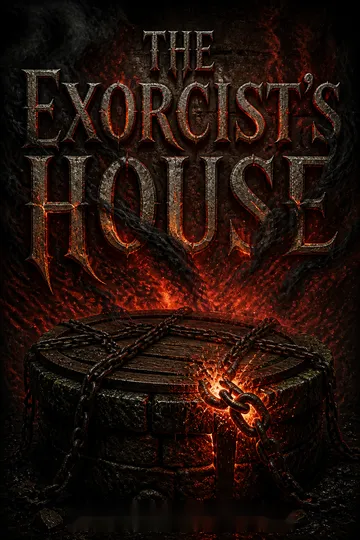
The Exorcist's House: Genesis receives mostly enthusiastic reviews, with readers praising its intense demonic horror and dual timeline structure alternating between 1967 (Merle Blatty's origin story) and 1997 (the Hill family's return). Fans appreciate the elevated scares, memorable antagonist "The Spider," and connections to Roberts' other work, Anathema. Many call it superior to the first book, finishing it in one sitting despite disturbing content. However, some critics cite immature descriptors, excessive exposition, and a preference for focusing solely on Merle's story. Overall, it's considered terrifying, well-paced horror.
People Also Read

Characters
Merle Blatty
Merle is the emotional and spiritual anchor of the narrative, a man transformed by the trauma of losing his wife and son to supernatural evil. His journey from grief-stricken farmer to self-taught exorcist is marked by guilt, obsession, and a desperate need for redemption. Merle's relationships—with his family, with the priests who mentor him, and with the forces of darkness—are fraught with complexity. Psychologically, he is a study in resilience and vulnerability, his faith both weapon and shield. Merle's development is a testament to the power of love and belief, but also a cautionary tale about the costs of confronting evil.
Daniel Hill
Daniel is a man caught between rationality and the supernatural, his training as a psychologist at odds with the horrors he faces. His love for his family is both his strength and his Achilles' heel. Daniel's journey is one of gradual surrender to the reality of evil, and his ultimate sacrifice is a powerful act of love and faith. His relationship with Nora is marked by mutual support and unspoken fears, while his bond with his daughters is the emotional core of his character. Daniel's psychological arc is one of acceptance, courage, and the willingness to pay any price for those he loves.
Nora Hill
Nora is a complex figure, torn between maternal instinct and the fear that she has brought evil into the world. Her postpartum anxieties, guilt over the past, and fierce love for her children make her both relatable and tragic. Nora's relationship with Maren is especially fraught, as she fears her daughter may be the vessel for the Spider's return. Her development is marked by moments of vulnerability and strength, and her ultimate survival is a testament to the power of love to overcome even the deepest darkness. Nora's psychological journey is one of self-forgiveness and resilience.
Alice Hill
Alice represents the cost of generational trauma and the vulnerability of innocence. Her ordeal—possession, violence, and ultimately death—is a harrowing exploration of the ways in which evil preys on the young and the pure. Alice's relationship with her family, especially her sister Maren, is tender and protective. Her psychological arc is one of courage in the face of unimaginable horror, and her spirit's intervention in the final exorcism is a poignant reminder that love endures beyond death.
Maren Hill
Maren is the narrative's most enigmatic figure—a child conceived in the shadow of the well, marked by both innocence and darkness. Her role as the intended vessel for the Spider's ultimate evil is a source of terror and ambiguity. Maren's relationship with her family, especially Nora, is a battleground of love and suspicion. Psychologically, she is both victim and potential threat, her fate a reflection of the story's central question: can love redeem what evil has touched? Maren's survival is both a victory and a warning.
The Spider
The Spider is the primary antagonist, a demon born of suffering and belief. Its power lies in its ability to infect minds, institutions, and even the land itself. The Spider is cunning, adaptive, and relentless, feeding on fear and using love as both bait and weapon. Its psychological profile is one of narcissism, sadism, and existential hunger. The Spider's relationship with its hosts is parasitic, and its ultimate goal—the possession of Maren and the birth of a new evil—is both apocalyptic and deeply personal. The Spider is a symbol of generational trauma, the darkness that refuses to die.
Adam Hill
Adam is a skeptic whose greed and resentment make him an easy target for the Spider. His attempt to exploit the farmhouse's haunted reputation leads to his possession and eventual destruction. Adam's relationship with Daniel is marked by rivalry and unspoken pain, while his interactions with the supernatural are a study in denial and hubris. Psychologically, Adam is both victim and enabler, his fate a cautionary tale about the dangers of ignoring the past.
Father Marcus
Father Marcus is the spiritual successor to Merle's priestly mentors, a man of faith and intellect who understands the true nature of the well's evil. His arrival signals hope, but also the escalation of the battle. Father Marcus's relationship with the Hill family is one of guidance and sacrifice, and his confrontation with the Spider is a test of both ritual and belief. Psychologically, he is a man burdened by knowledge but sustained by faith, his presence a reminder that evil can be fought, but never fully vanquished.
Buck
Buck is more than a family pet; he is a symbol of loyalty, resilience, and the power of the ordinary to confront the extraordinary. His actions—attacking possessed humans and demons, delivering holy water—are both literal and metaphorical acts of salvation. Buck's relationship with the family, especially Merle and Daniel, is one of unconditional love. Psychologically, he represents the grounding force of the familiar in the face of chaos.
Michelle and Penny
Michelle and Penny are drawn into the Spider's web through their association with Adam. Their possession and participation in the Spider's rituals highlight the indiscriminate nature of evil and the ease with which ordinary people can become instruments of horror. Their psychological arcs are brief but impactful, serving as reminders of the collateral damage wrought by generational curses.
Plot Devices
Generational Haunting and Trauma
The narrative structure of Genesis is built on the idea that trauma, both supernatural and psychological, is inherited. The well serves as a literal and metaphorical wound, infecting each generation that comes into contact with it. Flashbacks, parallel timelines, and shifting perspectives reinforce the cyclical nature of the haunting. The Spider's web is both a plot device and a symbol, connecting characters, events, and places across decades. Foreshadowing is used extensively, with songs, visions, and recurring motifs hinting at the inevitability of the final confrontation. The story's structure mirrors the web itself—interconnected, inescapable, and ever-expanding.
The Power of Belief
A central device is the idea that belief—whether in God, the Devil, or the possibility of evil—gives power to the supernatural. The Spider feeds on fear and faith alike, manipulating perception and reality. Exorcisms, rituals, and even ordinary objects (like holy water or a cross-shaped bandage) derive their power from the conviction of those who wield them. The narrative blurs the line between psychological and supernatural horror, suggesting that the mind is both battleground and weapon. This device allows for ambiguity, as characters struggle to discern what is real and what is the product of haunted minds.
Ritual, Symbolism, and Inversion
The Spider's rituals—marked by inverted crosses, ancient symbols, and perversions of sacred songs—are designed to mock and subvert the power of faith. The well, the house, and even the family itself become sites of ritualized violence and blasphemy. The narrative uses inversion as a recurring motif: love becomes a weapon, innocence is corrupted, and the tools of salvation are turned against their wielders. This device heightens the sense of dread and underscores the stakes of the battle.
The Unreliable Mind
Characters frequently experience hallucinations, time slips, and false memories, blurring the line between reality and delusion. The Spider's greatest weapon is its ability to haunt the mind, turning characters' own thoughts and fears against them. The narrative structure reflects this instability, with shifting timelines, dream sequences, and ambiguous events. This device creates a sense of disorientation and vulnerability, forcing both characters and readers to question what can be trusted.
The Exorcist's House Series
About the Author

Download PDF
Download EPUB
.epub digital book format is ideal for reading ebooks on phones, tablets, and e-readers.








































