
Plot Summary
Arrival at Erimus House
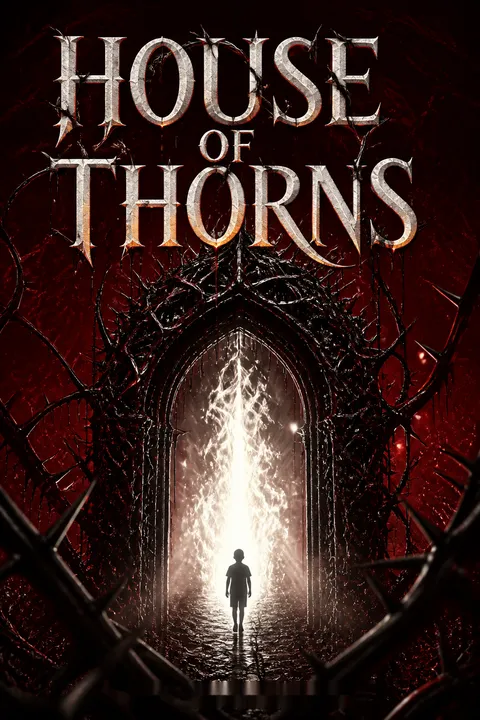
Emily Harper, an orphan, arrives at Erimus House, a grand, isolated children's home run by the enigmatic Eleanore. She is greeted by three other children—Ollie, Daniel, and Lucy—who, like her, have lost their families. The house is imposing, filled with strange carvings and overgrown with thorny vines, but Eleanore's warmth and the children's camaraderie offer Emily a fragile sense of hope. Yet, beneath the surface, Emily senses unease: the house is too quiet, the cellar is strictly off-limits, and Eleanore's kindness is tinged with secrets. As Emily settles in, she is haunted by the trauma of her parents' death and the daunting prospect of forging a new family in a place that feels both sanctuary and prison.
Bonds of the Orphans
The four children—Emily, Ollie, Daniel, and Lucy—grow close, sharing their stories of loss and pain. Their bond is deepened by shared vulnerability and the absence of real family, creating a surrogate siblinghood. Eleanore, though caring, keeps a certain distance, and the children sense she is hiding something. Together, they explore the house and grounds, finding comfort in each other's company. Yet, the house's isolation and the children's collective trauma foster a sense of unease. Nighttime brings fear, and Daniel, in particular, is plagued by the house's oppressive atmosphere. The children's unity becomes their shield against the unknown, but also the key to unraveling the mysteries that surround them.
Shadows and Secrets
Strange events escalate: doors open in the night, footsteps echo in empty halls, and the children glimpse faceless watchers in the shadows. Daniel and Ollie witness Eleanore's secretive nocturnal trips to the cellar, carrying trays and muttering to herself. The children's curiosity and fear mount as they realize Eleanore is not just a guardian, but a keeper of secrets. Lucy is convinced the house is haunted, while Emily tries to rationalize the events. The children's trust in Eleanore begins to erode, replaced by suspicion and a desperate need to understand what lurks beneath their home. The cellar, always locked, becomes a symbol of the forbidden and the unknown.
The Cellar's Forbidden Door
Driven by fear and curiosity, the children conspire to obtain the key to the cellar. Ollie, the group's protector, fakes illness to search Eleanore's room, discovering not only the key but also hidden photos of four other children and cryptic notes about rituals and thorns. When he finally descends into the cellar, he finds a hidden hatch and glimpses a monstrous, many-eyed being below. The revelation terrifies him, confirming their worst fears: the house is not just haunted, but inhabited by something inhuman. The children's sense of safety is shattered, and the cellar's secret becomes the axis around which their fate will turn.
Night Terrors and Watchers
The children are beset by increasingly terrifying phenomena. The watchers—faceless, clicking entities—move through the house, repairing damage and observing the children. The boundary between reality and nightmare blurs as the children are attacked by a monstrous Guardian, a hulking, thorn-wrapped figure that emerges from the cellar. Each attack leaves them physically and emotionally scarred, and after each, they awaken younger, their bodies and memories regressing toward childhood. The house's red-lit world becomes a purgatory, and the children realize they are trapped in a cycle of violence and rebirth, watched over by entities whose motives are inscrutable.
The Family's Hidden Past
Through hidden documents and Eleanore's reluctant confessions, the children learn the truth: Eleanore and her dying husband, Jasper Graves, were once members of a cult, the Children of the New Sun. They fled after the cult murdered their four children, and in their grief, used forbidden rituals to create a pocket afterlife—Erimus House—where they could be reunited with their lost family. The rituals required blood, sacrifice, and the creation of a Guardian to enforce the house's rules. The children realize they were never meant to be Eleanore's family, but replacements, pawns in a desperate bid to cheat death and loss.
The Guardian Awakens
The Guardian, once Jasper Graves, is revealed as the enforcer of the house's unnatural order. Its attacks are not random: it is compelled to "purify" the children, stripping away their age and identity until they are as they were on the night of the fire. Each cycle brings them closer to being replaced by the souls of Eleanore's original children, whose essence is trapped in monstrous forms outside the house. The children's suffering is the price of Eleanore's bargain, and the Guardian's rage is the echo of Jasper's own torment. The house is a prison, and the Guardian its relentless warden.
Blood, Ritual, and Fire
Memories return: the night of the fire, Eleanore's failed ritual, and the children's deaths. Ollie, the youngest, died first, crushed while trying to save Lucy's locket. Eleanore, overcome by guilt, took her own life. The children's blood, burned in a ritual, bound their souls to the house. The white flame beneath the cellar is the anchor of their purgatory, fueled by Jasper's sacrificed soul. The children realize that as long as the flame burns, they are trapped, doomed to relive their trauma and be hunted by the Guardian and the Alû—monsters carrying the souls of Eleanore's lost children.
Death and Memory
The children confront the white flame, each reliving the moment of their death. Emily and Dan, who fell in love after the fire, were killed by Lucy in a moment of betrayal and despair, after years of growing apart. Lucy, abandoned and desperate, joined the cult that had destroyed Eleanore's family, seeking belonging. Ollie, who died as a child, is forced to accept that he will never grow up, never have the life he deserved. The pain of their deaths is matched only by the pain of their memories, and the realization that they have been used as currency in Eleanore's quest to reclaim her children.
The Red World
The house is revealed as a meticulously constructed purgatory, a red-lit world bounded by thorns and darkness. The children, now restored to their childhood forms, are hunted by the Alû, monstrous vessels for Eleanore's children's souls. Eleanore, desperate and broken, prepares to complete the final ritual, sacrificing the four orphans to bring her own children back. The children, cornered and out of options, must choose between being consumed by the Alû or facing the white flame, the only possible escape from their endless torment.
Eleanore's Bargain
Eleanore's true motives are laid bare: she loves the children, but her love is twisted by grief and guilt. She cannot let go of her lost family, and is willing to damn the orphans to hell to reclaim her own. Yet, as the final moment approaches, she is wracked by doubt. The children plead with her, arguing that her children would not want to be trapped in this place, that love cannot be forced or bought with suffering. Eleanore's resolve wavers, and she reveals the way out: the white flame, which can release their souls to whatever afterlife awaits.
The Children's True Fate
As the Alû break into the cellar, the children make their choice. They reject Eleanore's bargain, choosing to face the white flame together rather than be consumed and replaced. Eleanore, in a final act of love and remorse, sacrifices herself to buy them time, fighting the Alû so the children can reach the flame. The children, united in forgiveness and acceptance, step into the fire, choosing release over eternal imprisonment.
The White Flame's Choice
Passing through the white flame, the children relive their lives, their deaths, and the pain they caused and suffered. Emily and Dan forgive Lucy, and all three forgive Eleanore. Ollie, who lost the most, is comforted by the promise of reunion with his sister and parents. The flame burns away their guilt and fear, leaving only love and the hope of peace. Eleanore, consumed by the Alû, is dragged into a deeper hell, her punishment for breaking the bargain and damning innocent souls.
The Final Sacrifice
Eleanore's soul is devoured by monstrous entities in a nightmarish underworld, her suffering unending. She witnesses the release of her children's souls, freed from the Alû and returned to the afterlife they were torn from. Eleanore's punishment is absolute: she is denied the family she sought to reclaim, and condemned to eternal torment for her crimes. Her love, twisted by grief, becomes the instrument of her damnation.
The End of the House
Jasper Graves, now fully the Guardian, is left alone in the empty, red-lit house. The children are gone, Eleanore is lost, and his own children have moved on. The house, once a sanctuary, is now a prison of thorns and darkness, watched over by faceless entities and surrounded by cosmic horrors. Jasper's only company is the endless pain of his transformation and the knowledge that his sacrifice was in vain. The house stands forever, a monument to grief, guilt, and the dangers of refusing to let go.
Purgatory and Release
Emily, Ollie, Dan, and Lucy find themselves in a place of white mist, free from pain and fear. They are greeted by the souls of their loved ones, including Ollie's sister and Emily's parents. The children, now siblings in spirit, embrace and forgive each other, ready to move on to whatever comes next. The mists clear, and they are filled with a radiant light, finally at peace.
Forever, Together
In the end, the children are united in love and forgiveness, released from the cycle of suffering that bound them. Eleanore's tragedy is complete, her punishment eternal, but the children's story ends in hope. They move on together, their bonds unbroken, their pain transformed into compassion. The house of thorns is left behind, a warning and a lament, but the children are free—forever, together.
Analysis
House of Thorns is a masterful exploration of grief, trauma, and the human longing for connection, wrapped in the trappings of supernatural horror. At its core, the novel is a meditation on the dangers of refusing to let go—of loved ones, of guilt, of the past. Eleanore's desperate attempt to reclaim her lost family, no matter the cost, becomes a cautionary tale about the destructive power of grief when it curdles into obsession. The house itself is a metaphor for the mind trapped in mourning: beautiful on the surface, but filled with locked doors, hidden pain, and monsters born of denial. The children's journey—from orphans seeking family, to victims of a cycle of violence, to souls seeking release—mirrors the psychological process of healing: only by confronting the truth, forgiving themselves and each other, and accepting loss can they move on. The novel's use of ritual, cyclical structure, and unreliable memory creates a sense of inescapable fate, but also the possibility of redemption. In the end, House of Thorns is a story about the necessity of letting go, the power of forgiveness, and the hope that, even after unimaginable suffering, peace and reunion are possible.
Review Summary
House of Thorns by Lee Mountford receives polarizing reviews, averaging 4.02/5 stars. Many praise the two-part structure: a slow-building first half featuring four orphans at Erimus House with their guardian Eleanor, followed by an explosive, terrifying second half when they return as adults. Fans appreciate the creepy atmosphere, character development, and shocking twists. Critics cite overly simple prose, poor pacing, unbelievable character behavior, excessive length, and a confusing plot direction involving cosmic horror elements that disappointed some longtime readers.
Characters
Emily Harper
Emily is the emotional heart of the story, an orphan whose trauma and longing for family drive much of the narrative. She is intelligent, empathetic, and resilient, but haunted by the loss of her parents and the fear of abandonment. Emily's journey is one of forging connections, confronting betrayal, and ultimately choosing forgiveness over vengeance. Her relationship with Dan evolves from sibling-like closeness to romantic love, only to be shattered by tragedy. In death, Emily becomes the group's moral compass, guiding her friends toward acceptance and release. Her arc is one of healing: from wounded child to compassionate soul, she embodies the possibility of redemption through love.
Oliver "Ollie" Thompson
Ollie is the group's natural protector, the oldest and most confident among the children—until death freezes him in childhood. His need to shield the others is rooted in guilt over his sister's death and a deep-seated fear of failing those he loves. Ollie's arc is the most tragic: denied the chance to grow up, he is forced to accept the loss of his future and the reality of his own death. His anger at Eleanore is matched only by his loyalty to his friends. Ultimately, Ollie's courage and selflessness help the group find the strength to face the white flame, and his hope for reunion with his family is his final solace.
Daniel "Dan" Price
Dan is the most introspective and anxious of the group, plagued by nightmares and a sense of not belonging. His intelligence and mechanical aptitude make him the group's problem-solver, but his shyness often isolates him. In adulthood, Dan's love for Emily brings him happiness, but also sets the stage for tragedy when Lucy's betrayal leads to both their deaths. Dan's arc is one of self-forgiveness: he must accept the pain he caused and suffered, and let go of the guilt that binds him. His journey is a meditation on the complexity of love, loyalty, and the difficulty of moving on.
Lucy Clarke
Lucy is the youngest and most vulnerable, her innocence a source of both strength and pain. Orphaned and desperate for connection, she clings to her surrogate siblings, but is ultimately undone by loneliness and the feeling of being left behind. Lucy's later life is marked by her search for belonging, leading her into the arms of the cult that destroyed Eleanore's family. Her act of violence against Emily and Dan is born of despair, not malice, and her arc is one of seeking—and finally receiving—forgiveness. Lucy's journey is a testament to the enduring need for love and the possibility of redemption, even after terrible mistakes.
Eleanore Chambers
Eleanore is both caretaker and antagonist, her love for the children genuine but warped by grief and guilt. Her past as a cult member and the loss of her own children drive her to create the house's purgatory, sacrificing the orphans in a desperate bid to reclaim her family. Eleanore is complex: nurturing, manipulative, remorseful, and ultimately tragic. Her inability to let go of the past leads to her damnation, but her final act—revealing the way out—shows a glimmer of self-awareness and love. Eleanore's arc is a cautionary tale about the dangers of unchecked grief and the cost of refusing to accept loss.
Jasper Graves / The Guardian
Jasper, Eleanore's husband, is the unseen force behind the house's horror. Once a scholar and loving father, his soul is sacrificed to power the house's afterlife, transforming him into the monstrous Guardian. His rage and pain are the engine of the children's suffering, and his presence is both protective and punitive. Jasper's arc is one of unintended consequence: his desire to save his family becomes the source of endless torment, and his final fate is one of lonely, eternal wandering. He is a symbol of the dangers of trying to control fate and the impossibility of undoing the past.
The Watchers
The Watchers are faceless, many-eyed entities summoned by the house's rituals. They repair damage, observe the children, and enforce the rules of the purgatory. Their motives are inscrutable, and their presence is both comforting and terrifying. Psychologically, they represent the inescapable gaze of guilt and the impossibility of hiding from one's own conscience. They are the house's memory, ensuring that nothing is forgotten or truly destroyed.
The Alû
The Alû are the monstrous forms that carry the souls of Eleanore's lost children. They are animalistic, driven by the need to find and replace the orphans. Their presence is a constant threat, and their eventual release signals the final stage of Eleanore's plan. The Alû are the embodiment of grief's destructive power: the more Eleanore clings to her lost family, the more monstrous they become.
The Children of the New Sun
The cult is the shadowy force behind the house's creation, responsible for the deaths of Eleanore's children and the source of the rituals that bind the house's purgatory. Their philosophy is one of ownership and control, seeing children as property and life as a resource to be manipulated. Psychologically, they represent the dangers of dogma, the seduction of forbidden knowledge, and the human tendency to seek meaning in suffering.
Grace Thompson
Grace is Ollie's younger sister, whose death haunts him throughout the story. She appears in the final vision, welcoming Ollie into the afterlife and offering him the peace he was denied in life. Grace is the embodiment of hope, forgiveness, and the promise of reunion beyond suffering.
Plot Devices
Ritual as Narrative Engine
The story's central plot device is the use of occult rituals to create a pocket afterlife—a purgatory bound by blood, sacrifice, and the will of the grieving. The three stages (black, white, red) structure the narrative, with each stage corresponding to a shift in the children's reality: the summoning of the Watchers, the creation of the Guardian, and the binding of souls. The rituals are both literal and symbolic, representing the psychological processes of grief, denial, and the desperate attempt to undo loss. The house itself is a living ritual, its rules and horrors the consequence of Eleanore and Jasper's refusal to let go.
Cyclical Structure and Regression
The children's repeated deaths and rebirths, each time younger and more helpless, create a cyclical narrative that mirrors the psychological trap of unresolved trauma. The house's red-lit world is a closed loop, with the children unable to escape until they confront the truth of their deaths and the nature of their imprisonment. The cyclical structure is reinforced by the Watchers' constant repairs and the Guardian's relentless attacks, creating a sense of inescapable fate.
Unreliable Memory and Revelation
The children's amnesia about their lives and deaths is a key plot device, creating suspense and allowing for gradual revelation. The white flame serves as a literal and metaphorical tool for recovering memory, forcing the characters to confront the pain and guilt they have repressed. The recovered memories are both a source of horror and the key to their release, as only by accepting the truth can they move on.
Foreshadowing and Symbolism
The house's physical features—thorns, circular carvings, red light—are constant foreshadowing of the rituals and the nature of the purgatory. The thorns represent pain and sacrifice, the circles eternity and entrapment, and the red light the stage of binding and suffering. The recurring motif of locked doors and forbidden spaces symbolizes the secrets and traumas the characters must confront to achieve release.
Psychological Horror and Group Dynamics
The story's horror is as much psychological as supernatural, with the children's relationships strained by fear, betrayal, and the revelation of their own dark actions. The shifting alliances—trust, suspicion, forgiveness—mirror the stages of grief and the difficulty of healing after trauma. The group's unity is both their greatest strength and the source of their greatest pain, as love becomes the means of both suffering and salvation.
Download PDF
Download EPUB
.epub digital book format is ideal for reading ebooks on phones, tablets, and e-readers.








































