
Plot Summary
Masks On, World Off
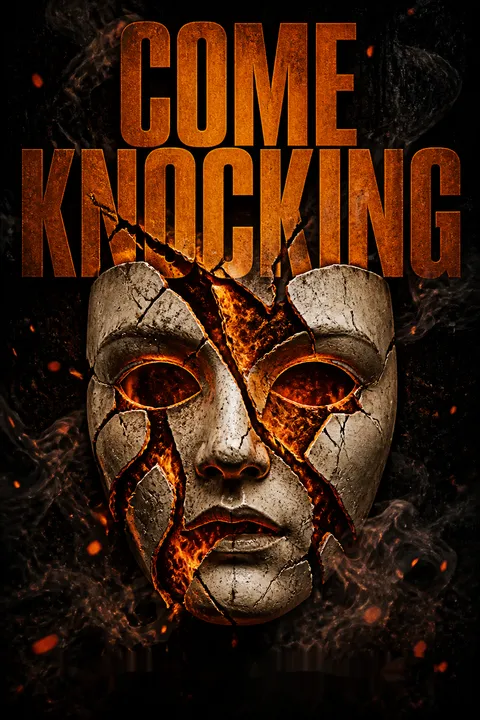
The experience of Come Knocking begins with the ritual of donning a mask, a symbolic and literal entry into another world. Audience members are instructed to remain silent, to never touch the performers, and to surrender their phones, heightening the sense of anonymity and vulnerability. The mask is more than a prop—it is a psychological switch, allowing participants to shed their everyday selves and become part of the Netherworld. This act of masking sets the tone for the entire show, blurring the line between observer and participant, and creating a charged atmosphere where personal boundaries dissolve. The mask's power is both liberating and unsettling, foreshadowing the chaos that will later erupt when the boundaries between audience and performance are shattered.
Descent Into the Netherworld
Come Knocking is staged in a labyrinthine, six-story building, each floor meticulously designed to evoke a different layer of hell, inspired by Dante and Chaucer. The audience is free to wander, encountering scenes of sin, death, and damnation, from the raucous Human Jubilation in the basement to the serene yet ominous Planetarium Garden at the top. The show loops three times nightly, with no fixed path, ensuring every visitor's journey is unique. The immersive environment is both beautiful and terrifying, with darkness, fire, and sensory overload pushing participants to their emotional limits. The freedom to choose one's path is exhilarating but disorienting, and the lack of guidance leaves some lost, anxious, or even traumatized.
The Show That Changes You
For many, Come Knocking is a life-altering experience. The show's intensity—its nudity, violence, and existential themes—forces audience members to confront their own mortality and desires. One-on-one encounters with performers can be intimate, unsettling, or transcendent, leaving lasting psychological imprints. Some are moved to tears, others to panic attacks or nightmares. The show's power lies in its ability to make each participant feel seen, challenged, and changed, but this same power can also trigger deep-seated fears and traumas. The line between catharsis and harm is razor-thin, and the show's refusal to coddle its audience ensures that not everyone leaves unscathed.
Building a Living Hell
The creators of Come Knocking, Clark Cardigan and Dan Darnold, are visionaries obsessed with pushing boundaries. Their relentless drive leads to technical innovations and breathtaking set pieces, but also to exhaustion and resentment among the crew. The show's move from New York to Los Angeles brings new challenges: a less suitable building, a different audience, and mounting tensions behind the scenes. The production's complexity—hundreds of props, intricate effects, and a sprawling cast—creates constant stress. As the show grows in fame, the original spirit of artistic adventure gives way to routine, burnout, and a creeping sense of doom among those who keep the machine running.
Audience and Artist Collide
As Come Knocking's reputation spreads, its audience shifts from devoted fans to thrill-seekers, skeptics, and provocateurs. Some come for the art, others for the nudity or the chance to disrupt. The rules—no talking, no touching—are increasingly ignored, leading to confrontations, injuries, and escalating hostility. Performers, already physically and emotionally taxed, become targets for harassment and sabotage. Security staff develop a taxonomy for troublemakers—Statues, Freakers, Broheims, Karens, and the most dangerous, Jesters—each representing a different way the audience can break the fragile contract of immersive theater. The sense of community and trust erodes, replaced by suspicion and fear.
The Internet Turns Dark
A vocal minority of internet users, organized through forums like Who's There, begin to target Come Knocking with coordinated campaigns of harassment and disruption. What starts as online mockery escalates into real-world sabotage, with trolls infiltrating the show, smuggling in contraband, and sharing detailed plans to "break the world." The anonymity of the internet emboldens cruelty, and the line between trolling and violence blurs. The show's staff and performers become obsessed with tracking and countering these threats, but their efforts only fuel the antagonists' sense of power. The internet's capacity for collective malice proves as dangerous as any weapon.
Sabotage and Escalation
The campaign against Come Knocking intensifies, with saboteurs gluing props, tampering with effects, and physically assaulting performers. The cast, already on edge, begins to fight back, sometimes preemptively. Paranoia spreads, and the atmosphere grows toxic. Each act of aggression begets another, as both sides escalate in a cycle of provocation and retaliation. The show's immersive structure, which once fostered intimacy and vulnerability, now becomes a liability, making it impossible to distinguish friend from foe in the darkness and chaos. The sense of impending disaster becomes palpable, as everyone waits for the breaking point.
The Night Before the End
On March 13, the eve of the catastrophe, the show is already unraveling. Technical glitches, aggressive audience members, and open threats create an atmosphere of dread. Performers and staff sense that something terrible is imminent, but are powerless to stop it. Some consider quitting, others arm themselves for self-defense. The internet forums buzz with anticipation, as the saboteurs finalize their plans. The sense of community among the cast fractures, replaced by isolation and desperation. The stage is set for tragedy, with every warning sign ignored or dismissed.
March 14: The Breaking Point
On March 14, a group of saboteurs infiltrates the show, seizing the control room and disabling communications. Armed with knives, guns, and detailed knowledge of the building, they unleash chaos: locking exits, triggering fire effects, and attacking performers and audience members alike. The immersive world of Come Knocking becomes a death trap, as panic spreads and the boundaries between performance and reality collapse. The cast, pushed beyond their limits, respond with violence of their own, turning the show into a battleground. The audience, unable to distinguish art from atrocity, is caught in the crossfire.
Control Room Seized
The control room, the nerve center of the show, falls to the attackers. With access to lighting, effects, and security systems, they orchestrate a symphony of destruction: dropping set pieces, unleashing fire, and locking doors to trap victims. The staff's attempts to retake control are met with lethal force. The chaos is amplified by the building's design—labyrinthine, dark, and filled with hazards. Emergency protocols fail, and the outside world is slow to respond. The saboteurs' actions, fueled by personal vendettas and internet-fueled rage, turn the immersive theater into a real inferno.
Chaos Unleashed, Fire Ignited
As fire and violence spread, the show's themes of damnation and mortality become horrifyingly literal. Audience members are burned, trampled, stabbed, and shot. Performers, some still in character, fight for their lives or turn on the attackers with deadly force. The building's exits are blocked, and smoke fills the upper floors. Panic and confusion reign, as the immersive illusion becomes a nightmare. The show's most beautiful spaces—the garden, the crypt, the ballroom—are transformed into scenes of carnage. The promise that "no soul is safe" is fulfilled in the most brutal way imaginable.
Dancers Become Demons
The Demon Dancers, once symbols of sin and temptation, become avenging furies. Armed with knives and driven by fear and rage, they attack the saboteurs and anyone perceived as a threat. The choreography of the show dissolves into real violence, as dancers and attackers clash in the darkness. Some performers are killed, others become killers. The audience, many still masked and silent, are unable to intervene or even comprehend what is happening. The immersive contract is shattered, replaced by primal survival. The performers' transformation from artists to warriors is both tragic and inevitable.
The Garden Burns
The Planetarium Garden, once a place of peace and beauty, is engulfed in smoke and panic. As fire spreads and exits are locked, audience members and performers alike are trapped, forced to choose between suffocation and a deadly leap from the windows. The symbolic ascent to paradise becomes a literal fight for survival. Death, the show's final character, is powerless to save anyone. The burning garden becomes the ultimate image of lost innocence, a reminder that nothing beautiful stays that way. The show's themes of mortality and impermanence are realized in the most devastating fashion.
Death in the Crypt
The crypt, a space dedicated to the inevitability of death, becomes the site of some of the night's worst horrors. Audience members and performers are burned alive, stabbed, or thrown into open graves. The chaos is compounded by the confusion of masks and darkness—no one knows who is friend or foe. Personal betrayals and old wounds resurface, as the lines between art, revenge, and survival blur. The crypt's promise—that all must face death—becomes a grim reality for dozens. The show's most profound metaphors are enacted in blood and fire.
The Aftermath of Violence
When the police and emergency services finally arrive, the building is a charnel house. Survivors, many grievously injured, struggle to make sense of what happened. The media descends, searching for villains and heroes. Lawsuits and blame follow, as the producers, staff, and internet antagonists all seek to deflect responsibility. The survivors are left with physical and psychological scars, haunted by memories of violence, betrayal, and loss. The immersive world of Come Knocking is gone forever, replaced by a legacy of trauma and infamy.
Unmasking the Culprits
In the aftermath, the identities and motivations of the saboteurs come to light. Personal vendettas, internet radicalization, and a culture of entitlement and rage are all implicated. The show's creators, staff, and antagonists each tell their stories, revealing a web of abuse, neglect, and escalating hostility. The internet forums that fueled the attack become sites of both mourning and celebration. The question of responsibility—artistic, moral, and legal—remains unresolved, as each participant seeks to justify their actions. The masks, literal and figurative, are finally removed, exposing the raw wounds beneath.
The Blame Game
The search for meaning and accountability becomes a public spectacle. The show's producers, the saboteurs, the internet community, and the survivors all offer competing narratives. Some blame the art, others the audience, others the culture of online hate. The truth is complex and uncomfortable: everyone played a part, and no one is innocent. The tragedy becomes a mirror for a society obsessed with spectacle, violence, and blame. The lessons of Come Knocking are debated, distorted, and ultimately lost in the noise.
Nothing Beautiful Stays
In the end, Come Knocking is remembered not for its artistry, but for its catastrophe. The show's promise—that beauty and meaning can be found in the face of death—is overshadowed by the reality of violence and loss. The masks are off, and the world is revealed as a place of fear, selfishness, and rage. Yet, in the stories of survivors and the memories of fleeting beauty, there remains a glimmer of hope: that art can still change us, even as it fails to save us. The final lesson is both simple and profound: nothing beautiful stays that way.
Analysis
Come Knocking is a searing exploration of the dangers and possibilities of immersive art in a fractured, hyperconnected world. At its core, the book interrogates the boundaries between self and other, art and life, community and chaos. The masks that once enabled transformation and intimacy become tools of dehumanization and violence, both in the theater and online. The narrative exposes the fragility of social contracts—how quickly trust, empathy, and meaning can be destroyed by fear, entitlement, and rage. The tragedy of March 14 is not the result of a single villain or flaw, but of a culture that rewards spectacle, punishes vulnerability, and refuses to reckon with its own darkness. The lessons of Come Knocking are urgent and uncomfortable: beauty is fleeting, art cannot save us from ourselves, and the masks we wear—literal and figurative—can both protect and destroy. In the end, the book is a requiem for lost innocence, a warning about the costs of unchecked anger and alienation, and a testament to the enduring, if fragile, power of art to change us, even as it fails to save us.
People Also Read



Characters
Clark Cardigan
Clark Cardigan is the co-creator and producer of Come Knocking, a man driven by ambition, ego, and a relentless desire to push artistic boundaries. His relationship with his partner, Dan Darnold, is both creative and contentious, marked by mutual dependence and rivalry. Clark's history of exploitation and abuse, particularly with former lover and cast member Reilly Pegg, casts a long shadow over the production. Psychologically, Clark is a study in narcissism and denial—he takes pride in his achievements but refuses responsibility for the show's downfall. As the tragedy unfolds, his focus remains on self-preservation, deflecting blame and clinging to his legacy, even as the world he built burns around him.
Dan Darnold
Dan Darnold is the artistic force behind Come Knocking, a director whose vision is both inspiring and exhausting. His need for control and constant innovation drives the show's success but also alienates his collaborators. Dan's relationship with Clark is symbiotic but fraught, each enabling the other's worst tendencies. Psychologically, Dan is consumed by the pursuit of artistic transcendence, often at the expense of practicality and safety. His inability to recognize when to let go—insisting on "bigger" and "better" even as the show unravels—contributes to the disaster. Dan embodies the tragic artist, undone by his own ambition and blind spots.
Reilly Pegg
Reilly Pegg is a former cast member and lover of Clark Cardigan, whose sense of betrayal and humiliation fuels his transformation into the mastermind behind the Who's There campaign. Reilly's psychological profile is marked by deep-seated anger, loneliness, and a desperate need for validation. His online persona becomes a vehicle for revenge, as he orchestrates the attack on Come Knocking with chilling precision. Reilly's actions are both personal and symbolic—a lashing out against the world that hurt him. His ultimate fate, dying in prison, underscores the destructive power of unresolved trauma and the dangers of online radicalization.
Bella Evers
Bella is a core member of the Demon Dance, embodying the show's ethos of transformation and risk. Her background as a "professional weirdo" and survivor of a difficult childhood gives her both resilience and vulnerability. Bella's relationships with other cast members, especially Punky and Angus, are marked by loyalty and shared trauma. As the show's environment grows more hostile, Bella becomes increasingly paranoid and defensive, ultimately participating in the violence of March 14. Her psychological journey is one of disillusionment and loss, as the art that once saved her becomes a source of danger and pain.
Anna "Punky" Rodriguez
Punky is a beloved member of the cast, known for her intensity, warmth, and volatility. Her struggles with mental health, past abuse, and the pressures of performance make her both empathetic and unpredictable. As the attacks on the show escalate, Punky becomes a symbol of the cast's breaking point—her transformation from artist to avenger is both cathartic and horrifying. Punky's final acts of violence are driven by a mix of fear, rage, and a desperate need for agency. Her death is mourned as both a personal tragedy and a symbol of the show's lost innocence.
Anders Petersen
Anders is the Dutch-born assistant technical director, responsible for the show's complex effects and safety systems. His analytical, no-nonsense approach is a stabilizing force amid the chaos, but also blinds him to the emotional undercurrents among the cast and crew. Anders's sense of responsibility and guilt is profound—he recognizes too late the severity of the threats facing the show. His attempts to intervene on March 14 are heroic but ultimately futile, leaving him physically and emotionally scarred. Anders represents the limits of rationality in the face of collective madness.
Malcolm Rice
Malcolm is the show's main bartender, a performer in his own right who thrives on connection and improvisation. His ability to read people and defuse tension makes him a linchpin of the audience's experience. However, as the atmosphere grows more dangerous, Malcolm's optimism is tested. He becomes a target for the saboteurs and is nearly killed during the attack. Malcolm's psychological journey is one of survival and reckoning—he grapples with guilt, trauma, and the realization that his skills are powerless against true violence.
Rodrigo Gimenez
Rodrigo is a former MMA fighter recruited for his physicality and stage presence. His partnership with Hao in the show's signature fight scene is both athletic and intimate, blurring lines between performance and reality. Rodrigo becomes a target for the saboteurs, enduring humiliation and violence. His eventual rescue and participation in the retaliatory violence reflect the show's descent into chaos. Rodrigo's story is one of resilience, but also of the corrosive effects of constant threat and objectification.
Brie Trulove
Brie is a civilian drawn to Come Knocking by its reputation for transformative art. Her experience on March 14 is a microcosm of the audience's journey—from awe and vulnerability to terror and violence. Brie's instincts for self-preservation are tested as she is attacked, injured, and forced to fight back. Her psychological arc is one of shock, guilt, and a hard-won sense of agency. Brie's story highlights the unintended consequences of immersive art and the unpredictable ways people respond to crisis.
Talia Hills
Talia attends the show with her husband, Brent, in an attempt to salvage their troubled marriage. The events of March 14 force her to confront not only physical danger but also the emotional wreckage of her life. Talia's narrative is marked by brutal self-examination, grief, and a search for meaning amid chaos. Her willingness to tell the whole truth, no matter how painful, makes her a powerful witness to the tragedy. Talia's journey is one of loss, reckoning, and the struggle to find hope in the aftermath.
Plot Devices
Immersive, Nonlinear Narrative
Come Knocking's structure is built on the idea that every participant's experience is unique, with no fixed path or central narrative. This device mirrors the chaos and unpredictability of life and death, forcing both characters and readers to piece together meaning from fragments. The show's looping cycles, multiple floors, and simultaneous scenes create a sense of disorientation and possibility. This narrative approach is echoed in the book's use of interviews, forum posts, and personal testimonies, allowing for multiple perspectives and conflicting truths. The result is a mosaic of voices, each contributing to the larger story of beauty, violence, and loss.
Masks and Anonymity
The mask is both a literal prop and a central metaphor, enabling participants to shed their identities and inhibitions. It fosters intimacy and vulnerability, but also enables cruelty and violence by erasing accountability. The anonymity of the mask is mirrored by the anonymity of the internet, where users feel empowered to harass, sabotage, and ultimately destroy. The removal of the mask—both in the show and in the aftermath—reveals the raw, often ugly truths beneath. This device underscores the dangers and possibilities of transformation, and the thin line between liberation and chaos.
Foreshadowing and Escalation
The narrative is laced with warnings—technical glitches, escalating aggression, and a pervasive sense of doom. Characters repeatedly sense that something terrible is coming, but their concerns are dismissed or minimized. The internet forums buzz with threats, but are not taken seriously until it is too late. Each act of sabotage or violence is met with denial or rationalization, allowing the cycle to continue. The structure of the book, with its shifting perspectives and retrospective interviews, heightens the sense of inevitability, as the reader watches the disaster unfold in slow motion.
Blurring of Art and Reality
The immersive nature of Come Knocking erases the boundaries between art and reality, performer and audience. When violence erupts, no one can tell what is real and what is staged. The show's themes—sin, death, damnation—are enacted in literal blood and fire. This device forces characters and readers alike to confront the consequences of art that refuses to remain safely on the stage. The collapse of the fourth wall becomes a metaphor for the collapse of social order, as the rules of the game are abandoned in favor of primal survival.
Download PDF
Download EPUB
.epub digital book format is ideal for reading ebooks on phones, tablets, and e-readers.








































