
Plot Summary
Prodigal Returns Home
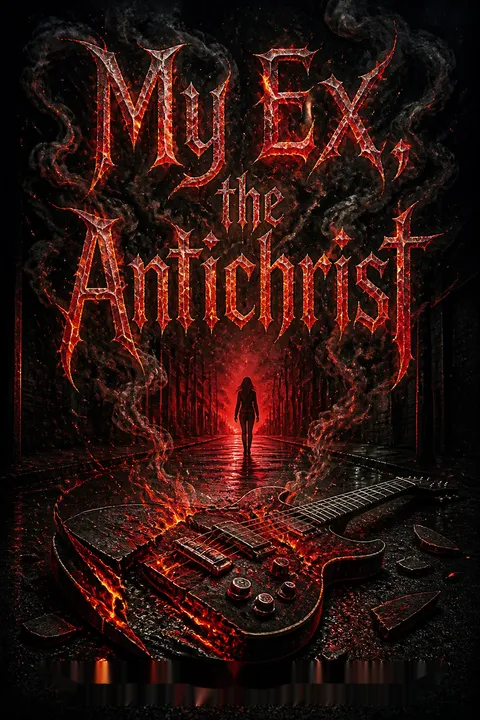
After a decade of pop-punk stardom, Lily Lawless, frontwoman of the Shivers, crashes from exhaustion and anxiety, ending her tour and returning to her childhood home in Bethlehem, Pennsylvania. The comfort of her parents' house is stifling, reigniting old tensions about control and expectations. Lily's father pushes her to abandon music for a "real life," but Lily is haunted by her past and the secrets she carries. She confesses to a murder from 1999, setting the stage for a story that is as much about personal reckoning as it is about cosmic forces. The prodigal child's return is not just a homecoming, but the beginning of a confrontation with the demons—literal and figurative—that have shaped her life.
Devil in Black Jeans
In 1998, Lily, a restless college student, meets Drake Morgan—a charismatic, enigmatic figure with heterochromatic eyes and a magnetic presence. Drake's philosophy of radical freedom and his intoxicating confidence draw Lily out of her shell. Their relationship is passionate, transformative, and dangerous. Drake's mysterious origins and his mother's bizarre stories hint at something supernatural. Through music, drugs, and rebellion, Drake awakens Lily's creative spirit, but also introduces her to a darkness she cannot yet comprehend. Their love is both liberation and a new kind of captivity, setting the stage for a partnership that will change the world—and threaten it.
Band of Misfits Forms
Guided by Drake's prophetic dreams, Lily and Drake assemble a band from unlikely sources: Ramona, a runaway punk drummer; Eric, a lost bassist; and Malcolm, a pragmatic keyboardist. Each member is escaping something—poverty, grief, family pressure, or mediocrity. Their first meeting is awkward, but music fuses them into a tribe. The Shivers are born not from friendship, but from a shared hunger for meaning and transformation. Drake's leadership is magnetic but controlling, and Lily's yearning for self-expression simmers beneath the surface. The band's formation is less about chance than destiny, as if some cosmic hand is guiding them toward a purpose none of them fully understand.
Demon Disco Unleashed
The Shivers' debut at Flanagan's Irish Pub is electric and unsettling. Their music, a blend of metaphysical lyrics and raw energy, hypnotizes the audience, leaving them in a trance. The band feels a surge of power, but also a creeping sense of wrongness. After the show, a bishop confronts Drake, calling him an abomination, before being killed in a freak accident. The band is shaken, but Drake laughs it off. Lily is disturbed by the effect their music has on people and the violence that seems to follow them. The night marks the beginning of the band's rise—and the first hint that their music is more than just sound.
First Taste of Power
The Shivers' music begins to exert a strange influence on their audiences, inciting trance states, violence, and chaos. As they practice and perform, the band becomes addicted to the rush of power, even as Lily grows uneasy. Drake pushes boundaries, testing Lily's loyalty and morality. The band's chemistry is volatile, fueled by ambition, insecurity, and the thrill of creation. But the darkness in their music is growing, and Lily senses that something is deeply wrong. The band's success is inseparable from the chaos they unleash, and the line between art and harm blurs.
Music's Dark Alchemy
At the Hobo Underground, the Shivers' performance triggers a riot. The audience descends into violence and debauchery, and the band flees in horror. The incident leaves a trail of destruction and a sense of guilt. Lily confronts Drake about the music's effect, but he insists it's just freedom—people acting on their true desires. The band is divided: some rationalize the chaos, others are haunted by it. The power of their music is undeniable, but it comes at a cost. The seeds of doubt and division are sown, and Lily begins to question her place in the band and her relationship with Drake.
Riot at Hobo Underground
The aftermath of the Hobo Underground riot is grim. The band is shaken, but Malcolm pushes them to keep going, seeing opportunity in their notoriety. Lily is wracked with guilt and fear, while Drake grows more distant and erratic. The band's unity fractures as they struggle to process what happened. The outside world begins to take notice, and the band's reputation as dangerous grows. The tension between ambition and conscience intensifies, and Lily finds herself at a crossroads: continue down this dark path, or try to change course before it's too late.
Sunburst's Savage Revelation
At the Sunburst Music Festival, the Shivers' performance again incites chaos—this time, a full-scale riot. Priests attempt to attack Drake, but are swallowed by the crowd. Fires break out, and Lily flees, overwhelmed by guilt and horror. In the aftermath, she confronts Drake and ends both their romantic and musical partnership. Drake, wounded but resigned, leaves the band. Lily's decision is an act of self-preservation and rebellion, but it leaves her—and the band—adrift. The cost of freedom is loneliness, and the band's future is uncertain.
Breakup and Betrayal
With Drake gone, the band reels. Malcolm wants to quit, but Lily insists on continuing. They audition new guitarists and eventually recruit Julian, a talented and kind-hearted musician. The band's sound changes, becoming more upbeat and pop-punk. Lily steps into the role of frontwoman, finding her voice and confidence. The band's dynamic shifts: less chaos, more collaboration. But the shadow of Drake—and the violence that followed him—lingers. Lily's journey is one of self-discovery, as she learns to lead and to trust herself, even as she mourns what was lost.
New Sound, New Lily
The Shivers embrace a new sound, shedding their dark, hypnotic style for energetic, relatable pop-punk. Lily writes songs about resilience, rebellion, and self-acceptance. The band finds joy in music again, and their performances become celebrations rather than incitements. Lily's leadership transforms the group, and they begin to build a following on their own terms. But the past is not easily escaped. Drake resurfaces with a new band, Universal Priest, and the threat of his return—and his true nature—looms over them. The stage is set for a final confrontation.
The Antichrist Ascends
As Universal Priest gains notoriety, rumors swirl about Drake's identity. A secret cabal of priests, led by Bishop Igwe, reveals to Lily that Drake is the Antichrist, destined to bring about the apocalypse. They urge her to get close to him and kill him. Lily is horrified by the fanaticism and violence on all sides. She refuses to become a pawn in their cosmic war, but the stakes are clear: Drake's rise threatens the world itself. The battle lines are drawn—not just between good and evil, but between freedom and fate, love and destruction.
Armageddon Battle Begins
The Shivers and Universal Priest are both selected to compete in the Armageddon Battle of the Bands. The competition is fierce, and the stakes are existential. As the bands prepare, Lily is haunted by visions, guilt, and the weight of prophecy. The band rallies around her, finding strength in their music and each other. The night of the competition arrives, and the atmosphere is electric with anticipation and dread. The battle is not just for musical supremacy, but for the fate of the world—and for Lily's soul.
Blood and Sacrifice
After their first victory at Armageddon, Lily is lured to a church by Julian, who reveals himself as a priest. Bishop Igwe and his followers attempt to sacrifice Lily to break Drake's heart and weaken him. Drake arrives, unleashing supernatural violence and slaughtering the priests. Lily survives, but Julian is killed. Traumatized and desperate, Lily confronts Drake and makes a wager: if her band wins the final battle, he must forgo his destiny; if he wins, she will join him. The stage is set for a final, fateful performance.
The Devil's Bargain
The Shivers give the performance of their lives, but Universal Priest's show is a supernatural spectacle, summoning demons and overwhelming the audience. Drake's power is undeniable, and he wins the competition. Chaos erupts, and Lily and her friends barely escape with their lives. In the aftermath, Drake demands his prize: Lily's soul, or her love. She refuses to surrender her soul, but agrees to a final date with him—a journey into Hell itself. The bargain is both a surrender and a last act of defiance.
Love, Choice, and Knives
In Hell, Drake offers Lily knowledge and a place at his side. He reveals the cosmic plan: the world must end, but he wishes she would choose him freely. Lily, moved by compassion for humanity and her own hard-won freedom, chooses to kill Drake with a sanctified knife, ending his threat and saving the world—at the cost of her own happiness. The act is both a murder and a sacrifice, an assertion of free will against destiny. Lily returns to her world, marked forever by love and loss.
Aftermath and Redemption
The Shivers sign a record deal and achieve mainstream success, but the band eventually dissolves under the weight of trauma and exhaustion. Each member seeks healing and meaning in their own way. Lily, wracked with guilt, confesses to Drake's murder and serves a prison sentence, refusing to profit from the band's legacy. The mark of the Beast fades from her neck, but the memory of Drake—and the possibility of his return—haunts her. The world is saved, but the cost is personal and profound.
Echoes of the End
As Lily's sentence nears its end, she reflects on love, music, and the meaning of freedom. The world continues, but signs of apocalypse linger. The silver door reappears, offering a new invitation—a second chance, or a final temptation. Lily is uncertain what the future holds, but she is determined to live with passion, compassion, and authenticity. The story ends not with apocalypse, but with hope: the power of music, the possibility of redemption, and the enduring struggle to be heard and to love.
Analysis
"My Ex, the Antichrist" is a darkly comic, emotionally charged meditation on freedom, responsibility, and the power of art. At its core, the novel asks whether we are doomed by fate or capable of change—whether love and creativity can disrupt even the most cosmic of scripts. Through the lens of a rock band's rise and fall, the story explores the seductive allure of rebellion and the dangers of unchecked desire. The Antichrist is not just a supernatural villain, but a symbol of radical autonomy and the shadow side of liberation. Lily's journey is a testament to the messy, painful process of growing up: breaking free from parents, lovers, and even one's own limitations. The novel critiques both religious fanaticism and nihilistic hedonism, suggesting that true freedom lies in compassion, humility, and the willingness to choose—even when the odds are stacked against us. Music, in this world, is both a weapon and a balm: it can incite riots or heal wounds, enslave or set free. Ultimately, the book is a love letter to the transformative power of art, the resilience of the human spirit, and the hope that, even at the end of the world, we can choose to go out singing.
Review Summary
My Ex, the Antichrist follows Lily Lawlor and her punk band The Shivers in a documentary-style narrative told through interviews. The story reveals that frontman Drake is actually the antichrist, leading to chaos, violence, and eventually murder. Reviews consistently compare it to Daisy Jones and the Six meets horror, with many praising the full-cast audiobook format and campy tone. Readers appreciated the character development and music industry details, though some found it slow-paced with excessive musical references and insufficient horror elements. The ending divided opinions, with some finding it rushed or unsatisfying.
People Also Read



Characters
Lily Lawless
Lily is the heart and soul of the Shivers, a gifted guitarist and songwriter whose journey is one of self-discovery, rebellion, and redemption. Raised in a strict Catholic home, she is torn between the desire to please others and the need to live authentically. Her relationship with Drake is transformative but toxic, awakening her creativity while ensnaring her in a web of manipulation and supernatural destiny. Lily's arc is defined by her struggle to claim agency: breaking free from her parents, Drake, and even her own doubts. Her compassion and humility are her greatest strengths, allowing her to resist both the Devil's and God's plans. Ultimately, Lily's willingness to sacrifice for others—and her refusal to surrender her soul—make her a symbol of flawed but enduring humanity.
Drake Morgan
Drake is both Lily's lover and the literal Antichrist, a figure of immense charm, talent, and contradiction. He embodies radical freedom, rejecting all authority and morality in favor of self-actualization. Drake's supernatural origins and prophetic dreams drive the band's formation and success, but also unleash chaos and violence. Psychologically, he is both intoxicating and deeply wounded, craving love but unable to give it freely. His journey is one of reluctant destiny: he does not want to destroy the world, but feels compelled by forces beyond his control. In the end, his love for Lily becomes his undoing, as he allows her to kill him rather than fulfill his apocalyptic role. Drake is both villain and victim, a mirror for humanity's darkest desires and its capacity for change.
Ramona Perez
Ramona is the band's drummer, a runaway with a punk ethos and a history of trauma. She is tough, resourceful, and fiercely loyal, but struggles with trust and intimacy. Her kleptomania and anger mask deep wounds from abuse and abandonment. Ramona's journey is one of healing: through music, friendship, and love, she learns to let others in and to forgive herself. Her relationship with Garth offers a glimpse of safety and acceptance. Ramona's arc is about reclaiming agency and finding peace, even in a world that seems bent on destruction.
Eric Borkowski
Eric is the band's bassist, a gentle soul burdened by insecurity and a longing for belonging. He is shaped by loss—his father's death, his mother's expectations—and by a sense of inadequacy. Eric idolizes Drake and later Lily, struggling to find his own voice. His journey is one of gradual self-acceptance: through music, love, and friendship, he learns to value himself and to pursue happiness on his own terms. Eric's arc is about moving from passive observer to active participant in his own life.
Malcolm Williams
Malcolm is the band's keyboardist and de facto manager, driven by a need for control and achievement. Raised by demanding parents, he approaches music as both art and business, often clashing with the band's more chaotic members. Malcolm's arc is about learning to let go: accepting imperfection, embracing collaboration, and finding meaning beyond success. His journey reflects the tension between ambition and authenticity, and the importance of community over individual achievement.
Julian Curtis
Julian joins the Shivers as a replacement guitarist, bringing stability, kindness, and a hidden agenda. A former musician turned priest-in-training, he is tasked with infiltrating the band to stop Drake. Julian's empathy and wisdom help the band heal, but his loyalty is divided. His death at the hands of Drake is both a sacrifice and a betrayal, underscoring the tragic costs of faith and the limits of good intentions.
Bishop Adedayo Igwe
Bishop Igwe leads the secret cabal of clergy determined to stop the Antichrist. Driven by visions and a sense of divine mission, he is both compassionate and ruthless, willing to sacrifice innocents for the greater good. His psychological rigidity and moral absolutism make him a mirror image of Drake: both are trapped by destiny, unable to see the humanity in their enemies. Igwe's arc is a cautionary tale about the dangers of zealotry and the moral ambiguity of cosmic war.
Garth Wagner
Garth is a drummer from another band who becomes Ramona's lover and source of safety. He is strong, reliable, and accepting, offering Ramona the stability she has always lacked. Garth's presence is healing, showing that love can be both passionate and nurturing. His arc is about quiet strength and the power of kindness.
Valeria Valis
Valeria is the frontwoman of Joanie's Kisses, a rival band, and Eric's on-again, off-again partner. She is bold, seductive, and fiercely independent, challenging Eric to grow and assert himself. Their relationship is tumultuous but ultimately redemptive, offering both characters a chance at happiness and maturity.
Danny Rodriguez
Danny is the A&R executive who signs the Shivers, embodying the music industry's blend of opportunism and paternalism. He is charming, persuasive, and ultimately self-interested, seeking to shape the band's image and sound for profit. Danny's interactions with Lily highlight the tension between artistic integrity and commercial success, and the ways in which power is wielded in creative industries.
Plot Devices
Prophecy and Predestination
The narrative is structured around the tension between destiny and choice. Drake's prophetic dreams and the priests' visions create a sense of inevitability, as if the characters are pawns in a cosmic game. This is reinforced by biblical and mythological references, and by the recurring motif of doors—literal and metaphorical—that open onto new realities. The story uses foreshadowing to build suspense, hinting at apocalypse and betrayal long before they occur. Yet, the ultimate message is one of agency: Lily's choices, especially her refusal to surrender her soul or to kill out of hatred, disrupt the script and offer hope for change.
Music as Magic and Weapon
Music is both the medium and the message, a source of power that can heal or destroy. The band's performances are described in mystical terms, with music acting as a spell that alters consciousness and reality. The narrative structure mirrors a song's progression: verses of struggle, choruses of triumph, bridges of transformation. The climactic battles are staged as musical duels, with the fate of the world hanging on a single performance. This device blurs the line between art and magic, suggesting that creativity itself is a form of rebellion against fate.
Duality and Mirror Images
The story is rich in dualities: Lily and Drake, love and destruction, God and the Devil, freedom and control. Characters often serve as mirrors for each other, revealing hidden desires and fears. The use of heterochromatic eyes, mirrored doors, and Janus symbols reinforces the theme of duality. The narrative structure alternates between past and present, confession and action, creating a sense of reflection and recursion. This device deepens the psychological complexity and underscores the story's central question: can we escape the roles assigned to us?
Confession and Testimony
The novel is framed as a confession—Lily's attempt to make sense of her past and atone for her sins. This device allows for introspection, unreliable narration, and shifting perspectives. The use of interviews, court testimony, and direct address to the reader creates intimacy and immediacy. The confessional structure also serves as a metaphor for the search for meaning and forgiveness, both personal and cosmic.
Download PDF
Download EPUB
.epub digital book format is ideal for reading ebooks on phones, tablets, and e-readers.








































