
Plot Summary
Viral Ghosts and Family Secrets
At a family wedding in 2024, Anders hears about his reclusive cousin Piper and her connection to a "ghost business" that once went viral. Intrigued by the idea of a viral event that triggers real-world behavior, Anders sets out to interview Piper for his thesis on early internet phenomena. Piper, now living quietly in Iowa, agrees to tell her story, but only if her privacy is protected. The stage is set for a tale that blurs the line between digital myth and supernatural horror, as Anders seeks to uncover the truth behind the infamous events in Clover Creek.
The Girl with Red Hair
In 2000, Piper Lowery, a young librarian, visits a middle school to promote a scary story contest. There, she notices Avery Wallace, a red-haired, withdrawn new student with a fearful look in her eyes. Avery's mother, Susan, is always by her side, even volunteering as a classroom aide. Rumors swirl about Avery's past: her father and sister died suddenly, and some say their old house was haunted. Piper, herself a former target of bullying, is drawn to Avery's isolation and the strange energy that seems to surround her.
Scary Stories and Rumors
Avery submits a chilling story to the contest, describing a monster in the closet that kills her sister and terrifies her family. Piper is unsettled by the tale, especially as it echoes the rumors about Avery's real life. The story's details—cold air, a complicit mother, a vanishing child—linger with Piper, who wonders if Avery is processing trauma or hinting at something more sinister. The lines between fiction and reality begin to blur, and Piper's concern for Avery deepens.
The Thing in the Closet
Piper's unease grows as she reads Avery's story again and again, haunted by the possibility that it's more than fiction. She tries to research Avery's past online but finds nothing concrete. Meanwhile, Avery's diary reveals her sessions with therapists and her obsession with horror, especially the viral marketing of The Blair Witch Project. The sense of being watched, of something evil lurking just out of sight, infects both Avery and Piper, setting the stage for a supernatural contagion.
Piper's Growing Unease
Piper witnesses Avery being bullied at school and learns more about her mother's extreme protectiveness. The community's suspicion grows, fueled by religious paranoia and rumors of witchcraft. Piper's own memories of being ostracized resurface, and she becomes determined to help Avery, even as the girl's behavior grows stranger. The town's atmosphere turns oppressive, and Piper senses that something truly unnatural is at work.
Bullying, Loss, and Isolation
As Piper tries to befriend Avery at the library, she observes the girl's inability to use computers and her mother's constant vigilance. Avery's isolation is compounded by the community's fear and the relentless bullying at school. Piper's attempts to help are met with resistance, and she begins to suspect that Avery's trauma is both psychological and supernatural. The sense of dread intensifies as Halloween approaches.
The Haunted House Origins
Through diary entries and conversations, the truth about Avery's past emerges: her sister Charlotte died suddenly, and her father was killed in a car accident after receiving a mysterious email from Avery. The family's old house in Grangeville is rumored to be haunted, and Piper's investigation reveals a history of strange computer files, broken electronics, and inexplicable fear. The idea of a computer virus that can haunt and kill takes root.
The Virus Spreads
When Shane, one of Avery's bullies, dies suddenly after receiving a strange file, Piper witnesses a black mist hovering over his body. The official cause is a brain aneurysm, but Piper knows what she saw. The virus, it seems, is real—and it kills those who are alone for thirty seconds after infection. The compulsion to share the file, the urge to use computers, and the supernatural presence all point to a new kind of haunting: one that spreads like malware.
Death in the Brockway House
Piper is traumatized by Shane's death and the black mist she saw. The town reels from the tragedy, and suspicion falls on Avery. Piper's online journal attracts a following of amateur sleuths and paranormal enthusiasts, who urge her to investigate further. The sense of contagion grows, as does Piper's fear that the virus is spreading beyond her control. The line between digital and supernatural horror is erased.
Online Obsession and Paranoia
Piper's blog becomes a hub for theories, rumors, and dangerous suggestions. The compulsion to share, the urge to investigate, and the thrill of viral attention all feed the spread of the curse. Piper's own paranoia grows—she feels watched, her belongings move, and she becomes convinced that the virus is infecting her mind. The internet, once a source of connection, becomes a vector for fear and contagion.
The Compulsion to Share
Avery's condition worsens: she spaces out, speaks in tongues, and has violent outbursts. Piper and her brother Sam try to help, but the rules of the virus are clear: if infected, you must never be alone, or the black mist will kill you. The compulsion to use computers and share the file is overwhelming. Attempts at "tech-orcism"—using antivirus metaphors and hypnotic suggestion—fail. The virus resists all efforts to purge it.
The Wall and the Code
Through a combination of investigation and confession, the truth emerges: Avery, a gifted but lonely tech kid, created the original "prank" virus using code and occult text from a mysterious website. The code, meant to scare her friends, became something more—an evolving, supernatural entity that haunts, kills, and spreads. The wall in her old house, the hidden laptop, and the occult website all converge as the source of the curse.
Possession and Outbursts
Avery's possession reaches a peak: she attacks her mother, nearly kills Piper, and loses all memory of her actions. The virus's symptoms—compulsion, memory loss, violent outbursts—mirror the worst of both digital and supernatural afflictions. The only hope seems to be in understanding the code itself, but every attempt to analyze or destroy it risks further infection.
The Truth About Avery
Sam discovers, by analyzing the code, that Avery's original prank included a "cure": after a year of fear, the curse is broken on Halloween. Avery, having suffered for thirteen months, is finally freed when she unwittingly passes the virus to another. The rules of the virus—thirty seconds alone, compulsion to share, memory decay—are all encoded in the original prank, amplified by the occult scripts. The horror is both accidental and inevitable.
The Virus Unleashed
Despite efforts to destroy the virus, a new generation discovers the hidden laptop and the file. The compulsion to share is irresistible, and the virus spreads rapidly through emails, texts, and social media. The curse, once contained, is now poised to go truly viral, threatening a new wave of victims. The story ends with the chilling realization that the cycle is beginning again.
The Tech-orcism Attempt
Piper and Sam, guided by online commenters, attempt a "tech-orcism"—using antivirus metaphors and hypnotic suggestion to purge Avery of the virus. The attempt fails, and Avery's condition worsens. The virus resists all rational solutions, and the supernatural element proves immune to technological fixes. The only thing that works is the original, accidental cure: the passage of time and the transfer of the curse.
Brockway's Revenge
Dennis Brockway, driven mad by grief and online rumors, attacks Piper, Sam, and Avery, intent on destroying the source of his son's death. In the chaos, Avery, now freed from the virus, infects Brockway, who is killed by the black mist after thirty seconds alone. The violence and paranoia of the community mirror the viral spread of the curse, and the line between victim and perpetrator blurs.
The Final Countdown
Piper, now infected, must never be alone or risk death. The rules of the virus are clear, and the threat is ever-present. The survivors destroy the remaining copies of the virus, but the sense of safety is fragile. The horror is not over—it is merely contained, waiting for the next opportunity to spread.
Aftermath and Cures
Avery is cured, her mother survives, and Piper and Sam try to rebuild their lives. The code is analyzed, the rules are understood, but the supernatural element remains beyond comprehension. The survivors are left with trauma, guilt, and the burden of knowledge. The internet, once a source of connection, is now a source of dread.
The Code's Secret
Sam's analysis reveals that the virus is a hybrid of Avery's prank, occult scripts, and a self-evolving code that scrapes the darkest corners of the internet. The pop-up outbursts, the compulsion to share, and the thirty-second countdown are all encoded in the virus. The horror is both technological and supernatural, a new kind of evil for the digital age.
Piper's Burden
Decades later, Piper is still infected, unable to be alone for even a moment. The virus never left her, and she has lived with the constant presence of the black mist for twenty-five years. Her story is a warning about the dangers of viral contagion—both digital and supernatural—and the price of curiosity in the age of the internet.
The Cycle Begins Again
In the present, a new generation discovers the hidden laptop and the file. The compulsion to share is irresistible, and the virus spreads rapidly through modern technology. The story ends with the chilling realization that the curse is now truly viral, and the cycle of fear, death, and contagion will begin anew.
Analysis
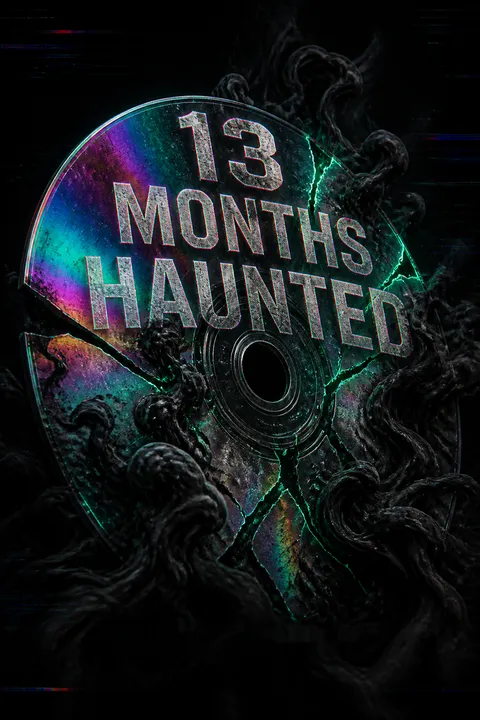
A modern parable of viral fear and digital contagion13 Months Haunted is a chilling meditation on the intersection of technology, trauma, and the supernatural. By fusing the logic of computer viruses with the tropes of possession and haunting, the novel explores how fear, rumor, and violence can spread uncontrollably in the age of the internet. The story's recursive structure—where a curse is accidentally created, contained, and then unleashed again—mirrors the cycles of viral phenomena online, from chain emails to urban legends to social media panics. The characters' psychological arcs—especially Piper's lifelong burden and Avery's accidental creation of evil—underscore the dangers of curiosity, the price of knowledge, and the impossibility of fully controlling what we unleash into the world. The novel's use of epistolary elements, online forums, and blog comments creates a sense of authenticity and immediacy, implicating the reader in the spread of the curse. Ultimately, 13 Months Haunted is a warning about the seductive power of viral content, the thin line between fiction and reality, and the enduring human need for connection—even in the face of unspeakable horror.
Review Summary
13 Months Haunted is a supernatural horror novel set in the early 2000s, blending Y2K nostalgia with creepy technology-based scares. Readers praise its unique premise, atmospheric storytelling, and nostalgic references. The book follows librarian Piper as she befriends a mysterious girl named Avery, uncovering a sinister haunting tied to early internet culture. While some found the ending and character development lacking, many enjoyed the creative plot and mixed-media format. The novel's blend of horror and early 2000s nostalgia resonated strongly with most readers.
People Also Read




Characters
Piper Lowery
Piper is the heart of the story—a former librarian whose empathy for a bullied child draws her into a supernatural nightmare. Her journey is one of escalating dread, as she moves from concerned bystander to traumatized witness to lifelong victim. Piper's psychological arc is defined by guilt, responsibility, and the burden of knowledge. She is both a protector and a catalyst, her online journal inadvertently fueling the spread of the curse. Decades later, she lives with the virus's constant presence, unable to be alone, embodying the story's central warning about the dangers of viral contagion and the price of curiosity.
Avery Wallace
Avery is a gifted, lonely girl whose attempt to prank her friends with a spooky computer program unleashes a supernatural virus. Traumatized by the deaths of her sister and father, and ostracized by her peers, Avery becomes both victim and vector. The virus warps her mind, causing memory loss, violent outbursts, and a compulsion to share. Her relationship with her mother is one of desperate dependence, and her arc is a tragic one—she is both the source and the sufferer of the curse. Ultimately, she is freed by the accidental "cure" she wrote into her own code, but the psychological scars remain.
Susan Wallace
Susan is defined by her relentless efforts to save her daughter from an inexplicable evil. Her overprotectiveness is both a rational response to the supernatural threat and a source of further isolation for Avery. Susan's arc is one of sacrifice, resilience, and eventual physical and emotional trauma. She is the only adult who fully believes and supports Avery, and her injury at her daughter's hands is a devastating consequence of the virus's power.
Sam Lowery
Sam is Piper's brother, a tech-savvy skeptic who is drawn into the horror by his sister's pleas. His arc moves from disbelief to reluctant belief as he witnesses the virus's effects firsthand. Sam's analytical mind is crucial in deciphering the code and understanding the rules of the curse. He represents the rational, scientific approach to the supernatural, and his eventual acceptance of the virus's reality is a key turning point in the story.
Glen Fisher
Fisher is Avery's teacher, a liberal, empathetic presence who tries to nurture his students' creativity. He is one of the few adults to show genuine concern for Avery, but he becomes another victim of the virus after being infected through a computer at the library. His rapid decline and death highlight the virus's indiscriminate cruelty and the failure of rationality to combat supernatural evil.
Dennis Brockway
Brockway is the father of Shane, Avery's bully, who dies after being infected by the virus. Consumed by grief, paranoia, and religious fervor, Brockway becomes a violent antagonist, seeking revenge on Avery and Piper. His arc is one of escalating madness, culminating in his own infection and death. He embodies the dangers of rumor, scapegoating, and the viral spread of fear.
Shane Brockway
Shane is a classmate who bullies Avery and becomes the first local victim of the virus. His death, witnessed by Piper, is the catalyst for the story's escalation. Shane's relationship with his abusive father and his role as both victim and perpetrator highlight the story's themes of contagion, violence, and the cycle of trauma.
Anders
Anders is the framing narrator, a distant relative of Piper who seeks to document her story for his thesis. His curiosity and skepticism mirror the reader's, and his eventual infection by the virus in the epilogue signals the story's cyclical nature. Anders represents the dangers of curiosity and the inevitability of viral spread in the digital age.
Bill Oakley
Bill is the new owner of the Wallaces' old house, drawn into the mystery by Piper's investigation and his own curiosity. He becomes a witness to the virus's power and a participant in the events that lead to further tragedy. Bill's arc is one of fascination turned horror, embodying the story's warning about the risks of digging too deep.
Grace
Grace is Anders's sister, who becomes infected after opening the virus on the hidden laptop. Her role is brief but crucial, as she helps unleash the virus into the wider world, ensuring the cycle of contagion continues.
Plot Devices
The Supernatural Computer Virus
The central plot device is a computer virus created by Avery as a prank, which becomes a supernatural entity after she incorporates occult code from a mysterious website. The virus infects victims who view the file, attaching an invisible "black mist" that kills them if they are alone for thirty seconds. The virus compels victims to share it, causes memory decay and possession-like symptoms, and can only be cured by surviving a "year of fear" until Halloween. The virus's rules are encoded in the original prank, but its power is amplified by the occult scripts, making it both a technological and supernatural threat. The virus's evolution, compulsion to spread, and resistance to rational solutions mirror the viral nature of internet rumors and digital contagion.
Framing Narrative and Epistolary Elements
The story is framed by Anders's interview with Piper decades after the events, providing both distance and immediacy. Piper's online journal, Avery's diary, and other epistolary elements create a sense of authenticity and immersion, blurring the line between fiction and reality. The use of blog comments, emails, and forum posts mirrors the viral spread of the curse and the participatory nature of internet culture.
Foreshadowing and Recursion
The story is rich with foreshadowing: the rumors of a haunted house, the compulsion to share, the repeated references to viral phenomena, and the countdown motif all signal the coming horror. The recursive structure—where the virus is contained, only to be rediscovered and unleashed by a new generation—emphasizes the inevitability of viral spread and the dangers of curiosity.
Symbolism and Thematic Motifs
The black mist symbolizes both supernatural evil and the psychological toll of trauma and isolation. The compulsion to share mirrors the viral nature of internet rumors and the dangers of digital contagion. The countdown and the rule of "never be alone" reflect the story's central anxieties about connection, surveillance, and the boundaries between self and other. The story's use of horror tropes—possession, haunted houses, cursed objects—is updated for the digital age, creating a new kind of folklore.
Download PDF
Download EPUB
.epub digital book format is ideal for reading ebooks on phones, tablets, and e-readers.








































