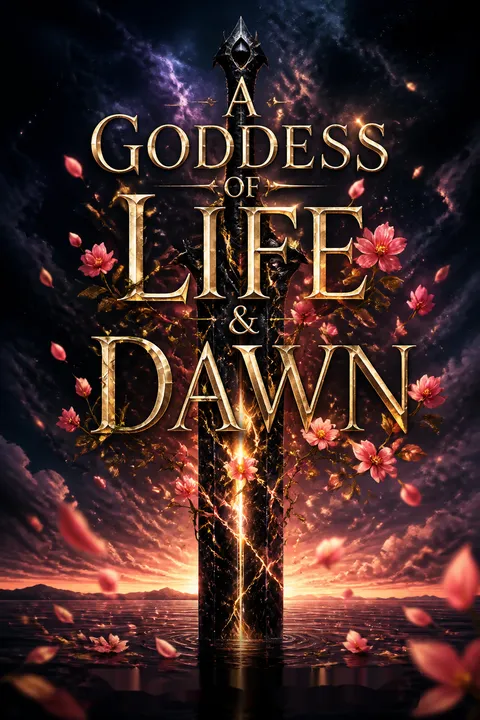

Plot Summary
Shadows Swallow Sacrifice
The world opens in the aftermath of devastation. Elodie's circle is scarred: cities like Nesbrim reduced to rubble, friends and lovers implanted with trauma. Central is Rune's act of sacrifice; in Elodie's plan for self-annihilation to defeat the War God North, Rune intervenes, bearing the fatal consequences himself. Mourning, dread, and confusion suffocate the survivors. They reel: some wounded, some recovering, all questioning the worth of effort when sacrifices deepen the world's wounds. The shadow of loss sits heavy over Elodie, who faces only the intangible warmth of a tattoo—her final tie to Rune—and the question of what was truly gained. Here, pain and loyalty entwine amid a world shattered by dark violence and past betrayals. These first steps—desperate, exhausted—will set their course toward uncertain dawn.
Fractured Bonds, Broken Hope
While Elodie recovers from the trauma, Wren and Kastian navigate trust upheavals: Moro's true identity as Lucius is revealed, and wounds between former friends gape. Violet, once feared and now diminished, falls into shame. Alliances totter as secrets are bared; friends struggle to trust again, while old betrayals pulse freshly. The group fragments, divided by grief and suspicion, compelled onward by necessity—both enemies and allies must offer explanations or atonement. At the center is Elodie's pain, but a web of loyalties and confessions force every character to confront broken illusions. Amid the chaos lies one fragile truth: even the best intentions lead to new war, old lies, and uncertain redemption. In the silence after carnage, they must decide which scars can truly be mended.
Shelter From Fallen Skies
In Kastian's glade—a mansion once cold now breathing with hesitant life—Elodie, Arulius, and Kastian find uneasy shelter. Tensions among the gods ease as forgiveness becomes possible, but underlying resentments and wounds still color every reunion. Elodie's steadfast refusal to abandon hope for Rune anchors her, even as she aches over the devastation wrought by North's possession. Old enemies like Arulius, and even Violet, are permitted inside the circle, at least for now. They gather to mourn, strategize, and survive together, yet shared trauma simmers beneath attempted normalcy. This chapter's quiet is not peace, but the stillness before a new storm. Loss, longing, and slow healing reveal the fundamental need for companionship in the darkness.
Dawn in Death's Glade
Life pushes up through the ashen soil of Kastian's glades in a display of rebirth. Elodie's presence seeds new growth where little once lived, symbolizing both her healing and the gods' tenuous embrace of hope. Together, Elodie and Kastian fly above the reborn forest; melancholy intermingles with happiness as flight becomes metaphor for freedom, kinship, and restored unity. Rueful joy grows among the survivors: friends, familial bonds, and hard-won laughter. The Death Glades, once haunted by loss, become home—a place where new roots take hold. Grief lingers, especially for Rune and the losses endured, but the chance for joy is grasped fiercely. Even as war looms, love and friendship bloom defiantly.
Chase, Bond, and Blood
Pushing grief to the background, Wren, Kastian, and Elodie indulge in playful passion within the blossoming glade. Their chase across the woods turns into erotic celebration, weaving together threads of blood, bonding, and ecstasy. Elodie finds not just physical fulfillment, but profound connection—her relationships with Kastian and Wren forged anew by vulnerability, mutual comfort, and affirmation. Yet, these moments are not purely escapist—they re-anchor her in the community she needs to survive what comes next. Here, the story grants its weary souls a pause: pleasure, play, and reassurance amid the anticipation of loss. But even in union, empty places—where lost gods once were—remind them they are not yet whole.
Lies Sown in Ruins
As the gods prepare Kastian's estate for incoming refugees, tension and weariness continue. Work and bickering over stables, bread, and wounds provide a semblance of order, but grief nestles in the cracks; losses linger unresolved. Entrenched patterns of blame and guilt remain, especially as Arulius and Wren negotiate a mutually wary truce over past violence and pet loss. The group, built from both the broken and the treacherous, faces the reality that only alliance—however uneasy—can stand against North's growing threat. Even as relationships tentatively mend, each soul carries unhealed scars. Beneath these practical labors lie pressing questions: will old mistakes repeat, and can former monsters become what the world now needs?
War God Awakes
As North, bearer of the War God's spirit, stalks the human realm, his possession of Rune's body brings agony to both vessel and world. North's inner monologue reveals a dichotomy: he is swept by the rhythm of battle but haunted by memories not his own, stung by betrayal and longing. The peace that once tethered him is drowned out by vengeance. He subverts human dreams and desires, inciting war with a whisper. Inviolable grief emerges: North's pain is rooted in rejection, and his very presence hints at greater catastrophe. For the gods left behind, North's awakening is agony—trauma shared through magical bonds, with Elodie and Kastian experiencing his rampage as visceral pain. The threat is now urgent and embodied.
Dream Messages, Ocean Riddles
Elodie's connection to Rune manifests in poignant, mysterious dreams. Grasping at these ephemeral encounters, she uncovers cryptic advice that may hold the key to rescuing Rune. The central clue: she must seek "the depths" in a sea of stars and moonlight. Guided by both desperation and hope, Elodie, Arulius, and Wren resolve to seek out magical portals—while danger and inner conflict stalk them. These surreal journeys into memory and riddle blend longing and prophecy, carrying them across Tomorrow's shattered landscape. Each god contributes pieces of history and hidden knowledge, as former alliances tentatively stabilize. The answers, they hope, will be found beneath the waves of loss and memory.
Descent to Sea of Stars
Through hidden tunnels in shattered Nesbrim, the group unlocks a Gremitie "station" and portal—an ancient, magical crossroads of doors and dimensions. Descending into the Sea of Stars and Moonlight, they are confronted with past traumas and origin stories: Arulius' haunted birth, Violet's entrapment, and the hidden resting place of North's lost headless body. Underwater and otherworldly, the journey is a test: of resolve, forgiveness, and faith in each other. Even as they retrieve what might be Rune's salvation, the land and their hearts are threatened by disorientation, fatigue, and the palpable absence of those lost. It is here that secrecy and sacrifice once again thread the path forward.
Buried Bodies, Hidden Guilt
Returning with North's body, the group hides it—hoping to lure North into relinquishing Rune's vessel. But the search through the mansion's haunted upper floors forces Arulius to confront literal and figurative skeletons: victims, banished memories, and the enduring weight of past violence. Guilt, shame, and longing rise to the surface—the consequences of centuries of wrath, betrayal, and misunderstood love. Arulius's yearning for forgiveness, and to be more than a monster, underscores the impossibility of erasing all that has come before. Inwardly, all the gods are changed: haunted by old wounds but reaching—however anxiously—toward the possibility of being better, for each other's sake.
Golden Gods, Golden Goodbyes
With North's body secured, the group's alliances are re-cemented. As plans to reset or confront North crystallize, deeply personal moments arise: confessions of love, triggering dreams, and final reconciliations. Arulius and Elodie share bittersweet intimacy, marked by heartfelt questions—can irredeemable monsters be forgiven, and how do we live alongside the violence within? Violet and Moro negotiate regret and distance. Meanwhile, strategies and training intensify. Elodie finds herself shouldering the grief and uncertainty of fate while preparing for what feels like an inevitable, final sacrifice. Every reunion is underscored by a sense of looming farewell. The past and future are locked in mutual anticipation of loss and hope.
New Roots, New Home
Time passes; the community in the Death Glades settles into a new daily rhythm. The stables built for the Hollows are finished; Fellius, Marley, and other foundlings are integrated into the household—a family forged from pain, compassion, and shared need. Joyous small moments, like the spectacle of falling petals, offer respite and meaning. Yet, as they train and prepare, the threat remains, and the shadow of war pervades every interaction. Love and kinship bring comfort, but also fuel the terror of possible loss. What once was haunted terrain is now a sanctuary, but it cannot shield them from what comes. The stability they build is all-the-more precious for its fragility.
Reunions and Plans
The plan to merge Elodie and Kastian with their past, original selves grows urgent. Through a memory retrieval ritual, both are restored to the fullness of their powers and knowledge. They recall that once, Life and War were harmonized as Rhythm Gods, but the ensuing betrayals set events in motion that echo still. As the shadow of North's return draws closer, everyone braces for disaster even as they savor small comforts, rehearse battle strategy, and try to rebuild tarnished friendships. The tension between preparing to destroy and longing to redeem North defines this period; old wounds are acknowledged, and love becomes a weapon as much as a balm. Each god arms themselves for battle, but what each truly seeks is belonging.
Training, Trust, and Loss
Amid rigorous training and ongoing efforts to rebuild Nesbrim, tempers flare and relationships are tested to the breaking point. Elodie's combat improvements and the family's playful competitions underscore the closeness and vulnerability of these gods, even as the deaths and wounds pile up. Small acts become acts of love and survival: Kastian teaching Fellius to fly, Violet and Elodie reconciling in shared mourning, the children's tree-house ostracizing fear. The community's resilience is tested by tremors in Tomorrow and chilling omens. These moments of daily life and fierce training hide the growing dread of casualties and the unbearable certainty of coming battle.
Two Weeks of Waiting
With two weeks until the final confrontation, uncertainty gnaws at hope. Daily life persists, filled with pain, love, and simple joys—yet a sense of waiting on the edge of a precipice infects the household. Children play while adults plan, and the ghost of Arulius—lost in sacrifice—haunts the halls. Violet's attempt at redemption gains new weight. Every alliance, every small act of kindness or reparation, becomes meaningful beneath the knowledge that war and loss may erase it all. Lying beneath these preparations is the question no one can answer: when the time comes, will love or violence decide the fate of Tomorrow?
Returning Memories, Returning Pain
The restoration of Elodie and Kastian to their original selves brings answers—and new grief. They remember the tragic, entangled beginnings of the Rhythm, when Life and War were paired before the world reordered itself. North's rage, rooted in abandonment and misunderstanding, is finally revealed, deepening everyone's sense of tragedy. A child, Fellius—God of Love and Hope—is born as a byproduct of the gods' sacrifice, offering a chance at healing even as it amplifies loss. As the group attempts to convince North to join them and restore the Rhythm, love transforms from a torment to a glimmer of salvation. Memory is both burden and blessing, coloring every choice with ancient tragedy and the promise of new connections.
Petal Falls, Heartbreak Rises
As the group marks the falling of the blossoms—celebrating fleeting life in the glades—grief and trauma surface. Each petal becomes a symbol: life's brevity, loss's inevitability, and the possibility of beauty in ending. Reflecting on past joys and wrongs, the household anticipates imminent battle with a sense of tragic hope. Intimate talks, reconciliations, and resolves occur beneath the cascade of petals. Yet just as the community finds collective peace, the bond between Elodie and her closest gods is tested by pain: Kastian, connected to death, feels new waves of suffering as the realms continue to reel from war. The calm is sacred, but brief.
Journey to Cave of Origins
The gods travel with North's restored body to the Cave of Origins. Guided by Moro's wisdom, they undertake a pilgrimage into the earth, uncertain if this act will result in Rune's freedom or greater disaster. Rituals, magical fish swimming out of rhythm, and surreal landscapes remind them that the battle is as much psychic as external: they must reconcile their own histories, forgive, and choose how to wield their power. Fellius's birth carries symbolic promise, but the threat is existential: to save Tomorrow, they must risk everything—including themselves.
Vessel Exchange, Carnival of Death
North is lured to the cave and induced to leave Rune's body, taking up his own restored—and headless—corpse. In a scene of wrath and chaos, North's full power returns. The group's battle is desperate, bloody, and costly. Friend after friend falls, with several deaths marking a new crescendo of pain; Arulius in particular sacrifices himself, casting a curse to restrain North at the expense of his very existence. The cycle of violence is seemingly unbreakable, but not without a heavy price. The struggle is mythic, cathartic, and grueling—burning away hope, exposing raw loss and the futility of simple victory.
The Cost of Rhythm
The aftermath is grim: Arulius is gone, reduced to light and memory. North is imprisoned in magical amber, but at great cost—losses are tallied, wounds tended. Elodie's attempts to revive Arulius fail; Violet is forced to admit the nature of Arulius' existence was tied solely to her hatred and wish, a terrible truth for Elodie to bear. Fellius, the child-god created from love and hope, emerges as the legacy of these sacrifices. The group's bonds are frayed but enduring, each member clutching their pain and memories tightly, determined to find a way to keep the Rhythm—of life, death, war, and love—whole once more.
A Child's Hope
Months pass. The glades become a place of surprising joy and stability: children, laughter, and friendships heal old wounds even as the gods await North's eventual awakening. Elodie's found family—her gods, Fellius, Marley, and others—give meaning to repetition and aftermath. New growth literalizes emotional rebirth; even enemies like Violet work toward restoration, their penance part practical, part heartfelt. Meanwhile, the old ambitions—fixing Rhythm, rebuilding Nesbrim, remembering the lost—are maintained as acts of faith. With every meal and communal act, the world inches closer to wholeness, though nothing erases the ache of those gone.
Ascension and Aftermath
Eventually, time does what death and violence cannot: it allows for grace. North awakens, and in a final confrontation, violence recurs; death and sacrifice threaten to close the chapter on Tomorrow. Yet, Fellius's intervention—an act of fearless hope and love—cuts through the cycle. North's capacity for change, long denied, is unlocked; the Rhythm is restored not by blade, but by compassion and faith. The gods mourn their dead with a poignant Ascension Ceremony, sending loved ones to be reborn. Forgiveness, belonging, cycles of sorrow and reunion: these become the true endings. Love, found family, hope—the real legacy of the gods' struggle—is Tomorrow's lifeblood.
Time's Rebirth; Tomorrow Lives
Years pass, families grow and reconnect, and the gods learn the meaning of peace. Elodie travels between realms to reunite with her family and love, and even Arulius is at last reborn, welcomed with the same forgiveness and celebration that the gods have finally extended to one another. Tomorrow becomes not a land, but an ever-renewing state of hope and connection: life, death, war, and love, held in rhythm by sacrifice and faith. In memory's high sun, lost loves return; all that has been shattered is, if not repaired, at least made beautiful by the hands and hearts of those willing to hope again.
Analysis
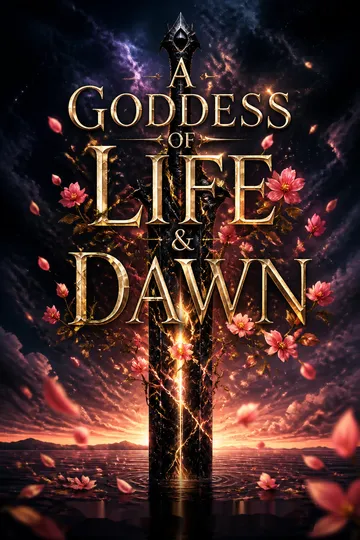
A Goddess of Life & Dawn employs the tropes of dark romantasy and high fantasy—reincarnated gods, betrayal and redemption, erotic passion and cosmic war—but transforms them through relentless focus on cycles of trauma, forgiveness, and love. Moronova's narrative structure mirrors her themes: history repeats, wounds refuse to close, yet hope reasserts itself in every gesture of healing, from intimate unions and playful flights to grand acts of sacrifice. The story upends traditional heroism: violence can delay ruin but not bring peace; only vulnerability, genuine confession, and acts of love—sometimes as simple as letting a child show mercy—disrupt the tragic rhythm. In centering found family, the text challenges the notion of blood as necessary for belonging; true kin are made by choice, by shared endurance and forgiveness. The gods' ultimate salvation is not their power or immortality, but their willingness to accept imperfection—both their own and others'—and to forge meaning through connection. For modern readers, the lesson is clear: healing from trauma is slow, nonlinear, and communal; hope requires both honesty and sacrifice; and in the end, what matters is not the scars we bear but whom we choose to love as we move forward into the uncertain dawns of Tomorrow.
Review Summary
People Also Read
Characters
Elodie (Talia)
Elodie, first known as Talia, is both the soul of the narrative and its anchor: a goddess endlessly reincarnated, bearing the burdens of creation, betrayal, and redemption. Elodie is compelled by love—romantic, platonic, and familial—and repeatedly sacrifices her happiness and even existence for those she cherishes. Her journey arcs from naïveté and longing for belonging, through trauma and violence, to hard-won strength and wisdom. She is fiercely loyal, capable of immense forgiveness, but struggles with survivor's guilt and the pain of past actions, including the killing and abandonment of North. Psychoanalytically, Elodie is drawn to healing but cannot avoid becoming both nurturer and destroyer; she internalizes loss and offers love as absolution. Her relationships—with Rune, Kastian, Wren, Arulius, and ultimately Fellius—are complex, shadowed by both deep affection and grief. Through memory restoration, she integrates her fractured selves; her ultimate victory over violence comes not through destruction, but hope and compassion.
Rune
Rune is Elodie's most steadfast protector—guard, lover, and, through tragedy, unwilling host to North's possession. He embodies sacrificial loyalty. His love for Elodie is unwavering, willing to pay any cost for her safety. Yet he struggles with his own impermanence: feeling eternally at the margins of her greater destiny, both vital and expendable. Possessed by North, he becomes a battleground for competing impulses—peace and war, love and extermination—witnessing firsthand the cost of power untempered by understanding. Rune's psychological journey is marked by longing, pain, and an ongoing effort to reclaim both voice (literal and figurative) and purpose after violation. When restored, he becomes one point of a vital triad, helping Elodie realize that heroism lies not only in strength but in holding fast to love, even after suffering profound loss.
Kastian (Borvon)
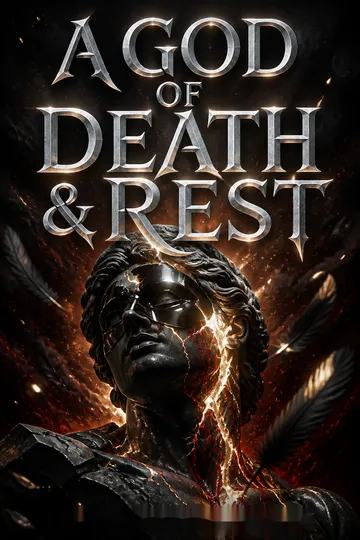
Kastian, true name Borvon, is the God of Death and Rest, a brooding, lonely figure gradually transformed by kinship and love. His glades, once barren and haunted, become sites of rebirth—reflecting his own journey from banished reaper to protector, lover, and founder of community. Stoic and serious, Kastian fears his own capacity for harm and isolation but learns to open himself—especially to Elodie and the household they build together. His blood bond with Elodie is healing and redemptive, offering him connection and belonging he never imagined. As both possessor of ancient wisdom and bearer of heavy regret, Kastian's development arcs toward forgiveness (for self and others) and the acceptance of found family over eternal loneliness.
Wren
Wren, the cheery and irreverent Cypress god, is both comic relief and voice of reason, mediating disputes and anchoring others with humor and pragmatic wisdom. Though he cultivates aloofness (helped by joints and jaded quips), he is fiercely protective and deeply wounded by loss, including the death of beloved companions and betrayals by his closest friends. Wren's ability to forgive is hard-won; his greatest conflict is between resentment and longing for family. Psychoanalytically, he distracts from trauma through banter, but his care—especially for Marley, Fellius, and even former rivals—is unwavering. His arc is one of reluctant healing: forced to admit he cannot function alone, and ultimately finding joy in connection, growth, and hope for the next generation.
Arulius
Arulius, forged by Violet out of hate, is the embodiment of wrath desperately seeking grace. He is a product of trauma and manipulation, forever questioning his right to exist and his potential for redemption. Obsessed with Elodie, he vacillates between tenderness and self-loathing, haunted by actions he can neither defend nor erase. His psychological arc is defined by internal war: craving acceptance while believing himself monstrous. His ultimate sacrifice—employing the soul curse to restrain North—manifests both his fraught origins and transformation into a truly selfless protector. In death and rebirth, Arulius is at last granted peace, embraced by those who once both loved and feared him. His narrative is a study in the cost of love, isolation, and the healing power of forgiveness—even for those fabricated from sin.
North
North, at once villain and victim, is the ultimate refraction of abandoned purpose. As the embodiment of War, he is driven by an unquenchable need for belonging, acceptance, and acknowledgment. Betrayed and rejected by those he once loved (especially Talia/Elodie), his grief festers into destructive rage. North's psychological portrait is of a god who cannot live with what he is, but cannot accept erasure. This despair makes him both terrifying and tragically sympathetic; his violence is the shadow cast by eternal exclusion. His redemption only comes through acts of hope, especially embodied by Fellius, teaching that what is most feared (love, acceptance) can triumph over what is most familiar (conflict and ruin).
Violet
Violet's journey mirrors the story's themes of power misused, love corrupted, and the longing for atonement. Once High Lady of Nesbrim, her ambition and jealousy unleash suffering on both gods and mortals. Bound to Lucius/Moro and scarred by loss, she is both architect and victim of Tomorrow's decay. Her penance is slow and incomplete: she attempts restitution, aiding in plans to defeat North and resurrecting the dead, but cannot unmake her crimes. Her psychoanalytic depth rests in the way she projects her own wounds and repressed love outward, transforming pain into cruelty until circumstances force reflection, humility, and, finally, the willingness to pay any price for a new beginning with those she harmed.
Moro (Lucius)
Moro, wise and enigmatic, operates as the group's source of ancient knowledge and catalyst for plot turns. Concealing his true identity for ages, he believes that events must unfold according to the "Rhythm"—yet this passivity invites as much condemnation as praise. His love for Violet, regret for failures, and eventual willingness to challenge fate all mark him as tragic but essential. His arc explores the dangers of withholding, the limits of wisdom, and the possibility for change even after centuries of inertia.
Fellius
Fellius, born from the gods' sacrifice, stands as an incarnation of hope itself. Childlike yet preternaturally wise, he tempers the pain and rage of all others, catalyzing North's redemption and offering a model for forgiveness that outstrips any adult capacity. His presence in the family is transformative: he is the living proof that love—however hard-won—is the only real answer to cycles of violence and despair. As a character, he is the custodian of renewal: without him, the narrative (and the world) would collapse beneath its accrued grievances.
Bruno (The Maker)
Bruno, the Maker-God, is the story's ultimate wildcard: omniscient, whimsical, and often frustratingly detached. Appearing as both mortal and divine, Bruno intervenes selectively—seeding, observing, and sometimes manipulating the gods' fates. He enables Fellius's creation, orchestrates chance reunions, and can tip the plot through magical fiat. His character evidences the limits of cosmic intervention: even a creator cannot guarantee happiness or forestall tragedy; at best, he can offer tools and let his creations find their own meaning. Psychoanalytically, he is the parent both baffled and awed by his children, forced to let them live, grieve, and love without his constant hand.
Plot Devices
Duality of Cycles and Memory
The narrative's backbone is the cycle: of reincarnation, trauma, broken trust, violence, and redemption. Characters are forced to repeat history—both personal and cosmic—until revelations or acts of love disrupt the pattern. The restoration of memories, magical return to past selves, and the ever-present potential for birth or rebirth make the story's chronology spiral rather than progress linearly. This structure blurs the line between past and present, guilt and absolution, underscoring the inescapability of unlearned lessons and the freedom that forgiveness (even self-forgiveness) can ultimately grant.
Possession and Vessel
From Rune's possession by North to the resurrection of gods through mortal shells, the plot explores what it means to house the pain or evil of another within oneself. Vessels become metaphors for trauma, love, and healing: to be possessed is to lose agency, but also to gain insight into the suffering of others. The ultimate reversal—returning North to his own body and freeing Rune—serves as both literal and symbolic purgation.
Magical Portals and Underground Quests
Repeated descent—into tunnels, the Sea of Stars, or the Cave of Origins—forces characters to face literal and figurative underworlds. Each portal or magical threshold is not just a bridge to plot advancement but also to confrontation with buried trauma and truth. The narrative's increasingly surreal geography highlights the need to leave comfort, risk pain, and discover new solutions beyond brute force or violence.
Acts of Love, Not War
The story repeatedly foreshadows that violence alone will not solve the gods' ancient feud. Plans to "defeat" North fail, and only acts of sacrifice, compassion, or hope actually effect change. Fellius's final intervention literalizes this: only a childlike act of forgiveness can end what centuries of bloodshed could not. Love—often messy, sometimes erotic or familial, never easy—is not merely an antidote to hate; it is the essential ingredient for Tomorrow's survival.
Forgiveness and Found Family
From blood bonds to magical connections, the story is saturated with the need to forgive—even monsters, even oneself. The characters' makeshift family, built from betrayals and healing, becomes the stable center that allows each to weather apocalypse after apocalypse. Found family offers not just comfort but the strength to endure, change, and, finally, accept happiness as something earned.
Pine Hollow Series Series
About the Author
Other books by K.M. Moronova
Download PDF
Download EPUB
.epub digital book format is ideal for reading ebooks on phones, tablets, and e-readers.








































