
Plot Summary
Three Fates' Pact Forged
In the shadow of immortal conflict, three Demon cousins—Xannirin, Rokath, and Kiira—cement an alliance to overthrow their brutal fathers and remake their fractured society. They envision themselves as living Fates: the Kral, the deadly Halálhívó, and the High Priestess, blending ambition with trauma to justify wielding faith as social control. Battered but resolute, each vows to claim ultimate power, even at the cost of obedience over devotion. Their pact is sealed in blood and foresight, birthing a regime where worship becomes law and autonomy a privilege. This alliance sows the seeds for a centuries-long war with Angels and inscribes both hope and tyranny into the roots of all that follows—a future haunted by prophecy and the question of true freedom.
Ashes, Bone, and Bond
Rokath and Assyria lumber from a desert massacre—wounded, thirsting, carrying the weight of grief and vengeance. Bound by trauma and a deepening, uneasy love, their forced return to the Demon army is defined by suspicion and pain, but also by tentative support. After fifty thousand are lost for Assyria's life, Rokath must face the blighted survivors and prove both himself and his radical vision: that women must rise among the warriors for their people to endure. Their love deepens on charred ground, haunted by the past yet fueled by a stubborn hope, as they march together toward a new order written in both blood and desire.
Unforgiven Marches On
Rokath, bloodstained and haunted, readies to reclaim the trust of his broken army. Side by side, Assyria refuses to be hidden any longer—her intelligence and resilience forcing a reckoning within hardened ranks. With brutal honesty and public punishments, Rokath proclaims a revolutionary decree: henceforth, women will bear arms and join the front. It's met first with outrage, then grudging compliance enforced through violence and awe of Assyria's strange, potent magic. Their union, forged in hardship and defiant love, begins to symbolize both threat and possibility. As midnight falls, the weary pair clings to one another in a peace as raw as it is brief—a fragile redemption in the crucible of relentless war.
The Fallen Rise Anew
Rokath's grip over the army is violently reaffirmed: dissenting soldiers are publicly humiliated, lashed, and bled into obedience. Assyria's identity as mate and equal is laid bare before all, breaking the traditional hierarchy. Despite deep scars—her own and Rokath's—the pair forges forward. The cost of power is etched into flesh, their bond now a living symbol of the new order: women, once veiled, now march beside their brothers. The taste of both blood and hope lingers as power exchanges hands not through whispered counsel but through the thunder of public sacrifice and merciless love.
By Blood Made Equal
As new Angel prisoners are captured, Assyria and the priestesses claim their space among the Demon warriors, their unique magics assessed and validated. Initiation rituals of relentless bloodletting and punishing trials erase the line between priestess and fighter. Bonds of camaraderie are sealed in pain and shared desire for something beyond mere servitude. The scent of burnt feathers and white bones pervades the camp, warning the world: these "fallen" rise again, choosing killing over kneeling, and in their wounds and defiance, a revolution is born.
Angel Wars, Demon Wounds
War erupts anew as Demons and Angels clash in a crucible of magic, steel, and desperate strategy. Rokath's innovative tactics, including the controversial integration of women, begin turning the tide—but not without staggering casualties. Doubt, trauma, and the threat of prophecy haunt every decision; command is loneliness personified, soothed only by Assyria's healing touch. In their makeshift thrones of bone and sorrow, love and vengeance become inseparable. The landscape is carved by both enemies' blood and a longing to be seen—not as monsters, but as gods.
Thrones of Bones Assembled
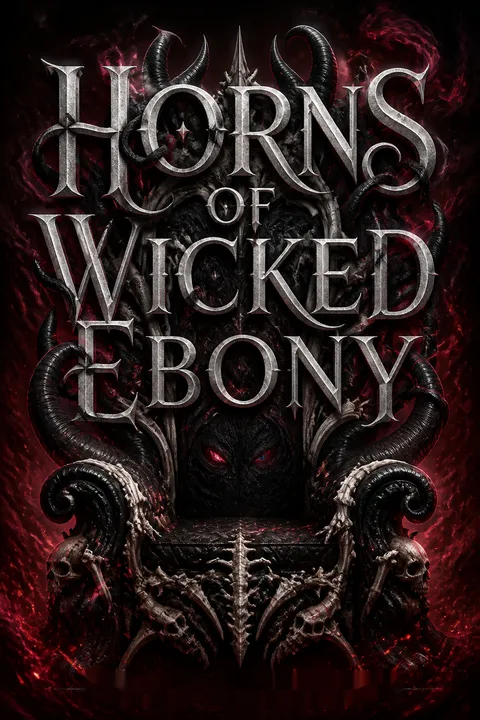
Rokath and Assyria enshrine their victory and their claim to power with grotesque artistry: they assemble their thrones from the bones—literal and symbolic—of those they've conquered. The mythos of their union spreads, whispered as both curse and miracle. To the army and priestesses, the throne stands as a beacon of defiance; to the Angels, as a threat of annihilation. Violence and tenderness braid together, each atrocity fueling devotion—and their reign looms large as a story "too big to die."
Forged in Shadowed Grief
In rare moments of reprieve, Rokath bares the horrors of his past to Assyria—violence inherited, betrayals survived, and the bone-deep guilt over lost friends. Together, they dig into wounds both fresh and ancient, their love a way to stitch flesh and heart. Their vulnerability becomes not a weakness but a crucible, forging them as the Fates that walk the earth. When dawn comes, they are steelier and sadder, united in sadness and purpose, steeling themselves for the next bleed the world will demand for peace.
Plague and Prophecy Intertwine
Angel and Demon worlds collide as Banand's curse—the power to unleash plague at will—is manipulated by both sides. Kiira's visions pierce the veil, predicting a climax of violence and sacrifice that traps even those who would rebel. The rules of faith are rewritten: blood sacrificed, old orders fallen, and both Angel and Demon forces churned by fear and the hunger for meaning. The line between faith and control, prophecy and manipulation, begins to blur, binding all to a destiny none can escape.
Wolf Among Priestesses Emerges
Among the newly unleashed priestess-warriors, Assyria's leadership galvanizes hearts—her "devious burgundy eyes" become the symbol for a generation. Through tattoos, shared initiations, and acts of audacious defiance, she transforms from outsider to wolf-mother of the fallen. Sisterhood, once a fragile hope, becomes the sharpest blade in her hand. With every victory, the line between her rage and her righteousness narrows, and the world begins to fear and follow the Szélhámos as living myth.
Fractured Trust, United Front
As rape and betrayal are punished by execution and blood oaths, trust is shattered by a failed assassination and council-room intrigue. Rokath, Rapp, Kiira, and Assyria lock arms—a war council welded together by the threat of shared doom and prophecy both. Sacrifice is demanded not only on the field, but also within friendships and family. Every alliance—Angel, Demon, and traitorous mate—is retested. Old wounds are torn open and bound tight; union becomes strategy as much as solace.
Betrayed by Gods and Kin
With Angel seers and demonic Fates dueling for the future, both sides are tormented by divine visions that refuse to reveal the price. Bonds, long held as sacrosanct, are strained by secrets, threats, and fears that even the gods may not know the true weave. Rokath's confrontation with Xannirin over an assassination attempt turns brutal—devotion and power balanced on a knife's edge. Not even the wise can say whether prophecy leads, or the desperate, clinging dreams of those who curse and clutch at freedom.
Sacrifice on the Salt Flats
Forced by Angel cunning, Rokath must choose: the life of his new mate, or the survival of half his army. As Assyria is taken and made a bargaining chip, every march and maneuver bleeds for her eventual return. The demonic world trembles, unity paid for with mass graves and ash. Love and guilt become tools as much as motives, recasting leadership as the art of choosing who burns for the promise of a better order.
Fire in the Desert's Heart
Rokath and Assyria stagger through desert exile on the edge of death, sustained by love, vengeful ambition, and the raw ache of old wounds. Burning camps and pyres of enemy bones line their lonely way—each fire a prayer and every march a reminder of the brutal cost of transcending tradition. In their arms, they learn what must be surrendered to build a new world from ruin: tenderness restored, bodies embraced as both weapons and sanctuary.
Broken Armies, Burning Sky
War's crushing weight presses down as armies fracture, only to be rebuilt through new blood rituals and the fierce resolve of broken survivors. As An Age of War and Prophecy accelerates, secrets emerge: plagues, new recruits, betrayals. Blood thickens into dogma. The fate of kin and kingdom hinges on the union of lovers and leaders—a chance, perhaps, not at victory, but at choosing the meaning of the end.
Love Severed, Rage Unleashed
A psionic blast and cunning Angel tactics sever Assyria from Rokath, plunging both into despair, madness, and savagery. Every wound suffered now demands blood and vengeance. Salvation is a knife's edge—one partner fighting to survive alone, the other to burn the world to bring her back. Sacrifice, always prophesied, is not given freely—its cost is measured in the number of Angels slain in the name of love's impossible, furious endurance.
The Army's Obedience Won
Rokath and Assyria wage as much war within their own army as against the Angels: dissenters are broken, a new mythos rises, and both blood and law are rewritten. The throne of bones and feathers becomes a living symbol—every public punishment both theater and warning. In ink and violence, in devotion wrestled from centuries of hate, the new order is sealed; there is no longer room for the past.
Names Inked, Futures Claimed
As priestess and warrior dissolve into one, all hands are marked—some with the devious eye tattoo, others with ritual brands—signifying allegiance to a new epoch. Blood oaths give way to shared mourning, shared vengeance, and the first hesitant steps of reconciliation between gods, people, and enemies who might yet become kin. With peace a fragile hope on a blood-soaked horizon, the book closes with love's defiant endurance and the certainty: the war is far from finished, and the age of prophecy has not yet claimed its final sacrifice.
Analysis
A savage epic of trauma, transformation, and defiant loveHorns of Wicked Ebony is a relentless exploration of power—violent, sexual, political, and psychological—wielded both for and against liberation. Its architecture is that of revolution: every character is forged in trauma, from brutal patrilineage and faith weaponized as a means of control, to battles fought as much in the heart and mind as with sword and magic. The novel interrogates the mechanics of obedience and faith—how stories, prophecy, and ritual can be twisted to enslave, and, with the right fire, remolded to set souls free. The partnership of Assyria and Rokath stands as the book's beating heart—a ferocious, messy, and ultimately healing testament that real love must make us both bleed and bloom. The journey from subjugation to leadership is a reminder that true freedom is claimed, not given, and that the gods—be they Fates or their prophets—are tools to be wielded, not cages to be worshipped. The lessons of empire and violation are never easy: every gain is paid for in blood, and every peace is only a new threshold for future betrayal. In a world where no war is ever wholly won, and prophecy is only as binding as we allow it to be, the most revolutionary act remains to choose love, again and again—no matter the darkness.
Characters
Assyria
Once veiled and discarded, Assyria is introduced as the unwilling mate of Rokath, marked as "fallen" but refusing subjugation or silence. Wielding rare, shape-shifting magic, she becomes both a weapon and a myth, seamlessly moving from self-doubt to unrelenting leadership. Her wit and spirit transform society's perception of women—uniting priestesses and warriors to reforge tradition. Assyria's trauma—marital abuse, death, and centuries of erasure—fuels her empathy and rage. Her bond with Rokath is both her greatest wound and her salvation, birthing a partnership in both love and raw power. Through pain and rebellion, she finds self-trust, guiding others through shadow toward an uncertain, self-chosen dawn.
Rokath (Halálhívó)
Rokath is the living archetype of the brutal warlord—scarred by violent lineage, genius in battle, and terrified by the vulnerability of heartbreak. When forced to choose between love and his army, he chooses Assyria, fracturing the world but redeeming his soul through repeated acts of raw devotion. His gift to Call the dead becomes a symbol of his willingness to be monstrous for those he loves. Rokath's arc—protective but learning to empower—transforms him from traumatized executioner to a leader willing to bleed for a new, inclusive order. His hardness crumbles only for Assyria, and their union stands as both warning and prophecy: love, when tempered by violence and wisdom, can destroy and remake worlds.
Kiira (High Priestess)
Kiira is at once victim and architect: survivor of paternal violence, rape, and centuries of playing the "goddess" for Demon society. Her rare sight-wielding gifts are a curse as often as a comfort, and her relationship with Rokath and Xannirin is both a political alliance and a found siblinghood. Through trauma and solidarity with Assyria, Kiira learns to bend the religion once weaponized against her into a tool for freedom, ultimately unleashing waves of female agency across the realm. Her struggle is always for both personal sovereignty and the perilous, seductive power of belief—to reshape faith in her image.
Xannirin (Kral)
Xannirin is born to power and takes it with calculated violence, justified by a vision of social control for the Demon race's survival. But his ambition morphs into arrogance and paranoia, leading to betrayal, murder, and the near-destruction of what he'd built. Xannirin's arc is not one of simple villainy but of tragic promise: he is the necessary monster, capable of both igniting change and choking it. His relationship with Kiira and Rokath is marked by rivalry, co-dependence, and a love he barely understands. Ultimately, he is the story's warning that power must be directed—and sometimes dismantled—by those it harms.
Rapp
Rokath's best friend and Hadvezér (commander), Rapp is the acerbic, sharp-eyed observer who speaks truth when no one else dares. His empathy runs deep, offering healing and comic respite amid devastation. Witness to both Rokath's and Assyria's journeys, his own trauma is hidden beneath bravado, and his budding love for Kiira is a subplot of late-blooming tenderness. Rapp models the potential for men to support, rather than suppress, the women around them, and his survival through death and disaster is emblematic of the story's faith in chosen family.
Banand
Banand is the Demon whose plague-crafting power tips the war's scale—and makes him a target for Angel and Demon alike. His captivity and guilt become a microcosm of the story's central torment: can love, or choice, survive when weaponized by prophecy? His mate bond with the Angel Araquiel—impossible and dangerous—offers a chance at redemption and the potential, terrifying synthesis of faiths and destinies.
Araquiel
Imprisoned, uncertain, and gifted with rare magic, Araquiel is the Angel who must choose between everything she's ever believed and the Demon mate she cannot deny. Her arc is one of impossible choice and embodiment of the series' theme: sometimes the only way forward is to break with both gods and kin. Her alliance with Banand is the volatile mixture that could either destroy or transform the world.
Trol
As Hadvezér and ground commander, Trol is the glue holding the Demon force together amid shifting hierarchies and new alliances. His acceptance of change is both reluctant and absolute. He is a counterweight to Rokath's volatility, representing the necessity—and the cost—of order on the bloody path to reform.
Uzadaan
A long-serving Demon soldier with unique magic to freeze blood, Uzadaan becomes one of Assyria's first loyal male followers, proving the power of earned respect, even as legacies of subjugation crumble. His willingness to learn, adapt, and protect signals a new breed of Demon warrior.
Izzenna
Once a priestess, now a battlefield artist, Izzenna's magic is to channel fear itself, and her confidence is a spark that helps weld the new army together. Her easy camaraderie with Assyria, Vokkia, and Maariya is emblematic of the chosen sisterhoods that rise out of ruin.
Plot Devices
Prophecy as both snare and liberation
Kiira's visions set the future on rails yet also allow for deviation—three crows heralding points at which fate can be altered, for better or for worse. Angel seers counter the Demon sight with their own competing prophecies, launching a chess match of belief against belief. This tension is woven tightly with the motif that stories, dogma, and mythos can imprison as much as inspire. The ultimate subversion is that prophecy does not dictate who wins but who is willing to remake themselves in the process.
Duality of love and violence
Nearly all plot progression hinges on the collision of brutality and tenderness: whether at the sword-edge of public punishment, the bedroom, or the chessboard of battle. The relationships mirror the story's thesis that trauma can be forged into healing or further destruction. Intimacy—both sexual and emotional—becomes both sanctuary and weapon, transforming personal wounds into public revolution.
Gendered power and social reformation
The world builds itself on forced hierarchy and the suppression of women. The entire arc is structured around the integration of women into every aspect of war and faith—accomplished through violence, myth-making (the symbol of Assyria's burgundy eyes, the shared tattoos and blood oaths), and the dismantling of false religious dogma. The structure is frequently interrupted by scenes of public discipline, bloody spectacle, and queer intimacy to both challenge and affirm the new order.
Bone and blood as recurring symbols
Bones—angels and demons alike—are fashioned into thrones, icons, and weapons, marking not just victory but the price of survival, both grotesque and galvanizing. Blood is offered to gods, used as a currency of obedience, and as the sincerest proof of love, kinship, or betrayal.
False fronts, shifting identities (imposture and disguise)
Assyria's magic means she literally becomes the "Imposter"—but the motif repeats in every character who adapts, betrays their former selves (both willingly and unwillingly), or dares to believe they can escape the stories written for them. Disguise provides both protection and an existential trap: the threat that to "imposter" long enough is to forget the face beneath the mask.
Dual narrative structure and dramatic foreshadowing
The story cycles between present-day battles, flashbacks to the origins of the Demon regime, and glimpses of future prophecy. The constant invocation of threads, scars, brands, tattoos, and bone underscores a structure that is both cyclical and violently forward-thrusting. Each major turning point is foreshadowed by repeated motifs—three crows, visions, the scent of roses and metal, the assertion that stories and symbols outlive their originators.
Download PDF
Download EPUB
.epub digital book format is ideal for reading ebooks on phones, tablets, and e-readers.








































