
Plot Summary
Arrival At Shadows' Gate
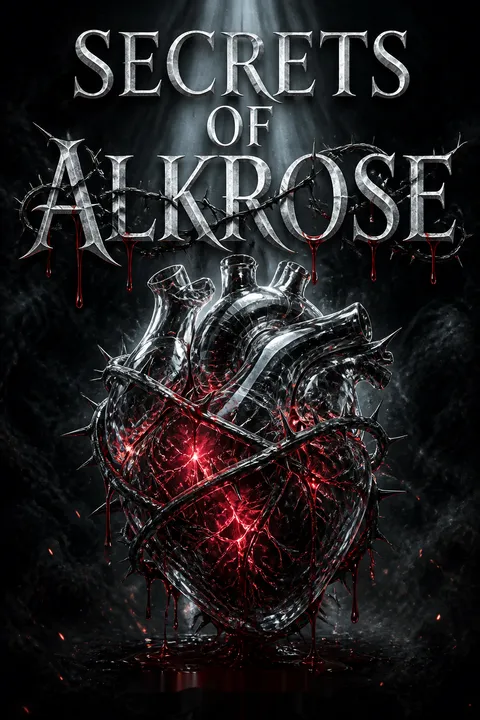
Terra, Raine, and their few surviving companions arrive at Alkrose Academy, reeling from violence and loss after the destruction at Barkovah. The arrival, meant to be a fresh start, is shadowed by grief, rage, and estrangement, most notably between Terra and her brother Edgar, transformed and barely recognizable in appearance or emotion. The castle's grand and chilling atmosphere, with students divided by the powers of their Shadows, underscores a setup where old alliances are tenuous and new hierarchies are enforced by trauma. Each individual carries wounds—physical and mental—into an institution that promises further tests, both of character and survival, reminding them nothing is ever truly safe at Alkrose.
Family Divided
Reeling from restored memories, Edgar is emotionally adrift, overwhelmed by betrayal—real and perceived—while blaming Terra for family tragedies. His withdrawn, hostile stance is exacerbated by the sinister influence of his Shadow, Sully, which corrodes his thoughts and trust. The siblings' inability to reach each other in their desperate states highlights the heartache of lost connection. Terra's guilt and Edgar's rage fester in isolation, setting an ominous stage: family is no longer a refuge, but another battleground, weaponized by the sufferings and deceits of war and Shadows.
Survivors Of Barkovah
In the aftermath of Barkovah's devastation, Raine's grief tears at Terra as they wash themselves of literal and figurative blood. Their shared vulnerability leads to a tentative intimacy, both sexual and emotional, serving as a fleeting salve to their wounds. Terra tries to comfort Raine, but both are haunted by guilt, loss, and the knowledge of impending death. In the shower's embrace, they seek respite from a world where trust and safety have been stripped by violence, their affection a fragile but stubborn flicker in the dark.
Scars Of Memory
Sleepless and tormented, the cold, lethal Elias returns to Alkrose struggling with burdens no Shadow can fully quiet. Haunted by past missions and bloodshed, especially his role in the genocide at Barkovah, he inhabits his role as killer and instructor with chilling efficiency. Yet, even this hardened assassin feels the stirrings of change—finding a rare connection in Terra, who is, impossibly, his Shadow Mate. This emerging vulnerability sets him at odds with himself, the institution, and the monstrous system that created him.
The Culling's Price
The Culling Assessment, a brutal gauntlet where students slaughter one another under the instructors' gaze, lays bare Alkrose's purpose: fashioning survivors, not merely students. The institution's clinical cruelty becomes apparent—experimentation, power hierarchies, and the casual disposal of lives deemed unworthy. The survivors, marked by their House status or sheer luck, are left physically and spiritually scarred. The violence is both a threat and a warning: at Alkrose, you live only by outlasting those around you.
Phoenixes And Shadows
Amidst the chaos, Terra's reunion with Finn—her childhood love, now irrevocably changed—serves as a crucible for her identity. Their encounter is as volatile as the conflagrations Finn's Shadow, the Phoenix, can conjure: longing, disappointment, and hard-won distance define their exchange. Shadows, trauma, and loyalty all pull the survivors into new orbits; some former attachments weaken, while others, such as Terra's relationship to Elias, only strengthen under pressure.
Bitter Reunions
As friend and foe alike gather for Alkrose's banquets, the cost of survival sharpens. Survivors are strangers to themselves and each other, haunted by those they could not save or have betrayed. Night brings no comfort; instead, longing, fractured alliances, and the threat of violence hover. Hope briefly ignites in moments of shared warmth, but is quickly doused as secrets and resentments bubble up, making it clear that the shadow war is as much internal as it is external.
Blood And Banquet
The first gathering at Alkrose embodies the academy's philosophy: unity through fear. The Nova House sits at uneasy elevation, watched by envious or hostile eyes, as speeches and rituals reinforce the seriousness—students will be blooded anew, with only the ruthless prevailing. Suspicion, competition, and old rivalries fester, but so too does quiet camaraderie. Beneath festivities and forced civility, plans for resistance are sown, even while new alliances—and threats—emerge with every passing course.
Games Of Power
The true nature of Novas' danger is revealed—the involuntary ability to blight those around them, sentencing even friends to inevitable death. Training sessions are twisted into near-lethal tests; control is paramount, for without it, powers become curses. The students' desperation and dread mount as each successful lesson comes at great cost, their free will eroded by Shadows and the academy's machinations. Edgar's struggles underline the risk: when corrupted power is mishandled, it endangers everyone.
Cast In Darkness
No longer just a victim of his Shadow's whispers, Edgar is forcibly bound by magical casts, placed by instructors who fear his burgeoning, uncontrollable strength. These restraints mute Sully but also further isolate Edgar, exacerbating his sense of betrayal and helplessness. The seductive promise of power—if only he surrenders more of his soul to Sully—grows ever stronger. Edgar teeters on the brink, neither monster nor martyr, while the rest of his circle weighs whether he must now be feared or saved.
Of Hearts And Blight
With Raine's life threatened by Nova blight, Terra and friends embark on desperate research, uncovering hidden notes that hint at a cure. Their quest for hope pulls them into alliances with professors, each as compromised and sorrowful as the students. The secret of the stolen hearts—actual objects, hidden away as tokens of obedience—brings new urgency. The price to reclaim them is steep, and the struggle to save Raine tests Terra's conscience and the group's fragile unity.
Comfort Amidst the Cold
In the bleakness of Alkrose, Terra, Finn, and their circle seize fragile moments of solace. Relationships deepen along forbidden lines—Terra's tangled affections for Elias, Raine, Finn, and Arthur reflect both resistance to despair and a willingness to compromise morals for connection. Sex becomes a battleground for trust, comfort, and dominance, blurring the lines between pleasure and manipulation. Even these brief respites are haunted by reminders: happiness is transient amidst ever-present danger.
Lessons in Pain
Classes at Alkrose are anything but academic; each hands-on lesson in Shadow riding, combat, or anatomy becomes a rehearsal for violence. With every test, students are taught to harden hearts, sever empathy, betray trust, and value survival at any cost. Sex-ed lectures, while comic at surface, underscore the brutality—no real partnership can exist in a world where Shadows override consent and desire. Alkrose's curriculum is the forging of monsters.
A Monster Born
Pushed past breaking by the deaths of friends and forced betrayals, Edgar consents to Sully's full takeover, trading away last shreds of humanity. He blights, kills, and ultimately resurrects, creating a grotesque semblance of kinship with the dead. He is at once puppet and puppetmaster, his existence a warning: absolute power is ultimate isolation, and vengeance forges monsters that cannot be unmade.
Sins Of The Past
Hidden histories of instructors—Elias, Arthur, Kallos—reveal cycles of suffering and rebellion. Past cohorts were destroyed by the same tests now facing students: heart theft, blights, and impossible demands. Their trauma informs their tutelage, driving their obsession with certain students and their desperate, sometimes questionable, attempts to break the cycle. The old wounds between obedience and hope will soon shape the fate of Alkrose itself.
Shadow Lessons
The line between host and parasite erodes as students learn to push their Shadows deeper, balancing terrifying powers with escalating risk that the Shadows will dominate or destroy them. "Unity" isn't harmony, but surrender; muting one's emotions is encouraged as survival strategy. For some—like Finn and Raine—recurring memories, visions, and wounds testify to a slow death of self. Alkrose's real work: making sure students cannot tell where Shadow ends and person begins.
Sex, Death, Devotion
Love and intimacy are inseparable from violence as relationships deepen. Whether seeking comfort, escape, or power, characters cross lines—Terra's affairs with Elias, Arthur, and Raine are intense, needy, and fraught with the threat of betrayal. Choices made for love are indistinguishable from those made for survival, and every touch is shadowed by the threat of manipulation, secrets, or even death. In the darkness, devotion and destruction are twins.
Searching For Hope
Desperate to save Raine, Terra uncovers the ghastly truth: blight can only be cured by passing the curse to another—by killing an innocent. Faced with this impossible "cure," Terra must weigh love against morality, ultimately sacrificing another to spare Raine. The act is transformative, initiating an irreversible slide into the very kind of monstrousness she hates, and demonstrating that in Alkrose, there is never a win—only a shifting of grief and guilt.
The Library's Secret
Terra, Raine, and friends' covert library search yields a hidden note by a professor, offering a potential solution to the blight. The revelation inspires dangerous hope but also sets them on a collision course with Alkrose's corrupt system and the limits of "hearts" as literal objects and metaphors. Every attempt to save one friend must be paid for with another's suffering, and the library—repository of memory and amnesia—becomes a battleground for what must be forgotten and what must be remembered.
Shadows Unleashed
Edgar and his group's unauthorized use of a portal sends them into Fernestia's deadly territory. Their bid for agency leads to a massacre: power proves insufficient, betrayal is everywhere, and the survivors are left shattered and traumatized. The forbidden adventure cements Alkrose's indoctrination: each act of rebellion is used to justify further repression, and each failed attempt at solidarity makes the next even less likely.
Past Lives, Present Sins
The plot to recover the literal hearts stolen by Emerai turns into a grim reckoning. While Terra succeeds in reclaiming some and returning Arthur's, the act unleashes deeper powers and previously sealed pain. What seemed a step toward freedom inadvertently arms the "devil" Arthur against his own former captors, heralding a new, potentially more dangerous era of rebellion. Every step toward justice comes with unknowable costs.
Chains Of Obedience
The paradise promised by Fernestia is maintained through the literal theft and storage of students' and professors' hearts—rendering them obedient, hollow, and nearly immortal. Without a heart, the victim belongs to the regime; with it, they are a threat. Terra's realization of this delivers both hope for resistance and a knowing that the cost for defiance may be paid in blood and heartbreak.
Friends And Traitors
Attempts at rebellion are undercut by paranoia, betrayals, and manipulations—a friend today might be a traitor tomorrow. Edgar's rage at betrayal by his friends and family, real or imagined, drives him into further isolation, while others' efforts to save those they love (or themselves) leave new wounds, new martyrs, and new monsters. In Alkrose, all alliances are conditional and friendship is as fragile as fate allows.
Blood On the Snow
The Blood Crowns exam—ostensibly a "test"—is a gruesome competition where betrayal, murder, and the sacrifice of innocence are prerequisites for survival. An orgy of violence, instigated by institutional design, leaves the survivors even more hollow and guilty. There can be no turning back: each act of murder, even defensive or coerced, stains the soul, as Alkrose forges new generations of both tyrants and revolutionaries.
Descent Into Madness
Edgar, now barely human in body or mind, turns to necromancy, raising dead friends and enemies alike. Having already passed the point of return, Sully's influence and Edgar's choices fuse into absolutes: power without empathy, immortality without solace. Around him, even the living begin to resemble the dead in their numbness and capacity for violence. Madness is no longer an exception, but the rule.
Monster's Ascension
Armed with untethered power and liberated from magical control, Arthur and Elias begin to reshape the battleground. The cost: unleashing new evils whose ethics are as compromised as those they fought. The students' efforts to secure their own hearts, freedom, or justice only trade old masters for new ones. What begins as a bid for liberation accelerates the cycle of violence, heartbreak, and unmoored authority.
The Crown's Shadow
Students—now warriors—are pitted against one another with no choice but to kill or be killed, their fates orchestrated by Headmaster Emerai and the Empress of Fernestia for entertainment and control. Survival demands not only skill but betrayal, and even the victors find no comfort; every crown gained is weighed by the loss of another soul, every escape another step toward becoming the very monsters they once feared.
Killing What Remains
Guilt and grief become permanent companions. The line between victim and villain is scoured away, and even small acts of mercy—such as Edgar sparing Terra—cannot outweigh the tidal destruction. The survivors' saving and killing of friends, lovers, and siblings erase hope of simple reconciliation. With each act of violence, something essential is lost, and with each sacrifice, the war within is as wrenching as the war without.
Grief's Memory
Raine's death is the final straw: Terra is left bereft, abandoned even by her own Shadow when she tries to save him. Mourning becomes both private and collective. Survivors are condemned by the things they did to survive, the loved ones they let die, and the ways they're punished for even seeking hope. The pain is unending, but memory—kept for others by those not wholly consumed—emerges as the only fragile antidote.
The Last Light
The story concludes on a note both terminal and ambiguous: the survivors clutch at memory, at handfuls of ashes and fading hearts, as new battles loom. Edgar, now puppetmaster of the dead, is more shadow than person. Terra, Finn, and Arthur grasp after connection in a world built to sever it. Yet, in memory—painful, fallible, forever at risk of loss—remains the unkillable last light of resistance against oblivion.
Analysis
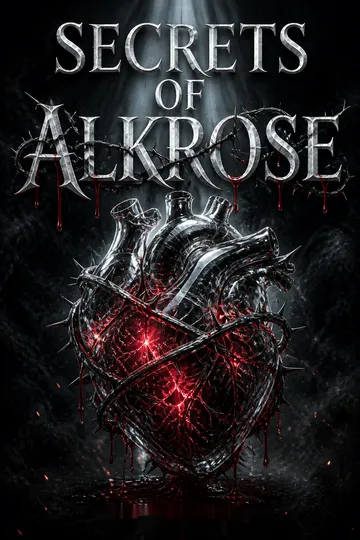
Moronova's Secrets of Alkrose transforms the traditional "dark academia" fantasy into an unflinching meditation on trauma, complicity, and the impossibility of ethical survival under totalitarian systems. Every device of the plot—the violent rites of Alkrose, the magical theft of hearts, the insidious agency of Shadows—serves both the literal advancement of the story and a broader exploration of what it means to endure, to love, and to lose oneself under relentless pressure. The book refuses easy redemption: survival demands betrayal, memory is both a weapon and a wound, and the machinery of control turns even heroes into monsters. Ultimately, the work insists that grief and hope are entwined; those who live must bear not only the memory of the fallen but also the knowledge of the choices that made survival possible. In this way, Alkrose is not just about coming of age in a world gone wrong—it is about the inheritance of violence, the cost of resistance, and the faint, inextinguishable light memory offers in the darkness.
Review Summary
People Also Read


Characters
Terra Eldridge
Terra is the center of the narrative's emotional gravity, cast as both victim and agent of the horrors at Alkrose. Her Shadow, Amser, the Nova of Time, amplifies her ambivalence—she is caught between mercy and monstrosity, seeking to save friends even when it demands unspeakable sacrifice (such as passing the blight through murder). Her relationships are tormented: with her brother Edgar (whom she both loves and is forced to battle), with Finn (old love, new pain), with Raine (complicated devotion), and with Elias (forbidden, violent attraction). Terra's struggle is to retain some humanity—clinging to memory and guilt—while increasingly adopting the necessary ruthlessness demanded by her world. Despite attempts, she cannot save everyone, and her journey is one of enduring and remembering pain when no comfort is to be found.
Edgar Eldridge
Edgar's arc is a harrowing descent from loyal brother and hopeful survivor to the embodiment of corrupted power. Resurrected by both tragedy and Shadow (Sully, the necromantic blight), Edgar embodies the consequences of cumulative betrayal: from his family, friends, and institution. Restored but changed, he soon loses control, his sense of self consumed by Sully's malignancy and the trauma of losing loved ones. His subsequent acts—blighting, killing, resurrecting the dead—are both an assertion of agency and an expression of absolute loneliness and rage. Edgar's psychology is that of a victim and abuser: empathy and bitterness coexisting, the desire to spare loved ones overtaken by the drive to see the world suffer as he has.
Elias (Assassin of Fernestia)
Elias has survived Alkrose's monstrous system by becoming its most ruthless product: assassin, instructor, and sometimes the regime's enforcer. His Shadow, Velis, is a constant presence—meticulously controlled, terrifying when unleashed. The rare love he finds in Terra (his Shadow Mate) threatens to reawaken his long-buried heart, and his struggle is between resigned villainy and the desperate, near-hopeless urge for redemption or revolt. Elias's survival is predicated on emotional numbness, but in learning to care again he risks the only protection he has ever known. Guilt, trauma, and calculated detachment are hallmarks of his psychological defense, and every affectionate gesture is edged with violence and helpless rage at the system he both serves and hates.
Raine
Raine is marked by blight as the walking dead, his own Shadow (Destiny) both a gift and a curse—he can see many futures, but is powerless to avoid his own end. Psychologically, Raine embodies both the melancholy of the cursed and the courage of those who persist anyway. His relationship with Terra is beautiful but tragic, filled with emotional candor, sexual intimacy, and the knowledge that their days together are numbered. His ultimate fate—sacrificed to secure Terra's survival and happiness—reflects his selfless devotion and the recurring motif that fate cannot be cheated without dire cost.
Finn
Finn is defined by longing: for Terra, for lost innocence, and for redemption. Bearing the Phoenix Shadow, he is both the bringer of fire and a perennial outsider, forever hovering between old attachments and the present's violence. His relationship with Terra is a source of comfort and a painful reminder of what has been lost. He is consumed by both guilt (for not saving others) and hope, and his most defining trait is a stubborn refusal to give up on love—even as all evidence suggests such hope is folly. Finn's inner landscape is one of grief held at bay by memory and longing.
Arthur
Arthur is one of the instructors, an imperfect guide stricken with melancholy for failed pasts and haunted by love and regret. Tied to Terra and the other students by both romantic entanglement and psychic resonance, Arthur's Shadow allows him to preserve and share memories—becoming a keeper of grief and a repository of lost lives. When Arthur finally regains his heart, he is transformed from passive, somber observer to potential rebel. His psychological landscape is shaped by sorrow, self-control, and a longing for connection buried beneath forbidding restraint.
Kallos
Kallos, golden and aloof, embodies both wisdom and futility. Once a survivor of Alkrose's original traumas, he mentors and manipulates in equal measure, guided by the pain of the ones he could not save. His role as the author of the hopeful—but ultimately false—note on curing the blight is crucial. Kallos demonstrates that sometimes the most dangerous hope comes from those who remember too much, and his attempts at redemption are as likely to end in renewed cycles of pain as in rescue.
Lucina
Lucina's fate encapsulates the tragedy of Alkrose: striving to be good, she is nonetheless injured by the system and her friends' choices. Ultimately killed and resurrected by Edgar as a puppet, she is denied even a meaningful death, underlining that in a world of necromancy and moral compromise, not even oblivion is a refuge. Her role is to bear witness to both friendship and monstrousness.
Corvus
Corvus is emblematic of the students caught between resistance and complicity—a guide when strategy or logic is needed, but also at risk of being swept up in the tide of institutional violence. He is loyal, pragmatic, and deeply suspicious, often questioning choices that seem obvious to others. His relationships with other students reveal the shifting dynamics of trust and betrayal—a microcosm of Alkrose's larger world.
Emerai (Headmaster)
The Headmaster is the embodiment of Alkrose's ruthless calculus: hearts are tools to bind, lives are resources to be spent, and every rule is an experiment in obedience. The theft and storage of hearts render Emerai nearly omnipotent, channeling the system's paranoia and fanaticism into every "test." He is the immovable antagonist—less a person than the impersonal violence of the regime made flesh.
Plot Devices
Brutal Academy as Microcosm
Alkrose functions as more than a school; it is a laboratory where hierarchy, violence, and emotional castration are tested and perfected. Each exam—Culling, second-semester, Blood Crowns—serves as both narrative pivot and a chilling allegory, turning education into selection, and selection into cyclical tragedy. The academy's structure enforces non-linear alliances, betrayals, and recursive trauma, amplifying the story's emotional tension and moral ambiguity.
Shadow-Bonded Magic and the Heart
Shadows are not only sources of fantastical strength but act as metaphors for trauma, desire, obsession, and loss of agency. The literalization of heart-stealing—rendering characters obedient, numb, or hollow—serves as both magical and metaphorical commentary on indoctrination, love, and the price of freedom. Blights, resurrections, and magical "casts" echo the theme: survival incurs irremediable changes on the survivor's core being.
Tests and Exams as Control Mechanisms
Each "exam" is a narrative set piece forcing characters into dilemmas where every moral choice is punished as often as it is rewarded. The structure heightens suspense, allows for foreshadowing of betrayals, and ensures relentless escalation. Success in the academy rarely means flourishing—it means sacrificing pieces of self, others, or hope.
Memory, Amnesia, and Recurrence
The slow, contagious forgetting of the dead, the strategic dispensing of memory by Arthur's power, and Arthur's role as chronicler foreground memory as both curse and consolation. What cannot be remembered cannot be mourned—or rebelled against.
Love and Loyalty as Curses
The tangled web of love triangles (or more) is more than romance: it is a mechanism for testing allegiance, implicating the innocent in monstrous acts, and demonstrating that every moment of vulnerability is a site of peril. Loyalty requires violence, and love demands sacrifices no one wishes to make.
Alkrose Academy Series Series
About the Author
Other books by K.M. Moronova


Download PDF
Download EPUB
.epub digital book format is ideal for reading ebooks on phones, tablets, and e-readers.








































