
Plot Summary
Ashes and Aftermath
The story opens in the aftermath of a devastating war. Thysandra, once a loyal servant of the fae empire, wakes in a rebel prison, numb and broken. The fae empire has fallen, the Mother is dead, and the Crimson Court is in chaos. Thysandra is haunted by her father's legacy as a traitor and her own recent betrayal. She is offered a chance at survival by former allies-turned-rebels, but the cost is her freedom and the burden of a court in ruins. The world she knew is gone, and she is left to navigate the ashes, uncertain of her place or purpose, her heart hollowed by loss and guilt.
A Crown of Chains
Thysandra is thrust into power as the new High Lady of the Crimson Court, not by choice but by the machinations of Emelin and the victorious Alliance. The court is shattered, its people divided and suspicious. Thysandra's rule is a trap: she is both a symbol of continuity and a scapegoat for the court's failures. Her authority is undermined by her own doubts and the knowledge that her survival depends on the very people who defeated her. The chains of her new crown are heavy, binding her to a legacy of betrayal and a future fraught with peril.
Demons and Dilemmas
Naxi, a half-demon, half-nymph, reappears in Thysandra's life, bringing with her a storm of unresolved feelings and dangerous temptations. Their history is tangled with violence, desire, and mutual distrust. Naxi offers her help, but Thysandra is wary, knowing that demons are incapable of true loyalty. Yet, in the chaos of the court, Naxi's presence is both a comfort and a threat, forcing Thysandra to confront her own vulnerabilities and the possibility of wanting something more than mere survival.
The Weight of Rule
As High Lady, Thysandra must confront the practical realities of ruling a broken court: food shortages, rebellious nobles, and the simmering resentment of both fae and humans. She is forced to make alliances with old enemies and navigate the treacherous politics of a society built on violence and suspicion. Every decision is a gamble, and every ally a potential traitor. The burden of leadership is crushing, and Thysandra is haunted by the fear that she is repeating her father's mistakes.
Blood in the Halls
Naxi embarks on a bloody spree, targeting fae soldiers responsible for past atrocities. The court is thrown into panic as bodies pile up, and Thysandra is forced to confront the reality of having a demon under her roof. Bargains are struck: Naxi will protect Thysandra, but only on her own terms. The alliance is uneasy, built on mutual need rather than trust. The violence exposes the court's rot and the limits of Thysandra's power, as she struggles to maintain order and keep her own secrets hidden.
Bargains and Betrayals
Thysandra makes a series of bargains—with Naxi, with Nicanor, with the surviving fae commanders—to hold the court together. Each bargain is a risk, a potential betrayal waiting to happen. The court is a nest of vipers, and Thysandra must rely on her wits and the fragile loyalty of those around her. The lines between friend and foe blur, and Thysandra is forced to question her own motives and the price she is willing to pay for survival.
Allies and Adversaries
As Thysandra consolidates her rule, she is forced to work with those she once fought against. Old rivalries resurface, and new alliances are tested by the pressures of scarcity and fear. The court is divided between those who long for the old order and those who see an opportunity for change. Thysandra must navigate a shifting landscape of loyalties, never sure who she can trust, even as she begins to hope for something better.
The Cost of Survival
The court's human population, newly freed, demands rights and recognition. Thysandra is caught between the expectations of her fae subjects and the needs of the humans who have long been oppressed. The struggle for justice threatens to tear the court apart, as old prejudices and new ambitions clash. Thysandra's attempts at reform are met with resistance and violence, and she is forced to confront the limits of her power and the cost of doing what is right.
Demands and Divides
The Alliance offers a lifeline: food and peace in exchange for the extradition of fae war criminals. Thysandra is faced with an impossible choice: betray her own people or doom the court to starvation and renewed war. The court is riven by suspicion and fear, and Thysandra's every move is watched by those who would see her fall. The pressure mounts, and the cracks in her alliances begin to widen, threatening to bring everything crashing down.
The Labyrinth's Heart
The Labyrinth beneath the court, a sentient and ancient power, becomes both a threat and an ally. Naxi forges a bond with the mountain, using its power to protect the court and herself. The Labyrinth's awakening is a symbol of the old world's end and the possibility of something new. Thysandra must learn to navigate this new landscape, where magic and will are intertwined, and where the greatest dangers come from within.
Shadows of Treason
Rumors of Thysandra's betrayal spread, fueled by old enemies and new rivals. Poisonings, assassinations, and riots erupt as the court teeters on the brink of collapse. Thysandra is forced to confront the reality that her own allies may be working against her, and that survival may require sacrifices she is not willing to make. The line between traitor and loyalist blurs, and Thysandra must decide who she is willing to become to save her people.
The Bargain's Edge
The fragile web of bargains that holds the court together begins to unravel. Thysandra's trust in Naxi is shattered by suspicion and fear, and the two are driven apart by the weight of their own secrets. The court's enemies close in, and Thysandra is left more isolated than ever, forced to rely on her own strength and the lessons of her past. The cost of survival grows ever higher, and Thysandra must decide what she is willing to lose.
The Human Question
The demand for justice for the court's human victims comes to a head. Thysandra must choose between protecting her own people and doing what is right. The court is divided, and violence erupts as old wounds are reopened. Thysandra's attempts at reform are met with betrayal and bloodshed, and she is forced to confront the reality that there may be no way to save everyone. The struggle for justice becomes a struggle for survival, and Thysandra must decide what kind of ruler she wants to be.
Poison and Paranoia
Thysandra survives a poisoning, but the attempt on her life exposes the depth of the court's rot. Paranoia spreads, and no one is above suspicion. Allies turn on each other, and Thysandra is forced to confront the reality that she may be alone. The court's enemies are emboldened, and the threat of civil war looms. Thysandra must rely on her own cunning and the few allies she can still trust, even as the world around her crumbles.
The Army's Teeth
Nicanor, once a trusted ally, reveals his own ambitions and turns the army against Thysandra. The court is plunged into chaos as old loyalties are tested and new betrayals come to light. Thysandra is forced to flee, hunted by those she once called friends. The struggle for power becomes a struggle for survival, and Thysandra must decide whether to fight for her crown or abandon it for the sake of her own life.
The Last Stand
Thysandra makes her final stand, rallying the court's outcasts and forging new alliances in the face of overwhelming odds. The battle for the Crimson Court is brutal and bloody, and the outcome is far from certain. Thysandra is forced to confront her own fears and the legacy of her father's betrayal, finding strength in the very things that once made her weak. The court's future hangs in the balance, and Thysandra must decide what she is willing to sacrifice for victory.
The Labyrinth's Wrath
In the climactic battle, The Labyrinth's power is unleashed, devastating the court and its enemies. Naxi's bond with the mountain becomes the key to survival, but the cost is high. The old order is destroyed, and the survivors are left to pick up the pieces. Thysandra and Naxi are forced to confront the truth of their own hearts and the possibility of building something new from the ruins.
Truths Unbound
In the aftermath of the battle, the truth of Thysandra's past is finally revealed. The lies that have shaped her life are laid bare, and she is forced to confront the reality of her own choices and the legacy of her parents. The court begins the slow process of healing, and Thysandra must decide what kind of future she wants to build. Forgiveness, both given and received, becomes the foundation of a new beginning.
Sunrise and Surrender
With the court at peace and the old wounds beginning to heal, Thysandra and Naxi find a measure of happiness together. The bargains of the past are replaced by trust and love, and the court is rebuilt on new foundations. The story ends with the promise of a better future, hard-won and dearly paid for, but finally within reach.
Analysis
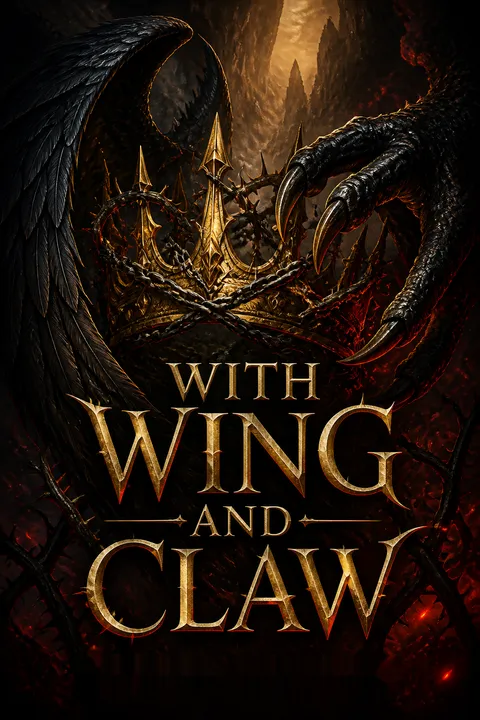
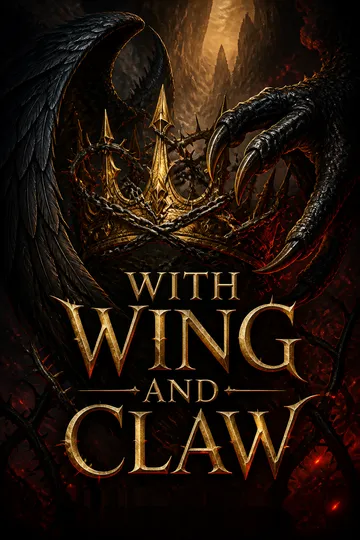
With Wing and Claw is a powerful meditation on trauma, trust, and the possibility of change in a world built on violence and betrayal. Lisette Marshall crafts a narrative that is both intimate and epic, using the lens of Thysandra's reluctant rule to explore the costs of survival and the meaning of loyalty. The story is unflinching in its portrayal of the dangers of power and the ways in which systems of oppression perpetuate themselves, but it is also deeply hopeful, suggesting that even the most broken people and places can be rebuilt through courage, honesty, and love. The romance between Thysandra and Naxi is a testament to the transformative power of vulnerability, showing that true strength lies not in invulnerability, but in the willingness to risk one's heart. The novel's use of bargains and binding magic is a brilliant metaphor for the ways in which trust is both necessary and dangerous, and the story's resolution—hard-won, imperfect, but real—offers a vision of a world where justice and mercy are possible, even in the aftermath of unimaginable loss.
Review Summary
People Also Read






Characters
Thysandra
Thysandra is the daughter of a traitor, a fae warrior who has spent her life seeking approval and belonging in a court that never truly accepted her. Her psyche is marked by trauma, guilt, and a desperate need for love, which makes her both fiercely loyal and deeply suspicious. Thrust into power against her will, she is forced to navigate a world of shifting alliances and constant danger. Her journey is one of self-discovery, as she learns to trust herself and others, confronts the legacy of her parents, and ultimately chooses to do what is right, even at great personal cost. Her relationship with Naxi is both a source of strength and vulnerability, challenging her to open her heart and redefine what it means to be strong.
Naxi
Naxi is a half-demon, half-nymph whose very nature makes her an outsider everywhere she goes. She is playful, cunning, and often ruthless, but beneath her sharp exterior lies a deep longing for connection and acceptance. Incapable of traditional empathy, Naxi navigates the world through bargains and self-interest, yet her actions reveal a capacity for loyalty and love that defies her own expectations. Her relationship with Thysandra is transformative, forcing her to confront her own fears and desires. Naxi's journey is one of self-acceptance, as she learns that her unique way of caring is no less real or valuable than anyone else's, and that she, too, deserves a place to call home.
Nicanor
Nicanor is a fae commander whose intelligence and ambition make him both a valuable ally and a deadly enemy. He is pragmatic, calculating, and always looking for an advantage. His relationship with Thysandra is complex, marked by genuine affection but ultimately undermined by his own self-interest. Nicanor's betrayal is a turning point in the story, forcing Thysandra to confront the reality that even those closest to her may not be trustworthy. He represents the seductive danger of the court, where loyalty is always conditional and power is the only true currency.
Silas
Silas is Thysandra's uncle, a fae marked by hundreds of bargains and a lifetime of survival in exile. He is world-weary, pragmatic, and deeply scarred by the betrayals of the past. Silas's relationship with Thysandra is one of cautious affection, shaped by shared trauma and a mutual understanding of the court's dangers. He serves as both a mentor and a warning, embodying the costs of survival in a world where trust is a liability. His return to the court is an act of reluctant hope, a willingness to risk himself for the sake of family and the possibility of change.
Inga
Inga is a half-human, half-fae archivist who becomes a key figure in the struggle for human rights within the court. She is fierce, uncompromising, and unafraid to speak truth to power. Inga's presence forces Thysandra to confront the realities of fae oppression and the need for genuine reform. Her relationship with Thysandra is often contentious, but ultimately rooted in a shared desire for justice and a better future. Inga represents the possibility of reconciliation and the importance of giving voice to the marginalized.
Emelin
Emelin is the daughter of Agenor and a key leader of the Alliance. She is pragmatic, visionary, and unafraid to wield power for the sake of a better world. Emelin's actions set the story in motion, dismantling the old empire and forcing Thysandra into a position of leadership. Her relationship with Thysandra is complex, marked by both rivalry and respect. Emelin embodies the hope of transformation, the belief that even the most broken systems can be rebuilt.
Bereas
Bereas is a fae warrior whose pride and rage make him both a leader and a destroyer. He is charismatic, reckless, and ultimately doomed by his inability to adapt to the new world. Bereas's actions drive much of the conflict in the story, forcing Thysandra to confront the limits of mercy and the necessity of justice. His death is both a victory and a tragedy, a reminder of the costs of clinging to the past.
Agenor
Agenor is Emelin's father and a former leader of the Crimson Court. He is calm, strategic, and deeply principled, serving as a mentor to Thysandra and a stabilizing force in the chaos of the court. Agenor's journey is one of letting go—of power, of the past, and of his own illusions. His relationship with Thysandra is paternal, offering her the guidance and support she has long been denied.
Orthea
Orthea is a fae courtier whose loyalty is always to herself. She is charming, manipulative, and adept at navigating the shifting tides of power. Orthea's actions are driven by self-preservation, and she serves as a mirror to Thysandra's own struggles with loyalty and ambition. Her survival is a testament to the adaptability required to endure in the court's deadly environment.
The Labyrinth
The Labyrinth is more than a setting—it is a character in its own right, embodying the ancient magic and hidden dangers of the fae world. Its awakening marks the end of the old order and the beginning of something new. The Labyrinth's bond with Naxi is both a source of strength and a reminder that the world is always changing, and that survival requires adaptation and courage.
Plot Devices
Bargains and Binding Magic
The world of the Fae Isles is built on bargains—magical contracts that bind individuals to their word, with dire consequences for breaking them. Bargains serve as both a means of survival and a source of vulnerability, shaping relationships and power dynamics throughout the story. The binding magic is a metaphor for trust, obligation, and the ways in which people are both empowered and constrained by their promises. The breaking and making of bargains drive the plot, revealing character motivations and exposing the limits of loyalty.
Shifting Alliances and Betrayal
The story is structured around the constant shifting of alliances, with characters forced to navigate a world where yesterday's friend may be tomorrow's enemy. Betrayal is both a personal and political reality, and the threat of treason hangs over every decision. This instability creates a sense of perpetual danger and keeps the reader—and Thysandra—off balance, never sure who can be trusted. The narrative uses foreshadowing and misdirection to heighten suspense, with betrayals often coming from unexpected quarters.
Trauma and Memory
Thysandra's journey is shaped by the trauma of her father's execution and the lies that have shaped her life. The story uses memory as both a plot device and a psychological theme, with key truths hidden behind magical bindings and emotional scars. The unbinding of Thysandra's memories is a turning point, allowing her to confront the reality of her past and begin to heal. The interplay between trauma and memory underscores the difficulty of moving forward and the necessity of facing the truth.
The Labyrinth and Sentient Magic
The Labyrinth beneath the court is both a literal and metaphorical force, representing the ancient magic that underpins the world and the unpredictable consequences of awakening old powers. Its sentience adds an element of the uncanny, and its bond with Naxi is both a source of strength and a reminder of the dangers of unchecked power. The Labyrinth's wrath is a catalyst for the story's climax, reshaping the world and forcing the characters to adapt or perish.
Romance as Redemption
The relationship between Thysandra and Naxi is at the heart of the story, serving as both a source of vulnerability and a path to redemption. Their romance is fraught with danger, mistrust, and the scars of past betrayals, but it is also a space where both characters can begin to heal and imagine a different future. The story uses romance not as an escape from the world's dangers, but as a means of confronting and overcoming them. Love is not a guarantee of safety, but a reason to fight for something better.
Fae Isles Series


About the Author
Other books by Lisette Marshall

Download PDF
Download EPUB
.epub digital book format is ideal for reading ebooks on phones, tablets, and e-readers.








































