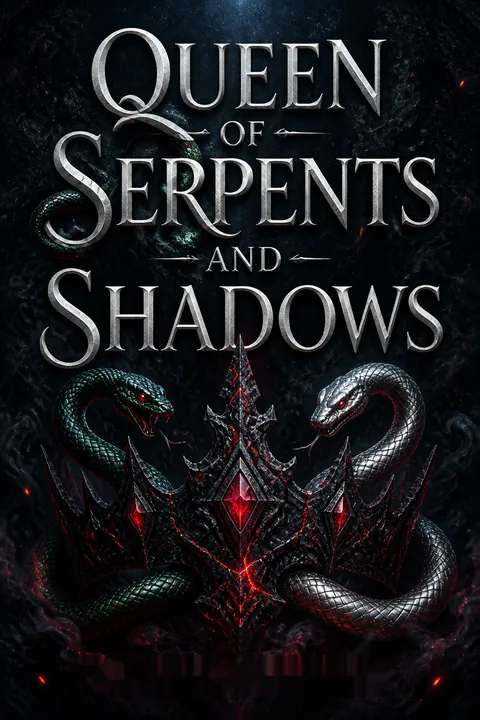

Plot Summary
Shadows Over Drakous
Ara, the half-human, half-goddess princess, sails toward Drakous, burdened by the threat of Nyx and the impossible choices ahead. Her magic, once lost, flickers back to life, hinting at both hope and danger. The sea itself seems to respond to her, and a fleeting connection with a sea serpent foreshadows the monstrous alliances she'll need. The weight of expectation, the tension with Ryvin—her fae lover—and the looming war all press in. Ara's internal struggle is as fierce as the external one: she must decide whether to hide her power or wield it, knowing either choice could doom her or those she loves. The chapter sets the tone of uncertainty, sacrifice, and the cost of power, as Ara steels herself for the battles to come.
Dragons and Decoys
Bahar, the Dragon King, leads his kin against a fae armada, only to discover the enemy's true strength: magically conjured dragons, deadlier and more numerous than ever before. The real battle is not just for the city, but for survival itself. As Bahar's brother falls and the dragons are forced into retreat, the cost of misplaced trust and underestimating the Fae King becomes clear. The city is lost, the healers are pressed into battle, and the survivors must regroup in exile. The chapter is a crucible of loss and leadership, as Bahar vows vengeance and begins plotting a desperate counterattack, knowing that the fate of his people—and perhaps all mortals—hangs in the balance.
Magic's Price and Promise
Training below deck, Ara struggles to match Ryvin's fae prowess, frustrated by her human limitations. Only by embracing the shadows—Ryvin's magic—does she begin to find her strength. Their relationship deepens, but so does the danger: using magic risks drawing the gods' wrath, and the boundaries between love, power, and sacrifice blur. Laera brings dire news: Drakous has fallen, the Fae King's monstrous dragons have overwhelmed the defenders, and the city's fate is sealed. The group must decide whether to risk everything in a last stand or find another way to fight back. The emotional stakes rise as Ara realizes her unique power may be the only hope left.
Tunnels of Betrayal
The alliance of dragons, fae, and shifters attempts a covert assault through ancient tunnels beneath Drakous. The labyrinth is fraught with traps, betrayals, and the ghosts of past sacrifices. Ara's intuition and Laera's magic become their guides, but not all survive the journey—Doren, the scribe, is lost to a deadly collapse. The group's unity is tested as they face both physical and psychological dangers, and the sense of being manipulated by forces beyond their control grows. The tunnels symbolize the darkness within and the uncertainty of the path ahead, as each character must confront their own fears and loyalties.
The City Falls
Emerging from the tunnels, the group witnesses the full extent of the Fae King's domination. The city is occupied, the princess held hostage, and the magical dragons patrol the skies. The Fae King's new magic—granted by a mysterious sorceress—renders the dragons powerless, and even Ryvin's shadows are blunted. The group's attempt at subterfuge fails, leading to a brutal confrontation in the throne room. The execution of the dragon princess shatters Bahar and Kabir, and the group is forced into a desperate retreat. The cost of resistance is made painfully clear, and the hope of victory seems more distant than ever.
Allies in Exile
Fleeing Drakous, Ara and her companions return to Athos, where the city is gripped by fear and defeat. Unexpectedly, Queen Aspasia of Konos arrives, offering an alliance against the Fae King. The vampires of Thebes, long isolated, are also drawn into the conflict, their motives a mix of survival and old loyalties. The gods themselves intervene, with Iris delivering a summons from Nyx: Ara must face the goddess and prove her worth, or doom her people. The chapter explores the shifting landscape of trust, the necessity of unlikely alliances, and the looming threat of divine judgment.
The Maze of Survival
Sent to Naxos, Ara faces a series of impossible challenges set by the goddess Nyx. She must tame Obsidian, a wild pegasus, without magic; survive illusions that force her to choose between her sisters and her city; and ultimately, drink a poisoned cup that will kill her unless she chooses to save herself or Ryvin. Each trial is a test of character, love, and sacrifice, designed to break her spirit or prove her worth. The goddess's disdain for humanity is matched only by Ara's determination to defy fate, even as the cost grows unbearable.
The Fae King's Trap
On a remote, enchanted island, Ryvin and Vanth seek the sorceress who empowered the Fae King. The journey is a hallucinatory gauntlet of illusions, monsters, and a cyclops's lair. Stripped of their magic, they must rely on wit and steel. The sorceress, revealed as one of the Fates, bargains for her own freedom in exchange for revoking the Fae King's power. The encounter is a meditation on destiny, agency, and the price of meddling with fate. Ryvin's love for Ara becomes his anchor, even as the boundaries between life and death blur.
Sacrifice and Survival
Poisoned by Nyx, Ara is given a choice: save herself or save Ryvin. Without hesitation, she chooses Ryvin, sacrificing her own life. The Fates intervene, and Ryvin carries Ara to a healing spring, where his desperate love and her indomitable will bring her back from the brink. The ordeal cements their bond and redefines the meaning of sacrifice—not as martyrdom, but as the willingness to risk everything for another. The chapter is a crucible of pain, love, and rebirth, setting the stage for the final confrontation.
The Queen's Bargain
As the Fae King's armies close in, Athos braces for siege. Cora, once reluctant, embraces her role and marries Bahar, forging a public alliance between humans and dragons. The city's ancient magical shields are reawakened, and the people are rallied for a last stand. The wedding is both a celebration and a moment of calm before the storm, symbolizing the unity and resilience of the new order. The chapter is a tapestry of hope, fear, and the fragile beauty of peace in the shadow of annihilation.
The Goddess's Challenge
Nyx, now convinced of Ara's worth, returns her mother's gifts and offers her blessing. The goddess's presence at the wedding is both a threat and a promise: the old order is ending, and the new must prove itself. The gods' capriciousness is contrasted with the mortals' determination, and the lines between divine and human blur. The chapter is a meditation on power, legacy, and the possibility of redemption, as Ara and her allies prepare for the final reckoning.
The Poisoned Choice
As the armies gather, Ara makes a fateful decision: to use her mother's mysterious gift and confront the Fae King alone. The night is a tapestry of farewells, confessions, and stolen moments of intimacy. Each character faces their own mortality, and the weight of destiny presses in. The chapter is a study in courage—not the absence of fear, but the resolve to act despite it. Ara's choice is both a culmination of her journey and a leap into the unknown.
The Cyclops' Lair
Ryvin and Vanth, trapped in the cyclops's lair, are stripped of their magic and forced to rely on each other. The battle with the monster is brutal and primal, a test of endurance and will. Ara's arrival, poisoned and dying, is both a rescue and a sacrifice. Together, they defeat the cyclops and find the hidden oasis where the Fates await. The chapter is a meditation on mortality, fate, and the power of love to defy even the gods.
The Fate's Bargain
The Fates—Nona, Decima, and Morta—reveal the true cost of meddling with fate. Nona, who empowered the Fae King, is persuaded to revoke her gift, but only after Ara's sacrifice and the promise of a future favor. The encounter is a negotiation between agency and inevitability, as Ara's choices reshape the stars themselves. The spring's healing waters restore Ara, but the price of victory is a new, uncertain path. The chapter is a philosophical reckoning with the nature of destiny and the possibility of rewriting one's story.
The Wedding and the War
Cora's wedding to Bahar is a moment of joy and unity, witnessed by all of Athos and their new allies. Nyx's appearance, both blessing and threat, underscores the fragility of peace. As the fae armies encircle the city, the magical shields are tested, and the final battle looms. The chapter is a study in contrasts: love and war, hope and fear, the personal and the political. The bonds forged in adversity become the city's greatest strength.
The Shield of Athos
The fae unleash their full might against Athos: dragons, magic, and relentless assault. The city's ancient shields hold—for now—but the defenders are stretched to their limits. Sacrifices are made, alliances are tested, and the cost of resistance mounts. The chapter is a crucible of endurance, as each character faces the reality of war and the possibility of defeat. The shield becomes both a literal and metaphorical barrier, protecting the city but isolating its defenders.
The Final Night
On the eve of destruction, Ara slips away to confront the Fae King alone, armed only with her mother's medusa stone. The city sleeps, unaware of the gamble being made on their behalf. The night is a meditation on agency, legacy, and the burden of leadership. Ara's journey through the ruined city and the enemy camp is both a physical and spiritual trial, as she prepares to face the monster at the heart of the storm.
The Medusa Stone
In the heart of the enemy camp, Ara faces the Fae King. The battle is as much psychological as physical, as he tries to break her will and use her as a pawn. With the medusa stone, Ara turns the tables, petrifying the king and ending his reign of terror. The act is both vengeance and liberation, but the cost is a new kind of uncertainty. The chapter is a climax of power, agency, and the refusal to be defined by others' expectations.
The King's End
With the Fae King dead, the enemy army collapses. Dragons, vampires, and mortals unite to drive the fae from Athos. The city is saved, but the scars of war remain. Ara is reunited with her sisters and Ryvin, and the new order begins to take shape. The chapter is a meditation on grief, relief, and the slow process of healing. The victory is real, but so is the cost.
Dawn of a New Reign
As the sun rises over Athos, the city celebrates its survival and mourns its dead. Lagina is hailed as queen, Cora as the Dragon Queen, and Ara as the savior who defied gods and kings. Ryvin, now King of Konos, proposes to Ara, and the promise of a new future is born. The chapter is a coda of hope, unity, and the possibility of peace. The story ends not with triumph, but with the quiet resolve to build something better from the ashes of the old world.
Analysis
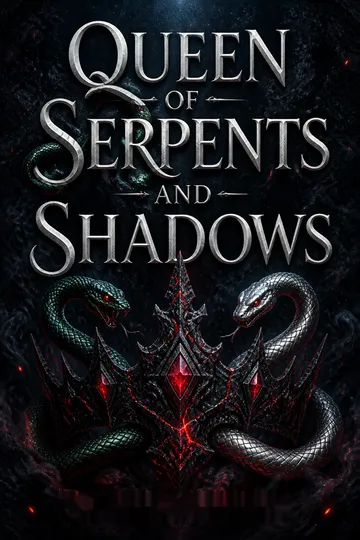
Queen of Serpents and Shadows is a sweeping fantasy that interrogates the nature of power, sacrifice, and agency in a world shaped by gods and monsters. At its heart, the novel is a meditation on the cost of survival: what are we willing to give up for those we love, and what does it mean to choose others over ourselves? The story's strength lies in its refusal to offer easy answers. Every victory is bought with loss, every act of heroism is shadowed by doubt, and every alliance is fraught with the possibility of betrayal. The novel's women—Ara, Cora, Lagina, Laera, Aspasia—are not just survivors, but architects of their own destinies, challenging the patriarchal and divine orders that seek to define them. The use of magic as both a tool and a burden reflects the complexities of power in the real world: it can liberate, but it can also corrupt. The ultimate lesson is one of hope, not in the promise of a perfect world, but in the possibility of building something better from the ashes of the old. In a time of uncertainty and upheaval, Queen of Serpents and Shadows offers a vision of resilience, unity, and the quiet, stubborn courage required to defy fate itself.
Review Summary
People Also Read


Characters
Ara
Ara is the half-human, half-goddess princess of Athos, defined by her empathy, resilience, and the burden of impossible choices. Her journey is one of self-discovery, as she grapples with the legacy of her parents, the expectations of her people, and the demands of the gods. Her relationship with Ryvin is both a source of strength and vulnerability, as love becomes a crucible for sacrifice. Ara's magic—tied to both water and shadows—symbolizes her dual nature and the tension between agency and destiny. Her arc is one of transformation: from pawn to player, from victim to savior, from exile to queen. Her greatest strength is not her power, but her refusal to abandon those she loves, even at the cost of her own life.
Ryvin
Ryvin, the Fae Prince of Konos, is a study in contrasts: ruthless in battle, tender in love, shaped by a father's cruelty and a mother's indifference. His magic—commanding shadows—mirrors his internal struggle with darkness and the fear of becoming a monster. His love for Ara is redemptive, challenging his fatalism and self-loathing. Ryvin's willingness to sacrifice himself for Ara, and later to accept her sacrifice for him, is the heart of his arc. He is both weapon and shield, learning to wield his power for others rather than as a tool of domination. His journey is one of atonement, as he seeks to break the cycle of violence and build a new legacy.
Laera
Laera, Ryvin's sister, is a fae princess whose magic allows her to read and influence minds. She is sharp-tongued, pragmatic, and fiercely loyal to her chosen allies. Her relationship with Ara is complex—part rivalry, part mentorship, part reluctant friendship. Laera's arc is one of trust: learning to risk vulnerability, to fight for something beyond her own survival, and to accept the possibility of hope. Her magic is both a gift and a curse, isolating her from others even as it makes her indispensable. She is the voice of realism, but also the architect of many of the group's successes.
Bahar
Bahar is the proud, stubborn, and fiercely protective king of Drakous. His identity is tied to his people and his city, and the loss of Drakous is both a personal and collective trauma. His alliance with Ara and the humans is born of necessity but deepens into genuine respect and affection. Bahar's relationship with Cora is a study in contrasts—passion and duty, tradition and change. His arc is one of humility, as he learns to trust others and to lead not just with strength, but with wisdom.
Cora
Cora, Ara's sister, is initially defined by her beauty and her role as a political pawn. Over the course of the story, she claims agency, choosing to marry Bahar not just for alliance, but for the possibility of love and purpose. Her arc is one of self-acceptance, as she moves from object to subject, from ornament to actor. Cora's journey is a microcosm of the larger themes: the struggle for autonomy, the cost of sacrifice, and the possibility of transformation.
Lagina
Lagina, the eldest sister, becomes queen of Athos after their father's death. She is thoughtful, cautious, and deeply aware of the weight of history. Her arc is one of leadership: learning to balance compassion with pragmatism, to trust her own judgment, and to forge alliances that transcend old enmities. Lagina's relationship with her sisters is both anchor and challenge, as she must navigate the shifting dynamics of power and loyalty.
Vanth
Vanth is a wolf shifter whose loyalty to Ara and Ryvin is unwavering. He is the group's moral compass, often serving as the voice of reason and restraint. His arc is one of belonging: finding a place among those who are more powerful, more magical, but no less vulnerable. Vanth's friendship with Ryvin is a counterpoint to the latter's darkness, and his support of Ara is a testament to the power of chosen family.
The Fae King
The Fae King is the story's primary antagonist, a near-immortal who wields stolen magic and rules through fear. His desire for power is insatiable, and his willingness to sacrifice even his own children marks him as a true monster. The King's arc is one of decline: as his power grows, so does his isolation, until he is undone not by force, but by the courage and ingenuity of those he underestimated. He is a cautionary figure, a symbol of the dangers of unchecked ambition.
Nyx
Nyx is both adversary and catalyst, setting Ara's trials and serving as the arbiter of her fate. Her disdain for humanity is matched only by her curiosity about Ara's defiance. Nyx's arc is one of grudging respect: as Ara survives each challenge, the goddess is forced to reconsider her own assumptions about power, worth, and love. Nyx is a force of nature, but also a mirror for the story's themes of agency and redemption.
Aspasia
Aspasia is a survivor, a political player who navigates the treacherous waters of fae and human politics with cunning and grace. Her alliance with Athos is both self-serving and sincere, and her willingness to betray the Fae King is a turning point in the war. Aspasia's arc is one of liberation: breaking free from the roles imposed on her by men and gods alike, and forging a new path for herself and her people.
Plot Devices
Dual Magic and Sacrifice
The story's central device is the interplay of magic and sacrifice. Ara's dual heritage—water and shadow, human and goddess—mirrors the dualities at play throughout the narrative: love and power, agency and destiny, self and other. Magic is never free; every use comes with a cost, whether personal, relational, or cosmic. The willingness to sacrifice—one's power, one's safety, one's life—is both the source of strength and the crucible of transformation. The narrative structure is cyclical, with each major arc echoing the themes of loss, rebirth, and the rewriting of fate.
Foreshadowing and Illusion
The use of illusions—both magical and psychological—is a recurring device. Nyx's trials, the Fae King's deceptions, and the labyrinthine tunnels all serve to blur the line between reality and perception. Foreshadowing is woven throughout: the return of Ara's magic, the significance of her mother's gift, the shifting alliances. Each challenge is both literal and metaphorical, forcing the characters to confront their deepest fears and desires.
The Medusa Stone and Ancient Magic
The medusa stone, the magical shields, and the healing spring are not just plot devices, but symbols of the possibility of change. They represent the legacy of the past, the power of women, and the potential for agency even in the face of overwhelming odds. The use of these artifacts is always tied to character: only those who are willing to risk everything can wield them.
Narrative Structure and Perspective
The story is told through multiple perspectives—Ara, Ryvin, Lagina, Bahar, Cora—each offering a different lens on the central conflict. The structure is both linear and recursive, with each character's arc echoing the larger themes. The use of letters, visions, and divine interventions adds layers of complexity, as the boundaries between mortal and divine, past and present, are continually renegotiated.
Blood and Salt Series
About the Author
Other books by Alexis Calder
Download PDF
Download EPUB
.epub digital book format is ideal for reading ebooks on phones, tablets, and e-readers.








































