
Plot Summary
Demon in the Birch
Perched in a birch tree, Naxi, a half-demon and half-nymph, uses her powers to manipulate the emotions of fae warriors below, driving them to despair and death. She is detached, counting her kills with a cold practicality, but her thoughts betray a flicker of concern for her friends fighting in the chaos. The world is at war: fae, phoenixes, vampires, alves, nymphs, and humans clash in a final, desperate battle. Naxi's demon heart feels no empathy, but she is unsettled by the possibility of losing the few friends she's made. Her isolation is both a weapon and a shield, and she waits, knowing more enemies will come to her.
Circle of Corpses
Amidst the carnage, a fae woman named Thysandra enters Naxi's circle of corpses. Unlike the others, Thysandra is calm, unafraid, and deliberate. Naxi is intrigued by her lack of fear and the complexity of her emotions—grief, frustration, and a deep, bitter anger. The two circle each other, each aware of the other's power and intent. Naxi's magic, which feeds on and manipulates emotion, meets an unexpected resistance. Thysandra's presence is a puzzle, and the usual rules of predator and prey begin to blur.
The Unafraid Fae
Naxi attempts to overwhelm Thysandra with her demon magic, but Thysandra counters by inflicting pain on herself, using a spiked ring to wound her own wing. The agony disrupts Naxi's power, creating a feedback loop of pain that neither can fully control. Thysandra's knowledge of demon weaknesses is unsettling—she speaks in demon tongue, revealing a history of studying Naxi's kind. The encounter becomes a battle of wills, with both women testing each other's limits and secrets.
Pain as Weapon
The fight escalates as Thysandra uses her own pain to anchor herself against Naxi's emotional manipulation. Naxi, for the first time, feels genuine fear—not of death, but of being truly understood and outmaneuvered. The two exchange barbed words, probing for vulnerabilities. Thysandra's motivation is revealed: she seeks to prove herself to the Mother, the fae matriarch, and to claim Naxi's head as a trophy. Yet, beneath her resolve, there is a longing for recognition and a resentment of her own anonymity.
Names in Demon Tongue
The confrontation takes on a ritualistic quality as Naxi and Thysandra exchange greetings and challenges in demon tongue. This shared language hints at deeper connections and histories, blurring the lines between enemy and kin. Thysandra's frustration at her own obscurity is mirrored by Naxi's sense of being an outsider among both demons and nymphs. Their banter is laced with mutual fascination and the beginnings of reluctant respect.
Bargain of Twelve Hours
Realizing that neither can easily defeat the other, Naxi proposes a temporary truce—a twelve-hour bargain sealed by magic. The terms are simple: neither will use their powers to harm the other during this time. The bargain is marked on their skin, a visible reminder of their uneasy alliance. Both are wary, but the truce creates a space for vulnerability and curiosity to grow. The battlefield fades into the background as their focus narrows to each other.
Truce and Temptation
With violence off the table, tension shifts to words and glances. Naxi is fascinated by Thysandra's lack of fear and her fierce pride. Thysandra, in turn, is unsettled by her own attraction to Naxi, which she tries to rationalize as demon magic. Their conversation becomes a dance of challenge and seduction, each probing the other's defenses. The truce allows for honesty, but also exposes raw nerves—duty, loyalty, and the ache of being unseen.
Lust and Loathing
The emotional and physical tension erupts into passion. Thysandra and Naxi, both starved for recognition and connection, give in to their desires. Their lovemaking is fierce, competitive, and cathartic—a battle as much as a surrender. For a brief time, the war and their allegiances are forgotten. In each other, they find a mirror for their own loneliness and longing, even as they remain wary of betrayal.
Surrender in the Grass
In the aftermath, the two women share confessions. Naxi admits to her inability to feel love, but also to her need for belonging. Thysandra reveals her own wounds: a lifetime of striving for the Mother's approval, only to be cast aside. Their vulnerability deepens their bond, but also sharpens the pain of their inevitable parting. The truce is a fragile bubble, and both know it cannot last.
Confessions at Midnight
As night falls, Thysandra holds a knife to Naxi's throat, the truce expired. She hesitates, torn between duty and the connection they've forged. Naxi, unafraid, challenges Thysandra to choose: loyalty to a Mother who never truly valued her, or a new path defined by her own desires. The conversation turns to the massacre at Mirova, where Naxi's nymph family was slaughtered by the Mother's orders. The revelation forces Thysandra to confront the darkness of her own side.
Knife at Dawn
Thysandra's hand shakes as she contemplates killing Naxi. The weight of her training, her need for recognition, and her growing feelings for Naxi collide. Naxi refuses to beg or betray her allies, even at the cost of her life. The moment crystallizes the central conflict: can Thysandra break free from the Mother's shadow and choose her own fate? The knife becomes a symbol of both power and impotence.
The Price of Loyalty
Thysandra's loyalty to the Mother is revealed as hollow—rooted in a desperate need for love that was never truly given. Naxi's steadfastness in the face of death exposes the emptiness of Thysandra's sacrifices. The two women see each other clearly for the first time, stripped of pretense. Thysandra cannot bring herself to kill Naxi, and in that act of mercy, she betrays the very cause she once lived for.
Mirova's Ghosts
Naxi recounts the destruction of her home and the loss of her family, not out of love, but out of a sense of justice and belonging. Her alliance with the rebels is born of necessity and vengeance, not ideology. Thysandra, confronted with the consequences of her side's actions, feels the weight of complicity. Both are haunted by the ghosts of their pasts, and the war becomes personal—a reckoning with history and self.
The Mother's Shadow
The Mother's influence looms over both women, shaping their choices and identities. Thysandra's entire life has been an attempt to win the Mother's approval, while Naxi's has been defined by the Mother's violence. The Mother is both absent and omnipresent, a force that binds and divides. The chapter explores the psychological scars left by authority figures who demand loyalty but offer little in return.
Choosing Sides
With the dawn comes the realization that neither woman can return to who they were before. Thysandra must choose between returning to the court, where she will be overlooked and unloved, or forging a new path. Naxi invites her to join the rebels, but does not beg. The choice is left open, heavy with possibility and loss. Both understand that their connection, however brief, has changed them irrevocably.
Promises and Partings
The two women part with a promise: if peace ever comes, they will find each other again. Their goodbye is passionate, defiant, and unresolved—a recognition that their story is not over, even as circumstances force them apart. The war continues, but the seeds of something new have been planted. Each carries the memory of the other as both wound and balm.
Aftermath and Awakening
In the aftermath of the battle, Thysandra is imprisoned by the victorious rebels. She is numb, stripped of purpose and identity. Old allies become jailers, and the world she fought for is gone. Yet, even in defeat, she clings to the memory of her encounter with Naxi—a reminder that she is more than the sum of her loyalties. The possibility of redemption lingers.
A New Order
The rebels dismantle the old regime, freeing slaves and dividing the empire. Thysandra is offered a new role: to govern the Crimson Court, the very heart of the world she once served. The offer is both a punishment and an opportunity—a chance to redefine herself outside the Mother's shadow. The story ends with the promise of new beginnings, and the hope that, in a world remade, love and loyalty might finally align.
Analysis
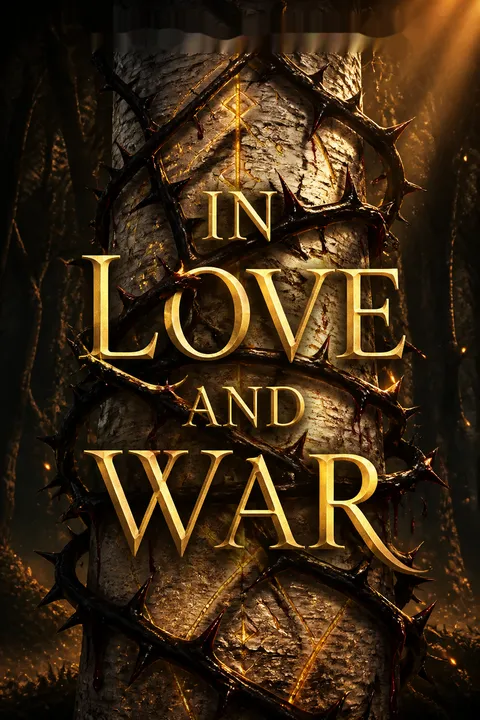
Lisette Marshall's "In Love and War" is a masterful exploration of intimacy, identity, and the cost of loyalty in a world defined by violence and hierarchy. Through the lens of a single, charged encounter between two enemies, the novella interrogates the nature of power—both magical and emotional—and the ways in which love and hate can become indistinguishable. The story's dual perspective allows for a nuanced portrayal of trauma and desire, as both Naxi and Thysandra grapple with the legacies of their pasts and the demands of their present. The use of a magical truce as a plot device creates a space for vulnerability, challenging the characters to confront not only each other but also themselves. Ultimately, the novella suggests that true freedom lies not in victory or submission, but in the courage to choose one's own path—even when that path leads away from everything familiar. In a modern context, the story resonates as a meditation on the search for belonging, the dangers of conditional love, and the transformative power of being truly seen.
Review Summary
People Also Read


Characters
Naxi (Anaxia)
Naxi is a study in contradictions: a being who cannot feel empathy, yet yearns for connection; a killer who counts her victims with detachment, yet worries for her friends. Her demon heritage gives her the power to manipulate emotions, but also isolates her from others. Naxi's nymph side ties her to the earth and to a lost home, Mirova, destroyed by the Mother's cruelty. She is both predator and outcast, using humor and bravado to mask her loneliness. Her relationship with Thysandra awakens a vulnerability she cannot name, challenging her to imagine a life beyond vengeance and survival.
Thysandra
Thysandra is driven by a desperate need for recognition and love, particularly from the Mother, the fae matriarch who raised her after her father's execution. Trained as a warrior and scholar of demon lore, Thysandra is both formidable and deeply wounded. Her lack of fear in the face of Naxi's magic marks her as unique, but also as someone who has learned to suppress her own needs. The encounter with Naxi forces her to confront the emptiness of her loyalty and the possibility of choosing her own path. Her journey is one of self-discovery, as she learns to value herself beyond the roles others have assigned her.
The Mother (High Lady of the Fae)
The Mother is the architect of the fae empire's violence and the emotional center of Thysandra's world. She offers conditional love, using praise and neglect to control her followers. Her actions—most notably the massacre at Mirova—reveal a ruthless pragmatism. The Mother's shadow looms over every character, shaping their desires and fears. She is both a symbol of power and the embodiment of the wounds inflicted by authority.
The Alliance
The Alliance is a coalition of magical peoples—phoenixes, vampires, alves, nymphs, and humans—united against fae oppression. It is both a cause and a collection of individuals, each with their own motives and histories. For Naxi, the Alliance is a means of survival and revenge; for others, it is a hope for freedom. The Alliance's rules—especially those restricting Naxi's use of her powers—reflect the challenges of building trust among former enemies.
Agenor
Agenor is a figure of authority and transition, moving from the fae court to the leadership of the Alliance. He is connected to Thysandra through shared history and to the new order through his daughter, Emelin. Agenor represents the possibility of change and the complexities of loyalty in a shifting world.
Emelin
Emelin, half-fae and half-human, inherits the empire after the Mother's fall. She is pragmatic, witty, and unafraid to break with tradition. Emelin's reforms—freeing slaves, dividing the empire—signal a new era. Her presence challenges the old guard and offers a model of leadership based on inclusion rather than fear.
Creon
Creon is the Mother's favored child, the one who supplants Thysandra in her affections. He is both a symbol of Thysandra's loss and a player in the new regime. Creon's presence is a constant reminder of the costs of ambition and the fickleness of power.
The Rebels (Phoenixes, Vampires, Alves, Nymphs, Humans)
The various members of the Alliance bring their own histories of suffering and resistance. Their presence on the battlefield and in the new order underscores the complexity of justice and the difficulty of forging unity from diversity. They are both background and catalyst, shaping the choices of the main characters.
Lyn
Lyn is one of Naxi's few friends, notable for her empathy and linguistic skill. She represents the possibility of understanding across divides, and her absence on the battlefield is a source of anxiety for Naxi. Lyn's perspective offers a counterpoint to the violence and cynicism of the world.
Tared Thorgedson
Tared is a leader among the alves and a survivor of the Mother's earlier conquests. His presence in the aftermath of the war is a reminder of the long memory of injustice and the challenges of reconciliation. Tared's interactions with Thysandra highlight the shifting dynamics of power and revenge.
Plot Devices
Dual Perspective and Emotional Mirroring
The story is told through the alternating perspectives of Naxi and Thysandra, allowing readers to experience the same events through different emotional lenses. This duality is reinforced by the use of magic—Naxi's ability to manipulate emotions and Thysandra's self-inflicted pain as resistance. The mirroring of their psychological wounds creates a sense of intimacy and inevitability, drawing the reader into their evolving relationship.
The Bargain
The twelve-hour bargain is a classic plot device, forcing enemies into proximity and vulnerability. It suspends the rules of war and creates a liminal space where honesty and desire can flourish. The bargain is both a literal and symbolic contract, marking the characters' bodies and fates.
Foreshadowing and Reversal
The narrative is rich with foreshadowing—references to the Mother's fickleness, the possibility of peace, and the unfinished business between Naxi and Thysandra. Reversals abound: enemies become lovers, loyalty becomes betrayal, and victory becomes loss. The story's structure ensures that every moment of connection is shadowed by the threat of violence and separation.
Symbolism of Names and Language
The exchange of names in demon tongue, the use of nicknames, and the act of naming as a form of recognition are recurring motifs. Language becomes a weapon, a shield, and a bridge. The struggle to be seen and named is central to both characters' arcs.
The Knife and the Truce
The knife at Naxi's throat, the bargain mark on their wrists, and the torn red dress are all symbols of vulnerability, power, and transformation. These objects ground the emotional stakes in physical reality, making the abstract conflicts tangible.
Fae Isles Series

About the Author
Other books by Lisette Marshall

Download PDF
Download EPUB
.epub digital book format is ideal for reading ebooks on phones, tablets, and e-readers.








































