
Plot Summary
Shattered Bindings, Shattered Hearts
Emelin faces a devastating decision as Creon's magical binding shatters, forcing her to choose between his voice and his power. The aftermath is raw and intimate: Creon, newly able to speak, and Emelin, wracked with guilt, find solace in each other's arms on a moonlit beach. Their reunion is passionate but shadowed by the knowledge that their choices have far-reaching consequences for the war against the Mother. The world around them is in turmoil, but for a fleeting moment, they are simply two souls clinging to each other, desperate for forgiveness and connection. The emotional stakes are high, and the cost of love is made painfully clear.
Night Flight and New Resolve
The fragile peace is shattered as Emelin and Creon are summoned back to the Alliance, where questions and accusations swirl. The council is divided, trust is thin, and Emelin must defend her choices—not just to her friends, but to herself. Tared's anger and Lyn's concern force Emelin to confront the fractures in her found family. Yet, through confrontation and swordplay, old wounds begin to heal. Emelin's declaration of love for Creon is met with acceptance, and Tared's forgiveness brings a sense of belonging. The chapter closes with Emelin determined to fight for both her love and her people, no longer willing to hide or compromise her heart.
Council of Doubts and Defiance
Emelin faces the Alliance's council, where the fate of the magical world hangs in the balance. The discovery of the bindings and the phoenixes' demands for a bargain threaten to tear the fragile coalition apart. Emelin refuses to sacrifice her autonomy or her love for Creon, even as old friends question her loyalty. Tared, once her fiercest critic, unexpectedly defends her, warning against setting dangerous precedents. The council's debates are fierce, but Emelin's resolve is fiercer. She claims her place as a leader, not a pawn, and the chapter ends with a sense of hard-won unity—though the cost of that unity is still uncertain.
Swords, Secrets, and Family
Emelin and Tared's relationship comes to a head in the training hall, where anger and misunderstanding give way to honesty and forgiveness. The swordplay is both literal and metaphorical, cutting through layers of fear and pride. Tared reveals his true motivations—protectiveness, not hatred—and Emelin realizes she has a family that will not abandon her, no matter her choices. The chapter is a catharsis of tears and laughter, culminating in a renewed sense of belonging. Emelin's reconciliation with Tared and her acceptance by the Skeire family mark a turning point: she is no longer alone, and her found family will stand with her in the battles to come.
Homecoming and Hard Choices
Returning to the Skeire home, Emelin and Creon find a moment of peace, but the world's demands are never far behind. Agenor's arrival brings both paternal concern and a reminder of the stakes: the war is escalating, and every choice has consequences. Emelin must balance her personal happiness with her responsibilities as a leader. The chapter explores the tension between private desire and public duty, as Emelin navigates the expectations of her father, her allies, and herself. The cost of love is weighed against the cost of war, and Emelin emerges more determined than ever to fight for both.
The Gathering Storm
The Alliance is forced to evacuate as the Mother's forces attack the Golden Court. Emelin's reunion with her father is fraught with worry and unresolved questions. The battle is brutal, and Creon is gravely wounded, forcing Emelin to confront the reality of loss. The aftermath is a blur of healing and strategy, as the Alliance regroups and prepares for the next assault. The chapter is a whirlwind of action and emotion, capturing the chaos of war and the fragility of hope. Emelin's resolve is tested, but she refuses to give in to despair, clinging to the belief that victory is still possible.
The White City's Welcome
Emelin travels to the White City, seeking support from the last bastion of human freedom. The city is a marvel of peace and prosperity, but beneath the surface, old prejudices and new fears simmer. Emelin's meeting with Consul Rosalind is a dance of politics and vulnerability, as both women test the boundaries of trust. The revelation of Emelin's parentage and Rosalind's own history of loss and resistance forge a bond between them. The chapter is a meditation on identity and the longing for home, as Emelin discovers that belonging is not a place, but the people who choose to stand with her.
Shadows and Schemes
Emelin's time in the White City is shadowed by intrigue and danger. Halbert's machinations threaten to undermine her efforts, and Emelin must navigate a web of suspicion and betrayal. The city's peace is fragile, and the threat of violence is never far away. Emelin's own powers become both a weapon and a liability, as she is forced to use magic to defend herself and prove her innocence. The chapter explores the double-edged nature of power, and the loneliness that comes with being both feared and needed. Emelin's resolve is hardened, but the cost of leadership grows ever steeper.
Bargains and Betrayals
The White City's assembly becomes a battleground of words and loyalties, as Emelin's relationship with Creon is dragged into the public eye. Halbert's accusations and Rosalind's shocking revelation—claiming Emelin as her daughter—turn the tide of public opinion. The city is thrown into chaos, but from the ashes, a new alliance is forged. Emelin's reunion with her mother is bittersweet, marked by tears and laughter, and the promise of a future built on truth rather than secrets. The chapter is a turning point, as Emelin claims her heritage and her place in the world, no longer defined by the expectations of others.
The Siege of Hope
The Mother's forces lay siege to the White City, and Emelin is forced to confront the limits of her power. The blood mark, a deadly magical barrier, traps the Alliance's army, and the cost of breaking it is paid in blood. The battle is brutal and chaotic, with hounds and fae tearing through the ranks. Emelin and Creon fight their way to the city, using every ounce of magic and cunning to survive. The chapter is a testament to the resilience of hope in the face of overwhelming odds, and the willingness to sacrifice everything for the chance of victory.
Bloodlines and Bargain Marks
Emelin and Creon navigate a deadly tunnel beneath the city, evading traps and enemies with the help of Alyra. The confrontation with Ophion reveals the power of old bargains and the cost of betrayal. Emelin's clever use of magic and words turns the Mother's own strategies against her, culminating in a final confrontation in the White Hall. The Mother's last game is a web of blood magic and hostages, but Emelin's stubbornness and ingenuity break the cycle of sacrifice. The chapter is a masterclass in the art of survival, where love and loyalty prove stronger than even the darkest magic.
The Mother's Last Game
The final confrontation with the Mother is a battle of wills as much as magic. Emelin is forced to choose between victory and the lives of those she loves, but refuses to play by the Mother's rules. Through a combination of bargains, trickery, and sheer determination, Emelin severs the Mother's hold on the world. The death of Achlys and Melinoë is both triumphant and tragic, marking the end of an era and the beginning of a new one. The cost of victory is high, but Emelin emerges not as a pawn, but as a queen in her own right.
Victory's Price
The aftermath of the battle is a blur of grief and relief. The city is liberated, but the scars of war run deep. Emelin is confronted by her adoptive parents, but finds that their power over her has faded. The true victory is not in the slaying of monsters, but in the forging of a new future—one where love, family, and freedom are possible. The chapter is a quiet reckoning, as Emelin and Creon find solace in each other and begin to dream of a life beyond war.
Aftermath and New Dawn
As the dust settles, Emelin and her allies begin the work of rebuilding. Old wounds are healed, new alliances are forged, and the future is claimed by those who fought for it. Emelin's parents find each other again, and the promise of a new family is fulfilled. The chapter is a celebration of survival and the resilience of hope, as the world is remade in the image of those who refused to give in to despair.
A Kingdom Reforged
With the Mother dead, the question of succession looms. Emelin is named High Lady by right of conquest, but refuses the crown, choosing instead to divide the empire and forge a new order. Agenor takes the Golden Court, Thysandra is given the Crimson Court, and Emelin and Creon claim the Cobalt Court as their home. The chapter is a meditation on power and responsibility, as Emelin chooses peace over ambition, and love over legacy.
Home at the Edge
Emelin and Creon return to the Cobalt Court, where the ruins of the past become the foundation of their future. The court is a place of wild beauty and endless possibility, a home for those who have always been outsiders. Together, they dream of libraries, observatories, and a life filled with love and laughter. The chapter is a quiet celebration of belonging, as Emelin finally finds the home she has always longed for.
The End and Beginning
As the sun rises over the Cobalt Court, Emelin and Creon embrace the future they have fought so hard to claim. The world is changed, but so are they—no longer pawns or weapons, but partners and equals. The story ends not with a battle, but with the quiet joy of two souls who have found each other at the edge of the world, ready to begin again.
Analysis
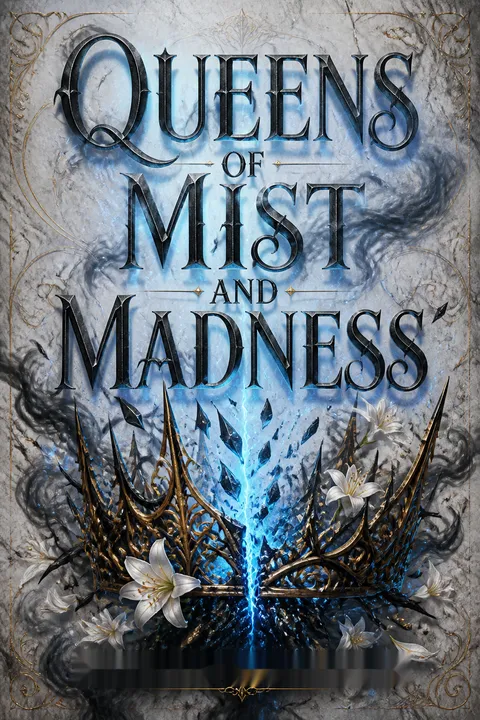
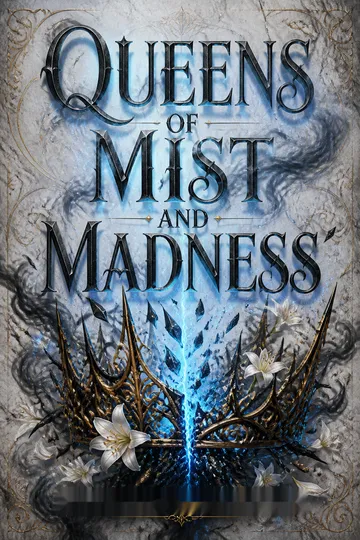
Queens of Mist and Madness is a sweeping, emotionally charged fantasy that interrogates the nature of power, love, and identity in a world shaped by bargains and betrayals. At its heart, the novel is about the search for belonging—how we forge family from the ashes of loss, and how we claim our own worth in the face of a world that would define us by our usefulness or our wounds. Emelin's journey from pawn to queen is both a personal and political revolution, as she refuses to be a weapon or a symbol, insisting instead on her right to choose her own path. The story's use of magical bargains as both plot device and metaphor allows for a nuanced exploration of agency, consent, and the limits of control. The relationships—romantic, familial, and platonic—are rendered with psychological depth, and the narrative does not shy away from the cost of healing or the pain of forgiveness. Ultimately, the novel argues that true power lies not in domination, but in the stubborn, persistent refusal to give up on hope, love, and the possibility of a better world. The ending, with its promise of home and the quiet joy of belonging, is both a hard-won victory and a new beginning—a testament to the resilience of the human (and fae) heart.
Review Summary
People Also Read


Characters
Emelin
Emelin is the emotional and moral center of the story—a young woman thrust into the heart of a magical war, forced to make impossible choices. Her journey is one of self-discovery, as she moves from pawn to leader, from outcast to queen. Emelin's greatest strength is her stubborn refusal to be defined by others' expectations; she claims her own identity, her own love, and her own future. Her relationships—with Creon, her found family, and her parents—are marked by vulnerability and courage. Psychologically, Emelin is driven by a deep longing for acceptance and a fear of abandonment, but she learns to trust herself and those who love her. Her arc is one of healing, as she transforms her pain into power and her doubts into resolve.
Creon
Creon is a study in contrasts: a deadly fae prince, feared as the Silent Death, yet deeply wounded by a lifetime of being used as a weapon. His love for Emelin is both his salvation and his greatest vulnerability. Creon's journey is one of learning to accept love and to believe in his own worth beyond his usefulness. His relationship with Emelin is passionate, fraught with guilt and longing, but ultimately redemptive. Psychologically, Creon is marked by trauma and a fear of abandonment, but Emelin's steadfastness allows him to begin healing. His arc is one of moving from self-loathing to self-acceptance, and from isolation to partnership.
Tared
Tared is the gruff, stoic head of the Skeire family, driven by a fierce protectiveness for those he loves. His relationship with Emelin is complex—marked by misunderstanding, anger, and ultimately forgiveness. Tared's arc is one of learning to let go of control and to trust others, especially Emelin and Creon. He is haunted by past failures and the weight of leadership, but finds redemption in the bonds of found family. Psychologically, Tared is driven by guilt and a need for order, but learns to embrace vulnerability and the messiness of love.
Lyn
Lyn is a symbol of resilience and hope—a phoenix who has suffered exile and loss, but refuses to give in to despair. Her friendship with Emelin is a source of strength for both, and her leadership is marked by empathy and determination. Lyn's arc is one of reclaiming her place in the world and learning to trust in the possibility of change. Psychologically, she is driven by a longing for acceptance and a fear of being forgotten, but finds purpose in the fight for freedom.
Agenor
Agenor is a figure of authority and regret—a former servant of the Mother, now fighting to undo the damage of his past. His relationship with Emelin is fraught with guilt and longing, but ultimately becomes a source of healing for both. Agenor's arc is one of atonement, as he seeks to make amends for his failures as a father and a leader. Psychologically, he is driven by a need for control and a fear of loss, but learns to embrace vulnerability and the possibility of forgiveness.
Rosalind
Rosalind is a master of politics and survival—a woman who has lost everything to the fae empire, but refuses to give up the fight. Her reunion with Emelin is a moment of profound healing, as both women find in each other the family they have longed for. Rosalind's arc is one of reclaiming agency and building a future from the ashes of the past. Psychologically, she is driven by grief and a fierce love for her daughter, but learns to trust in the possibility of happiness.
Naxi
Naxi is a wild card—unpredictable, ruthless, and driven by desires she barely understands. Her obsession with Thysandra is both a source of danger and a catalyst for change. Naxi's arc is one of learning to channel her power and to find meaning beyond chaos. Psychologically, she is marked by loneliness and a hunger for acceptance, but finds purpose in the fight for freedom.
Thysandra
Thysandra is a tragic figure—haunted by the need for approval and the pain of abandonment. Her relationship with Naxi and her role in the war are marked by betrayal and redemption. Thysandra's arc is one of breaking free from the chains of the past and forging a new identity. Psychologically, she is driven by a fear of rejection and a longing for belonging, but learns to claim her own worth.
Nenya
Nenya is a symbol of endurance and adaptability—a vampire who has survived centuries of war and loss. Her leadership is marked by pragmatism and a willingness to do what must be done. Nenya's arc is one of finding hope in the face of despair and building alliances across old divides. Psychologically, she is driven by a need for survival and a fear of vulnerability, but learns to trust in the possibility of change.
Alyra
Alyra is more than a magical bird—she is a symbol of Emelin's godsworn power and a fierce protector in her own right. Her presence is a source of comfort and strength, and her actions often tip the balance in Emelin's favor. Psychologically, Alyra is driven by loyalty and a desire to prove her worth, embodying the theme of found family and the power of small but determined allies.
Plot Devices
Duality and Bargains
The narrative is structured around the concept of bargains—magical, political, and emotional. Every major turning point is marked by a bargain or a choice, from the shattering of Creon's binding to the final confrontation with the Mother. Duality is a recurring motif: Achlys and Melinoë, love and power, freedom and responsibility. The story uses foreshadowing and parallelism to highlight the consequences of choices, and the cost of both action and inaction. The use of magical bargains as both plot device and metaphor allows for deep exploration of agency, consent, and the limits of control.
Found Family and Chosen Identity
Emelin's journey is as much about finding a home and a family as it is about defeating the Mother. The narrative structure weaves together moments of intimacy and confrontation, using the motif of found family to explore themes of acceptance, forgiveness, and self-worth. The story's emotional beats are anchored in the relationships between characters, and the resolution of old wounds is as important as the resolution of the war.
Power, Sacrifice, and Redemption
The story interrogates the nature of power—who wields it, who pays the price, and what it means to use it well. Sacrifice is a constant undercurrent, from the literal sacrifices of magic to the emotional sacrifices of love and loyalty. Redemption is possible, but it requires honesty, vulnerability, and the willingness to let go of old wounds. The narrative uses foreshadowing and callbacks to earlier choices to highlight the cyclical nature of trauma and healing.
Narrative Structure and Perspective
The story is structured as a series of escalating confrontations—personal, political, and magical. Each chapter builds on the last, with emotional and narrative stakes rising in tandem. The use of close third-person perspective allows for deep psychological insight, and the pacing is carefully calibrated to balance action with introspection. Foreshadowing and callbacks are used to create a sense of inevitability, while moments of humor and intimacy provide relief from the tension.
Fae Isles Series

About the Author
Other books by Lisette Marshall

Download PDF
Download EPUB
.epub digital book format is ideal for reading ebooks on phones, tablets, and e-readers.








































