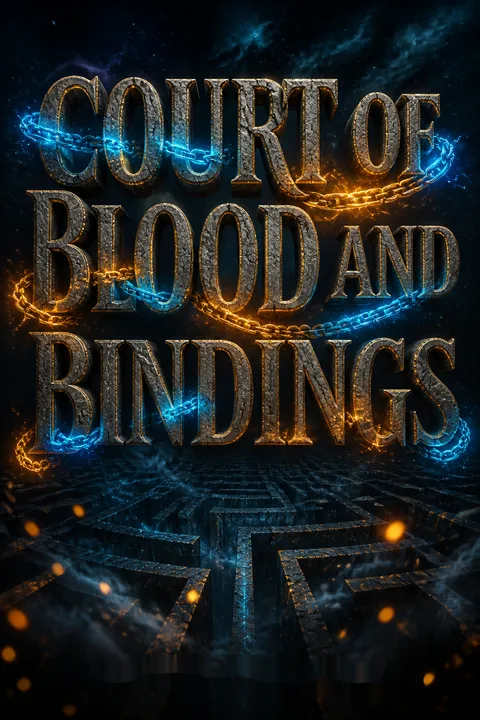

Plot Summary
Chains of Family and Fear
Emelin, a young woman with forbidden fae magic, lives on the island of Cathra, stifled by her parents' fear and the community's suspicion. Her magic is a source of shame, and her parents' arguments and the island's tense peace after breaking from fae rule only deepen her isolation. When a fae, the infamous Silent Death, appears in her garden, Emelin's world is upended. Her parents' fear of her powers and the threat of discovery by the fae court set the stage for a life-altering encounter, as Emelin is forced to choose between hiding and survival.
The Fae in the Garden
While using her magic in secret, Emelin is discovered by Creon, the Silent Death, a fae assassin feared by all. Their meeting is tense and silent, with Creon observing her with a predatory calm. Emelin's attempt to warn her father is met with disbelief and ridicule, deepening her sense of alienation. The fae's presence is a harbinger of doom, and Emelin's warning goes unheeded, leaving her alone with the knowledge that the island's safety is an illusion.
Fire and Flight
Emelin awakens to her village in flames, the work of the fae. Her parents have fled, leaving her behind. Creon appears, sparing her from the fire and revealing he has sent the villagers to safety, not death. He abducts her, flying her to the Crimson Court, the heart of fae power. The trauma of loss, the terror of abduction, and the uncertainty of her fate with the Silent Death mark the beginning of a new, perilous existence.
The Silent Death's Bargain
In the fae court, Emelin is paraded before the Mother, the cruel fae ruler, and forced to play the role of Creon's amusing human pet. Creon reveals her true heritage: she is half-fae, unbound by the Mother's magic, and uniquely powerful. They strike a bargain—Emelin will help Creon overthrow the Mother in exchange for protection and help finding her real parents. Their alliance is uneasy, built on necessity, secrets, and a growing, dangerous attraction.
Court of Bones and Lies
Emelin navigates the treacherous politics of the fae court, forced to act the part of Creon's infatuated captive. The Mother's throne room, built of human bones, is a constant reminder of the stakes. Creon's silence and the court's cruelty isolate Emelin, but she learns to wield her magic with increasing skill. The court's games are deadly, and every interaction is a test of loyalty and wit.
Lessons in Color and Power
Creon trains Emelin in the use of color magic—red for destruction, blue for healing, yellow for change. Their lessons are fraught with tension, mistakes, and moments of unexpected intimacy. Emelin's power grows, as does her understanding of Creon's own scars and the burdens he carries. Their communication evolves from written notes to a shared sign language, breaking down barriers and building a fragile trust.
The Mother's Game
Emelin and Creon must convince the Mother and her court of their roles: the pet and the master, the loyal son and the harmless human. Every gesture is scrutinized, every word a potential trap. Emelin's quick thinking and Creon's calculated silence keep them alive, but the cost is constant vigilance and the suppression of their true selves. The court's festivities and rituals are both a spectacle and a threat.
Allies in the Shadows
Emelin encounters Lyn, a phoenix child, and Tared, an alf, members of a hidden alliance resisting the Mother's rule. They offer her information, support, and a glimpse of hope beyond the court's walls. Emelin learns of the broader struggle against fae tyranny and the sacrifices made by other magical peoples. These alliances complicate her loyalties and provide new avenues for rebellion.
Secrets and Bargains
Emelin discovers the truth about her parentage and the extent of Creon's own suffering—his demon heritage, his binding, and his role as the Mother's weapon. Their bargain deepens, but so do the risks. The court's suspicions grow, and Emelin must balance her desire for freedom with her commitment to the alliance and to Creon. The lines between enemy and ally blur, and the cost of deception mounts.
Demon's Blood, Human Heart
The revelation of Creon's demon blood and the trauma of his upbringing force Emelin to confront the darkness within her ally—and herself. Their relationship becomes a crucible for forgiveness, understanding, and the possibility of love. Emelin must decide whether to trust Creon, knowing he could manipulate her feelings, or to walk away. The emotional stakes are as high as the political ones.
The Labyrinth's Whisper
Emelin befriends the Labyrinth beneath the court, a magical, sentient maze that responds to her presence and aids her escape. The Labyrinth becomes both a sanctuary and a weapon, offering her a way to strike at the Mother's power. Emelin's mastery of her magic and her bond with the Labyrinth are key to the rebellion's success, but navigating its mysteries tests her courage and resolve.
Betrayal and Blame
The court's suspicions come to a head when Emelin is caught in the Labyrinth. Creon takes the blame to protect her, sacrificing himself to the Mother's wrath. Emelin is forced to play the role of the betrayer, condemning Creon to torture and humiliation. The pain of betrayal, both real and feigned, threatens to destroy their fragile alliance and Emelin's sense of self.
The Price of Mercy
Creon endures the Mother's torture, refusing to defend himself or reveal Emelin's secrets. Emelin, wracked with guilt and desperation, must find a way to save him. The cost of mercy is high—physical pain, emotional torment, and the risk of losing everything. Emelin's determination to rescue Creon becomes a test of her own strength and the depth of her feelings.
The Rescue and the Reckoning
With the help of Finn, a human ally, and the Labyrinth, Emelin orchestrates a daring rescue, freeing Creon from the Mother's chains. Their escape is fraught with danger, as the court's forces close in and the Labyrinth itself becomes a battleground. Emelin's magic and cunning are pushed to their limits, and the consequences of their actions ripple through the court and the alliance.
The Heart's Undoing
In the aftermath of their escape, Emelin and Creon confront the truth of their feelings and the scars of their pasts. Their relationship, forged in adversity, becomes a source of healing and hope. The cost of survival is high, but together they find the strength to face the future. The alliance is renewed, and the fight against the Mother continues, with Emelin and Creon at its heart.
The Mother's Wrath
The Mother's fury shakes the court, as her power is challenged and her enemies escape. The consequences of Emelin's actions are felt across the island, and the balance of power shifts. The court's politics become more dangerous, and the threat of retribution looms over Emelin, Creon, and their allies. The struggle for freedom is far from over.
Escape Through the Labyrinth
Emelin, Creon, Lyn, and Tared make their escape through the Labyrinth, pursued by the Mother's forces. The sentient maze aids their flight, sealing passages and confounding their enemies. The journey is perilous, but the bonds of trust and love forged in adversity carry them through. The escape marks the end of one chapter and the beginning of another, as the alliance regroups and prepares for the battles to come.
The Cost of Survival
Safe for now, Emelin and Creon reckon with the cost of their survival—the lives lost, the trust broken, and the wounds that may never fully heal. Their love is a fragile hope in a world still ruled by cruelty and fear. The alliance is stronger, but the fight against the Mother is just beginning. Emelin's journey from captive to rebel, from outcast to leader, is far from over.
Analysis
A story of survival, agency, and the cost of rebellionCourt of Blood and Bindings is a dark, romantic fantasy that interrogates the nature of power, trauma, and trust. At its heart is the question: how do we reclaim agency in a world designed to break us? Emelin's journey from outcast to rebel, from pawn to player, is a testament to resilience and the transformative power of connection. The novel explores the psychological scars left by abuse and oppression, the seductive danger of power, and the redemptive potential of love—not as a cure-all, but as a hard-won, fragile hope. The magic system, with its emphasis on color and emotion, reinforces the theme that strength lies in embracing complexity and vulnerability. The alliance of outcasts and the sentient Labyrinth symbolize the hidden strengths that can overturn even the most entrenched tyranny. Ultimately, the book is a call to arms for those who have been silenced, a reminder that even in the darkest courts, there is a path to freedom—if we dare to take it, and if we are willing to pay the price.
Review Summary
People Also Read

Characters
Emelin
Emelin is a young woman marked by her forbidden fae magic and a lifetime of shame and isolation. Her journey is one of self-discovery, resilience, and the struggle to claim agency in a world that fears and exploits her. Emelin's relationships—with her parents, with Creon, with the alliance—are fraught with mistrust and longing. Her psychological arc is defined by the tension between vulnerability and strength, fear and defiance, love and betrayal. As she learns to wield her magic and navigate the deadly politics of the fae court, Emelin becomes both a weapon and a leader, her empathy and determination driving the rebellion forward.
Creon (The Silent Death)
Creon is the Mother's most feared weapon, a fae assassin with demon blood and a legacy of violence. His silence is both a curse and a shield, the result of magical binding and deep trauma. Creon's relationship with Emelin is complex—he is her captor, protector, teacher, and eventually, her lover. His psychological landscape is shaped by guilt, self-loathing, and a desperate need for redemption. The revelation of his demon heritage and his acts of mercy (taking his victims' pain) reveal a capacity for compassion that belies his reputation. Creon's development is a journey from weapon to partner, from monster to man.
The Mother (Achlys/Melinoë)
The Mother is the ancient, ruthless ruler of the fae, a being of two souls in one body, wielding god-given magic and absolute power. Her cruelty is legendary, her court a place of fear and spectacle. As Creon's mother and Emelin's enemy, she embodies the dangers of unchecked authority and the legacy of generational trauma. Her psychological complexity lies in her duality—Achlys and Melinoë—and her need to control, punish, and possess. The Mother's presence is a constant threat, her actions driving the plot's central conflicts.
Lyn
Lyn is a phoenix, reborn countless times, with the appearance of a child and the wisdom of ages. She is a member of the alliance resisting the Mother's rule, offering Emelin friendship, guidance, and a connection to the broader magical world. Lyn's perspective is shaped by loss, resilience, and a deep sense of justice. Her relationship with Tared and her history with Creon add layers of complexity to the alliance's dynamics.
Tared
Tared is an alf, centuries old, marked by loss and the scars of past betrayals. His initial distrust of Creon and Emelin is rooted in trauma, but his loyalty to Lyn and the alliance ultimately prevails. Tared's psychological arc is one of guarded hope, as he learns to trust again and to fight for a future beyond survival. His relationship with Emelin is one of mutual respect, forged in adversity.
Thysandra
Thysandra is a formidable fae warrior, known for her strength and her history with demons. Her relationship with Creon is marked by rivalry, respect, and shared trauma. Thysandra's loyalty to the Mother is tested by her own desires and regrets, particularly regarding her past with Anaxia. Her actions are driven by a complex mix of duty, longing, and the hope for redemption.
Ophion
Ophion is the Mother's consort and a master of court intrigue. His suspicion of Creon and Emelin drives much of the external conflict, as he seeks to expose their secrets and maintain his own power. Ophion's psychological profile is defined by ambition, jealousy, and a willingness to use cruelty as a tool. His relationship with the Mother is both intimate and transactional, a partnership of convenience and shared malice.
Finn
Finn is a human living under fae rule, hardened by loss and oppression. Her initial hostility towards Emelin and Creon gives way to a grudging alliance, as she recognizes the stakes of the rebellion. Finn's pragmatism and resourcefulness make her a valuable ally, and her perspective grounds the story in the realities of human suffering and resistance.
The Labyrinth
The Labyrinth beneath the court is a character in its own right—a magical, sentient entity that responds to Emelin's presence and aids her escape. Its motivations are mysterious, but its actions are crucial to the rebellion's success. The Labyrinth embodies the theme of hidden strength and the power of forgotten places.
The Alliance
The alliance of alves, phoenixes, vampires, and other magical peoples represents the broader resistance to the Mother's tyranny. Their members are marked by loss, resilience, and a willingness to fight for freedom. The alliance's internal dynamics—trust, betrayal, hope, and fear—mirror the larger struggles of the story.
Plot Devices
Duality and Masks
The narrative is structured around the necessity of deception—Emelin and Creon must constantly perform roles to survive in the fae court. Masks, both literal and figurative, are central: Emelin as the harmless pet, Creon as the loyal son, the Mother as the benevolent ruler. This device heightens tension, drives character development, and underscores the theme of identity.
Color Magic System
The color-based magic system—red for destruction, blue for healing, yellow for change—serves as both a plot mechanism and a symbol of emotional states. Emelin's mastery of her magic parallels her journey to self-acceptance and empowerment. The blending of colors reflects the complexity of human (and fae) experience.
The Sentient Labyrinth
The Labyrinth is both a setting and a character, its shifting passages and moods mirroring the characters' psychological journeys. It serves as a crucible for transformation, a place of danger and revelation, and ultimately, a means of escape and rebellion.
Bargains and Binding
The bargains struck—between Emelin and Creon, between the Mother and her subjects—are binding, magical, and fraught with risk. These oaths structure the plot, create stakes, and force characters to confront the limits of trust and autonomy.
Foreshadowing and Reversal
The narrative is rich with foreshadowing—Emelin's early isolation, Creon's silence, the court's suspicion—all of which pay off in dramatic reversals. Betrayals are revealed to be sacrifices; enemies become allies; love is both a weapon and a wound.
Trauma and Healing
The characters' traumas—Creon's binding and abuse, Emelin's abandonment, the alliance's losses—are not just backstory but active forces shaping the plot. Healing, both magical and emotional, is a central motif, driving character growth and the possibility of change.
Fae Isles Series

About the Author
Other books by Lisette Marshall

Download PDF
Download EPUB
.epub digital book format is ideal for reading ebooks on phones, tablets, and e-readers.








































