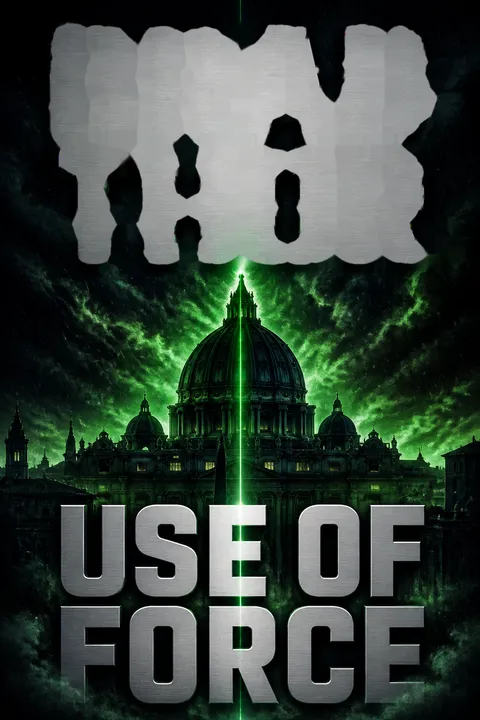

Plot Summary
Storm on the Mediterranean
On a stormy night, the Italian Coast Guard receives a frantic call from a sinking migrant boat overloaded with desperate men, women, and children. The smugglers, indifferent to human life, have sent them out with no life jackets and little hope. As the storm rages, the boat founders, and among the drowned is Mustapha Marzouk, a Tunisian chemistry student with a dark past. This tragedy is not just a humanitarian disaster—it is the spark that ignites a global terror plot, as intelligence agencies realize that Marzouk was no ordinary refugee, but a key player in a looming threat. The Mediterranean becomes the graveyard of innocents and the starting line for a deadly race.
Burning Man Under Siege
In the Nevada desert, CIA operative Scot Harvath infiltrates the wild, chaotic Burning Man festival, tracking Hamza Rahim, a suspected terrorist. Amidst dust storms and revelry, Harvath uncovers a plot far more advanced than surveillance: multiple suicide bombers, equipped with dead man's switches and bomb vests, are poised to strike. With his team, Harvath races through the crowds, neutralizing threats in a desperate, violent scramble. Despite their efforts, one bomber detonates, leaving carnage and panic. The attack is a chilling warning: nowhere is safe, and the enemy is already inside the gates.
Shadows in the Desert
In Italy, Ravshan Tursunov, a Tajik ex-special forces operative turned ISIS commander, learns of the failed American attack and the loss of his chemist, Marzouk. Disguised by surgery and driven by vengeance, Tursunov navigates the criminal underworld, forging alliances with the Calabrian Mafia. He is relentless, orchestrating a new wave of terror across Europe. The loss of Marzouk is a setback, but Tursunov's resolve only hardens. He is a ghost in the system, moving unseen, and his next move will be catastrophic.
The Bomb Maker's Trail
Back in Washington, Harvath is debriefed by CIA leadership. The stakes are clear: ISIS is planning a series of escalating attacks, culminating in something catastrophic in Europe. The death of Marzouk, the chemist, is a puzzle piece—why was he on that boat? Harvath is tasked with tracing Marzouk's path, following the trail from the Mediterranean to the heart of Europe. The investigation leads to Libya, where Harvath and his team must confront brutal smugglers and navigate a lawless landscape, risking everything to find the next link in the chain.
The Ant's Bargain
In the mountains of Calabria, Tursunov meets Antonio Vottari, "La Formícula," a ruthless N'drangheta boss. They negotiate a high-stakes arms deal: ISIS will receive Russian mortars, grenades, and chemical weapon shells, smuggled through Mafia channels. The transaction is tense, each side wary of betrayal. Vottari's greed and Tursunov's fanaticism make for a volatile alliance. The weapons are destined for a spectacular attack, and the Mafia's fingerprints are all over the plot. The underworld and jihadist terror have become indistinguishable.
Webs of Betrayal
In Washington, the CIA is under siege from within. Paul Page, a disgraced ex-officer, and his partner Andrew Jordan, run a private intelligence firm, selling secrets to the highest bidder. Surveillance is everywhere—on CIA Deputy Director Lydia Ryan, on Reed Carlton, the legendary spymaster. As the Agency tries to reform, old enemies and new traitors threaten to expose covert operations. The lines between friend and foe blur, and the cost of betrayal is death.
The Chemist's Ghost
The investigation into Marzouk's death reveals a chilling truth: his laptop contained blueprints for chemical and biological weapons, justified by extremist fatwas. The plot is bigger than anyone feared. ISIS has compartmentalized its cells, ensuring that even if one is caught, the others can continue. The search for Marzouk's replacement leads to Paris, where Tursunov manipulates local networks, orchestrating attacks and recruiting a new chemist. The ghost of Marzouk haunts every step, his knowledge now weaponized by others.
Paris in Flames
Tursunov unleashes his plan in Paris, targeting the Fête des Tuileries, a crowded summer carnival. Multiple suicide bombers, disguised as soccer fans, detonate in a coordinated massacre. The attack is devastating—hundreds dead, including children. The city reels in horror, and the world watches in shock. The carnage is broadcast live, a propaganda victory for ISIS and a call to arms for their followers. The message is clear: Europe is vulnerable, and the enemy is everywhere.
The Smuggler's Gate
Harvath and his team descend into the chaos of Libya, hunting the smuggler Umar Ali Halim, whose operation sent Marzouk to his death. The journey is a descent into brutality—torture, rape, and murder are routine. Harvath's team must fight their way through militias and corrupt officials, using every tool at their disposal. They capture Halim and extract the truth: the weapons were meant for a Mafia contact, and the plot is still alive. The trail leads north, toward Italy and a ticking clock.
The Vatican's Crosshairs
Intelligence points to a catastrophic attack on the Vatican, timed for a major papal audience. ISIS mortar teams, equipped with chemical shells, are positioned around the city, ready to rain sarin gas on St. Peter's Square. The Pope's life, and thousands of innocents, hang in the balance. Harvath, working with Italian and Vatican intelligence, races to identify and neutralize the teams. The city becomes a battlefield of shadows, every second critical.
The Mafia's Middleman
To break the plot, Harvath must confront the Mafia's role. He and his team abduct Vottari from a nightclub, using seduction and subterfuge. The interrogation is brutal—waterboarding, threats, and psychological warfare. Vottari finally confesses: the weapons were delivered to ISIS, and the attack is imminent. The alliance of organized crime and jihad is laid bare, and Harvath must decide how far he is willing to go to stop evil.
Rooftop Mortars
As the Vatican prepares for the Pope's appearance, Harvath and Italian special forces track down the mortar teams, hidden in apartments across Rome. Each cell is isolated, ready to strike. The pursuit is deadly—gunfights, explosions, and desperate last stands. The terrorists are fanatics, willing to die for their cause. Harvath's team suffers losses, but their relentless drive saves the city from annihilation. The cost is high, but the attack is averted.
The Final Interdiction
The last piece of the puzzle is a container ship, the Grande Senegal, carrying chemical weapons toward the United States. Navy SEALs board the vessel, but find only decoys—the real weapons are already in Rome. The plot was a misdirection, a testament to ISIS's cunning. The true battle was always in the heart of Europe, and only through relentless pursuit was disaster averted.
The Old Man's Gambit
In the aftermath, Harvath returns to the United States. The Agency is in turmoil, rocked by betrayal and loss. Reed Carlton, the Old Man, faces the ravages of Alzheimer's, but his mind is still sharp enough for one last play. Together with Harvath and Lydia Ryan, he orchestrates the downfall of traitors and the protection of the Agency's future. Justice is delivered, not always by the book, but always with purpose.
The Lifeboat Decision
As the dust settles, Harvath is offered the chance to lead a new Special Activities Division, a lifeboat for American intelligence. Torn between duty and personal happiness, he must choose between the field and a future with Lara, the woman he loves. The world remains dangerous, the threats ever-evolving. Harvath's journey is far from over, but for now, the worst has been averted—by force, by sacrifice, and by the thin line between good and evil.
Analysis
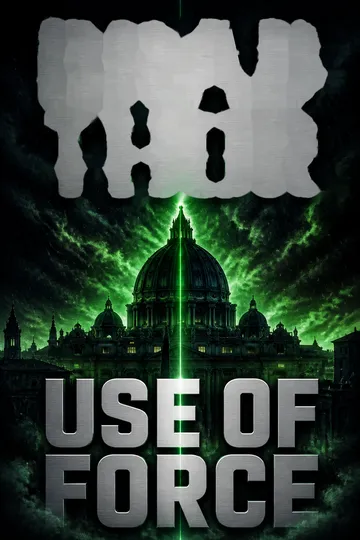
Brad Thor's Use of Force is a high-octane thriller that explores the intersection of terrorism, organized crime, and the moral ambiguities of modern intelligence work. The novel's central lesson is the necessity—and peril—of using force in a world where evil is both adaptive and deeply embedded. Through Harvath's journey, Thor interrogates the cost of security: the sacrifices demanded of those who stand between civilization and chaos, and the ethical compromises required to defeat enemies who recognize no rules. The alliance between ISIS and the Mafia is a chilling reminder that greed and fanaticism can find common cause, while the compartmentalized terror cells reflect the real-world challenges of counterterrorism in an age of decentralized threats. The novel also grapples with institutional decay and the need for reform, embodied in the struggles of Lydia Ryan and Reed Carlton. Ultimately, Use of Force is both a gripping narrative and a meditation on the price of vigilance, the burden of leadership, and the enduring question: how far are we willing to go to protect what we love?
Review Summary
Use of Force is the 16th Scot Harvath thriller by Brad Thor, receiving mixed reviews averaging 4.23/5 stars. Positive reviews praise the non-stop action, realistic counterterrorism scenarios, and Thor's detailed research on weapons and technology. Critics appreciate the timely ISIS-focused plot and character development. However, negative reviews cite excessive characters, slow pacing, rushed endings, and formulaic writing. Some readers found the political messaging heavy-handed and criticized the depersonalization of antagonists. Long-time fans were divided, with some calling it Thor's best work while others found it disappointing compared to earlier novels.
People Also Read
Characters
Scot Harvath
Scot Harvath is the novel's central figure—a former Navy SEAL turned covert CIA operative. Driven by a deep sense of duty and a willingness to do whatever it takes, Harvath is both a hunter and a guardian, willing to cross moral lines to protect innocents. His relationships are complex: he is mentored by Reed Carlton, challenged by Lydia Ryan, and yearns for a normal life with Lara and her son. Psychologically, Harvath is marked by trauma and loss, carrying the scars of violence and the burden of leadership. His arc is one of sacrifice, as he navigates the gray areas of justice, loyalty, and personal happiness, always returning to the fight when called.
Ravshan Tursunov
Tursunov is the mastermind behind the European terror plot—a Tajik ex-special forces officer, remade by surgery and ideology. Cold, calculating, and utterly ruthless, he is driven by a sense of religious destiny and personal vengeance. Tursunov's relationships are transactional: he manipulates the Mafia, recruits chemists, and discards allies when convenient. Psychologically, he is a study in fanaticism, using both intellect and brutality to achieve his goals. His development is marked by increasing isolation and paranoia, as his plans unravel and he becomes the hunted.
Lydia Ryan
As Deputy Director of the CIA, Ryan is caught between institutional inertia and the need for radical change. She is intelligent, ethical, and fiercely loyal to her people, but also pragmatic enough to sanction black operations when necessary. Her relationship with Harvath is one of mutual respect and occasional friction, while her bond with Reed Carlton is almost filial. Psychologically, Ryan is driven by a desire to restore the Agency's integrity, even as she is targeted by internal betrayal. Her arc is one of transformation, as she moves from reformer to architect of a new intelligence paradigm.
Reed Carlton
Carlton, "the Old Man," is a legendary figure in American intelligence, now facing the ravages of Alzheimer's. He is a mentor to Harvath and Ryan, embodying the old-school ethos of the OSS—ruthless, creative, and unyielding. His relationships are paternal, guiding the next generation even as his own mind betrays him. Psychologically, Carlton is haunted by the loss of control and the knowledge that his time is ending. His final gambits are acts of legacy, ensuring that his life's work survives in the hands of those he trusts.
Antonio Vottari ("La Formícula")
Vottari is the Calabrian Mafia boss who brokers the arms deal with ISIS. Small in stature but immense in cruelty, he is motivated by power, greed, and a desire for respect. His relationships are transactional—he trusts no one, not even his own men. Psychologically, Vottari is a sociopath, capable of both charm and extreme violence. His arc is one of hubris and downfall, as his alliance with terrorists brings him into Harvath's crosshairs.
Deborah Lovett
Lovett is a CIA case officer stationed in Italy, serving as Harvath's local partner. Intelligent, adaptable, and courageous, she is both a professional and a human being, struggling with the moral ambiguities of espionage. Her relationship with Harvath is one of mutual reliance and growing trust, tested by the violence and ethical compromises of the mission. Psychologically, Lovett is resilient but not unbreakable, serving as a counterpoint to Harvath's ruthlessness.
Paul Page
Page is a former CIA officer turned private intelligence mercenary, driven by resentment and a thirst for revenge against those who cast him out. His relationships are manipulative—he uses Andrew Jordan and others as pawns. Psychologically, Page is embittered, self-pitying, and ultimately self-destructive. His arc is a cautionary tale of what happens when loyalty curdles into betrayal.
Mike Haney
Haney is a former Force Recon Marine and Harvath's right hand in the field. Calm under pressure, tactically brilliant, and fiercely loyal, Haney is the backbone of the team. His relationship with Harvath is one of mutual respect and camaraderie. Psychologically, Haney is pragmatic, able to compartmentalize trauma, but not immune to the toll of violence. His injury in the line of duty underscores the personal cost of the mission.
Susan Viscovich
Viscovich is a private intelligence contractor, skilled in surveillance and hacking. Initially a tool of Page and Jordan, she becomes a key witness and asset for the Agency. Her relationships are transactional, but she is not without conscience. Psychologically, Viscovich is adaptable, but ultimately seeks redemption by aiding the good guys.
Mustapha Marzouk
Though dead before the main action, Marzouk's legacy drives the plot. A Tunisian chemistry student radicalized by ISIS, his research into chemical weapons becomes the blueprint for mass murder. His relationships are mostly with unseen handlers and fellow extremists. Psychologically, Marzouk is a cipher—his ghostly presence a reminder of how one man's knowledge can endanger millions.
Plot Devices
Compartmentalized Terror Cells
The novel's central plot device is the use of highly compartmentalized terror cells, each isolated and unaware of the others' details. This structure ensures that even if one cell is compromised, the overall plot can continue. It creates a sense of relentless threat and narrative tension, as Harvath and his team must race against time to identify and neutralize each cell before catastrophe strikes. The device also allows for multiple simultaneous storylines, converging in a climactic showdown.
Mafia-Terrorist Alliance
The unholy alliance between the Italian Mafia and ISIS is a key narrative engine. The Mafia's smuggling routes, logistical expertise, and willingness to profit from anything make them ideal partners for terrorists seeking to move weapons and personnel undetected. This device blurs the lines between organized crime and ideological terror, raising questions about the nature of evil and the corruptibility of institutions.
False Leads and Misdirection
The plot is driven by a series of false leads—dead chemists, decoy weapons shipments, and misdirected attacks. These devices keep both the characters and the reader off-balance, heightening suspense and emphasizing the cunning of the adversary. The use of decoy RFID tags, for example, leads to a dramatic but ultimately fruitless interdiction at sea, forcing the heroes to refocus on the true threat in Rome.
Interrogation and Moral Ambiguity
The novel repeatedly employs scenes of brutal interrogation, from waterboarding to psychological manipulation. These moments force characters—and readers—to confront the ethical boundaries of counterterrorism. The device is used to explore the cost of victory, the price of security, and the thin line between justice and vengeance.
Surveillance and Betrayal
The omnipresence of surveillance—both by the state and by private actors—creates an atmosphere of paranoia and uncertainty. Internal betrayal, leaks, and double agents are constant threats, driving the plot and deepening the sense of institutional crisis. The device also serves as a commentary on the modern intelligence landscape, where information is both weapon and vulnerability.
Race Against Time Structure
The narrative is structured as a relentless race against multiple ticking clocks: the next attack, the movement of weapons, the Pope's public appearance. This device maintains high tension, propelling the story forward and forcing characters into desperate, high-stakes decisions.
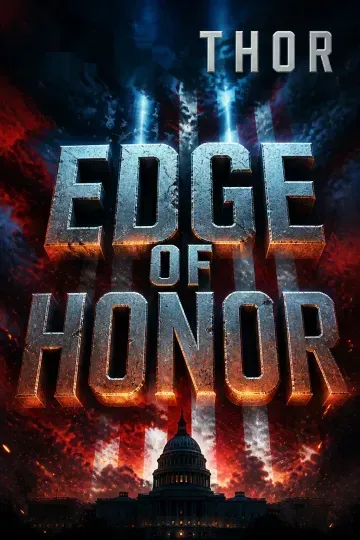
Scot Harvath Series
About the Author
Other books by Brad Thor

Download PDF
Download EPUB
.epub digital book format is ideal for reading ebooks on phones, tablets, and e-readers.








































