
Plot Summary
Shadows Over Afghanistan
In the rugged Afghan mountains, a Russian operative, Sergei Simonov, orchestrates a dangerous alliance with Taliban commander Mullah Massoud. Their plan: to manipulate global powers and reshape Afghanistan's future. Meanwhile, American doctor Julia Gallo, working for an NGO, pushes against cultural boundaries, risking her safety. The land is a crucible of old grudges, tribal codes, and new wars, where every action is shadowed by violence and betrayal. The story's opening sets the tone: Afghanistan is a place where alliances are fragile, and every player—local or foreign—carries scars and secrets. The stakes are high, and the cost of failure is death or dishonor. The land's harshness mirrors the hard choices its people and outsiders must make.
Hostage in the Mountains
Julia Gallo's humanitarian mission turns tragic when she and her interpreter, Sayed, are ambushed by men posing as Afghan soldiers. Sayed is executed, and Julia is taken hostage by the Taliban, her fate uncertain. Isolated in a cold, dark cell, she faces psychological torment and the threat of violence. Her only solace is the mentally challenged Zwak, who, despite his own suffering, becomes her unlikely protector. Julia's captivity is a crucible, forcing her to confront her own motivations and the limits of her courage. The Taliban's brutality is matched only by the indifference of the world outside, and Julia's hope for rescue dims with each passing day.
Power and Politics Collide
In Washington, media mogul Stephanie Gallo leverages her influence to pressure President Robert Alden into action. Her daughter's life hangs in the balance, but the ransom demanded is not money—it's the release of Mustafa Khan, a notorious al-Qaeda operative. Alden, bound by political promises and the rule of law, resists, fearing the consequences of yielding to terrorists. The personal and political become inseparable, as Gallo threatens to expose secrets that could destroy Alden's presidency. The machinery of power grinds, revealing the moral ambiguities and personal costs at the heart of national security decisions.
The Reluctant Operative
Scot Harvath, former Navy SEAL and covert operative, is living a quiet life in Maine when he's summoned by the president and Gallo. Though disillusioned with Washington's bureaucracy, Harvath is compelled by duty and the promise of a substantial reward to attempt the impossible: break Khan out of an Afghan prison and trade him for Julia. Harvath's acceptance is not just about money or patriotism—it's about the challenge, the need to act when others hesitate, and the knowledge that only men like him can operate in the shadows where rules don't apply.
A Mother's Ultimatum
Stephanie Gallo's determination to save her daughter leads her to cross ethical lines, hiring Harvath as a private contractor to do what the U.S. government cannot. The arrangement is deniable, the risks enormous. Gallo's wealth and connections open doors, but also expose the hypocrisy of those who decry violence until it threatens their own. The deal is struck: Harvath will have resources, but no official support. The mission is off the books, and failure means abandonment or death for Julia—and the end of Alden's presidency.
Into the Lion's Den
Harvath lands in Kabul, where every street is a potential ambush and every ally a possible traitor. He reconnects with old friends—Baba G, a haunted ex-Marine, and Tom Hoyt, a wily ex-Army intelligence officer—who run a private security firm. Together, they navigate the city's labyrinth of corruption, bribes, and shifting loyalties. The search for Khan's location is complicated by Afghan politics, the ever-present threat of violence, and the knowledge that al-Qaeda and the Taliban are watching every move. The city is a powder keg, and Harvath must move quickly before the window for rescue closes.
Kabul's Web of Allies
Harvath and his allies work their contacts, leveraging bribes and favors to locate Khan, who has been moved to a secret facility beneath an old Soviet base. Afghan police inspector Rashid, motivated by both patriotism and self-preservation, becomes a key informant. The team is a patchwork of mercenaries, ex-spies, and local fixers, each with their own agenda. Trust is scarce, and betrayal is always a possibility. As plans are laid for the prison break, the lines between friend and foe blur, and Harvath must rely on instinct as much as intelligence.
The Prisoner's Dilemma
The plan to free Khan involves infiltrating the base through forgotten Soviet tunnels, using bribes, disguises, and the element of surprise. The operation is tense and violent—Harvath and his team neutralize guards with non-lethal force, but the risk of discovery is ever-present. Khan, arrogant and unrepentant, is taken into custody. Yet Harvath faces a moral quandary: releasing Khan means unleashing a killer back into the world. The mission's success is tainted by the knowledge that victory may come at the cost of future innocents.
Secrets and Betrayals
Back in the U.S., Secret Service agent Elise Campbell uncovers evidence of presidential misconduct tied to a fatal car accident involving a campaign staffer. The web of secrets threatens to unravel Alden's administration, as Gallo uses her knowledge to force his hand. Loyalties are tested, and the cost of truth becomes clear. The personal and the political are inseparable, and the fate of Julia Gallo is entangled with the fate of the presidency itself.
The Rescue Blueprint
With Khan in hand, Harvath turns his attention to locating Julia. Clues from a wounded Afghan boy lead to a remote village, where tribal codes and the threat of blood feuds complicate negotiations. The team must balance the need for speed with the risk of provoking a massacre. A jirga—a tribal council—is convened to mediate between warring villages, and Harvath leverages Afghan customs to gain access. The rescue plan is a blend of cultural savvy, tactical skill, and raw nerve.
Tunnels and Traps
The final assault on Julia's prison involves navigating treacherous mountain paths, bribing or outwitting Taliban checkpoints, and using local guides to approach undetected. The team's path is fraught with danger—ambushes, betrayals, and the ever-present threat of discovery. The rescue itself is swift and brutal, with Harvath and Fontaine neutralizing guards and extracting Julia and her protector, Zwak. The escape is complicated by a running battle with Taliban forces, culminating in a desperate firefight and a race against time for air support.
The Cost of Loyalty
The team's escape is paid for in blood. Baba G is gravely wounded while saving a comrade, and the group is pinned down by overwhelming Taliban forces. Only the timely arrival of a gunship and Canadian armored vehicles prevents their annihilation. The aftermath is bittersweet—Julia is safe, but the scars of violence and betrayal linger. Loyalties are tested, and the price of doing the right thing is measured in lives lost and innocence shattered.
The Lake of Broken Glass
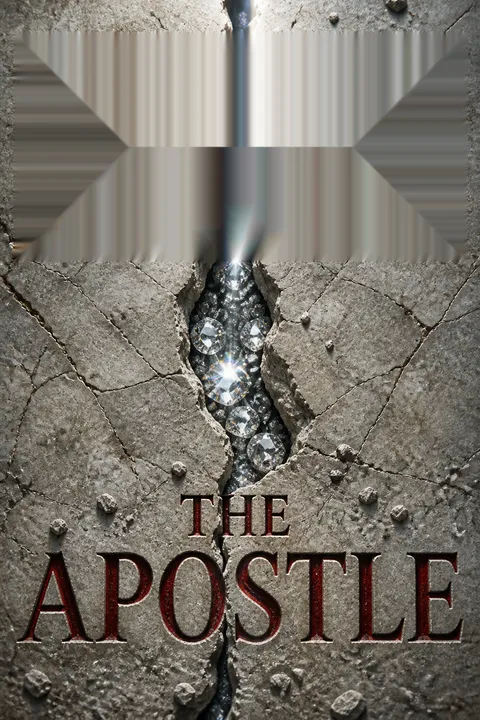
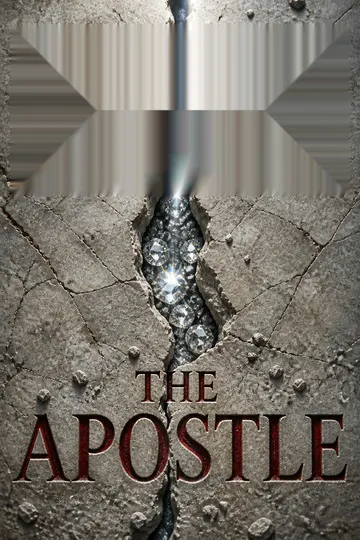
The Russian's true motive is revealed: the search for bin Laden's fabled cache of diamonds, the so-called Lake of Broken Glass. The kidnapping, the manipulation of global powers, and the betrayal of allies are all part of a larger game to control Afghanistan's future and its hidden wealth. The legend is both a metaphor for the country's elusive stability and a literal prize that drives men to madness and murder. In the end, the pursuit of treasure brings only ruin.
The Jirga's Bargain
The jirga between rival villages becomes a crucible for Afghan honor and Western pragmatism. Harvath must balance the demands of tribal justice, the need for secrecy, and the imperative to save Julia. Deals are struck, promises made, and debts incurred. The cost of peace is high, and the line between justice and vengeance is razor-thin. The jirga is both a moment of hope and a reminder of the fragility of order in a land ruled by custom and violence.
Blood and Honor
The pursuit of Julia and her captors leads to a climactic confrontation in the mountains. Betrayals are revealed, debts are paid, and the cycle of violence claims new victims. The Russian and Massoud meet their ends, undone by their own ambition and the relentless logic of Afghan honor. Zwak, the innocent, is spared, a small mercy in a world of brutality. The survivors are left to count the cost and wonder if anything has truly changed.
The Final Gambit
With Julia rescued, the team must navigate a gauntlet of Taliban fighters, treacherous roads, and the ever-present threat of betrayal. Air support and local allies make the difference, but not without further loss. The mission's success is a testament to courage, cunning, and the willingness to do what others will not. Yet the victory is incomplete—Khan is handed over to the CIA, but the cycle of violence continues, and the future remains uncertain.
Truths Unveiled
In Washington, the truth about President Alden's past comes to light, forcing his resignation. Elise Campbell, having risked her career to expose the cover-up, finds a new calling as a detective. The personal costs of power, ambition, and loyalty are laid bare. The story's political arc closes with a reminder that the greatest threats to democracy often come from within.
Aftermath and Reckoning
The survivors count their losses and try to rebuild. Julia Gallo returns home, scarred but alive. Harvath, haunted by the violence and betrayals, contemplates his future. Afghanistan remains a land of shadows, its fate uncertain. The story ends with a sense of hard-won wisdom: in a world of shifting alliances and moral ambiguity, the only certainty is the need for men and women willing to stand between chaos and order, whatever the cost.
Analysis
A modern thriller of moral complexity and geopolitical realismBrad Thor's The Apostle is more than a rescue adventure; it's a meditation on the costs of power, the ambiguity of heroism, and the intractable nature of conflict in the modern world. The novel's structure—interweaving action in Afghanistan with political intrigue in Washington—underscores the interconnectedness of personal and global stakes. The characters are defined by their willingness to act when others hesitate, but also by the scars such action leaves. The use of Afghan cultural codes, the mythic Lake of Broken Glass, and the ever-present threat of betrayal ground the story in a world where victory is always partial and justice is never pure. The novel's ultimate lesson is that in a world of shifting alliances and moral uncertainty, the only hope lies in the courage to act—and the humility to recognize the limits of one's power. The cost of doing the right thing is high, but the cost of inaction is higher still.
Review Summary
The Apostle receives mixed reviews, averaging 4.16/5 stars. Readers praise the Afghanistan setting, cultural details, and protagonist Scot Harvath's character. However, many criticize the weak presidential subplot that feels disconnected from the main rescue mission. Common complaints include excessive product placement (especially Diet Red Bull), heavy-handed political messaging against liberals, and repetitive writing. Some fans feel Thor lost inspiration, calling it contract-obligation work. Others enjoyed the action sequences and found it engaging despite flaws. Several reviewers note it's weaker than Thor's earlier novels but still entertaining for thriller fans.
People Also Read

Characters
Scot Harvath
Harvath is a former Navy SEAL and covert operative, defined by his sense of duty and his discomfort with bureaucracy. He is fiercely loyal, resourceful, and skilled in violence, but also deeply introspective, questioning the morality of his actions and the cost of his profession. His relationships—with Tracy, with his old comrades, and with the people he's sent to rescue—reveal a man torn between the need to act and the desire for peace. Harvath's journey is one of sacrifice, as he repeatedly risks everything for others, even as he doubts the righteousness of the cause.
Julia Gallo
Julia is a passionate doctor driven by a desire to help Afghan women, but her zeal blinds her to the dangers she faces. Her capture and ordeal force her to confront her own motivations and the limits of her courage. She is resilient, compassionate, and ultimately pragmatic, forming a bond with her mentally challenged guard, Zwak. Julia's arc is one of transformation—from naïve idealist to hardened survivor, her faith in humanity tested but not broken.
Stephanie Gallo
Stephanie is a media titan whose love for her daughter drives her to manipulate presidents and break laws. She is intelligent, charismatic, and unyielding, willing to do whatever it takes to save Julia. Her actions expose the hypocrisy of those who decry violence until it touches their own lives. Stephanie's relationship with President Alden is complex—part alliance, part blackmail—and her arc is a study in the costs of power and the limits of maternal love.
President Robert Alden
Alden is a charismatic, reform-minded president whose past mistakes and political compromises catch up with him. He is torn between principle and pragmatism, struggling to balance the demands of office with personal loyalty. His downfall is precipitated by his inability to separate the personal from the political, and by his willingness to bend the truth for expediency. Alden's arc is a cautionary tale about the perils of power and the corrosive effects of secrets.
Sergei Simonov (Bakht Rawan)
Simonov is a Russian intelligence operative whose love for his disfigured son drives him to orchestrate chaos in Afghanistan. He is cold, calculating, and ruthless, but also haunted by guilt and loss. His alliance with Massoud is pragmatic, and his ultimate goal—the Lake of Broken Glass—is both a personal quest and a geopolitical gambit. Simonov's arc is one of hubris and downfall, his brilliance undone by his own ambition and the unpredictability of the land he seeks to control.
Mullah Massoud Akhund
Massoud is a battle-hardened Taliban leader, respected and feared by his men. He is pragmatic, willing to ally with foreigners for the sake of power, but also bound by the codes of Pashtun honor. His relationship with his mentally challenged brother, Zwak, reveals a capacity for tenderness amid brutality. Massoud's arc is one of ambition and betrayal, as his plans unravel and he is ultimately destroyed by the very forces he sought to manipulate.
Zwak
Zwak is Massoud's mentally challenged brother, given a rifle and a sense of purpose by his sibling. He is childlike, loyal, and easily manipulated, but also capable of unexpected courage and kindness. His bond with Julia Gallo is a rare moment of humanity in a world of violence. Zwak's fate is a reminder of the collateral damage inflicted by war and the vulnerability of the innocent.
Baba G (Greg Gallagher)
Baba G is a former Marine, scarred by a tragic incident in Iraq. He is big-hearted, competent, and deeply loyal to Harvath, but also struggles with guilt and the temptation of self-destruction. His role as fixer and protector is both a penance and a calling. Baba G's arc is one of redemption, as he risks his life to save others and finds a measure of peace in sacrifice.
Tom Hoyt
Hoyt is an ex-Army intelligence officer, partner to Baba G, and the logistical brains of their security firm. He is irreverent, resourceful, and unflappable, providing both practical support and much-needed levity. Hoyt's relationships—with his wife Mei, with Harvath, and with his team—reveal a man who has found meaning in chaos and camaraderie.
Elise Campbell
Elise is a Secret Service agent driven by a strong sense of justice and personal integrity. Her investigation into the president's past puts her career at risk, but she refuses to look the other way. Elise is intelligent, determined, and empathetic, her arc a journey from loyal protector to whistleblower and, ultimately, detective. She embodies the tension between duty and conscience.
Plot Devices
Dual Timelines and Interwoven Narratives
The novel employs a dual structure, alternating between the high-stakes rescue mission in Afghanistan and the political intrigue in Washington. This interweaving of personal, political, and military threads creates a tapestry of tension, where actions in one sphere have immediate and profound consequences in the other. The structure allows for foreshadowing, dramatic irony, and a deep exploration of the interconnectedness of global events and personal choices.
The Jirga and Pashtunwali
The use of the jirga (tribal council) and the code of Pashtunwali is central to the plot. These devices ground the story in Afghan reality, providing both barriers and opportunities for negotiation, alliance, and betrayal. The jirga becomes a stage for both justice and manipulation, while Pashtunwali's demands for hospitality, revenge, and honor drive key decisions and conflicts.
The MacGuffin: Lake of Broken Glass
The myth of bin Laden's diamond hoard—the Lake of Broken Glass—serves as the story's MacGuffin, motivating the Russian's actions and symbolizing the elusive, destructive allure of wealth and power. The legend is both a literal goal and a metaphor for the unattainable stability and prosperity sought by all the story's players.
Moral Ambiguity and the Cost of Action
The novel's plot is driven by moral ambiguity—every major character is forced to make choices that blur the line between right and wrong. The cost of action is measured in lives lost, innocence destroyed, and ideals compromised. The narrative structure emphasizes the personal toll of violence and the impossibility of clean hands in a dirty war.
Foreshadowing and Political Intrigue
The political subplot—centered on presidential secrets, blackmail, and the threat of scandal—serves as both a ticking clock and a source of foreshadowing. The fate of Julia Gallo is tied to the fate of the presidency, and the exposure of one secret threatens to bring down the entire edifice of power. The interplay of personal and political stakes keeps the tension high and the outcome uncertain.
Scot Harvath Series

About the Author
Other books by Brad Thor

Download PDF
Download EPUB
.epub digital book format is ideal for reading ebooks on phones, tablets, and e-readers.








































