
Plot Summary
Nightfall on Sea Island
On a tranquil Georgia night, Claire Marcourt, a successful financier and potential Federal Reserve chair, is kidnapped from her Sea Island home. Her abduction is swift and professional, leaving no trace and shattering her family's sense of safety. As she is spirited away by a cold, methodical captor, the first move in a larger, hidden game is set in motion. The chilling efficiency of the crime signals a threat not just to one woman, but to the very heart of American power. The emotional weight of loss and fear is palpable, as Claire's fate becomes the catalyst for a national crisis, and the reader is thrust into a world where no one is truly safe.
Eclipse Team Shadows
Lydia Ryan, a skilled CIA operative, is confronted in Europe by a Jordanian intelligence chief with evidence that her old covert team, Eclipse, is active again. Once tasked with destabilizing foreign regimes, the team was supposedly disbanded after a disastrous operation. Now, their presence in the Middle East and North Africa before major upheavals raises suspicions of American interference. Ryan is caught between loyalty and doubt, forced to question her agency's integrity and her own past. The tension between allies, the threat of blackmail, and the specter of a new terrorist plot against the U.S. set the stage for a global game of trust and betrayal.
Somali Rescue Gambit
Scot Harvath, ex-SEAL and private intelligence operator, leads a high-risk mission to free a hijacked tanker off Somalia. The operation is brutal and costly, with local allies lost and the team forced to improvise under fire. The rescue's aftermath leaves Harvath haunted by the death of an innocent, and his organization financially strained. The mission's violence and moral ambiguity echo the larger chaos in the intelligence world, as Harvath is summoned back to Washington for a new, urgent assignment. The emotional toll of sacrifice and the relentless demands of the job weigh heavily on him.
Federal Reserve in Crisis
Harvath and his mentor, Reed Carlton, are drawn into a secretive meeting at the Federal Reserve. The chairman has died suddenly, and all top candidates to replace him—including Claire Marcourt—have disappeared. One is found murdered in a gruesome, symbolic fashion. The Fed's leaders, desperate to avoid scandal and panic, hire Harvath's team to find the missing and stop the killer. The investigation reveals a conspiracy steeped in American history, with clues pointing to a group styling themselves after the Sons of Liberty. The stakes are national stability, and the emotional undercurrent is one of dread and urgency.
Historical Clues Unveiled
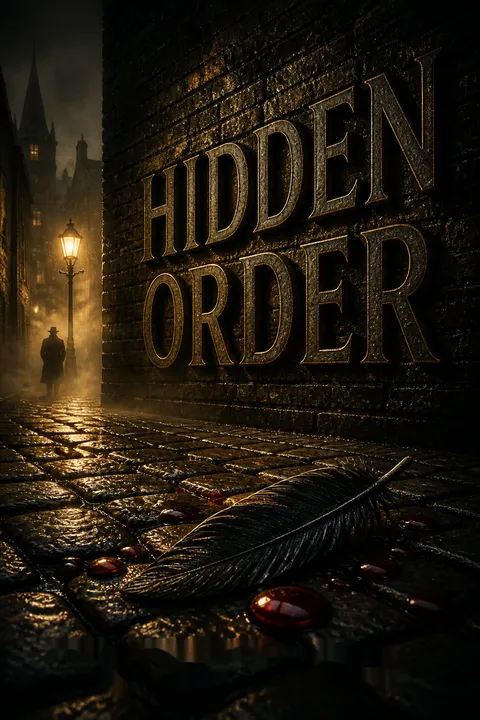
As more victims are found, each crime scene is staged with chilling references to colonial resistance: pine tar, feathers, and cryptic quotes. Harvath, aided by historian Bill Wise, deciphers the symbolism, realizing the killer is orchestrating a narrative of rebellion against tyranny—specifically, the Federal Reserve. The investigation becomes a race against time, with each murder a chapter in a deadly reenactment of America's founding struggles. The emotional impact is a mix of intellectual fascination and horror, as history is weaponized in the present.
The Sons of Liberty
The investigation uncovers a shadowy network inspired by the original Sons of Liberty, using violence to force a reckoning with the Fed's power. Their methods are sophisticated, their motives a blend of patriotism and fanaticism. The team realizes the group is not just targeting individuals, but aiming to provoke a national crisis and reshape the country's financial future. The emotional arc is one of mounting paranoia and the fear that the very institutions meant to protect America are under siege from within.
The Hunt in Boston
The trail leads to Boston, where the killer stages elaborate, symbolic murders at historic sites. Harvath teams up with Detective Lara Cordero, and together they navigate a city on edge, racing to prevent further deaths. The tension is relentless as they try to anticipate the killer's next move, with the city's revolutionary past providing both clues and a haunting backdrop. The partnership between Harvath and Cordero grows, blending professional respect with personal connection, as the emotional stakes become deeply personal.
The Psychopath's Trail
The investigation exposes the killer as a product of a clandestine CIA program—Swim Club—designed to create operatives without conscience. The murders are not just political statements, but the work of a psychopath unleashed. As Harvath and Cordero close in, the killer's methods grow more brutal and unpredictable, culminating in a devastating attack that leaves the city reeling. The emotional impact is one of shock, grief, and the realization that the line between patriot and monster is perilously thin.
Betrayal Within the Agency
Lydia Ryan and her mentor, McGee, discover that the conspiracy reaches deep into the CIA itself. Rogue elements, led by Phil Durkin, have kept black operations alive, manipulating global events and funding their own agendas. The team must navigate a web of lies, double-crosses, and assassination attempts, unsure whom to trust. The emotional core is one of betrayal and the painful cost of loyalty, as friends become foes and the agency's soul is laid bare.
The Boston Massacre Trap
The climax erupts as the killer orchestrates a modern Boston Massacre, using a brainwashed hostage as a suicide bomber. Harvath and Cordero, barely surviving the blast, are left to pick up the pieces as the city mourns. The emotional devastation is profound, with guilt, anger, and a renewed determination to bring the conspirators to justice. The line between history and present blurs, and the cost of vigilance is made heartbreakingly clear.
The Lion Unleashed
The true mastermind, Sal Sabatini—Cordero's trusted partner—reveals himself as the lion behind the killings. In a harrowing showdown, Cordero and Harvath must outwit and subdue him, saving her family and ending the reign of terror. The emotional resolution is bittersweet: justice is served, but innocence is lost, and the scars of betrayal run deep. The victory is hard-won, and the cost is measured in lives and trust.
Truths at Tierra del Fuego
The pursuit leads to Argentina, where the team corners the last conspirators. The plot is revealed: the Federal Reserve's own leaders, blackmailed by foreign powers and aided by rogue CIA operatives, orchestrated the murders to control America's financial future. The emotional arc is one of grim satisfaction and lingering unease, as the heroes realize how close the nation came to collapse—and how fragile the line between order and chaos truly is.
The President's Reckoning
In the aftermath, the President confronts the truth: the Federal Reserve's unchecked power, the corruption within intelligence agencies, and the need for radical reform. Key conspirators are brought to justice, the Fed's charter is revoked, and new leadership is installed at the CIA. The emotional tone is one of hope tempered by realism, as the country begins the painful process of healing and renewal, determined to learn from its near-destruction.
Healing on Cape Cod
Harvath and Cordero, both scarred by the ordeal, find solace together on Cape Cod. As they care for Cordero's son and reflect on the battles fought, they allow themselves a measure of peace and the possibility of love. The emotional journey comes full circle, from trauma and loss to hope and connection, as the characters—and the nation—look toward a future shaped by hard-won wisdom.
Analysis
A modern parable of power, corruption, and renewalHidden Order is more than a high-octane thriller; it is a meditation on the fragility of institutions and the dangers of unchecked authority. By weaving together historical symbolism, psychological horror, and contemporary conspiracy, Brad Thor crafts a narrative that interrogates the meaning of patriotism, the cost of security, and the perils of moral compromise. The novel's lessons are clear: vigilance is the price of freedom, and the greatest threats often come from within. The emotional arc—from trauma and betrayal to healing and hope—mirrors the nation's own journey through crisis. In the end, the story insists that renewal is possible, but only through courage, accountability, and the willingness to confront uncomfortable truths. The characters' personal growth—especially Harvath and Cordero's emergence from loss into connection—offers a blueprint for resilience in the face of darkness. Hidden Order thus stands as both a gripping tale and a cautionary fable for our times.
Review Summary
Hidden Order by Brad Thor receives mixed reviews (4.17/5 overall). Many readers appreciated the fast-paced action and historical information about the Federal Reserve and Boston's Revolutionary War era. However, several critics felt protagonist Scot Harvath acted more like a detective than an action hero, with excessive historical exposition and insufficient action until the book's end. Common complaints included repetitive torture scenes, political soapboxing, and plot holes. Some readers found the dual storylines confusing. Fans generally enjoyed the thriller despite its departure from typical series entries, while detractors found it boring and poorly executed.
People Also Read
Characters
Scot Harvath
Harvath is a former Navy SEAL turned private intelligence operative, defined by his courage, tactical brilliance, and deep sense of responsibility. Scarred by loss and the moral ambiguities of his work, he is both predator and protector, driven by loyalty to his team and country. His relationships are marked by camaraderie and guarded vulnerability, especially with his mentor, Reed Carlton, and partner, Lara Cordero. Harvath's psychological arc is one of grappling with trauma, guilt, and the cost of violence, yet he remains steadfast in the face of overwhelming odds, embodying the archetype of the wounded hero who refuses to quit.
Lara Cordero
Cordero is a Boston homicide detective whose intelligence, empathy, and tenacity make her an indispensable ally. Her partnership with Harvath evolves from professional respect to deep personal connection, as they navigate the horrors of the case together. Cordero's past—marked by loss and single motherhood—fuels her determination and compassion. She is both a fierce protector and a source of healing, grounding Harvath and providing a path toward hope. Her psychological journey is one of confronting betrayal, reclaiming agency, and opening herself to love after trauma.
Lydia Ryan
Ryan is a CIA officer caught between institutional loyalty and personal integrity. Tasked with policing a rogue team, she becomes a whistleblower and reluctant hero, risking everything to expose corruption within her own agency. Her relationships—with mentor McGee, adversary Durkin, and international allies—are fraught with tension and trust issues. Psychologically, Ryan embodies the struggle between duty and conscience, ultimately choosing truth over self-preservation, and catalyzing institutional change.
Reed Carlton (The Old Man)
Carlton is the legendary spymaster whose wisdom, experience, and unyielding standards shape Harvath and the team. He is both a father figure and a ruthless pragmatist, balancing compassion with the demands of the shadow war. His relationship with Harvath is central, blending tough love with deep respect. Carlton's psychological depth lies in his acceptance of the costs of leadership and his willingness to make hard choices for the greater good.
Bill Wise
Wise is a retired intelligence officer and scholar whose encyclopedic knowledge of American history becomes crucial to decoding the killer's motives. He is both mentor and conscience, providing intellectual ballast and moral clarity. Wise's psychological arc is one of being drawn back into the fray, confronting the legacy of secret programs he once helped create, and seeking redemption through truth and service.
Sal Sabatini
Sabatini is Cordero's longtime partner, revealed as the psychopathic killer orchestrating the Sons of Liberty murders. His duality—loyal friend and remorseless predator—embodies the dangers of unchecked power and psychological manipulation. Sabatini's psychological profile is chilling: a product of clandestine government experiments, he is driven by a need for control, violence, and twisted patriotism. His betrayal devastates Cordero and shatters the illusion of safety within the system.
Phil Durkin
Durkin is the rogue CIA official who keeps black operations alive for personal gain and ideological zeal. Manipulative, cunning, and amoral, he orchestrates global events and sacrifices innocents to maintain his power. His relationships are transactional, using subordinates as pawns. Psychologically, Durkin represents institutional rot—the danger of unchecked authority and the seductive lure of ends-justify-the-means thinking.
Monroe Lewis
Lewis is the acting head of the Federal Reserve, whose ambition and loyalty to the institution blind him to moral boundaries. He becomes both victim and perpetrator, complicit in the conspiracy to control America's financial future. His psychological arc is one of rationalization and self-preservation, ultimately exposed and brought to justice.
William Jacobson
Jacobson is the Fed's security chief, a man of few attachments and absolute loyalty to the institution. He is the muscle behind the conspiracy, willing to kill and cover up to protect the Fed's secrets. Psychologically, Jacobson is defined by his detachment, discipline, and belief in the necessity of harsh measures for the greater good.
Samuel (The Lamb)
Samuel is a product of the CIA's Swim Club program—a gentle-seeming man turned into a lethal, conscience-free assassin. His interactions with Wise reveal a tortured soul, torn between the remnants of humanity and the conditioning that made him a weapon. Samuel's psychological journey is one of internal conflict, shame, and the desperate hope for redemption, even as he is used by others for their own ends.
Plot Devices
Historical Symbolism and Reenactment
The novel's central device is the killer's use of historical symbolism—each crime scene meticulously staged to echo pivotal moments in the American Revolution. This not only provides a trail of clues for the investigators but also serves as a commentary on the cyclical nature of power, rebellion, and tyranny. The device deepens the narrative, blurring the line between past and present, and forces characters (and readers) to confront the meaning of patriotism and dissent.
Rogue Intelligence Operations
The plot hinges on the existence of clandestine CIA teams and black operations, kept alive by corrupt officials for personal and political gain. The "Eclipse" and "Swim Club" programs provide both the manpower and the psychological horror at the story's core. The device of institutional betrayal and the creation of conscience-free killers heightens the stakes and injects moral ambiguity, making every alliance suspect.
Foreshadowing and Red Herrings
The narrative is laced with foreshadowing—cryptic quotes, symbolic artifacts, and historical references that point to future events. Red herrings abound, with multiple suspects, shifting loyalties, and false leads, keeping both characters and readers off-balance. The structure mimics a chess game, with each move calculated and every revelation raising new questions.
Dual Timelines and Interwoven Perspectives
The story unfolds through multiple perspectives—Harvath's fieldwork, Ryan's agency battles, Wise's historical analysis—each providing pieces of the puzzle. The dual timelines of past and present, and the interweaving of personal and institutional arcs, create a tapestry of suspense and emotional depth. The convergence of these threads in Boston and Tierra del Fuego delivers both narrative payoff and thematic resonance.
Institutional Corruption and Reform
The plot's climax and resolution hinge on the exposure of corruption at the highest levels of government and finance. The device of institutional reckoning—culminating in the President's radical reforms—serves as both catharsis and warning. The narrative structure moves from chaos and betrayal to accountability and the possibility of redemption, mirroring the emotional journey of the characters.
Scot Harvath Series





About the Author
Other books by Brad Thor

Download PDF
Download EPUB
.epub digital book format is ideal for reading ebooks on phones, tablets, and e-readers.








































