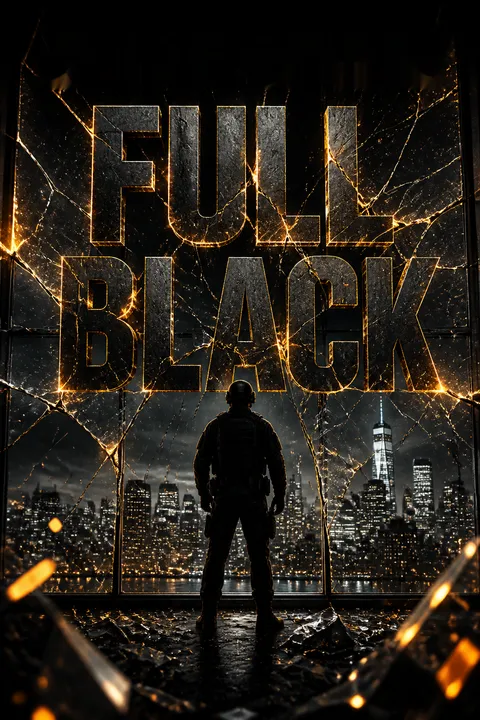

Plot Summary
Shadows and Substitutions
Scot Harvath, a seasoned counterterrorism operative, orchestrates a dangerous mission in the Swedish countryside. His team intercepts a car carrying Mansoor Aleem, a cyber-jihadist linked to a shadowy terrorist network. After a violent confrontation, Harvath's team eliminates the immediate threats and captures Mansoor. To infiltrate the terrorist cell, they substitute Sean Chase, an American-Egyptian operative, for Mansoor, hoping his background will allow him to pass as the real target. The operation is fraught with tension, as Chase must convince the cell he is genuine, while Harvath interrogates Mansoor for critical intelligence. The stakes are high: intelligence suggests a catastrophic attack is imminent, and the only lead is the Uppsala cell, a node in a vast, hidden network.
Hollywood Under Siege
In Los Angeles, movie producer Larry Salomon is targeted by a Russian Spetsnaz hit team. His friend and technical consultant, Luke Ralston, a former Delta Force operator, intervenes just in time. A violent, cinematic home invasion unfolds, resulting in the deaths of Salomon's colleagues and the attackers. The trauma reopens old wounds for Salomon, whose daughter was murdered years before. As Ralston and Salomon go on the run, they realize the attack is not random but connected to a documentary project exposing the dark underbelly of global finance and philanthropy. The violence in Hollywood is a harbinger of a much larger, orchestrated threat.
The Network Unveiled
The narrative shifts between continents, revealing a complex web of actors: Mustafa Karami, a ruthless cell leader in Sweden; the enigmatic "Sheikh from Qatar"; and James Standing, a billionaire financier with a hidden past and radical vision. Through digital surveillance, coded communications, and psychological manipulation, the story uncovers a terrorist network built on the principles of "unrestricted warfare"—a real-world Chinese doctrine advocating attacks on all aspects of society. The network is compartmentalized, resilient, and designed to survive decapitation strikes. As Harvath and his allies dig deeper, they realize the enemy is not just a terrorist group, but a coalition of ideologues, financiers, and intelligence operatives bent on collapsing the United States from within.
Interrogations and Betrayals
Harvath's interrogation of Mansoor Aleem is a psychological chess match, revealing the young man's limited knowledge and deep fear. Meanwhile, Sean Chase's infiltration of the Uppsala cell is fraught with suspicion; the cell's paranoia is justified, as they are being hunted by multiple intelligence agencies. The narrative explores the moral ambiguities of counterterrorism: harsh interrogations, the use of torture, and the ever-present risk of betrayal from within. The Carlton Group, Harvath's employer, is itself a response to bureaucratic paralysis in the intelligence community, operating in the shadows with little oversight. As the operation in Sweden unravels, it becomes clear that someone close has leaked information, leading to deadly consequences.
The Billionaire's Blueprint
In New York, James Standing, a billionaire with a chameleon-like past, is interviewed by journalist Julia Winston. Through their tense, philosophical exchanges, Standing's worldview emerges: he believes America is the last obstacle to a just, global order and must be brought down by any means necessary. He manipulates markets, funds radical causes, and uses his wealth to shape public opinion and policy. Standing's plan, "Project Green Ramp," is a blueprint for orchestrated chaos—using terrorism, financial manipulation, and social engineering to collapse the United States and usher in a new world order. His Janus-faced persona hides a sociopathic drive for control and destruction.
Project Green Ramp
Salomon, Ralston, and their allies piece together the true nature of Project Green Ramp. The plan is rooted in the doctrine of "unrestricted warfare," targeting not just military or political structures, but the very fabric of American society: its economy, culture, and sense of security. The conspiracy leverages philanthropic foundations, hedge funds, and cutouts like Standing to fund and direct terrorist cells. The goal is to create a series of "black swan" events—unpredictable, catastrophic attacks that will overwhelm the nation's ability to respond. The narrative explores the psychological and societal vulnerabilities that make such a collapse possible, from dependency on government to ideological subversion in education and media.
The Uppsala Trap
As Harvath's team prepares to raid the Uppsala cell's safe house, they are lured into a trap. The terrorists, anticipating the assault, have rigged their operations center with explosives. The resulting blast kills most of the assault team and nearly claims Harvath and Chase. Meanwhile, Chase, still undercover, must fight his way out of a secondary ambush, using all his training and cunning to survive. The operation's failure is a devastating blow, revealing the enemy's sophistication and the presence of a mole. The survivors regroup, haunted by guilt and loss, but determined to prevent the next phase of the attack.
Collapse and Carnage
The enemy's plan moves into its execution phase. A wave of simultaneous terrorist attacks strikes movie theaters across the United States, killing thousands and sowing panic. The attacks are meticulously planned, using suicide bombers and vehicle-borne explosives to maximize casualties. The narrative follows the chaos on the ground, the desperate efforts of first responders, and the psychological impact on a nation already on edge. Harvath and his team race to identify the next targets, using cutting-edge intelligence tools and old-fashioned detective work. The attacks are only the beginning; the real objective is to trigger a financial and societal collapse.
The Hunt for Standing
As evidence mounts, Harvath and the Carlton Group close in on the true architects of the conspiracy: James Standing and his British intelligence cutout, Robert Ashford. Through a combination of digital forensics, human intelligence, and psychological manipulation, they unravel the network's command structure. Ashford is lured to the United States and subjected to a brutal, but effective, interrogation. Faced with overwhelming evidence and the threat of annihilation, he turns on Standing, revealing the full extent of the plot. The narrative explores the personal costs of the hunt: broken friendships, moral compromises, and the ever-present risk of failure.
Full Black Unleashed
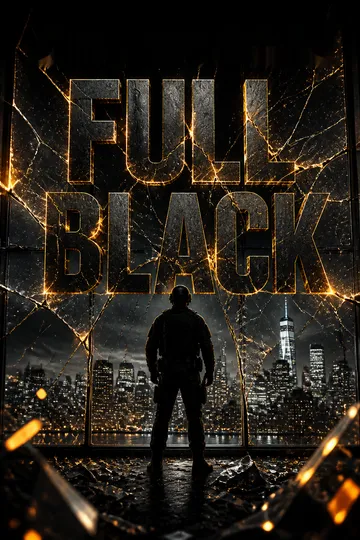
With the network exposed but still dangerous, Harvath and his allies go "Full Black"—operating outside all legal and ethical constraints to neutralize the threat. They orchestrate a global manhunt, targeting cell leaders, financiers, and enablers. The action moves from the boardrooms of Manhattan to the back alleys of Stockholm and the deserts of California. The narrative delves into the psychological toll of such operations, the thin line between justice and vengeance, and the necessity of extraordinary measures in extraordinary times. The final confrontations are brutal, personal, and decisive.
The Dow Conspiracy
The next phase of the enemy's plan targets the heart of the American economy: the corporate headquarters of the Dow Jones Industrial Average companies. Using intelligence gleaned from Ashford and advanced data analysis, Harvath's team uncovers a plot to destroy these symbols of American capitalism, triggering a global financial meltdown. The attacks are foiled at the last minute through a combination of military, law enforcement, and private sector cooperation. The narrative highlights the interconnectedness of modern society and the fragility of the systems that sustain it.
The Final Reckoning
The net closes around James Standing, who is confronted in his Manhattan penthouse by Harvath. In a poetic act of retribution, Standing is forced to face the consequences of his actions, dying in disgrace and infamy. The remaining members of the network are hunted down or neutralized. The survivors—Harvath, Chase, Salomon, and others—struggle to come to terms with the trauma and loss. The narrative reflects on the nature of evil, the price of vigilance, and the resilience of those who stand against the darkness.
Aftermath and Awakening
In the wake of the attacks, America mourns its dead and begins the slow process of healing. The conspirators' plans are exposed to the world, their reputations destroyed, and their assets seized. The Carlton Group and its operatives reflect on the lessons learned: the necessity of eternal vigilance, the dangers of complacency, and the enduring value of freedom. Personal relationships are tested and renewed; old wounds begin to heal. The story ends with a sense of cautious optimism, as the characters—and the nation—prepare for whatever challenges the future may bring.
Analysis
A prescient warning about the fragility of modern societyFull Black is more than a high-octane thriller; it is a meditation on the vulnerabilities—psychological, societal, and systemic—that define the post-9/11 world. Brad Thor weaves together real-world doctrines, contemporary anxieties, and timeless questions about power, loyalty, and the nature of evil. The novel's villains are not cartoonish terrorists, but sophisticated actors exploiting the very freedoms and complexities that make Western society strong. The story interrogates the costs of security, the dangers of complacency, and the moral ambiguities of fighting fire with fire. Through its ensemble cast, Full Black explores the psychological toll of perpetual war, the corrosive effects of betrayal, and the possibility of redemption. The lessons are clear: eternal vigilance is the price of liberty; the greatest threats often come from within; and the line between protector and predator is perilously thin. In an age of "unrestricted warfare," the novel asks whether the values we defend can survive the methods we use to defend them.
Review Summary
Full Black by Brad Thor receives polarized reviews. Supporters praise the fast-paced action, intricate plot, and realistic counterterrorism thriller elements featuring protagonist Scot Harvath. However, many critics condemn the book for its heavy-handed right-wing political agenda, portrayal of liberals and Democrats as un-American, anti-Muslim sentiment, and graphic torture scenes. Several reviewers abandoned the series due to excessive political preaching that overshadows the story. The premise involves a billionaire funding terrorists to collapse America. Fans appreciate the suspenseful storytelling, while detractors find the ideology offensive and the political commentary overwhelming.
People Also Read

Characters
Scot Harvath
Scot Harvath is the novel's central protagonist, a former Navy SEAL turned elite counterterrorism operative for the Carlton Group. Driven by a deep sense of duty and a personal code of honor, Harvath is both a hunter and a protector, willing to cross moral lines to safeguard his country. His psychological landscape is marked by trauma, survivor's guilt, and a longing for connection—his relationships are often casualties of his vocation. Harvath's leadership is tested by betrayal, loss, and the ever-present threat of failure. He is both apex predator and wounded soul, embodying the paradoxes of the modern warrior: ruthless yet compassionate, isolated yet loyal, and always willing to bear the burdens others cannot.
Sean Chase
Sean Chase is a skilled intelligence operative of mixed American and Egyptian heritage, making him uniquely suited for deep-cover assignments within terrorist networks. His ability to blend in is both his greatest asset and a source of inner conflict, as he must constantly navigate questions of loyalty, belonging, and self. Chase's infiltration of the Uppsala cell is a crucible that tests his nerves, adaptability, and moral compass. He is haunted by the violence he witnesses and the duplicity required by his role. Over the course of the novel, Chase evolves from a tool of the system to a self-directed agent, determined to see justice done—even at great personal cost.
Larry Salomon
Larry Salomon is a successful Hollywood producer whose life is shattered by personal tragedy—the murder of his daughter—and professional peril when he becomes the target of a global conspiracy. Salomon's journey is one of grief, guilt, and the search for meaning. His involvement in a documentary exposing financial corruption draws the ire of powerful enemies, forcing him to confront his own vulnerabilities and the limits of his influence. Through his ordeal, Salomon is forced to reevaluate his values, relationships, and purpose, ultimately finding a measure of healing and resolve.
Luke Ralston
Luke Ralston, a former Delta Force operator turned Hollywood technical consultant, is Salomon's loyal friend and bodyguard. Scarred by loss and betrayal—particularly the death of a lover to addiction—Ralston is a man of action who struggles with the emotional aftermath of violence. His military training makes him a formidable adversary, but his true strength lies in his capacity for empathy and sacrifice. Ralston's journey is one of atonement, as he seeks to protect those he cares about and find redemption for past failures.
James Standing
James Standing is the novel's principal antagonist, a billionaire financier with a protean identity and a messianic vision. Born Lev Bronstein, Standing reinvents himself repeatedly, shedding past allegiances and moral constraints. He is a master manipulator, using wealth, ideology, and personal charm to orchestrate a campaign of destruction against the United States. Standing's psychological profile is marked by narcissism, paranoia, and a deep-seated resentment of the world's injustices—real and imagined. He is both ideologue and opportunist, willing to use any means to achieve his ends, and utterly devoid of remorse.
Mustafa Karami
Mustafa Karami is the leader of the Uppsala terrorist cell, a man whose frail physical appearance belies a razor-sharp intellect and ruthless will. Scarred by torture and betrayal, Karami trusts no one, operating with paranoia and precision. He is a true believer in the cause, but also a pragmatist, willing to sacrifice anyone—including himself—for the mission. Karami's psychological armor is his greatest strength and his greatest weakness, as it isolates him from both allies and adversaries. His downfall is precipitated by his inability to adapt to the shifting realities of the network he serves.
Mansoor Aleem
Mansoor Aleem is a young cyber-jihadist, more comfortable behind a keyboard than on the battlefield. Drawn into the network by family ties and a sense of belonging, he is ill-prepared for the violence and duplicity of the real world. Mansoor's psychological journey is one of fear, confusion, and eventual collapse—his interrogation by Harvath exposes the limits of his commitment and the depth of his vulnerability. He is both victim and perpetrator, a symbol of the new face of terrorism: educated, alienated, and easily manipulated.
Robert Ashford
Robert Ashford is a senior MI5 officer who betrays his country for ideology, money, and a sense of superiority. He is a classic narcissist, convinced of his own brilliance and indispensability. Ashford's psychological unraveling is central to the novel's climax: under pressure, he oscillates between denial, bargaining, and eventual capitulation. His relationship with Standing is transactional, built on mutual exploitation and shared contempt for the status quo. Ashford's fate is a cautionary tale about the corrosive effects of cynicism and the dangers of unchecked ambition.
Riley Turner
Riley Turner is a trauma surgeon and covert operative, recruited for her unique combination of medical skill and operational prowess. As a member of the Athena Project, she challenges gender norms and expectations, using her intelligence and empathy to navigate the male-dominated world of special operations. Riley's relationship with Harvath is marked by mutual respect, unspoken attraction, and professional boundaries. She represents the possibility of healing and renewal in a narrative otherwise dominated by destruction and loss.
Nicholas "Moonracer"
Nicholas, known as "Moonracer," is a brilliant hacker and analyst, physically diminutive but intellectually towering. Scarred by a traumatic childhood, he finds purpose and belonging in the Carlton Group, using his skills to unravel the enemy's digital footprint. Nicholas's psychological complexity is reflected in his eccentricities, his loyalty to Harvath, and his relentless pursuit of truth. He is both comic relief and moral compass, reminding the team—and the reader—of the human cost of the war in the shadows.
Plot Devices
Unrestricted Warfare and Compartmentalized Networks
The novel's central plot device is the concept of "unrestricted warfare," a Chinese military doctrine advocating attacks on all aspects of an enemy's society—military, economic, cultural, and psychological. This doctrine is operationalized through a compartmentalized terrorist network, designed to survive decapitation and adapt to countermeasures. The network's structure—cells, cutouts, and layers of plausible deniability—mirrors the complexity of modern threats. The use of real-world intelligence tradecraft (infiltration, interrogation, digital surveillance) grounds the narrative in authenticity, while the constant threat of betrayal and the presence of a mole add layers of suspense and paranoia. The narrative structure is nonlinear, shifting between continents, perspectives, and timelines, using foreshadowing and misdirection to heighten tension. The "color-coded" attacks and the ticking clock of impending catastrophe provide a relentless sense of urgency.
Scot Harvath Series



About the Author

Download PDF
Download EPUB
.epub digital book format is ideal for reading ebooks on phones, tablets, and e-readers.








































