
Plot Summary
Three Traitors in Waiting
Falcio val Mond, Kest, and Brasti—once Greatcoats, now reviled as traitors—serve as bodyguards for Lord Tremondi, hoping for a chance to restore their order's honor. When Tremondi is murdered by a masked assassin, the trio is framed and forced to flee. Their dreams of redemption are dashed, and they become fugitives, hunted by the law and haunted by the memory of their fallen King. The world they once served now despises them, and their only hope lies in unraveling the conspiracy that destroyed their order. The emotional weight of betrayal and loss presses on them, setting the tone for a journey defined by loyalty, regret, and the desperate search for meaning.
Childhood Vows and Loss
Falcio's childhood in the backwater of Pertine is marked by stories of justice and the legendary Greatcoats. His father's absence and his mother's distance leave him yearning for purpose. The tales of King Paelis and the Greatcoats inspire him to take a vow to become one of them, a promise that will define his life. But tragedy strikes when his beloved wife, Aline, is brutally murdered by the Duke's men, shattering his world and fueling his relentless pursuit of justice. This loss becomes the wound that never heals, driving Falcio's every action and coloring his view of the world with sorrow and determination.
Blood on the Road
Fleeing the scene of Tremondi's murder, Falcio, Kest, and Brasti are pursued by city guards and forced into a brutal fight for their lives. Their skills as Greatcoats are tested as they battle overwhelming odds, relying on each other's strengths and quick thinking. The world is unforgiving, and every encounter is a reminder of their fallen status. The trio's camaraderie is both their shield and their burden, as old wounds and unresolved guilt simmer beneath the surface. The violence they face is not just physical but existential, as they struggle to hold onto the ideals that once made them heroes.
The Caravan's Bargain
With no money and nowhere to turn, the trio seeks work as caravan guards. They are forced into a deadly trial to prove their worth, and Falcio's skill is both a blessing and a curse. The caravan's owner, Valiana, is not what she seems, and the journey north is fraught with danger and suspicion. The Greatcoats' reputation precedes them, and every interaction is tinged with mistrust. Yet, amidst the hardship, moments of humor and friendship shine through, offering brief respite from the darkness. The road becomes a crucible, forging new bonds and testing old ones as the group is drawn deeper into a web of intrigue.
Aline's Sorrow
Along the journey, Falcio encounters Aline, a young girl whose family is destroyed by the machinations of the powerful. Her innocence and suffering awaken memories of his own lost Aline, and he becomes determined to protect her. The world's cruelty is laid bare through her eyes, and Falcio's sense of responsibility deepens. Aline's plight is not just a personal tragedy but a symbol of the kingdom's decay. Her resilience in the face of horror inspires Falcio, even as it breaks his heart. The bond between them becomes a source of hope and a reminder of what is at stake.
The Game of Cuffs
The caravan is ambushed by knights seeking to arrest the Greatcoats. Outnumbered and outmatched, Falcio, Kest, and Brasti must fight barehanded, relying on the unique techniques of their order. The battle is as much about proving their worth as it is about staying alive. The line between honor and pragmatism blurs, and the trio is forced to confront the reality of their situation. The fight is brutal, but it also rekindles the spirit of the Greatcoats, reminding them—and those who witness it—of what they once represented. The emotional toll is heavy, but the victory is a small spark in the darkness.
The City of Strife
The caravan arrives in Rijou, a city ruled by intrigue and violence. The Blood Week—a period of lawlessness—looms, and the group is drawn into the deadly politics of the city. Valiana's true identity is called into question, and the lines between friend and foe blur. The city's cruelty is a mirror of the kingdom's rot, and the Greatcoats must navigate a world where justice is a commodity and betrayal is commonplace. The emotional strain of constant danger and moral compromise weighs heavily, pushing each character to their limits.
The False Princess
The conspiracy at the heart of the kingdom is laid bare: Valiana is not the true heir, but a pawn in a greater game. The real daughter of the Duchess has been hidden in plain sight, and the revelation shatters the group's fragile unity. Betrayal cuts deep, and the sense of purpose that has driven Falcio is thrown into chaos. The pain of deception is matched only by the fear of what is to come. The emotional fallout is profound, as each character must confront the lies they have lived and the choices they must now make.
The Blood Week
As the Blood Week descends on Rijou, violence erupts and the city becomes a battleground. Falcio and Aline are hunted, forced to rely on wits and courage to survive. Allies become enemies, and the cost of trust is high. The brutality of the world is on full display, and the Greatcoats' ideals are tested as never before. Sacrifice becomes inevitable, and the line between justice and vengeance blurs. The emotional stakes are at their highest, as hope flickers in the face of overwhelming darkness.
The Tailor's Threads
The enigmatic Tailor, a figure from Falcio's past, emerges as the architect behind much of the unfolding drama. Her knowledge and manipulation of fate guide the characters toward their destinies. She repairs not just coats but spirits, offering guidance and hard truths. The revelation of her connection to the King and her role in shaping the Greatcoats adds depth to the narrative. Her presence is both comforting and unsettling, a reminder that the past is never truly gone and that every thread is part of a larger tapestry.
The Saint of Swords
The group is confronted by the Saint of Swords, an embodiment of martial perfection. Kest, driven by his own demons and the need to prove himself, faces the Saint in a battle that transcends mere skill. The duel is a test of will, identity, and the meaning of greatness. The outcome is both triumphant and tragic, as victory comes at a cost. The emotional resonance of the fight lingers, shaping the characters' understanding of sacrifice and the burdens of legend.
The King's Charoite
The quest for the King's Charoites—long believed to be jewels—culminates in the realization that they are not objects, but people: the King's hidden children, heirs to his ideals. Aline is revealed as the true Charoite, the living embodiment of hope and justice. The revelation reframes the entire journey, transforming loss into legacy. The emotional impact is profound, as Falcio's lifelong quest finds meaning in the next generation. The burden of the past becomes the promise of the future.
The Answer at the Rock
At the Rock of Rijou, Falcio invokes the city's ancient laws, rallying the people to stand against tyranny. The power of words and the memory of justice inspire a collective act of courage. The crowd's decision becomes a turning point, as the Greatcoats' ideals are vindicated not by force, but by the will of the people. The emotional catharsis is overwhelming, as hope is rekindled and the possibility of a better world emerges from the ashes of despair.
Sacrifice and Survival
Falcio faces death, poisoned and broken, but is pulled back by the love and loyalty of his friends. The Tailor's harsh lesson on sacrifice forces him to confront the true cost of heroism. Survival is not just a matter of endurance, but of accepting pain and choosing to fight on. The emotional journey is raw and unflinching, as Falcio learns that true sacrifice is not dying for a cause, but living for it, no matter the cost.
The New Greatcoats
The Tailor's secret army of Greatcoats arrives, turning the tide against the Duke's forces. The dream of justice is reborn, not as a memory, but as a living force. The old and the new come together, forging a path forward. The emotional resonance of redemption and renewal is powerful, as the characters find purpose in unity and the promise of change.
The War Song
The final confrontation is both physical and spiritual, as the Greatcoats lead a charge that echoes the legends of old. The war song they sing is a testament to their resilience and the enduring power of hope. The memory of the King and the sacrifices made along the way infuse the battle with meaning. The emotional climax is bittersweet, as victory is tempered by loss and the knowledge that the fight for justice is never truly over.
The Daughter's Oath
Valiana, stripped of her false identity, takes up the mantle of the Greatcoats, swearing an oath to protect Aline and the ideals of justice. The passing of the torch is both an ending and a beginning, as the next generation steps forward. The emotional weight of the moment is profound, as hope is entrusted to those who have suffered and survived. The future is uncertain, but the promise of the oath endures.
Hope Beyond Despair
In the aftermath of battle and loss, Falcio and his companions find solace in each other and in the knowledge that their struggle has meaning. The world remains broken, but the seeds of change have been planted. The emotional journey comes full circle, as despair gives way to hope, and the dream of justice lives on in those who are willing to fight for it. The story ends not with triumph, but with the quiet determination to keep going, no matter the odds.
Analysis
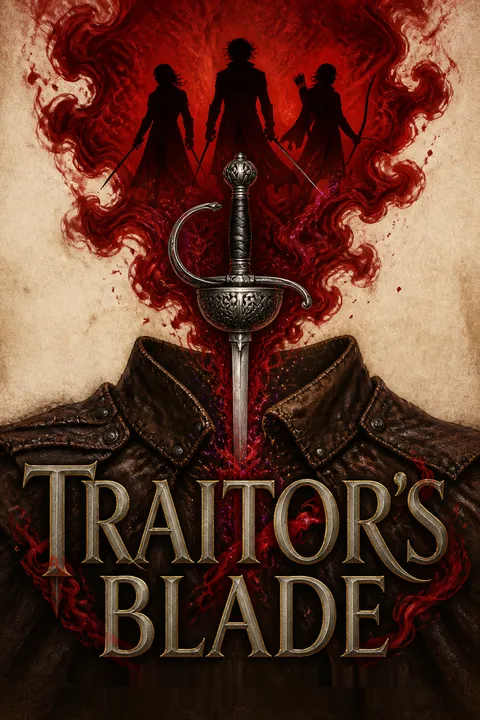
Traitor's Blade is a meditation on justice, loyalty, and the cost of hope in a world corrupted by power. Through the journey of Falcio and his companions, the novel explores the tension between ideals and reality, the pain of loss, and the possibility of redemption. The Greatcoats, once symbols of law and fairness, are reduced to outcasts, forced to confront the world's hatred and their own failures. Yet, it is in their darkest moments that they find the strength to endure, to fight for what matters, and to inspire others. The story's emotional arc is one of descent into despair and the gradual, hard-won ascent toward hope. The revelation that the King's true legacy is not jewels, but people—his children, his ideals—reframes the narrative as one of renewal and the enduring power of choice. The novel's lessons are clear: justice is not a gift, but a struggle; sacrifice is not dying for a cause, but living for it; and hope is not a promise, but a decision. In a world where no man breaks the Rock, the greatest victory is to keep standing, to keep fighting, and to keep believing that a better world is possible.
Review Summary
People Also Read
Characters
Falcio val Mond
Falcio is the heart and conscience of the Greatcoats, driven by a childhood vow to bring justice to a corrupt world. His life is defined by loss—of his wife Aline, his King, and his order. He is fiercely loyal, often to his own detriment, and struggles with guilt, anger, and the burden of leadership. Falcio's relationships with Kest and Brasti are the anchor of his sanity, but he is also deeply affected by the suffering of others, especially Aline, whose pain mirrors his own. His journey is one of self-discovery, as he learns that true sacrifice is not dying for a cause, but living for it, and that hope can be found even in the darkest moments.
Kest Murrowson
Kest is renowned as the greatest swordsman in the world, but his mastery is both a gift and a curse. He is driven by an insatiable need to improve, to test himself against the best, and ultimately to face the Saint of Swords. Kest's stoicism masks deep insecurities and a fear of failure. His friendship with Falcio is the most important relationship in his life, grounding him and giving him purpose. Kest's journey is one of humility, as he learns that greatness is not just about skill, but about compassion and the willingness to stand for others. His transformation into the new Saint of Swords is both a triumph and a burden.
Brasti Goodbow
Brasti is the group's archer and the source of much-needed humor, but beneath his bravado lies a deep well of loyalty and pain. He masks his insecurities with jokes and flirtation, but his commitment to his friends and the ideals of the Greatcoats is unwavering. Brasti's relationship with Falcio and Kest is complex, marked by rivalry, affection, and occasional resentment. He is a survivor, adapting to the world's cruelty with pragmatism, but never losing sight of what matters. Brasti's mentorship of Aline reveals his softer side and his capacity for growth.
Aline Tiarren
Aline is a young girl whose family is destroyed by the machinations of the powerful. Her suffering and resilience become the emotional core of the story, inspiring Falcio and the others to fight for something greater than themselves. Aline's journey from victim to survivor mirrors the kingdom's own struggle for justice. Her true identity as the King's Charoite reframes the entire narrative, making her the living embodiment of hope and the promise of a better future. Her relationship with Falcio is both paternal and redemptive, offering him a chance to heal and find meaning in his pain.
Valiana
Raised as the daughter of a Duchess and groomed to be a puppet queen, Valiana's world is shattered when her true origins are revealed. Her journey is one of self-discovery, as she sheds the lies of her upbringing and chooses her own path. Valiana's decision to take up the mantle of the Greatcoats and swear an oath to protect Aline is a powerful act of agency, transforming her from pawn to protector. Her struggle with guilt, shame, and the need for belonging is deeply human, and her growth is a testament to the power of choice.
The Tailor
The Tailor is a mysterious figure who weaves the threads of fate, guiding the characters toward their destinies. Her wisdom is hard-won, and her methods are often harsh, but her love for the King and her desire to see justice done are genuine. The revelation that she is the King's mother adds a layer of tragedy to her character, as her grief and rage drive her to orchestrate the events of the story. The Tailor's role as mentor, judge, and avenger makes her both a source of comfort and a force of reckoning.
Patriana, Duchess of Hervor
Patriana is the primary antagonist, a woman of immense cunning and ambition. Her willingness to manipulate, betray, and destroy in pursuit of power makes her a formidable foe. Yet, beneath her cruelty lies a twisted form of love—for her daughter, for the kingdom, and for the legacy she seeks to create. Patriana's relationship with Valiana and the revelation of her true daughter's identity are central to the story's emotional impact. Her downfall is both satisfying and tragic, a reminder of the cost of unchecked ambition.
Saint Caveil
The Saint of Swords is the ultimate challenge for Kest, representing the pinnacle of skill and the burden of legend. His presence is both awe-inspiring and terrifying, forcing the characters to confront the limits of their abilities and the meaning of greatness. The duel with Kest is a turning point, marking the passing of the torch and the acceptance of new responsibilities. The Saint's defeat is both a victory and a loss, as it signals the end of an era and the beginning of a new one.
Trin (the Assassin)
Trin is the true daughter of Patriana, raised in secret and trained to be the perfect weapon. Her role as Valiana's servant and eventual betrayer is a devastating twist, shattering the group's trust and sense of purpose. Trin's actions are driven by a lifetime of manipulation and the need to prove herself. Her presence is a constant reminder that the greatest threats often come from within, and that the line between victim and villain is never clear.
King Paelis
King Paelis is the inspiration for the Greatcoats and the architect of the quest for justice. His ideals and sacrifices shape the entire narrative, even after his death. Paelis's relationship with Falcio is deeply personal, marked by mutual respect, disappointment, and love. His legacy is both a burden and a gift, challenging his followers to live up to his vision. The revelation that his true inheritance is not jewels, but people—his children—reframes the story as one of hope and renewal.
Plot Devices
Framing and False Accusation
The story's inciting incident is the murder of Lord Tremondi and the framing of the Greatcoats. This device sets the protagonists on the run, forcing them to confront the world's hatred and their own sense of failure. The false accusation is a recurring motif, reflecting the theme of justice perverted by power. It also serves as a catalyst for character development, as the trio must navigate a world that no longer believes in them.
Hidden Identities and Secret Lineage
The revelation that Valiana is not the true heir, and that Aline is the King's Charoite, is central to the plot. The use of hidden identities creates suspense and drives the narrative, as characters must question their loyalties and sense of self. This device also explores the theme of legacy, as the true inheritance of the King is not material wealth, but the ideals and people he leaves behind.
The Oath and the Coat
The Greatcoat and the oath sworn by its wearer are powerful symbols of identity, loyalty, and justice. The act of donning the coat and swearing an oath is a rite of passage, marking the transition from victim to protector. The coat's many pockets and hidden features are both practical and metaphorical, representing the hidden strengths and burdens each character carries. The oath is a recurring motif, reminding characters of their purpose and the cost of their choices.
The Tailor's Manipulation
The Tailor's role as the architect of events introduces the theme of destiny versus free will. Her ability to anticipate and shape outcomes blurs the line between manipulation and guidance. This device allows for foreshadowing and the gradual revelation of secrets, as well as commentary on the nature of power and the consequences of intervention. The Tailor's presence is both comforting and unsettling, a reminder that every action is part of a larger pattern.
The Duel and the Saint
The use of duels—both literal and metaphorical—serves as a means of testing character and forging identity. The confrontation with the Saint of Swords is the ultimate expression of this device, forcing Kest to confront his limitations and embrace his destiny. The duel is not just a test of skill, but of will, purpose, and the willingness to sacrifice. It is through conflict that characters are transformed, and the world is changed.
The Jury and the Rock
The invocation of ancient laws and the formation of a jury at the Rock of Rijou is a powerful plot device, shifting the focus from individual heroism to collective responsibility. The crowd's decision to stand with Aline and the Greatcoats is a turning point, demonstrating that justice is not the domain of the few, but the right and duty of all. This device reinforces the theme of hope and the possibility of change, even in the face of overwhelming odds.
Greatcoats Series

About the Author

Download PDF
Download EPUB
.epub digital book format is ideal for reading ebooks on phones, tablets, and e-readers.








































