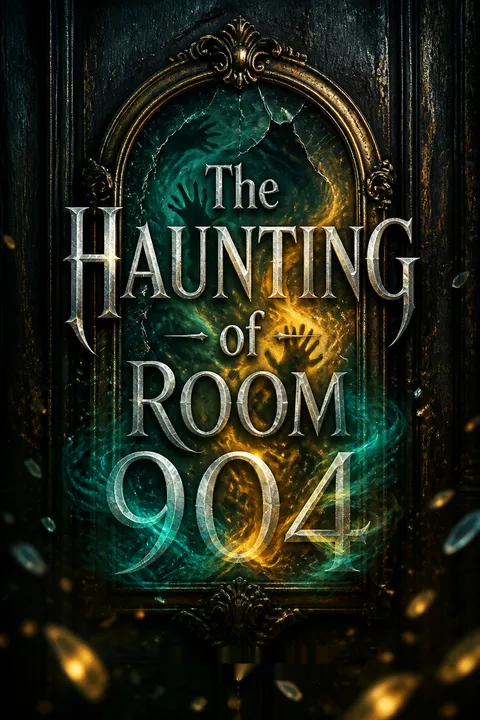

Plot Summary
Dread in Cleo's Apartment
Olivia and Alejandro, paranormal investigators, visit Cleo, who is terrified by a dybbuk box she bought online. The box's presence is oppressive, and Cleo recounts escalating supernatural events—scratches, moaning, and the box reappearing after being discarded. Olivia, a clairvoyant, senses a powerful entity within. Cleo's vulnerability, rooted in family trauma, has made her a target. The group prepares for a ceremony, blending Native and Catholic traditions, to communicate with the spirit. The atmosphere is thick with dread, and Olivia's psychic abilities are both a gift and a risk, as the line between mental illness and true haunting blurs.
The Dybbuk Box Unleashed
During the ceremony, Olivia contacts the entity: Nese, a two-spirit Cheyenne killed in the Sand Creek Massacre. Nese's grief and fury are overwhelming, and the box violently reacts, nearly possessing Cleo. Nese seeks vengeance for ancestral wrongs, targeting Cleo for her ancestor's crimes. Olivia and Alejandro intervene, appealing to Nese's sacred role and offering atonement. Cleo promises to honor the past, and Nese relents, leaving behind a cryptic message: "I will give you the key." The box's lock breaks, revealing a golem, hinting at deeper layers of magic and unresolved trauma.
Ghosts, Grief, and Guilt
Olivia's own grief surfaces as she recalls her sister Naiche's suicide, which awakened her psychic abilities. The boundary between the living and the dead is thin; Naiche's ghost appears in mirrors, her presence both a comfort and a torment. Alejandro supports Olivia, but the pain of loss is ever-present. The narrative explores how trauma, especially in Native families, lingers across generations, shaping identity and vulnerability to supernatural forces. Olivia's work is as much about healing her own wounds as it is about helping others.
The Massacre's Echoes
Flashbacks to the Sand Creek Massacre reveal Nese's life and death, the betrayal of peace, and the slaughter of innocents. The trauma of colonization is not just historical but ongoing, manifesting in haunted objects and cursed bloodlines. Nese's spirit, trapped by violence and ritual, becomes a symbol of unresolved injustice. The narrative draws a direct line from historical atrocities to contemporary hauntings, suggesting that the dead demand acknowledgment and reparation before they can rest.
Escape Room Revelations
Olivia, with friends Victoria and Sara, investigates a gothic escape room plagued by violent phenomena. The legend of Carlenna, a woman who loved a shapeshifter and died tragically, is central. As the group experiences supernatural events, Olivia realizes Carlenna's story is intertwined with the Massacre and the dybbuk box. The escape room becomes a metaphor for being trapped by history and trauma. Carlenna's spirit, like Nese's, seeks release, and Olivia's intervention brings temporary peace but also a warning: a greater evil, the Heávohe, is coming.
Carlenna's Sorrowful Tale
Carlenna, possibly a Cheyenne survivor adopted by a Massacre participant, is revealed as another spirit trapped by the Sacred 36's rituals. Her love and suffering are exploited to create portals and curses. Olivia learns that the cult's power is rooted in appropriated Native ceremonies and the pain of women like Carlenna. The escape room's puzzles echo the need to unlock generational trauma, and Carlenna's message reinforces the interconnectedness of all the haunted cases Olivia faces.
Golems and Jewish Magic
Olivia consults her ex, Sasha, a Jewish scholar, about the golem and dybbuk box. The objects are revealed to be products of Jewish mysticism, repurposed by non-Jews for darker ends. The golem, meant to protect, is twisted to imprison Nese. When activated, it attacks, but Sasha's Hebrew commands subdue it. The blending of Jewish and Native spiritualities highlights the dangers of cultural appropriation and the unpredictable consequences of mixing traditions. The golem's connection to the Massacre and the Sacred 36 deepens the mystery.
Sister in the Mirror
Olivia's investigation into her sister's death leads her to the Brown Palace Hotel, where Naiche died in room 904. The hotel is cursed: every five years, a woman dies in that room, watched over by the ghost of Mrs. Stillwell. Surveillance footage reveals Naiche's final moments, her suicide mirroring the ritual deaths of others. The Sacred 36, a cult descended from the Massacre's perpetrators, orchestrates these events, using Native pain for power. Olivia's guilt intensifies as she uncovers her own family's entanglement in the curse.
The Brown Palace Curse
The Brown Palace's curse is relentless, drawing in women with ancestral ties to the Massacre. Olivia's mother becomes the next target, reappearing in room 904 against her will. The curse is maintained by the Sacred 36's rituals, which exploit the suffering of Native women. Olivia races against time to break the cycle, gathering allies and confronting the cult's leader, Dorian Stillwell. The hotel becomes a battleground between the living, the dead, and the forces that profit from their pain.
The Sacred 36's Secret
The Sacred 36 is revealed as a group of wealthy descendants who use occult rituals to maintain their status. Dorian, both charming and dangerous, manipulates Olivia, seeking to use her power to finally break the curse—or to claim it for himself. The cult's origins lie in the Massacre, with each generation complicit in perpetuating harm. Olivia's investigation uncovers the Handbook of Ceremonies, a grimoire containing the rituals that created the curse. The book is glamoured, its true nature hidden, and only Olivia can unlock it.
Cults, Curses, and Betrayal
As Olivia closes in on the truth, betrayal abounds. Her ex, Josh, stalks and threatens her, eventually planting the murder weapon to frame Alejandro for Naiche's death. Jenny, a racist journalist, fuels public hysteria, inciting mobs and endangering Olivia's life. Even Dorian's motives are suspect, as he admits to orchestrating events to draw Olivia into the cult's web. The narrative explores how systems of power protect themselves, scapegoating the vulnerable and rewriting history to suit their needs.
The Murder Weapon Planted
Alejandro is arrested for Naiche's murder after the dagger is found in his room, thanks to Josh and Jenny's machinations. The media, whipped up by Jenny's blog, turns on Olivia and Alejandro, painting them as dangerous outsiders. The legal system is complicit, more interested in closing the case than seeking truth. Olivia's community rallies around her, but the pressure is immense. The real enemy is not just supernatural, but systemic: racism, misogyny, and the legacy of colonial violence.
Mob Justice and Media Frenzy
As protests and online harassment escalate, Olivia is forced to confront the power of narrative—who gets to tell the story, and whose pain is believed. Jenny's lies spread unchecked, and the police are eager to scapegoat Olivia and Alejandro. Only through the intervention of friends and the exposure of Josh's crimes is Alejandro exonerated. The ordeal leaves Olivia shaken but determined to reclaim her story and fight for justice, both for her family and for the spirits still trapped by the curse.
The Handbook of Ceremonies
With the help of Sasha and Dorian, Olivia finally unlocks the Handbook of Ceremonies, hidden beneath layers of glamour and protected by a golem. The book contains the original ritual that created the curse, a perversion of Jewish and Native prayers designed to funnel power to the Sacred 36. The key, hidden in the golem, is retrieved, and Olivia prepares to perform the ceremony to break the curse. The stakes are high: failure means her mother's death and the perpetuation of generational trauma.
Breaking the Mirror's Spell
Olivia, Alejandro, and her mother gather in room 904 to perform the ritual. The mirror becomes a portal, unleashing the spirits of Mrs. Stillwell, Mammon, and the original 36. Olivia's mother is compelled to reenact the ritual suicide, but Olivia, guided by the spirits of Nese and Carlenna, sings the healing song that can break the curse. The battle is fierce, with supernatural and emotional forces colliding. Olivia's belief in her sister and herself becomes the key to victory.
The True Enemy Revealed
The true antagonist is not just the cult, but Mammon—the demon of greed, summoned by the original 36 to grant them power and immortality. The curse is rooted in the exploitation of Native suffering, and only by acknowledging this history and choosing healing over vengeance can the cycle be broken. Olivia's song, learned from Nese and Carlenna, channels the power of ancestral love and resistance, overwhelming Mammon and dissolving the curse's hold on the living and the dead.
The Song of Healing
With the curse broken, the spirits are freed, and the mirror shatters. Olivia's mother survives, and Naiche's spirit is finally at peace. The community gathers to celebrate, and Olivia reflects on the lessons learned: the importance of honoring the past, the dangers of unchecked power, and the necessity of collective healing. Dorian and the other descendants begin the work of atonement, supporting Native-led initiatives for justice. Olivia, though forever changed, finds hope in the possibility of a future unburdened by the sins of the past.
Analysis
A modern ghost story about history's gripThe Haunting of Room 904 is a powerful meditation on the ways historical violence, especially against Indigenous people, continues to shape the present. By literalizing generational trauma as a supernatural curse, Erika T. Wurth forces readers to confront the reality that the past is never truly past—it lives on in bodies, families, and institutions. The novel critiques the appropriation of Native and Jewish spiritualities by the powerful, showing how rituals meant for healing can be twisted into tools of oppression. At its heart, the story is about the necessity of truth-telling, atonement, and collective healing. Olivia's journey from guilt and isolation to agency and community models a path forward: one that honors the dead, confronts injustice, and chooses love over vengeance. The book also interrogates the power of narrative—who gets to tell the story, and whose pain is recognized. In a world where media and cults alike can weaponize history, The Haunting of Room 904 insists that only by facing the full truth, and singing the song of healing together, can we break the cycles that bind us.
Review Summary
People Also Read








Characters
Olivia Becente
Olivia is a clairvoyant, Indigenous woman whose psychic abilities were awakened by her sister Naiche's suicide. Driven by guilt and a need for justice, she becomes a paranormal investigator, blending Native, Catholic, and psychological traditions. Olivia's relationships—with her mother, Alejandro, and her community—are shaped by trauma and resilience. She is both vulnerable and fierce, struggling to balance skepticism with belief. Her journey is one of self-forgiveness, learning to trust her gifts, and confronting the legacy of colonial violence. Olivia's development is marked by increasing agency, as she moves from reactive grief to proactive healing, ultimately breaking the curse that has haunted her family and community.
Alejandro Garcia
Alejandro is Olivia's best friend, assistant, and chosen family. A gay, Mexican-Black man living with HIV, he is both comic relief and emotional anchor. Alejandro's strength masks deep wounds—he, too, has lost loved ones and carries survivor's guilt. His relationship with Olivia is intimate but platonic, rooted in shared trauma and mutual support. Alejandro's role in Naiche's final night is a source of tension, as he withheld the truth to protect Olivia. His arc is one of redemption, as he faces false accusations, endures public vilification, and ultimately reclaims his place as Olivia's steadfast ally.
Naiche Becente
Naiche's suicide is the inciting trauma that shapes the entire narrative. Sensitive, artistic, and haunted, she is both victim and unwilling participant in the Sacred 36's rituals. Her ghost lingers, appearing in mirrors and dreams, urging Olivia to seek the truth. Naiche's pain is emblematic of generational trauma, addiction, and the burden of being "the one who feels too much." Her relationship with Olivia is fraught with love, resentment, and longing for validation. In death, Naiche becomes a guide, helping Olivia find the song that will break the curse and bring peace to both sisters.
Dorian Stillwell
Dorian is the descendant of the original Sacred 36 and the enigmatic leader of the current cult. Handsome, intelligent, and seductive, he draws Olivia into the web of the curse, both as ally and adversary. Dorian's motives are ambiguous—he seeks to end the curse but is also tempted by the power it offers. His guilt over his ancestors' crimes is genuine, but his methods are often self-serving. Dorian's relationship with Olivia is complex, blending attraction, rivalry, and shared trauma. Ultimately, he aids in breaking the curse, but his complicity in perpetuating harm cannot be fully absolved.
Cleo
Cleo is the first client in the novel, whose purchase of the dybbuk box sets the plot in motion. Her family's connection to the Massacre makes her vulnerable to Nese's vengeance. Cleo's arc is one of awakening—she moves from denial to acceptance, taking responsibility for her ancestor's actions and seeking atonement. Her willingness to apologize and make reparations models the kind of accountability the novel advocates.
Sasha Teyf
Sasha is Olivia's ex-boyfriend and a rabbi-turned-paranormal expert. His knowledge of Jewish mysticism is crucial in deciphering the golem, dybbuk box, and the perverted rituals of the Sacred 36. Sasha's relationship with Olivia is affectionate but platonic, marked by mutual respect and unresolved attraction. He represents the dangers and possibilities of cross-cultural magic, warning against appropriation while offering tools for healing. Sasha's arc is one of intellectual humility, as he learns to trust Olivia's intuition and the power of Indigenous ceremony.
Mrs. Luella Stillwell
Mrs. Stillwell is the original "haunt" of room 904, whose rituals and ambitions created the portal that traps women's souls. A product of privilege and colonial violence, she appropriates Native and Jewish magic to secure power and immortality. Her spirit is both pitiable and monstrous, feeding on the pain of others. Mrs. Stillwell's relationship to Dorian is that of ancestor and cautionary tale; to Olivia, she is the embodiment of the dangers of unchecked greed and the refusal to reckon with history.
Nese
Nese is a Cheyenne two-spirit whose murder at Sand Creek anchors the novel's supernatural plot. Trapped in the dybbuk box, Nese's rage and sorrow are both a curse and a call for justice. As a sacred person, Nese bridges the worlds of the living and the dead, guiding Olivia toward the song that can heal generational wounds. Nese's arc is one of transformation—from vengeful ghost to teacher and liberator.
Carlenna
Carlenna is a Cheyenne woman adopted by a Massacre participant, whose suffering is exploited by the Sacred 36 to create the portal in room 904. Her love story, appropriated and twisted by the cult, becomes a metaphor for the theft of Native agency. Carlenna's spirit, like Nese's, seeks release and justice. She aids Olivia in understanding the true nature of the curse and the necessity of collective healing.
Jenny Kunza
Jenny is a journalist whose vendetta against Olivia fuels public hysteria and endangers lives. Her racism, ambition, and willingness to fabricate evidence make her a formidable foe. Jenny's manipulation of narrative power highlights the dangers of media bias and the ease with which public opinion can be weaponized against marginalized people. Her arc is one of escalation, as her lies spiral out of control, ultimately leading to her downfall.
Plot Devices
Intergenerational Trauma and Haunting
The novel's central device is the literalization of generational trauma: the violence of the Sand Creek Massacre and its aftermath become a curse that haunts descendants, both Native and white. Haunted objects (dybbuk box, golem, mirror, book) serve as vessels for unresolved pain, demanding acknowledgment and atonement. The curse is cyclical, repeating every five years, and can only be broken by confronting the truth and choosing healing over vengeance.
Blending of Magical Traditions
The Sacred 36's appropriation of Native and Jewish ceremonies is both a source of power and a cause of chaos. The golem, dybbuk box, and Handbook of Ceremonies are products of this syncretism, their true nature hidden by glamours and protective spells. Olivia's ability to navigate multiple traditions—Native, Catholic, Jewish—makes her uniquely suited to unravel the curse, but also places her at risk of being consumed by forces she cannot fully control.
Mirrors and Portals
Mirrors recur as symbols of self-examination, trauma, and the thin boundary between life and death. Room 904's mirror is both a literal and metaphorical portal, trapping the spirits of women sacrificed by the cult. The act of looking into the mirror forces characters to confront their own complicity, guilt, and longing for connection. The shattering of the mirror at the novel's climax represents the breaking of the curse and the possibility of new beginnings.
False Accusation and Media Manipulation
Jenny's campaign against Olivia and Alejandro demonstrates how easily truth can be distorted by those in power. The media frenzy, mob justice, and legal scapegoating mirror the historical scapegoating of Native people. The plot device of the planted murder weapon and doctored evidence raises questions about who controls the story, and whose pain is believed or dismissed.
Ritual Structure and Foreshadowing
The novel is structured around a series of rituals—both failed and successful—that foreshadow the final confrontation. Each haunted object, each ceremony, brings Olivia closer to understanding the true nature of the curse. The repetition of cycles (five-year deaths, recurring hauntings) builds tension and underscores the need for a decisive break with the past. Foreshadowing is used to hint at betrayals, hidden motives, and the ultimate necessity of collective action.
Download PDF
Download EPUB
.epub digital book format is ideal for reading ebooks on phones, tablets, and e-readers.








































