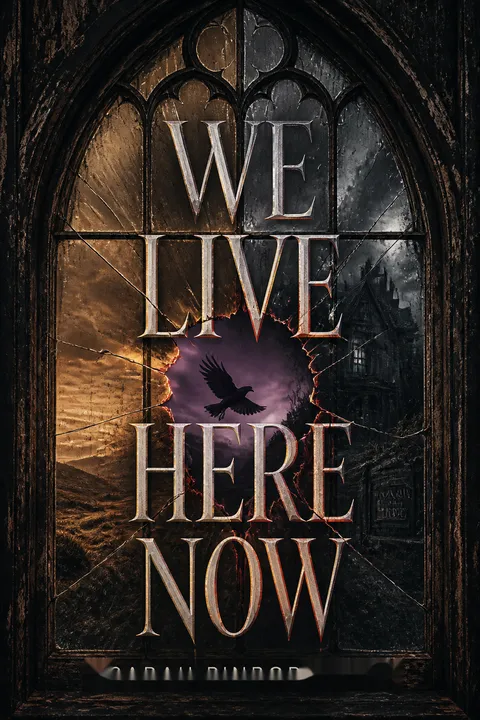

Plot Summary
Arrival at Larkin Lodge
Emily and Freddie, battered by trauma and secrets, arrive at the isolated Larkin Lodge, hoping for healing after Emily's near-fatal accident and job loss. The house, perched on a moor and shrouded in mist, feels both promising and ominous. Emily, still physically and emotionally fragile, senses the house's cold indifference, while Freddie masks his own guilt and anxiety. Their banter is laced with unease, and the house's imposing presence hints at a history that refuses to be forgotten. As they cross the threshold, the air is thick with both hope and foreboding, setting the stage for a story where the past and present will collide.
Shadows and Secrets Unpacked
As Emily explores the sprawling, shadowy rooms, she's unsettled by the house's oppressive atmosphere and unused spaces. Freddie, meanwhile, is consumed by guilt over secrets he's keeping from Emily—financial troubles and a sense of entrapment. The couple's interactions are strained, their attempts at normalcy undermined by the house's cold drafts and creaking floors. Emily's physical pain and emotional vulnerability are mirrored by the house's neglected corners, while Freddie's internal turmoil simmers beneath his attempts to be supportive. The house seems to judge them, amplifying their insecurities and hinting at deeper, hidden dangers.
The House Watches
The narrative widens to include the perspective of a raven, a silent observer perched outside Larkin Lodge. The bird's mate has died within the house, and he is both drawn to and repelled by the building's aura of danger. The raven's watchfulness becomes a symbol of the house's own sentience—its ability to witness, remember, and perhaps even influence the lives within. As the seasons turn, the arrival of new inhabitants stirs the house's dormant energies, and the raven's unease foreshadows the return of life—and trouble—to Larkin Lodge.
Ghosts of the Past
Emily is plagued by vivid nightmares of her accident and the guilt she carries from her past actions, including a secret infidelity and a lost pregnancy. The house seems to amplify her anxieties, blurring the line between memory and haunting. Freddie, too, is haunted—by his own role in Emily's fall and by the mounting consequences of his gambling addiction. Their marriage, already fragile, is further strained by the house's oppressive atmosphere and the secrets they keep from each other. The past refuses to stay buried, and the house becomes a crucible for their unresolved pain.
Nightmares and Nails
A series of unsettling events—strange noises, a trapped raven, and a mysterious nail that injures Emily—heighten the sense of unease. Emily's fear of infection and death resurfaces, echoing her recent brush with mortality. The house's inexplicable phenomena—sooty footprints, slamming doors, and shifting drafts—begin to erode her trust in her own senses. Freddie, meanwhile, sees Emily's distress as both a threat and an opportunity, hoping her instability will buy him time to fix his own mess. The house's malevolence becomes more tangible, feeding on their vulnerabilities.
The Raven's Warning
The raven's presence becomes increasingly symbolic, its caws and movements paralleling the house's own warnings. Emily's encounter with the dead and living ravens blurs the boundary between the natural and supernatural, suggesting that the house is a nexus for unresolved grief and unfinished business. The raven's watchfulness, coupled with Emily's growing paranoia, signals that the house is not merely a backdrop but an active participant in their unraveling. The motif of the crossroads—where the house stands—emerges as a place of both possibility and peril.
Friends and Fractures
The arrival of Emily and Freddie's friends for a belated Christmas gathering brings both comfort and conflict. The group's dynamics—old loyalties, hidden resentments, and unspoken desires—mirror the fractures in Emily and Freddie's marriage. Conversations about love, change, and deception reveal that everyone is hiding something. The house, with its creaks and chills, becomes a catalyst for confessions and confrontations. A Ouija board session, meant as a lark, unleashes a chilling message—"Find it"—that unsettles everyone and hints at a deeper mystery within the house.
The Ouija's Message
The Ouija board session, led by Emily and her friend Iso, produces inexplicable results: the planchette moves on its own, spelling out urgent, cryptic messages. The group is divided between skepticism and fear, but Emily is deeply shaken. The house's history as a crossroads for the damned is revealed by the local vicar, adding a layer of gothic horror. The message "Find it" becomes an obsession for Emily, who is now convinced that the house is haunted by more than just memories. The supernatural and psychological threads intertwine, tightening the narrative's suspense.
Crossroads and Consequences
Emily's research into the house's past uncovers a pattern of tragedy and disappearance. The house's location on a crossroads—once a burial ground for suicides—suggests a legacy of restless spirits. Encounters with former residents, including the enigmatic Sally and Joe, hint at unresolved crimes and hidden bodies. Emily's own investigation becomes a quest to solve the house's mystery, even as her grip on reality weakens. The house's hunger for secrets and suffering becomes increasingly apparent, and Emily realizes that escaping its grasp will require confronting both her own and the house's darkest truths.
The Locked Room Mystery
Emily discovers a hidden journal from the house's original owner, revealing that the third-floor room possesses a supernatural ability: it can bring the dead back to life, but only the "best" parts of them. The unwanted, darker aspects of a person are left behind, trapped in the room as a kind of ghost or echo. This revelation reframes the house's hauntings—not as the work of traditional spirits, but as the lingering remnants of people who were split by the room's power. The message "Find it" is revealed to be a plea for release from this liminal state.
Marriage and Masks
The theme of duality—public versus private selves, best versus worst parts—comes to the fore. Emily and Freddie's marriage is exposed as a web of mutual deception, with each partner hiding betrayals, addictions, and resentments. The house, with its power to split souls, becomes a metaphor for the masks people wear in relationships. The narrative explores whether true intimacy is possible when everyone is hiding something, and whether it is better to be whole and flawed or to live as a curated version of oneself. The house's influence amplifies these questions, pushing the couple toward a reckoning.
The House's Hunger
As Emily and Freddie's secrets come to light—her infidelity, his gambling, and ultimately, his violence—the house's hunger for suffering and division is sated. Freddie, in a fit of rage and betrayal, stabs Emily, only to panic and hide her body in the third-floor room. Emily is resurrected, but changed; the worst parts of her are left behind, trapped with Freddie's own darkness. The house's supernatural mechanism is both a curse and a perverse form of justice, ensuring that no one escapes unscathed. The cycle of trauma and renewal is set to repeat with the next inhabitants.
The Ledger's Secret
The hidden ledger details the house's rules: to reunite the split soul, one must burn personal items in the room, but doing so restores both the good and bad. Emily uses this knowledge to free another trapped soul—Sally—who was murdered by her husband Joe. The act of setting Sally free is both an act of compassion and a warning: the house's power is real, and its consequences are lasting. The ledger becomes a symbol of forbidden knowledge, offering both hope and danger to those who seek to use the house's magic.
The Split Soul
The narrative splits between the "best" versions of Emily and Freddie—who move on, seemingly healed and happy—and their "worst" halves, trapped in the house's third-floor room. The split is both literal and metaphorical, exploring the idea that we are all made up of conflicting impulses and that true wholeness is elusive. The house becomes a prison for the unwanted parts of its residents, feeding on their regrets and resentments. The story asks whether it is possible to be truly free of one's past, or whether we are always haunted by what we leave behind.
Blackmail and Betrayal
In the wake of their financial ruin, Emily blackmails her friend Mark after discovering his affair with Cat, using the money to secure her own future. Freddie, meanwhile, contemplates murder as a solution to his debts, rationalizing his actions as necessary for survival. The house's influence is evident in the characters' willingness to betray their own values and loved ones. The narrative explores the corrosive effects of desperation and the ease with which ordinary people can become complicit in evil. The house is both a catalyst and a mirror for these choices.
The Best of Us
The "best" versions of Emily and Freddie, now free of their worst impulses, leave Larkin Lodge behind and start a new life, expecting a child and dreaming of happiness. Yet their happiness is haunted by the knowledge that it was purchased at a terrible cost—the sacrifice of their own darker selves. The house, now empty, waits for its next victims, its hunger undiminished. The story ends with a sense of uneasy peace, as the cycle of hope and horror is poised to begin again.
The Worst of Us
The "worst" halves of Emily and Freddie, along with the raven and other echoes, are left behind in the third-floor room, condemned to watch the lives they can never reclaim. Their bitterness and rage fester, and they plot to influence the next inhabitants, hoping for release or revenge. The house is revealed as a kind of purgatory, a place where the unwanted parts of people are stored and recycled. The narrative closes on a note of dark irony: marriage is teamwork, but in Larkin Lodge, teamwork means mutual destruction.
Escape or Entrapment
As new owners arrive, the house's cycle of division and entrapment is set to repeat. The trapped souls plot to make themselves known, hoping to be freed or to ensnare others in their place. The story ends with the chilling realization that the house is not just a setting, but a living entity—one that feeds on secrets, suffering, and the eternal struggle between our best and worst selves.
Analysis
Sarah Pinborough's We Live Here Now is a masterful blend of psychological thriller, gothic horror, and domestic drama, using the haunted house as both a literal and metaphorical device to explore the complexities of marriage, identity, and the human psyche. The novel's central conceit—the house's power to split souls and resurrect only the "best" parts—serves as a powerful metaphor for the masks we wear and the parts of ourselves we wish to suppress or deny. Through its shifting perspectives, unreliable narration, and intricate plot, the book interrogates the nature of truth, the cost of self-deception, and the dangers of unresolved trauma. The characters' struggles with guilt, betrayal, and the longing for redemption are mirrored and magnified by the house's supernatural influence, creating a narrative that is both suspenseful and deeply psychological. Ultimately, the novel suggests that true wholeness is elusive, and that the attempt to escape or excise one's darkness can lead to even greater fragmentation. The house's cyclical hunger for secrets and suffering serves as a cautionary tale about the perils of repression and the necessity of confronting one's own shadow. In a modern context, the story resonates as an allegory for the ways in which personal and collective histories shape—and haunt—our present lives, and the importance of honesty, forgiveness, and self-acceptance in breaking destructive cycles.
Review Summary
We Live Here Now is a gothic thriller about a couple who move to a creepy country house after the wife's near-fatal accident. Readers praised the atmospheric writing, unique plot twists, and compelling suspense. However, some found the pacing slow and the characters unlikeable. The book explores themes of haunted houses, marital secrets, and unreliable narrators. While opinions varied, many readers found it an engrossing and unpredictable read, with a satisfying and shocking conclusion that left them thinking long after finishing.
People Also Read

Characters
Emily Bennett
Emily is the protagonist, a woman recovering from a traumatic accident, a lost pregnancy, and the collapse of her career. Her marriage to Freddie is strained by mutual secrets—her infidelity, his gambling—and by the psychological scars of her near-death experience. Emily is introspective, sensitive, and determined, but also prone to guilt and self-doubt. The house amplifies her anxieties, eventually splitting her into her "best" and "worst" selves. Her journey is one of self-discovery, as she confronts the darkness within and without, ultimately choosing to sacrifice her own wholeness for a chance at happiness.
Freddie Bennett
Freddie is Emily's husband, outwardly supportive but inwardly consumed by guilt, addiction, and resentment. His inability to cope with Emily's trauma and his own failures leads him to gamble away their savings and, ultimately, to violence. Freddie's psychological arc is one of increasing desperation, as he rationalizes his betrayals and contemplates murder as a solution to his problems. The house exposes and magnifies his weaknesses, splitting him into a "best" self that is loving and devoted, and a "worst" self that is cowardly and cruel. His fate is a cautionary tale about the dangers of self-deception.
The House (Larkin Lodge)
Larkin Lodge is more than a setting—it is a character in its own right. Built on a crossroads, it is a place of unresolved deaths and restless spirits. The house possesses a supernatural power: its third-floor room can resurrect the dead, but only by splitting them into their best and worst halves. The house feeds on secrets, suffering, and division, drawing in couples with unresolved issues and amplifying their flaws. It is both a prison and a mirror, reflecting the darkness within its inhabitants and ensuring that no one escapes unchanged.
The Raven
The raven is both a literal bird and a symbol of the house's watchfulness and the persistence of grief. Having lost his mate within the house, the raven becomes a silent witness to the unfolding drama, his presence paralleling the human characters' struggles with loss and longing. The raven's story echoes the themes of love, guilt, and the difficulty of letting go. In the end, the raven's mate is resurrected, mirroring the house's power and the possibility of renewal, but also the dangers of refusing to move on.
Sally Freemantle / Carter
Sally is a former resident of Larkin Lodge, whose jealousy and insecurity led to her murder by her husband, Joe. Resurrected by the house's power, Sally is split into two: the loving, adoring wife who continues her life, and the jealous, vengeful spirit trapped in the house. Her story is a warning about the dangers of unchecked emotion and the house's ability to exploit human weakness. Sally's eventual reunion with her lost half is both a liberation and a threat, as she vows to seek justice for her own death.
Joe Carter
Joe is Sally's husband, a talented and seductive artist whose inability to handle conflict leads to tragedy. His murder of Sally is both an act of desperation and a reflection of his own selfishness. Like other characters, Joe is split by the house's power, continuing his life with a sanitized version of Sally while remaining oblivious to the consequences of his actions. Joe's arc explores the limits of charm and the dangers of avoiding responsibility.
Mark
Mark is part of Emily and Freddie's social circle, outwardly successful but morally compromised. His affair with Cat and subsequent blackmail by Emily reveal the fragility of appearances and the ease with which trust can be broken. Mark's willingness to pay for silence underscores the theme of transactional relationships and the corrosive effects of secrets.
Cat
Cat is Emily's longtime friend, married to Russell but engaged in an affair with Mark. Her actions are driven by a longing for validation and excitement, but they ultimately contribute to the unraveling of the group's relationships. Cat's duplicity is both a symptom and a cause of the group's collective malaise, highlighting the difficulty of maintaining authenticity in the face of social pressure.
Iso
Iso is the life of the party, outwardly confident and carefree but privately insecure about her marriage and her place in the group. Her struggles with alcohol and her fear of abandonment mirror the larger themes of the novel: the gap between appearance and reality, and the ways in which people cope with pain.
Paul (The Vicar)
Paul is the local vicar, a source of wisdom and stability amid the chaos of Larkin Lodge. His knowledge of the house's history and his concern for Emily's well-being position him as both a confidant and a potential threat to those hiding secrets. Paul's presence underscores the tension between faith and skepticism, and the limits of compassion in the face of evil.
Plot Devices
The Haunted House as Character
Larkin Lodge is not just a setting but a manipulative entity that draws in troubled couples, amplifies their flaws, and feeds on their suffering. Its supernatural power—the ability to split souls and resurrect only the "best" parts—serves as both a literal and metaphorical device, exploring themes of duality, repression, and the cost of self-deception. The house's influence is felt through foreshadowing and symbolism (creaks, drafts, animal omens), narrative structure (alternating perspectives, unreliable narration), and the cyclical nature of its hauntings.
The Split Soul Mechanism
The central supernatural device is the third-floor room's ability to bring the dead back to life, but only by dividing them into their best and worst halves. This mechanism is revealed through a hidden ledger, historical flashbacks, and the experiences of multiple characters. The device serves as a metaphor for the masks people wear and the parts of themselves they wish to suppress. It also drives the plot, as characters seek to exploit, escape, or reverse the process, with varying degrees of success.
Unreliable Narration and Memory
The novel employs shifting perspectives, dream sequences, and memory gaps to create ambiguity about what is real and what is imagined. Emily's post-sepsis syndrome, Freddie's psychological decline, and the house's supernatural influence all contribute to a sense of unreliability. This device heightens suspense, blurs the line between psychological and supernatural horror, and invites readers to question the nature of truth and identity.
Foreshadowing and Symbolism
The raven serves as both a literal character and a symbol of death, loss, and the house's watchfulness. The crossroads on which the house is built foreshadow the themes of choice, fate, and the intersection of past and present. Recurring motifs—nails, windows, mirrors, and the phrase "You will die here"—reinforce the sense of inevitability and the cyclical nature of the house's curse.
Social Satire and Domestic Drama
The novel uses the haunted house trope to satirize the institution of marriage and the lies people tell to maintain appearances. The interplay between domestic realism (financial troubles, infidelity, friendship dynamics) and gothic horror (hauntings, resurrection, soul-splitting) creates a rich, layered narrative that is both emotionally resonant and thematically complex.
About the Author
Other books by Sarah Pinborough

Download PDF
Download EPUB
.epub digital book format is ideal for reading ebooks on phones, tablets, and e-readers.








































