
Plot Summary
Shattered and Reborn
Cora Glass awakens from a nightmare of falling and shattering, only to realize she's been remade by the mysterious, eldritch Harrow Faire. Her chronic pain is gone, replaced by uncanny flexibility and a sense of belonging to something vast and inhuman. The Faire, a sentient, predatory circus, has claimed her as its new Contortionist. She's both terrified and fascinated, struggling to accept her new reality and the strange, symbiotic relationship she now shares with the Faire and its Family of supernatural performers. The sense of loss and transformation is profound—Cora is no longer who she was, but she's not sure what she's become.
The Family Welcomes
As Cora explores her new home, she's introduced to the other members of the Family—each with their own supernatural role and tragic backstory. The Clown, mute but expressive, becomes her first friend, guiding her gently through the surreal world of the Faire. She's drawn into the complex web of relationships, rivalries, and traditions that bind the Family together. The sense of community is both comforting and claustrophobic; Cora is welcomed, but also watched, as everyone waits to see how she'll fit into the delicate balance of power and pain that sustains the Faire.
Strings and Shadows
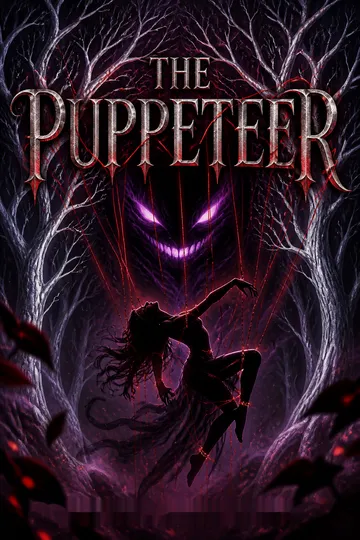
Simon Waite, the Puppeteer, is both Cora's sponsor and her tormentor. He's cruel, magnetic, and deeply broken, his heart literally cast into his own shadow. Their relationship is a volatile mix of attraction, fear, and mutual need. Simon's strings—both literal and metaphorical—bind Cora to him, but she refuses to be his puppet. Their power struggle is as much about emotional survival as it is about physical dominance, and Cora's refusal to submit only deepens Simon's obsession. The shadowy, supernatural elements of the Faire mirror the psychological shadows within them both.
Claiming the Stage
With Simon's guidance—equal parts sadistic and supportive—Cora steps onto her stage for the first time. The act of performing is both terrifying and exhilarating, awakening a sense of purpose and power she's never known. The stage becomes a crucible where Cora's old fears and new abilities collide, forging her into the Unbreakable Contortionist. The performance is not just for the audience, but for herself and the Family, marking her true initiation into the world of the Faire. The experience is transformative, but also foreshadows the deeper, darker changes yet to come.
Tension and Temptation
The sexual tension between Cora and Simon reaches a fever pitch, complicated by Cora's trauma and Simon's predatory need. Their encounters are a dance of dominance and surrender, pain and pleasure, trust and betrayal. Cora's struggle to reclaim agency over her own body and desires is mirrored by Simon's battle with his own fractured psyche. Their connection is both healing and destructive, offering the possibility of redemption but always threatening to tip into violence or madness. The line between love and obsession blurs, and both are left questioning what they truly want from each other.
The Devil's Embrace
Cora and Simon finally give in to their mutual need, but on Cora's terms. She takes control, forcing Simon to submit and proving to herself that she can reclaim her sexuality from past trauma. The encounter is raw, cathartic, and transformative for them both. Simon, used to being the predator, finds unexpected solace in surrender, while Cora discovers strength in vulnerability. Their bond deepens, but so does the danger—Simon's madness is never far away, and the shadows of the Faire are always watching, hungry for more than just seity.
Dreamscapes and Divides
Cora's dreams become battlegrounds where she encounters Simon's shadow—a separate, yearning aspect of his soul. The shadow is both more tender and more desperate than Simon himself, revealing the depth of his loneliness and the cost of his self-imposed isolation. Cora is drawn to both halves, recognizing that true intimacy means accepting the darkness as well as the light. The dream encounters blur the boundaries between reality and fantasy, foreshadowing the deeper merging of identities and destinies that the Faire demands.
The Party and the Plate
The Family throws a party to welcome Cora, but the festivities quickly devolve into a public showdown between her and Simon. When Simon tries to assert his dominance, Cora smashes a plate over his head, earning the respect of the Family and asserting her independence. The moment is both comic and cathartic, signaling a shift in the power dynamics of the Faire. Cora's refusal to be owned or controlled becomes a rallying point for others, and her place in the Family is cemented—not as a victim, but as a force to be reckoned with.
The Contortionist's Debut
Cora's first official performance is a triumph, both artistically and personally. She discovers a joy in her abilities and a sense of belonging she's never known. The act is not just entertainment—it's a ritual that feeds the Faire and binds her more deeply to its supernatural hunger. The applause of the Family is genuine, but beneath it lies the ever-present threat of the Faire's insatiable appetite. Cora's pride is tempered by the knowledge that her new life is sustained by the consumption of others' seity, and that her own soul is now part of the bargain.
Fire and Fracture
Simon's fragile sanity shatters under the weight of his feelings for Cora and the ghosts of his past. He relives the trauma of losing Suzanna, the woman he loved before the Faire claimed him, and the moment he became the Puppeteer. Cora is forced to confront the reality of Simon's madness and the danger it poses—not just to her, but to everyone. Their love is both a lifeline and a liability, threatening to destroy them even as it offers the hope of healing. The chapter ends with Simon lost in a rift of memory and pain, and Cora left to pick up the pieces.
The Unbreakable Bond
Despite the chaos and violence, Cora and Simon find a way back to each other. They share moments of tenderness and humor, building a relationship that is as much about survival as it is about passion. The Family watches with a mix of skepticism and hope, recognizing that the bond between Contortionist and Puppeteer could change the balance of power within the Faire. Cora's willingness to accept Simon's darkness—and his to accept her strength—creates a partnership that is both unorthodox and unbreakable. Together, they face the challenges of the Faire and the threats that loom on the horizon.
Death at the Faire
The death of Ludwig, the Strongman, shakes the Family to its core. His passing is both a tragedy and a release, marking the end of an era and the beginning of a new cycle. The funeral is a celebration of life as much as a mourning of death, and Cora is forced to confront the reality of mortality—even in a place where death is never truly the end. The role of Clown as the keeper of death becomes central, and the question of what happens when death itself dies is raised. The chapter is a meditation on grief, memory, and the meaning of legacy.
The Strongman's Farewell
The Family gathers to honor Ludwig, sharing stories and laughter as well as tears. The ritual of remembrance becomes a way for Cora to understand her place in the Family and the importance of connection. The sense of community is deepened, but so is the awareness of the fragility of their existence. The loss of Ludwig is a reminder that even immortals are not immune to change, and that every ending is also a beginning. Cora's reflections on her own journey mirror the collective grief and hope of the Family.
The Weight of Grief
In the aftermath of Ludwig's death, Cora struggles with feelings of isolation and uncertainty. The routines of the Faire offer some comfort, but the absence of Simon—lost in his own madness—leaves her adrift. She seeks solace in friendships with other Family members and in the simple pleasures of performance and companionship. The chapter explores the challenges of adapting to a new life, the importance of finding meaning in the face of loss, and the slow process of healing. Cora's resilience is tested, but she refuses to give in to despair.
Madness and Memory
Simon's mental fractures reach a breaking point, triggered by memories of his lost love and the weight of his own guilt. Cora is drawn into his madness, both in dreams and in waking life, forced to confront the full extent of his pain and the darkness that haunts him. Their relationship is pushed to the brink, but Cora's refusal to abandon Simon becomes a turning point. She chooses to stay, to fight for him and for herself, even when it means risking everything. The chapter is a testament to the power of love and the courage required to face the shadows within.
The Keeper's Gift
Clown reveals his true nature to Cora, speaking for the first time and explaining the necessity of death within the world of the Faire. He chooses Cora as his successor, passing on the mantle of death and the power to end suffering. The transfer is both a blessing and a curse, leaving Cora with new responsibilities and a deeper connection to the Faire's supernatural forces. Clown's death is both peaceful and profound, marking the end of an era and the beginning of a new chapter in the life of the Faire. Cora is left to grapple with the implications of her new role.
The New Death
Cora's absorption of Clown's gift triggers a series of visions and a profound transformation. She experiences the memories and consciousness of previous deaths, becoming a conduit for the cycle of endings and beginnings. The process is terrifying and overwhelming, but also empowering. Cora emerges changed, with a new understanding of her place in the world and the responsibilities she now bears. The Family is shaken by the loss of Clown and the emergence of a new Death, and the balance of power within the Faire shifts once again.
The Faire's Hunger
As Cora comes to terms with her new powers, she realizes that the Faire itself is alive, hungry, and evolving. The boundaries between individual and collective, life and death, self and other, begin to blur. The Faire's hunger for seity is insatiable, and Cora's role as both Contortionist and Death places her at the center of its designs. The story ends on a note of uncertainty and anticipation, as Cora and Simon—bound by love, pain, and the supernatural forces of the Faire—prepare to face whatever comes next. The cycle of endings and beginnings continues, and the true cost of belonging is yet to be revealed.
Analysis
Kathryn Ann Kingsley's The Clown is a dark, sensual, and psychologically rich exploration of transformation, trauma, and the search for belonging. At its heart, the novel is about the cost of survival—what we are willing to sacrifice, and what we risk losing, in order to find purpose and connection. The sentient, predatory Harrow Faire serves as both setting and metaphor, embodying the hunger for meaning that drives its characters and the dangers of surrendering individuality to collective need. Through the volatile, deeply human relationship between Cora and Simon, the story interrogates the boundaries between love and obsession, dominance and surrender, healing and harm. The inheritance of death, the cycle of endings and beginnings, and the ever-present threat of madness and loss are woven into a narrative that is as much about psychological integration as it is about supernatural horror. Ultimately, The Clown suggests that true belonging requires both the acceptance of darkness and the courage to change—that to be unbreakable is not to be invulnerable, but to be willing to face the shadows within and without, and to find meaning in the dance between life and death.
Review Summary
The Clown, the third book in the Harrow Faire series, focuses on Cora and Simon's developing romance while introducing the mysterious Clown character. Readers praised the intense chemistry, Simon's complex characterization as a possessive yet vulnerable anti-hero, and the author's handling of sensitive topics like trauma and consent. Many appreciated Cora's strength and the steamy scenes. Some critics felt the plot moved slowly, with too much focus on romance over worldbuilding, repetitive dialogue, and insufficient character development. The ending's cliffhanger left readers eager for the next installment despite mixed opinions on pacing.
People Also Read
Characters
Cora Glass
Cora is a young woman whose chronic pain and sense of alienation are erased when she's claimed by Harrow Faire as its new Contortionist. Her journey is one of transformation—from victim to survivor, from outsider to central figure in a supernatural family. Cora's resilience, wit, and refusal to be controlled define her relationships, especially with Simon, whose darkness both attracts and challenges her. She is haunted by past trauma but determined to reclaim agency over her body and fate. As she inherits the mantle of Death, Cora becomes both a symbol of change and a vessel for the Faire's evolving hunger, embodying the tension between individuality and collective destiny.
Simon Waite (The Puppeteer)
Simon is the Faire's Puppeteer, a man whose heart is literally cast into his own shadow. He is cruel, charismatic, and deeply fractured, his sadism masking a profound loneliness and fear of vulnerability. Simon's obsession with Cora is both predatory and redemptive; she becomes the one person who can reach the remnants of his humanity. His relationship with his shadow self reveals the cost of self-denial and the dangers of unchecked power. Simon's development is a study in the struggle between love and madness, dominance and surrender, and the possibility of healing through genuine connection.
Clown
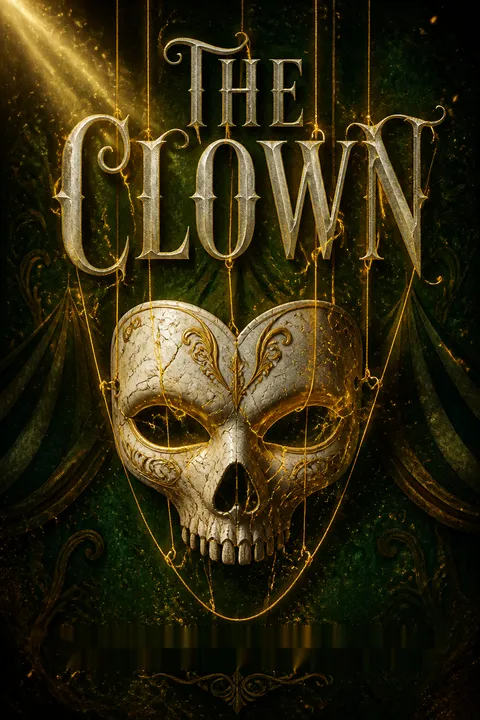
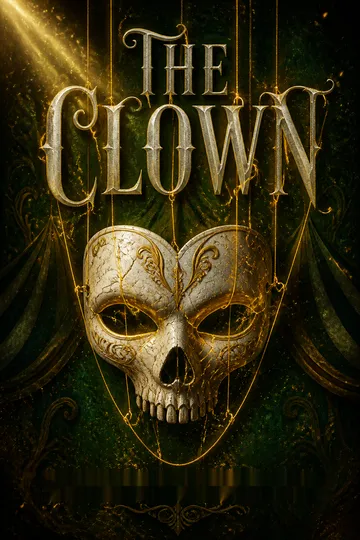
Clown is the mute, skull-faced harbinger of death within the Faire, embodying both the end of life and the promise of renewal. His silence masks a deep wisdom and empathy, and he becomes Cora's first true friend in the Family. Clown's decision to pass his mantle to Cora is both an act of trust and a recognition of her unique potential. His death is a turning point for the Faire, forcing the Family to confront the necessity of change and the inevitability of endings. Clown's legacy is one of acceptance, transformation, and the bittersweet beauty of letting go.
Turk (The Ringmaster)
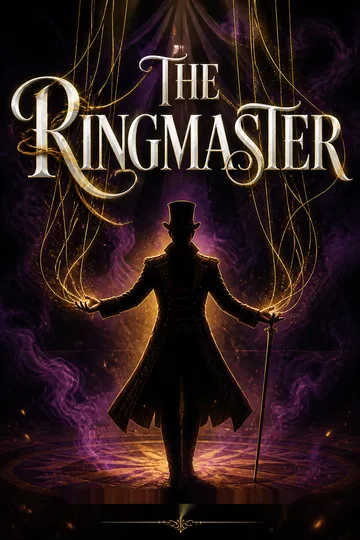
Turk is the Ringmaster, responsible for maintaining order and balance within the Family. He is both protector and enforcer, respected for his strength and wisdom but also burdened by the weight of leadership. Turk's relationship with Cora is paternal, guiding her through the rituals and responsibilities of the Faire. He is wary of Simon's influence and the dangers of unchecked power, but ultimately recognizes the need for change. Turk's role is to mediate between the old ways and the new, ensuring the survival of the Family in a world that is always shifting.
Amanda (The Aerialist)
Amanda is one of the first Family members to befriend Cora, offering kindness and encouragement as she navigates her new life. As the Aerialist, Amanda embodies grace, freedom, and the possibility of joy even in captivity. Her friendship provides Cora with a sense of belonging and a reminder that happiness is possible, even in the strangest of circumstances. Amanda's presence is a counterbalance to the darkness of the Faire, representing the resilience of the human spirit.
Aaron (The Barker)
Aaron is the Barker, responsible for drawing in the crowds and reading the marks. His irreverent humor and shameless flirtation provide levity in the midst of the Faire's darkness. Though often inappropriate, Aaron's loyalty and genuine affection for Cora make him a valuable friend. He represents the adaptability and resourcefulness required to survive in the Faire, as well as the importance of laughter in the face of fear.
Jack (The Rigger)
Jack is the Rigger, responsible for the technical aspects of the Faire's performances. He is practical, reliable, and quietly protective of Cora, offering her a sense of stability amid chaos. Jack's skepticism about Simon's intentions and his concern for Cora's well-being highlight the dangers of unchecked power and the need for community. He serves as a grounding influence, reminding Cora of the value of friendship and trust.
Ludwig (The Strongman)
Ludwig is the Strongman, beloved by the Family for his kindness and empathy. His decline and eventual death serve as a powerful reminder of the costs of immortality and the inevitability of change. Ludwig's willingness to sponsor and shelter others ultimately leads to his undoing, but his legacy is one of compassion and selflessness. His funeral becomes a moment of collective mourning and celebration, reinforcing the importance of memory and connection.
Clown's Shadow (Simon's Shadow)
Simon's shadow is both a literal and metaphorical aspect of his psyche, embodying the parts of himself he has cast away in order to survive. The shadow is more tender, vulnerable, and desperate for love than Simon himself, revealing the depth of his loneliness and the cost of self-denial. The interactions between Cora and the shadow highlight the complexities of identity, the dangers of repression, and the possibility of integration and healing.
Harrow Faire (The Sentient Circus)
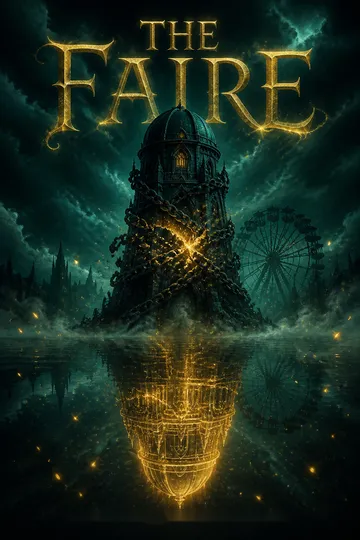
The Faire itself is a living, hungry force, feeding on the seity of both patrons and performers. It is both a prison and a sanctuary, offering power and purpose at the cost of freedom and individuality. The Faire's evolving hunger and its selection of Cora as both Contortionist and Death signal a shift in its own nature, reflecting the broader themes of change, adaptation, and the cyclical nature of life and death. The Faire is both antagonist and catalyst, driving the characters toward transformation and forcing them to confront the true cost of belonging.
Plot Devices
The Sentient Circus
Harrow Faire is not just a setting but a character in its own right—a sentient, supernatural entity that feeds on the seity (life essence) of both its performers and its audience. The Faire's hunger drives the plot, shaping the destinies of the Family and demanding constant change and sacrifice. Its ability to adapt, evolve, and select new members ensures that the cycle of endings and beginnings is perpetual. The Faire's influence is both nurturing and destructive, offering power and purpose at the cost of freedom and individuality.
Duality and Shadow Selves
The motif of duality runs throughout the narrative, most notably in Simon's relationship with his shadow self. The division between light and dark, self and other, is explored through dreams, performances, and psychological struggles. The process of integrating the shadow—accepting the parts of oneself that are feared or denied—is central to both Simon's and Cora's development. The blurring of boundaries between reality and fantasy, self and collective, underscores the complexity of identity and the dangers of repression.
Power, Agency, and Consent
The tension between dominance and submission, agency and victimhood, is a recurring theme. Cora's journey is one of reclaiming power over her own body and fate, while Simon's is about surrendering control and accepting vulnerability. The negotiation of boundaries—both sexual and emotional—is fraught with danger and possibility. The importance of consent, trust, and mutual respect is highlighted in their evolving relationship, offering a counterpoint to the predatory dynamics of the Faire.
Ritual, Performance, and Transformation
The acts performed by the Family are not just entertainment but rituals that feed the Faire and transform the performers. The stage becomes a site of both danger and possibility, where old identities are shed and new ones are forged. The process of performance is both literal and metaphorical, reflecting the characters' struggles to adapt, survive, and find meaning in a world that is always shifting.
Death, Legacy, and the Cycle of Endings
The inevitability of death—even in a world of immortals—is a central plot device. The passing of roles, the inheritance of powers, and the rituals of mourning and remembrance all serve to reinforce the cyclical nature of existence. The death of Clown and the transfer of his mantle to Cora mark a turning point, forcing the Family to confront the necessity of change and the dangers of stagnation. The question of what happens when death itself dies becomes a metaphor for the broader themes of transformation and renewal.
Foreshadowing and Prophecy
The narrative is laced with foreshadowing—through dreams, fortune-telling, and the cryptic warnings of characters like Clown and the Soothsayer. The sense that something larger and more dangerous is awakening within the Faire creates an atmosphere of suspense and inevitability. The story ends with the promise of further upheaval, as the cycle of endings and beginnings continues and the true cost of belonging is yet to be revealed.
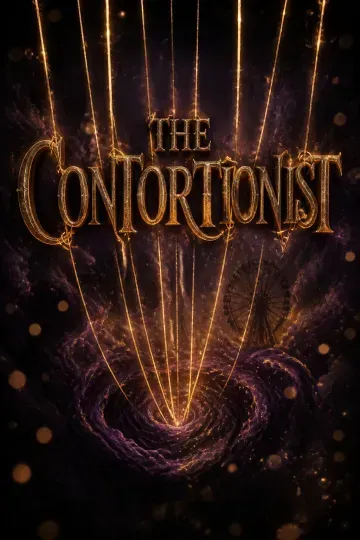
Harrow Faire Series
About the Author
Other books by Kathryn Ann Kingsley

Download PDF
Download EPUB
.epub digital book format is ideal for reading ebooks on phones, tablets, and e-readers.








































