
Plot Summary
Shattered on the Mountain
Leah's world is upended during a climbing trip in Yosemite with her boyfriend James. A sudden rockfall kills James and leaves Leah gravely injured, stranded, and alone in the wilderness. Her struggle for survival is raw and desperate, marked by pain, shock, and the slow, dawning horror of her situation. The beauty of the mountains becomes a backdrop for her grief and determination, as she claws her way toward water and shelter, haunted by loss and the knowledge that no one will come for days. The chapter sets the emotional stakes: love, loss, and the will to live.
Lost in the Wild
Leah's ordeal continues as she battles dehydration, infection, and the elements. Her mind drifts between memories of James and the present, her body failing as fever and sepsis set in. Just as she's about to succumb, she hears voices—strange, musical, and not quite human. Three fae men find her, and in her delirium, she bargains for help. The world shifts: language, perception, and reality blur as Leah is carried away, crossing the threshold from death into something otherworldly.
Fae in the Forest
Leah wakes healed in a lavish, unfamiliar room, her injuries gone. She meets Susan, a human servant, and learns she's in Faery, saved by a bargain with the fae. The rules are strange: debts, bargains, and the danger of words. Leah is told she's the soulmate of Dain, the crown prince—a monster known as the Beast of Phazikai. The chapter explores Leah's confusion, anger, and the first hints of the complex politics and magic of Faery.
Bargains and Boundaries
Leah learns that soulmates in Faery are not always lovers—they can be enemies, rivals, or anything in between. Dain is infamous, feared, and possibly hoping Leah will be the one to end him. Leah's own agency is tested: she's not a prisoner, but she's not free. The rules of Faery—never thank, never apologize, never say "please"—become survival tools. Leah's sharp wit and stubbornness clash with Dain's coldness, setting the stage for a relationship defined by challenge and reluctant fascination.
The Beast Revealed
Leah meets Dain without his glamor: a creature of scales, fur, horns, and claws, more animal than man. Their first real confrontation is a battle of wills, anger, and unexpected empathy. Dain is both terrifying and vulnerable, shaped by a lifetime of rejection and violence. Leah's refusal to be cowed, and her insistence on seeing the person beneath the monster, begin to unravel Dain's defenses. The soulmate bond is a double-edged sword, binding them in ways neither fully understands.
Court of Thorns
Leah is introduced to the Queen, Dain's mother, whose beauty masks cruelty and ambition. The court is a nest of vipers, and Leah must navigate its dangers with only her wits and the uncertain protection of Dain. The Queen's disdain for her son is matched only by her interest in Leah's potential to change the balance of power. Leah's outsider status is both a shield and a target, as she's drawn into games she barely comprehends.
Roses and Rivalries
Dain and Leah's relationship deepens through shared moments—gardens, riding, and the slow revelation of scars both physical and emotional. Dain's reputation isolates him, but Leah's refusal to treat him as a monster begins to shift the court's perception. Their bargain—companionship in exchange for Dain's effort to unlearn a lifetime of self-loathing—becomes a lifeline for both. The threat of violence is never far, but so is the possibility of something gentler.
Skulls and Survival
Assassins target Leah, and Dain responds with brutal efficiency, leaving skulls as warnings. Leah is forced to confront the reality of Dain's world: violence is currency, and mercy is rare. The trauma of her past and the dangers of her present collide, but so do moments of comfort and understanding. Leah's humanity—her grief, her resilience, her refusal to be broken—becomes her greatest strength.
Unlikely Alliances
Leah finds allies in Kamharida, her new human helper, and in Dain's friends Zhiolas and Alluin. Through banter, shared stories, and even drinking games, Leah carves out a place for herself. Dain's walls begin to crumble, and the court starts to see him not just as a beast, but as a leader. The chapter is a respite, a celebration of found family and the healing power of laughter.
The Queen's Game
The Queen's machinations escalate, using Leah and Dain as pawns in her quest for power and vengeance. Leah is caught between her growing feelings for Dain and the knowledge that she may be a weapon forged to destroy him. The court's politics become deadly, and the line between ally and enemy blurs. Leah's choices—and her refusal to be used—set the stage for a confrontation that will determine the fate of Stag Court.
Swords, Sorcery, and Secrets
Dain's prowess as a warrior and his mastery of glamor are revealed in the fighting courts. Leah witnesses the cost of violence, the scars it leaves, and the strength required to choose a different path. Their relationship is tested by jealousy, desire, and the ever-present threat of betrayal. The secrets at the heart of Dain's identity—his parentage, his power, his pain—begin to surface, demanding reckoning.
The Soulmate Dilemma
Leah and Dain's bond deepens, but so does the fear of what it means. To choose each other is to choose eternity—and to leave behind everything else. Leah's grief for James, her longing for home, and her growing love for Dain become a crucible. Dain's vulnerability, his desperate hope, and his terror of rejection are laid bare. The question is no longer whether they can love each other, but whether they dare.
Blood and Betrayal
A new attempt on Leah's life nearly succeeds, revealing the Queen's willingness to use blood magic and command geas to destroy her son. Leah is drugged, violated, and nearly turned into a weapon against Dain. The trauma is profound, but so is Dain's care as he nurses her back to herself. Together, they unravel the plot, discovering the depth of the Queen's obsession and the lengths she will go to for vengeance.
The Price of Mercy
The would-be assassins are brought before the court, and Dain is forced to choose between vengeance and mercy. Leah's insistence on justice over revenge becomes a turning point, challenging Dain to become the man she believes he can be. The Queen's manipulation is exposed, but the threat of war looms. The chapter is a meditation on power, forgiveness, and the courage to break the cycle of violence.
War at the Gates
The Queen unleashes an army of the dead, using blood magic to destroy a city and march on the Antlered Palace. Leah, as Regent, rallies the court and the armies, forging alliances and using every resource at her disposal. Dain becomes the vanguard, wielding the power of his divine heritage. The battle is brutal, the cost immense, and the Queen's final gambit is revealed: a choice between love and the survival of Stag Court.
The Third Choice
Faced with an impossible choice—let the Queen kill Leah or destroy the palace—Leah forges a third path. She kills the Queen with her iron crown, breaking the blood magic and saving Dain, herself, and the court. The act is both an ending and a beginning, a rejection of the old cycle of pain and the birth of something new. Dain's true form is revealed, and Leah chooses him, not in spite of his monstrosity, but because of it.
Moonlit Reunion
In the aftermath of war, Leah and Dain find peace in each other. The court is rebuilt, the dead are mourned, and the wounds of the past begin to heal. Dain's vulnerability is met with Leah's unwavering love, and together they claim their place as King and Queen. The soulmate bond is no longer a chain, but a choice—one made freely, joyfully, and with the knowledge of all that has been risked and lost.
Orchids and Homecoming
Leah and Dain journey to the mountains, to the orchids and hot springs that symbolize their love and the life they have built together. The final chapter is a homecoming—not just to Faery, but to Earth, as Leah reunites with her family, bringing Dain with her. The story ends with the promise of new beginnings, the healing of old wounds, and the knowledge that there is always a third choice: to love, to hope, and to build a life together.
Analysis
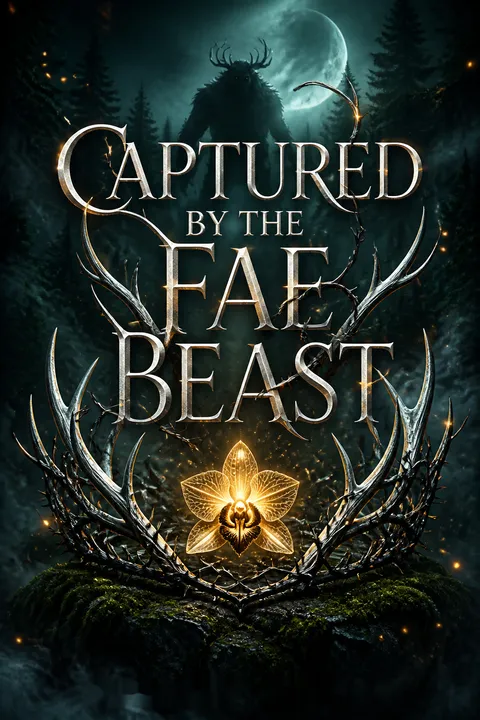
"Captured by the Fae Beast" is a lush, emotionally charged fantasy romance that interrogates the nature of love, trauma, and transformation. At its core, the novel is about the power of choice: the choice to survive, to forgive, to love, and to break free from cycles of pain. Leah's journey from grief-stricken survivor to fae queen is a testament to resilience and the healing power of connection. Dain's arc—from monster to man, from feared prince to beloved king—is a meditation on vulnerability, redemption, and the courage to hope. The story subverts traditional soulmate tropes, insisting that love is not fate, but a daily act of courage and compassion. The fae world, with its dangerous bargains and rigid rules, becomes a metaphor for the ways we are all bound by trauma, expectation, and fear—and the possibility of forging a new path, a third choice, through empathy and agency. Ultimately, the novel is a celebration of found family, the beauty of difference, and the belief that even in the darkest of worlds, love can be both anchor and wings.
Review Summary
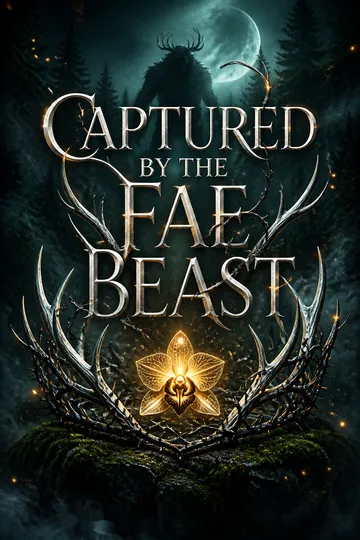
Captured by the Fae Beast by Mallory Dunlin receives mixed reviews (3.87/5). Readers praise the MMC Dain as a compelling, flawed character with genuine emotional depth. However, many criticize the FMC Leah for being annoying, overly talkative, and morally inconsistent. Common complaints include: excessive length and pacing issues, too much internal monologue, lack of dual POV, the FMC's quick recovery from trauma, and problematic elements including pro-military themes and racial stereotypes. Some readers loved the slow-burn romance and emotional maturity, while others found the chemistry lacking and the plot meandering.
People Also Read
Characters
Leah Escarra
Leah is the heart of the story—a woman forged by trauma, loss, and the relentless will to live. Her journey from grief-stricken climber to fae princess is marked by stubbornness, humor, and a refusal to be defined by others' expectations. Leah's psychological depth is rooted in her ability to hold pain and hope in tension, to grieve without being consumed, and to love fiercely even when afraid. Her relationship with Dain is a dance of boundaries and vulnerability, and her greatest strength is her insistence on agency, compassion, and the possibility of a third choice.
Dain Sundamar
Dain is the Beast of Phazikai, a fae prince marked by monstrosity, violence, and a lifetime of rejection. His physical form—scales, fur, horns, claws—mirrors the scars of his soul. Dain's psychological complexity lies in his oscillation between rage and tenderness, self-loathing and hope. He is shaped by a mother's cruelty, a court's fear, and the burden of power. Yet beneath the armor is a man desperate to be seen, to be loved, and to become worthy of it. Leah's acceptance and challenge become his salvation, and his journey is one of unlearning pain and embracing vulnerability.
The Queen (Nephinae Ronelis)
The Queen is both antagonist and tragic figure—a woman betrayed by gods, denied the child she longed for, and twisted by centuries of pain. Her relationship with Dain is defined by projection and cruelty; she cannot see him as anything but a living rebuke. Her psychological unraveling is the engine of the story's central conflict, as she manipulates, commands, and ultimately destroys herself in her quest for revenge. The Queen's complexity lies in her capacity for both love and hate, and her inability to break free from the cycle of suffering.
Kamharida
Kamharida is Leah's human helper, a mother separated from her children by death and fae bargains. She offers Leah comfort, perspective, and the wisdom of someone who has learned to live with grief. Kamharida's role is that of mentor and friend, guiding Leah through the labyrinth of Faery and reminding her that resilience and mourning can coexist. Her presence is a reminder of the cost of survival and the power of chosen family.
Zhiolas Ulahana
Zhiolas is Dain's friend and a commander in the army, known for his beauty, wit, and the allure geas that makes him dangerously attractive. Beneath the charm is a man who has loved and lost, who fears rejection, and who finds solace in friendship and laughter. Zhiolas's relationship with Dain and Alluin is a model of found family, and his arc is one of learning to accept love and offer it in return.
Alluin Xilsatra
Alluin is the General of the First Army, Dain's friend, and a man defined by loyalty and responsibility. He is the voice of reason, the steady hand in crisis, and the one who holds the line when others falter. Alluin's psychological depth is found in his quiet grief, his unspoken love for Zhiolas, and his willingness to sacrifice for the greater good. His friendship with Leah and Dain is a source of strength for all three.
Susan Carter
Susan is a human servant who helps Leah navigate the rules and dangers of Faery. Her own story—saved from death by the fae, now living in service—mirrors Leah's, but with a different outcome. Susan's pragmatism, caution, and longing for connection make her both a warning and a comfort. She is a reminder of the bargains that shape Faery, and the cost of survival.
Lady Gweyir Rynsandoral
Gweyir is a marchioness on the border of Stag Court and the Court of Mercy, a woman who values peace and understanding. Her willingness to believe in Dain's change, and her role in facilitating diplomacy, make her a key ally. Gweyir's presence is a counterpoint to the Queen's vengeance, embodying the possibility of reconciliation and the power of empathy.
Axily and Ciradyl
Axily and Ciradyl are palace guards who become unwitting pawns in the Queen's plot. Their loyalty to Dain is absolute, but they are forced to betray him and Leah through command geas. Their psychological torment—guilt, confusion, and the struggle to reclaim agency—mirrors the larger themes of the story: the cost of power, the pain of betrayal, and the possibility of forgiveness.
James
James is Leah's boyfriend, whose death sets the story in motion. His presence lingers as grief, memory, and the standard by which Leah measures love and loss. James's role is that of the beloved ghost, the reminder of what has been lost and what might still be found.
Plot Devices
Fae Bargains and Debt
The narrative is structured around the rules of Faery: never thank, never apologize, never say "please." Every promise, every debt, every bargain has weight, shaping relationships and destinies. The soulmate bond is both a magical and psychological device, forcing characters to confront their desires, fears, and the consequences of their choices. The story uses bargains to explore agency, consent, and the power of language.
Soulmate Bond as Mirror and Catalyst
The soulmate bond is not a guarantee of love, but a crucible in which characters are tested. It amplifies emotions, reveals truths, and forces Leah and Dain to confront the parts of themselves they would rather hide. The bond is a source of both comfort and terror, a mirror that shows not just what is, but what could be. It is used to explore themes of destiny, choice, and the possibility of change.
Duality and Transformation
Dain's dual nature—fae and divine, beast and prince—is mirrored in the structure of the story. The narrative uses transformation, both literal and metaphorical, to explore the tension between who we are and who we can become. The Queen's obsession with vengeance, Leah's journey from grief to love, and the court's evolution from fear to acceptance all reflect the central question: can we choose who we become?
Foreshadowing and Repetition
The story is rich with foreshadowing: the opening tragedy, the repeated threats of violence, the Queen's warnings, and the ever-present possibility of a third choice. Repetition—of bargains, of trauma, of hope—serves to highlight the cycles that bind the characters, and the courage required to break them. The narrative structure itself is a spiral, returning to themes and questions until they are finally resolved.
Found Family and Chosen Bonds
Leah's journey is not just about romance, but about building a new family in a strange world. The friendships with Kamharida, Zhiolas, and Alluin, the alliances with humans and fae alike, and the eventual reconciliation with her own family on Earth all serve to underscore the story's central message: love is not just destiny, but a choice made every day.
Monsters of Faery Series
About the Author
Download PDF
Download EPUB
.epub digital book format is ideal for reading ebooks on phones, tablets, and e-readers.








































