
Plot Summary
Falling Into Darkness
Cora's journey begins with a literal and metaphorical fall—plunging into darkness, impaled and unable to die, trapped in agony. This sets the tone for her transformation: she is no longer the woman she was, but something caught between life and death, humanity and monstrosity. The pain is not just physical but existential, as she realizes her actions—destroying her abuser, Duncan—were driven by hatred, not love. This self-awareness haunts her, even as she is comforted by the enigmatic presence of Lazarus, the spirit of Harrow Faire. The chapter establishes the central conflict: Cora's struggle with her own darkness, the burden of power, and the question of what it means to be human in a world where monsters are real and the lines between good and evil are blurred.
The Weight of Hatred
Haunted by her actions, Cora wanders the rain-soaked Faire, wrestling with the realization that her capacity for violence is rooted in hate. Her relationship with Simon, the Puppeteer, is both a source of comfort and a mirror for her own darkness. The Family, a collection of supernatural circus performers, is fractured by secrets and old wounds. Cora's bond with Lazarus deepens, as he reveals the existential hunger of Harrow Faire and the necessity of sacrifice. The chapter explores the seductive nature of power and the ease with which love and hate become intertwined, setting the stage for the coming conflict with Ringmaster, who holds the Key to the Faire's heart.
The Family Divides
The fragile peace of the Family shatters as Ringmaster, driven by his own code and fear of Cora's growing power, orchestrates the capture of Cora and Simon. Soothsayer warns Cora that trust and unity are their only hope, but the Family's tribalism and suspicion run deep. The trial that should offer justice is denied; instead, Cora and Simon are condemned without a chance to speak. The Family's divisions are laid bare, and the sense of belonging Cora craves is replaced by isolation and betrayal. The emotional stakes rise as love, loyalty, and survival are pitted against one another.
The Tower's Judgment
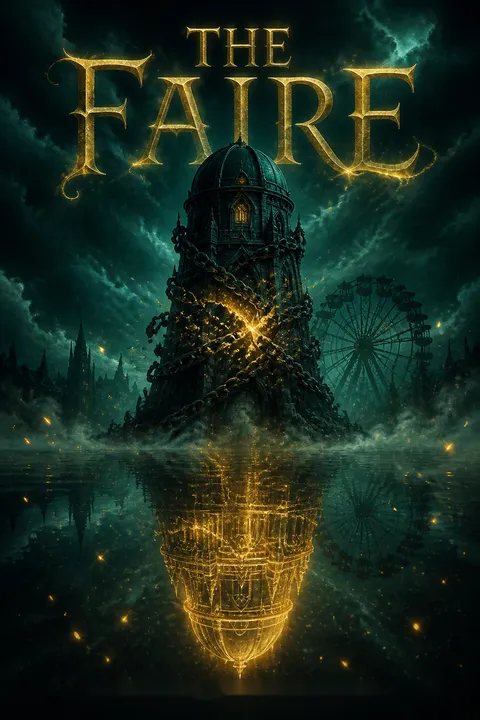
Cora and Simon are cast into the observation tower, a place of punishment where Ringmaster's power is absolute. Simon is strung up by his ankles, reliving old traumas, while Cora is chained and impaled on a monstrous statue in the inverted heart of the tower. Their suffering is both physical and psychological, as they are forced to confront their own helplessness and the limits of their love. The tower becomes a crucible, burning away illusions and forcing each to reckon with the consequences of their choices. The chapter is a meditation on pain, endurance, and the cost of survival.
Chains and Shadows
As Cora cycles between agony and unconsciousness, she is comforted by Lazarus, who shares stories of the Family and the nature of power. Simon, tormented by his own shadow—literally a separate, sentient part of himself—realizes the depth of his love for Cora and the futility of his rage. In a moment of desperate need, Simon's shadow sacrifices itself to free Cora from her torment, burning itself out in the process. This act of love and self-destruction leaves both Cora and Simon changed: she is freed but haunted by loss, and he is left without the emotional crutch that has defined him for over a century.
The Inverted Heart
With Simon incapacitated and the doors locked, Cora faces a choice: remain trapped and watch Simon suffer, or accept a deeper bond with Harrow Faire, risking her own identity. She chooses sacrifice, allowing the Faire to rewrite part of her, gaining the power to match Ringmaster. This transformation is both terrifying and liberating, as Cora becomes something new—part human, part eldritch entity. She rescues Simon, and together they confront the reality of what she has become. The chapter explores the price of power, the fear of losing oneself, and the hope that love can survive even the most profound changes.
Sacrifice and Betrayal
Cora and Simon's return to the Family is met with fear and suspicion. Cora's new power is undeniable, and her demand for a vote on the Faire's fate forces everyone to choose sides. Ringmaster, desperate and cornered, seeks alliances and contemplates further betrayal. Simon, ever the pragmatist, proposes a dark bargain with Ringmaster: in exchange for his own survival, he will betray Cora. The stage is set for a final confrontation, as love, loyalty, and ambition collide. The emotional tension is heightened by the knowledge that not everyone will survive what is to come.
The Monster Within
As the Family debates their future, Cora grapples with the changes wrought by her bond with Harrow Faire. She is both more and less than human, feared by those she once called friends. Her relationship with Simon is tested by his inability to fully reciprocate her love and by his own internal conflicts. The chapter delves into the nature of monstrosity, the longing for acceptance, and the pain of being othered. Cora's resolve is strengthened by her commitment to give the Family a choice, even as she fears what that choice will mean for her own soul.
The Vote for Survival
The long-awaited vote is held, with each member forced to confront their own desires, fears, and loyalties. The process is fraught with emotion, as old wounds are reopened and new alliances are forged. Cora's plea for agency and honesty resonates with some, while others cling to Ringmaster's vision of noble sacrifice. The vote is close, but ultimately Cora prevails. The victory is bittersweet, as it comes at the cost of further division and the knowledge that violence may still be necessary to secure the future. The chapter is a testament to the power of choice and the burden of leadership.
The Price of Power
In a shocking twist, Simon betrays Cora at the moment of her triumph, snapping her neck and delivering her to Ringmaster as part of their dark bargain. Cora awakens bound and helpless, forced to witness the consequences of trust misplaced. Simon's machinations are revealed to be both a test of Cora's love and a calculated act of vengeance against those who wronged them. In the ensuing chaos, Cora unleashes her full power, destroying Ringmaster and Amanda, and claiming the Key to Harrow Faire. The cost is high: innocence is lost, and the Family is forever changed.
The Puppeteer's Game
In the aftermath of the bloodshed, Simon confesses his love for Cora, kneeling before her and offering both apology and proposal. Cora, despite her pain and anger, chooses forgiveness and love over vengeance. Their relationship, forged in suffering and betrayal, is both a source of strength and a reminder of the darkness they share. The chapter is a meditation on the complexity of love, the possibility of redemption, and the necessity of accepting one's own monstrosity. Together, they look to the future, determined to build something new from the ashes of the past.
The End of the Ringmaster
With Ringmaster dead and the Key in her possession, Cora assumes leadership of the Family. The aftermath is marked by grief, departures, and the struggle to redefine what it means to belong. Some, like Jack and Soothsayer, choose to leave, unable to reconcile with the new order. Others remain, finding hope in the promise of freedom and the chance to explore the world beyond the Faire's borders. Cora's leadership is tested by the need to balance power with compassion, and by the ever-present threat of becoming the very monster she sought to defeat.
Aftermath and Ascension
The Family begins to heal, embracing the possibility of a new life unbound by the old rules. Cora's bond with Harrow Faire allows her to feed it without harming innocents, and the Family is free to travel and experience the world. The wounds of betrayal and loss linger, but there is hope in the shared commitment to protect one another and to find joy in the midst of darkness. Cora and Simon's relationship deepens, grounded in mutual acceptance and the hard-won understanding that love is both a gift and a risk.
A New Family
As the Family travels, they encounter new faces and opportunities for growth. Cora's leadership is marked by inclusivity and empathy, as she offers sanctuary to those in need and seeks to build a community based on choice rather than coercion. The legacy of pain and violence is acknowledged but not allowed to define the future. The chapter is a celebration of found family, the resilience of the human (and inhuman) spirit, and the belief that home is something we create together.
The Show Must Go On
The circus continues, both as a literal show and as a metaphor for the ongoing struggle to find meaning in a world of uncertainty. Cora and Simon embrace their roles as performers and leaders, finding solace in the applause of the crowd and the camaraderie of the Family. The act of creation—whether through art, magic, or simple acts of kindness—becomes a way to heal and to assert agency in the face of chaos. The chapter affirms the importance of joy, laughter, and beauty, even in the shadow of tragedy.
Love Among Monsters
Cora and Simon's relationship is explored in depth, with all its messiness, passion, and vulnerability. Their love is not a cure for their wounds, but a space in which they can be fully themselves—monstrous, broken, and beautiful. The chapter is unflinching in its portrayal of trauma, desire, and the ways in which love can both hurt and heal. The message is clear: to love is to risk, to trust is to be changed, and to accept another is to accept oneself.
The Road Ahead
With the Key in hand and the old order dismantled, Cora leads the Family on a journey beyond the confines of Harrow Faire. The world is vast and uncertain, but there is hope in the promise of new experiences and the chance to build a life on their own terms. The chapter is a meditation on the meaning of freedom, the importance of choice, and the enduring power of community. The Family is no longer defined by fear or hunger, but by the bonds they have chosen to forge.
Sweetest Nightmare
In the final chapter, Cora reflects on the nature of family, the illusion of good and evil, and the necessity of embracing one's own darkness. The story ends not with a return to normalcy, but with the affirmation that home is found in the acceptance of oneself and others, monsters and all. The invitation is extended to the reader: to find their own family, to choose love over fear, and to greet their sweetest nightmare with open arms.
Analysis
Kathryn Ann Kingsley's The Faire is a dark, emotionally charged exploration of power, trauma, and the search for belonging. At its core, the novel interrogates the nature of monstrosity—not as an external threat, but as an intrinsic part of the self. Through Cora's journey from victim to leader, the story examines the seductive allure of power, the ease with which love and hate become entangled, and the necessity of choice in the face of overwhelming darkness. The Family, with its collection of broken, beautiful, and dangerous souls, serves as both a microcosm of society and a meditation on the meaning of home. The novel's use of inversion, doubling, and democratic choice challenges traditional narratives of heroism and villainy, insisting that survival is not just a matter of strength, but of agency, empathy, and the willingness to embrace one's own darkness. In the end, The Faire is a celebration of found family, the resilience of the human spirit, and the possibility of redemption—even for monsters. It asks us to consider what we are willing to sacrifice for those we love, and whether, in the end, that willingness is what makes us human.
Review Summary
The Faire, the fifth and final book in the Harrow Faire series, receives mostly positive reviews (4.35/5). Readers praise the unique premise, complex villain protagonist Simon who remains unapologetically evil, and Cora's character development. Many appreciate the emotional, satisfying conclusion and found family dynamics. Common criticisms include the series being stretched to five books instead of three, repetitive sections, excessive quipping, and editing issues. Some felt the ending was anticlimactic or had concerns about cultural representation. Fans particularly loved Simon's psychotic yet lovable personality and the dark fantasy romance elements.
People Also Read
Characters
Cora Glass
Cora is the heart of the story—a woman marked by trauma, resilience, and a fierce desire to belong. Her journey from victim to leader is fraught with pain, self-doubt, and the constant threat of losing herself to the darkness within. Her relationship with Simon is both a source of strength and a mirror for her own capacity for violence and love. Cora's greatest fear is not death, but the loss of her humanity; her greatest triumph is the choice to embrace her monstrosity without surrendering her compassion. She is defined by her willingness to sacrifice for others, her refusal to become a tyrant, and her insistence on giving the Family a choice, even when it costs her dearly.
Simon Waite (The Puppeteer)
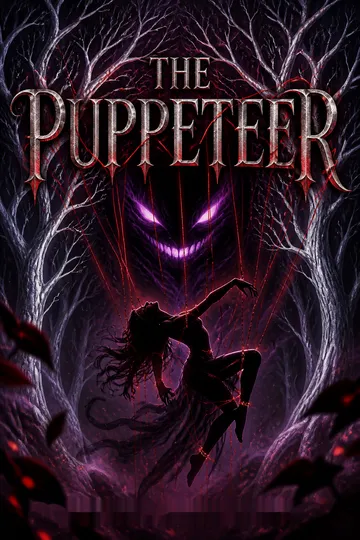
Simon is both Cora's greatest ally and her most dangerous adversary. His wit, charm, and artistic brilliance mask a deep well of pain and self-loathing. The literal separation of his shadow—a manifestation of his emotional vulnerability—highlights his struggle to accept love and to risk being changed by it. Simon's actions are driven by self-preservation, revenge, and a desperate need for control, but his love for Cora ultimately leads him to acts of sacrifice and honesty. His journey is one of integration: learning to accept the parts of himself he has long denied, and to trust that he can be loved, even as a monster.
Turk (The Ringmaster)
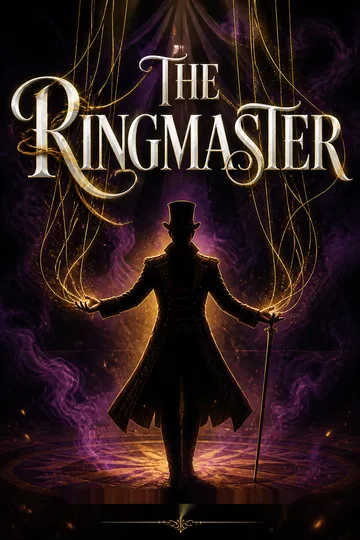
Turk is the embodiment of the old order: a man driven by duty, honor, and the belief that sacrifice is necessary for the greater good. His refusal to relinquish control or to trust the Family with the truth leads to his downfall. Turk's love for Amanda and his sense of responsibility for the Family are genuine, but his inability to adapt or to see the value in choice makes him both a sympathetic and a deeply flawed antagonist. His death is both a tragedy and a liberation, marking the end of an era and the beginning of something new.
Lazarus (The Faire)
Lazarus is the spirit of Harrow Faire, a being older than time, capable of great kindness and terrible destruction. His relationship with Cora is one of mutual need: she anchors him to the world, and he offers her power and purpose. Lazarus is both manipulator and mentor, struggling to understand humanity even as he shapes it. His desire to be part of the Family, to be loved and accepted, is both touching and unsettling. He represents the possibility that even monsters can change, and that power need not always corrupt.
Amanda (The Aerialist)
Amanda is the light to Turk's darkness, offering him comfort and hope. Her transformation into a puppet at Simon's hands is one of the story's most devastating moments, symbolizing the collateral damage of power struggles and the cost of betrayal. Amanda's fate is a reminder that even the purest love can be twisted by fear and ambition, and that innocence is no protection in a world of monsters.
Jack (The Rigger)
Jack's journey is one of moral conflict: torn between loyalty to Cora and allegiance to Turk, he ultimately chooses what he believes is right, even as it leads to betrayal and suffering. His guilt and grief are palpable, and his decision to leave the Family is both an act of self-preservation and a recognition that some wounds cannot be healed. Jack's story is a meditation on the difficulty of doing the right thing, and the pain of living with the consequences.
Rudy (The Zookeeper)
Rudy is the Family's wild card: a shapeshifter who is more comfortable among animals than people, and who is acutely attuned to the scent of death and the threat of danger. His loyalty to Cora is rooted in respect for her willingness to listen and to lead without coercion. Rudy's perspective is grounded in the laws of nature: survival, loyalty, and the acceptance of one's own nature. He is both a source of comic relief and a reminder that not all monsters are evil.
Bertha (The Bearded Lady)
Bertha is a stabilizing force within the Family, offering wisdom, strength, and unconditional support. Her love for her animals and her friends is unwavering, and she is quick to challenge authority when it threatens those she cares about. Bertha's presence is a reminder that family is chosen, and that love can be found in the most unexpected places.
Aaron (The Barker)
Aaron provides levity and perspective, often serving as the voice of the everyman within the Family. His humor masks a deep longing for connection and purpose, and his willingness to stand by Cora in the face of danger is a testament to the power of friendship. Aaron's journey is one of growth, as he learns to trust, to forgive, and to embrace the chaos of life at Harrow Faire.
Elena (The Seamstress)
Elena is a source of comfort and creativity within the Family, using her skills to mend both clothing and hearts. Her relationship with Louis and her friendship with Cora highlight the importance of empathy and the healing power of art. Elena's decision to stay with the Family, even in the face of loss, is a quiet act of courage and hope.
Plot Devices
The Tower and the Key
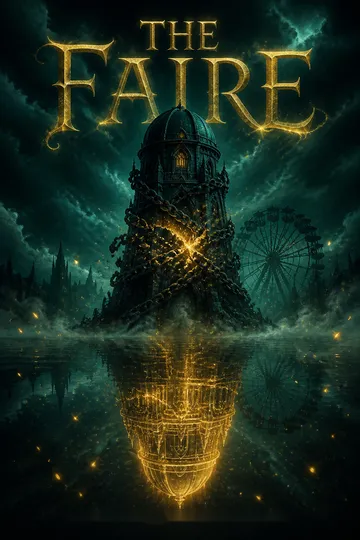
The observation tower, with its mirrored inverted heart, serves as both a literal and metaphorical prison. It is the site of judgment, suffering, and transformation, where power is both wielded and contested. The Key, held by Ringmaster and later by Cora, is the locus of authority over Harrow Faire, representing the burden of leadership and the temptation to abuse power. The struggle for the Key drives the plot, forcing characters to confront their own motives and the consequences of their choices.
The Shadow and the Double
Simon's shadow, a sentient part of himself, externalizes his emotional vulnerability and capacity for love. Its sacrifice to save Cora is both a literal act of heroism and a metaphor for the integration of self. The motif of the double recurs throughout the story, as characters are forced to confront the parts of themselves they would rather deny, and as love and hate, creation and destruction, are revealed to be two sides of the same coin.
The Vote
The decision to hold a vote on the fate of Harrow Faire is a radical act, challenging the old order and affirming the value of individual agency. The process is fraught with tension, as it forces each character to reckon with their own desires, fears, and loyalties. The vote is both a plot device and a thematic statement: survival is not just a matter of power, but of consent and community.
Betrayal and Double-Cross
The story is driven by a series of betrayals—personal, political, and existential. Simon's double-cross of Cora, Ringmaster's betrayal of the Family, and the shifting alliances within the group all serve to heighten suspense and to force characters to confront the limits of trust. These twists are not just for shock value; they are integral to the exploration of love, power, and the cost of survival.
The Inversion
The motif of inversion—literal in the upside-down tower, metaphorical in the reversal of roles and expectations—underscores the story's central themes. Characters are forced to see themselves and each other from new perspectives, to question the boundaries between good and evil, and to embrace the possibility of change. The inversion is both a source of horror and a path to liberation.
Harrow Faire Series
About the Author
Other books by Kathryn Ann Kingsley

Download PDF
Download EPUB
.epub digital book format is ideal for reading ebooks on phones, tablets, and e-readers.








































