
Plot Summary
Mud, Maids, and Manners
Euphemia "Effie" Reeves, a chambermaid in a grand English manor, is quietly seething as she scrubs mud from the entryway for the third time in a day. The noble family's disregard for the servants' labor, especially Lord Culver and his brother Benedict, grates on her nerves. Effie's only solace is her needlework, which soothes her anger and gives her a sense of control. The household is in chaos preparing for yet another ball, and the staff is stretched thin under Lady Culver's demanding rule. Effie's internal monologue reveals her wit and weariness, as she tries to keep her irritation hidden, knowing that open defiance could cost her job and her family's well-being. The chapter sets the tone: a world of rigid class boundaries, invisible labor, and a young woman's yearning for something more.
A Chance Encounter
While cleaning, Effie has a clumsy, heart-thumping encounter with Benedict Ashbrooke, the youngest and most charming of the Ashbrooke brothers. Mistaking her for a guest, Benedict's kindness and easy manner make Effie's heart flutter, but the illusion is quickly shattered when Lady Culver reminds everyone of their places. Effie is left embarrassed but secretly smitten, her daydreams now colored by the possibility of love. The moment is fleeting, but it plants a seed of longing in Effie—a desire to be seen, to be more than just a servant. This encounter, both sweet and humiliating, becomes the catalyst for Effie's journey, as she begins to imagine a life beyond her station, even as reality quickly reasserts itself.
Tears and Faerie Promises
After being overlooked and dismissed at the ball, Effie's disappointment boils over into tears. Seeking solace outside, she meets Lord Blackthorn, a faerie lord with a peculiar interest in English virtue. Their conversation is strange and unsettling; Lord Blackthorn is both charming and otherworldly, offering Effie magical solutions to her problems in exchange for mysterious payments. Effie, wary of faerie bargains, resists his offers, but her vulnerability and honesty intrigue him. She confesses her hopeless love for Benedict, and Lord Blackthorn, delighted by the challenge, hints that he could make her a lady. Effie's caution and wit keep her safe—for now—but the encounter leaves her shaken and the door to magic slightly ajar.
The Bargain Struck
After Lady Culver cruelly takes back a dress Effie had lovingly embroidered, Effie's sense of injustice and powerlessness reaches its peak. Remembering Lord Blackthorn's offer, she calls upon him, desperate for agency in her own life. The faerie proposes a wager: if Effie can marry Benedict within 101 days, she will win her heart's desire; if not, she must serve him in faerie forever. The price for each day as a lady is a stitch in his coat—ten thousand stitches for a chance at love. Effie, emboldened by anger and hope, accepts. The bargain is sealed with magic, and Effie's transformation from powerless maid to would-be lady begins, fraught with risk and the unknown.
French Maids and Forgotten Names
The household is thrown into further absurdity when Lady Culver, envious of a guest's French maid, insists all her maids adopt French names and accents. Effie becomes "Giselle," her real self erased for the sake of aristocratic pretense. The servants grumble, but compliance is survival. Meanwhile, Lord Blackthorn's presence becomes more intrusive, his magic cleaning the house and unsettling Effie. The lines between reality and enchantment blur, and Effie's sense of self is further threatened by the whims of those in power—both human and faerie. The chapter underscores the theme of identity: how easily it can be taken, and how fiercely it must be defended.
Invisible Help, Visible Trouble
Lord Blackthorn, eager to repay Effie for her "gift" of breakfast, magically cleans the manor, causing confusion and suspicion among the staff. Effie, terrified of the consequences, tries to warn her fellow servants, but no one believes her. The faerie's help, though well-intentioned, only deepens Effie's anxiety and isolation. She realizes that even magical solutions come with their own complications, and that being noticed—by faeries or nobles—can be as dangerous as being invisible. The chapter highlights the unintended consequences of seeking shortcuts and the perils of accepting help from those who do not understand the human world.
The Dress and the Dream
Effie's skill with a needle is both her comfort and her curse. The dress she embroidered, a rare expression of her creativity and pride, is taken from her by Lady Culver, who deems it "too fine" for a maid. This loss crystallizes Effie's longing for recognition and beauty in a world that denies her both. The dress becomes a symbol of her aspirations and the unfairness of her circumstances. It is this moment of loss that drives Effie to accept Lord Blackthorn's bargain, trading her stitches for a chance to be seen and loved as an equal. The chapter explores the power of art, self-expression, and the pain of having one's worth dismissed.
A Wager of Stitches
With the bargain in place, Lord Blackthorn outfits Effie with magical dresses and elocution, preparing her to enter society as a lady. Each day she spends as someone new, she owes a stitch to the faerie's coat—a tangible reminder of the cost of her wish. Effie is both excited and apprehensive, aware that every step toward her dream comes with a price. The wager is a test of her resolve, resourcefulness, and heart. As she navigates the unfamiliar world of balls and courtship, Effie must balance her desire for love with the fear of losing herself to magic and ambition.
Elocution and Embroidery
To pass as a lady, Effie drinks a potion that gives her perfect speech and manners. The transformation is exhilarating but disorienting; her own voice feels foreign, and her hands, rough from work, betray her origins. Lydia, her loyal friend, is swept along as her chaperone, both of them caught in the faerie's glamour. Effie's embroidery, once a private solace, now becomes the currency of her new life, each stitch a step further from her old self. The chapter explores the tension between authenticity and performance, and the sacrifices required to fit into a world that was never meant for her.
The Ball of Possibilities
Dressed in faerie finery and armed with a new accent, Effie attends a grand ball, her heart pounding with anticipation and fear. The magic of the evening is both literal and metaphorical; for the first time, she is seen as an equal, not a servant. Benedict notices her, and a spark of genuine connection flickers between them. Yet, the pressure of the wager and the artificiality of her transformation weigh heavily on Effie. She is acutely aware of the fragile line between enchantment and deception, and the risk that her newfound happiness could vanish at midnight.
Virtue and Power
As Effie navigates her new life, Lord Blackthorn becomes fascinated by the concept of English virtue—being kind to the powerless and cruel to the powerful. He seeks advice from Effie and Lydia, eager to learn how to be truly good. Their discussions reveal the complexities of morality, privilege, and justice. Effie's insistence on fairness, even when magic could give her an advantage, impresses the faerie and deepens their unlikely friendship. The chapter delves into questions of ethics: what does it mean to do good, and who gets to decide?
Love, Loss, and Lessons
Despite her transformation, Effie's pursuit of Benedict is fraught with obstacles—rival suitors, social expectations, and her own insecurities. She learns that love cannot be forced, even with magic, and that true connection requires honesty and vulnerability. Effie's journey is one of self-discovery as much as romance; she must confront her fears, her desires, and the limits of what she is willing to sacrifice. The pain of rejection and the joy of small victories teach her resilience and compassion, both for herself and others.
The Price of Wishes
As the days pass and the stitches accumulate, Effie begins to feel the weight of her bargain. The more she becomes a lady, the more she risks losing touch with her true self and her roots. Lord Blackthorn's magic, though seductive, cannot shield her from the realities of class, prejudice, and the unpredictability of human hearts. Effie must reckon with the consequences of her choices and the realization that every wish comes with a price—sometimes more than she is willing to pay.
Becoming Someone New
The transformation from maid to lady is not just external; Effie must grapple with who she is and who she wants to be. The experience forces her to question the value of status, the meaning of love, and the importance of self-respect. Through her trials, Effie discovers strengths she never knew she had and learns to assert her worth, not just to others but to herself. The journey is as much about reclaiming her own name and story as it is about winning Benedict's heart.
Cruelty to the Powerful
Inspired by Lord Blackthorn's quest for virtue, Effie and Lydia begin to push back against the injustices of their world. They find small ways to assert their dignity, support each other, and undermine the arrogance of those in power. The faerie's magic becomes a tool for subtle rebellion, not just personal gain. The chapter highlights the importance of solidarity, courage, and the quiet acts of resistance that can change lives, even in the face of overwhelming odds.
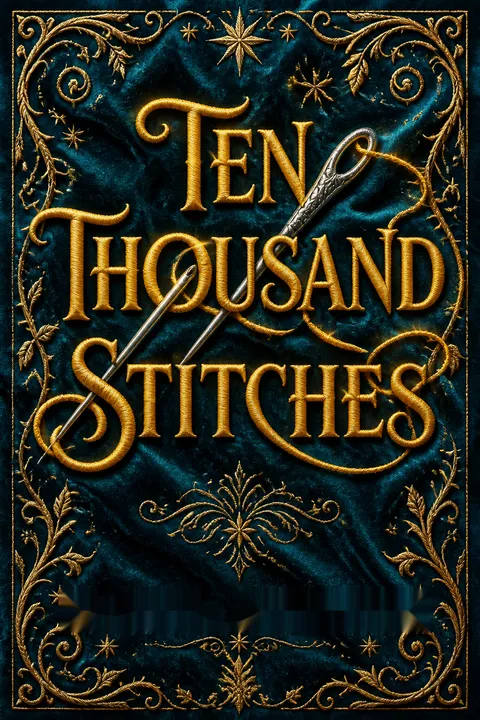
Ten Thousand Stitches
The act of stitching, once a symbol of servitude, is transformed into an expression of agency and creativity. Each stitch in Lord Blackthorn's coat is a testament to Effie's journey—her hopes, her struggles, her growth. The embroidery becomes a metaphor for the ways in which ordinary work, done with love and intention, can reshape destinies. Effie's artistry, undervalued by her employers, becomes the very thing that empowers her to claim her future.
Choosing Kindness
In the end, it is not magic or ambition that wins the day, but Effie's kindness, integrity, and refusal to harm others for her own gain. Her empathy for both the powerless and the powerful, her willingness to forgive, and her insistence on fairness inspire those around her—including Lord Blackthorn and Benedict. The story's resolution is not a simple fairy-tale ending, but a hard-won victory built on understanding, generosity, and the courage to be oneself.
Happily Ever After, Reimagined
Effie's journey concludes with her achieving not just romantic happiness, but a deeper sense of self-acceptance and belonging. The lessons she has learned—about love, labor, identity, and justice—reshape her world and the lives of those around her. The final stitches in Lord Blackthorn's coat are not just the end of a bargain, but the beginning of a new story, one in which Effie is the author of her own fate. The fairy tale is rewritten: happily ever after is not given, but made, stitch by stitch.
Analysis
Ten Thousand Stitches is a witty, heartfelt reimagining of the Cinderella story, set against the backdrop of Regency England and infused with faerie magic. At its core, the novel interrogates the nature of power, privilege, and self-worth, using the conventions of fantasy and romance to explore real-world issues of class, labor, and identity. Effie's journey is both a personal and political awakening: her longing for love and recognition is inseparable from her struggle for dignity and agency in a world that seeks to erase her. The faerie bargain, with its seductive promise and hidden costs, serves as a metaphor for the compromises and sacrifices demanded by ambition and social mobility. Yet, the novel resists cynicism; it insists that true transformation comes not from magic or status, but from kindness, integrity, and the courage to claim one's own story. Through humor, empathy, and sharp social observation, Olivia Atwater crafts a tale that is both enchanting and incisive—a reminder that happily ever after is not a gift, but a creation, stitched together from the threads of hope, resilience, and love.
Review Summary
Ten Thousand Stitches is a charming Cinderella retelling set in Regency England with faerie elements. Readers praised the whimsical story, endearing characters, and exploration of class struggles. Many enjoyed the unconventional romance between Effie, a maid, and Lord Blackthorn, a kind-hearted faerie. The book's themes of anger, social justice, and virtue resonated with readers. While some found it predictable or preachy, most appreciated the clever twists on fairy tale tropes and the author's ability to balance humor with serious topics.
People Also Read







Characters
Euphemia "Effie" Reeves
Effie is a chambermaid whose sharp wit and deep sense of injustice set her apart from her peers. Her love of needlework is both a coping mechanism and a form of self-expression, symbolizing her desire for beauty and agency in a world that denies her both. Effie's psychological journey is one of self-discovery: she begins as a frustrated, invisible servant, but through her encounters with faerie magic and her own courage, she learns to assert her worth and challenge the boundaries of class and fate. Her longing for love is matched by a fierce independence, and her greatest strength is her refusal to become cruel or selfish, even when offered power. Effie's relationships—with Benedict, Lydia, and Lord Blackthorn—reveal her capacity for empathy, loyalty, and growth.
Lord Blackthorn / Juniper Jubilee
Lord Blackthorn is a faerie lord fascinated by human morality, especially the idea of being kind to the powerless and cruel to the powerful. His otherworldly perspective makes him both dangerous and endearing; he is bound by faerie rules but genuinely wishes to help Effie, albeit in ways that often cause more trouble than intended. Psychologically, he is a childlike figure, eager to learn and please, but lacking understanding of human nuance. His relationship with Effie is transformative for both: she teaches him about true virtue, while he offers her the means to challenge her circumstances. Lord Blackthorn's development is marked by increasing empathy and self-awareness, as he learns that real goodness requires more than magic.
Benedict Ashbrooke
Benedict is the youngest son of the Ashbrooke family, notable for his warmth and lack of pretension. He is the object of Effie's affection, but his own journey is one of awakening to the realities of class and the hidden lives of those around him. Benedict's initial obliviousness gives way to genuine admiration and love for Effie, not just as a lady but as herself. His character arc is about learning to see beyond appearances and to value integrity and kindness over status. Benedict's relationship with Effie is both romantic and redemptive, challenging him to become a better, more thoughtful person.
Lydia
Lydia is Effie's fellow maid and confidante, providing comic relief and grounded wisdom. She is quick-witted, resourceful, and fiercely protective of Effie, often serving as her anchor in the chaos of both the human and faerie worlds. Lydia's skepticism and pragmatism balance Effie's idealism, and her willingness to challenge authority—both noble and magical—makes her a vital ally. Psychologically, Lydia represents the resilience and solidarity of the working class, and her friendship with Effie is a testament to the power of mutual support.
Lady Culver
Lady Culver is the new matron of the household, determined to assert her authority and maintain appearances at any cost. Her insecurity manifests as cruelty toward the servants and a relentless pursuit of social superiority. Lady Culver's actions are driven by fear of inadequacy and a desperate need for control. She is both a symbol of the oppressive class system and a deeply human figure, shaped by her own anxieties and ambitions. Her relationship with Effie is antagonistic, but also reveals the ways in which power corrupts and isolates.
Mrs Sedgewick
Mrs Sedgewick is the stern, rule-bound housekeeper who upholds the hierarchy of the household. She is both a gatekeeper and a victim of the system, enforcing rules that ultimately serve to maintain her own precarious position. Psychologically, she is motivated by fear of chaos and loss of status, but her interactions with Effie and the other servants reveal moments of vulnerability and doubt.
Mr Allen
Mr Allen is the newly appointed butler, whose modern methods and city background put him at odds with Mrs Sedgewick and the established order. He represents change and the possibility of a more just, efficient system, but is also constrained by the expectations of his role. His relationship with the staff is complex, marked by both authority and empathy.
Miss Buckley
Miss Buckley is a guest of Lady Culver, considered a suitable match for Benedict. She is practical, witty, and unromantic, viewing marriage as a transaction rather than a love story. Her presence highlights the limited options available to women of her class and the performative nature of social rituals.
The Brownies
The brownies are faerie creatures who assist Lord Blackthorn in outfitting Effie for her new life. They embody the unpredictable, transactional nature of faerie magic—helpful, but always with a price. Their role is to facilitate transformation, but also to remind Effie of the dangers of relying on magic.
The Ashbrooke Family
The Ashbrooke family, including Lord Culver and his siblings, represent the entrenched power and blindness of the aristocracy. Their casual disregard for the servants' labor and feelings is both a source of conflict and a catalyst for Effie's rebellion. They are not villains, but products of a system that dehumanizes those below them.
Plot Devices
Faerie Bargain
The central plot device is the faerie bargain: Effie trades her labor (ten thousand stitches) for a chance to become a lady and win Benedict's love, with the risk of eternal servitude in faerie if she fails. This device drives the narrative, creating urgency, stakes, and a tangible measure of Effie's progress. It also serves as a metaphor for the costs of ambition and the dangers of shortcuts.
Transformation and Glamour
Effie's transformation through faerie magic—new clothes, elocution, and manners—enables her to cross class boundaries, but also raises questions about authenticity and self-worth. The glamour conceals her origins but cannot erase her true self, forcing Effie to reconcile her desire for acceptance with her need for integrity.
Social Satire
The novel uses humor and irony to critique the rigid class system, the absurdity of social rituals, and the erasure of individual identity for the sake of appearances. The "French maid" episode, in particular, lampoons the performative nature of status and the arbitrary markers of worth.
Foreshadowing and Irony
The narrative is laced with foreshadowing—Effie's mother's warnings about faeries, the accumulating stitches, the repeated reminders of the price of magic. Irony abounds: the very skills and qualities that make Effie a good servant become the means of her liberation, and the faerie's attempts to help often create new problems.
Narrative Structure
The story follows a classic fairy-tale arc—wish, transformation, trial, and resolution—but subverts expectations by centering the agency, labor, and moral growth of its heroine. The structure allows for both enchantment and critique, blending romance, comedy, and social commentary.
Regency Faerie Tales Series



About the Author
Other books by Olivia Atwater
Download PDF
Download EPUB
.epub digital book format is ideal for reading ebooks on phones, tablets, and e-readers.








































