
Plot Summary
A Nun and a Paladin
Clara, a lay sister of St. Ursa, finds herself outside a stranger's tent, sword in hand, caught in the aftermath of a deadly duel. Istvhan, a former paladin of the Saint of Steel, is the reluctant victor, and through a tangle of local custom, Clara becomes his responsibility. Both are strangers in a harsh land, each carrying wounds and secrets. Their first encounter is wary, but necessity and a shared sense of duty draw them together. Clara's calm hides a deep pain, while Istvhan's humor masks a haunted past. Their alliance is forged not by trust, but by the need to survive—and by the faint hope that together, they might find what they've lost.
Blood Price and Bargains
Clara explains the brutal logic of blood price and forfeit: she is the payment for a life lost, a living token of peace. Istvhan, appalled by the idea of owning another, is forced to accept her as part of the bargain, lest he provoke further violence. Clara's acceptance is pragmatic—she has her own quest, to find her kidnapped sisters, and Istvhan's company offers safety. Their uneasy partnership is sealed over bitter tea and mutual exasperation. Both are outcasts, shaped by loss and circumstance, and as they set out together, the road ahead is uncertain, but their fates are now entwined.
Traveling Companions
Clara is introduced to Istvhan's companions: Galen, a fellow paladin haunted by nightmares; Brindle, a gnole muleteer; and Brant, a distiller obsessed with Emperor Oak. The group is bound by a contract with the Temple of the White Rat, escorting precious barrels through dangerous territory. Clara's presence is met with curiosity and suspicion, but her competence and resilience quickly earn respect. The journey is long and arduous, marked by small kindnesses and shared hardship. As they travel, Clara and Istvhan begin to see each other's strengths—and vulnerabilities—hinting at a deeper connection beneath their guarded exteriors.
Secrets and Scars
Around campfires and in quiet moments, the companions share fragments of their pasts. Istvhan's scars are both physical and spiritual; the death of his god has left him adrift, his battle rage a constant threat. Clara's calm is a practiced mask, hiding the trauma of captivity and the loss of her convent. Nightmares haunt them both, and in the darkness, they confess fears they cannot voice by day. Their bond deepens, forged in shared pain and the recognition of kindred spirits. Yet secrets remain—Clara's true nature, Istvhan's guilt—and both sense that revelation could either destroy or save them.
Rumors and Revelations
As the group moves through mountain villages, rumors of headless corpses and unnatural deaths follow them. Istvhan and Galen are on a covert mission for the Temple, tracking the mysterious "smooth men"—golem-like killers who steal bodies and leave horror in their wake. Clara, seeking news of her sisters, uncovers hints of their passage and the dangers ahead. The companions realize their quests are converging, and that the evil stalking the land may be connected to the fate of the kidnapped nuns. The journey becomes a hunt, and the line between hunter and hunted blurs.
The Beast Within
Clara's composure is shattered when bandits attack. In the chaos, her true nature is revealed: she is a werebear, one of St. Ursa's chosen, able to transform into a massive beast. The revelation shocks Istvhan and the others, but also saves their lives. Clara's power is both blessing and curse—her control is fragile, and the beast within is always hungry. The knowledge changes the group's dynamic, exposing old prejudices and new fears. Yet Istvhan, instead of recoiling, finds himself drawn to Clara's strength and vulnerability. Their relationship shifts, charged with new tension and possibility.
Bandits and Betrayal
The group is ambushed by a large band of raiders. The fight is brutal and costly—several companions are killed or wounded, and the survivors are left shaken. Clara's beast is both weapon and liability, her control slipping in the heat of battle. Istvhan's own battle rage threatens to consume him. In the aftermath, trust is tested as secrets come to light and blame is cast. The journey becomes a flight, the road behind them littered with bodies and regret. Yet in crisis, bonds are strengthened, and Clara and Istvhan find solace in each other's arms, if only for a moment.
Market Truces
Seeking refuge and information, the group enters a market town under truce. Clara uses her status as a nun to gather intelligence among the women, learning more about the fate of her sisters and the dangers ahead. Istvhan and Galen probe for news of the smooth men, piecing together a trail of horror. The market is a brief respite, a place of laughter and camaraderie, but also of hard bargaining and subtle threats. New allies are found, old wounds are reopened, and the companions prepare for the next stage of their journey—toward Morstone, and the heart of darkness.
Nightmares and Confessions
As they near Morstone, the weight of loss and fear grows heavier. Nightmares plague Istvhan and Galen, memories of the god's death and the madness that followed. Clara is haunted by visions of her burning convent and the sisters she could not save. In moments of vulnerability, they confess their deepest fears and regrets, finding comfort in each other's presence. Their relationship deepens, moving from wary partnership to something more intimate and fragile. Yet the future is uncertain, and both know that love may not be enough to save them from what lies ahead.
The Road to Morstone
The group arrives in Morstone, a city built on salt and ruled by ruthless Sealords. The Temple of the White Rat is overwhelmed, struggling to care for the city's poor and sick. Clara and Istvhan seek help, but find only limited resources and new dangers. The smooth men are here, hiding in plain sight, and the fate of the kidnapped nuns is tied to the city's brutal gladiatorial games. Allies are few, enemies are many, and time is running out. The companions must navigate a maze of politics, betrayal, and violence to find the answers they seek.
The Shape of Love
In the cramped quarters of Morstone, Clara and Istvhan's relationship comes to a head. Desire flares, but so do old fears—Clara's terror of rejection, Istvhan's fear of losing control. Their lovemaking is both passionate and awkward, a dance of vulnerability and trust. Each must confront the scars of the past and the possibility of a future together. Love becomes both weapon and shield, a reason to fight and a risk to take. Yet even as they draw closer, the dangers around them multiply, and the cost of love may be more than either can bear.
The Smooth Men
The truth behind the smooth men is uncovered: they are the creations of Stachys, a broken potter whose love and loneliness gave birth to monsters. The smooth men are not undead, but golems animated by stolen bodies and a hunger for life. Their leader, a salt-cured abomination, has made a pact with the Sealords, using the city's dead to fuel his army. The revelation is both tragedy and horror—Stachys is both victim and villain, and the line between creator and creation is blurred. Istvhan and Clara must decide whether mercy or justice will save the city.
The Potter's Secret
Istvhan and Clara confront Stachys and his monstrous creation in the depths of the colosseum. The battle is brutal and costly—Stachys, realizing the horror he has unleashed, sacrifices himself to destroy his creation. The smooth men die with him, but not before inflicting terrible wounds. The cost of victory is high: friends are lost, innocence is shattered, and the survivors are left to pick up the pieces. Yet in sacrifice, there is redemption, and in loss, the possibility of healing. The city is saved, but the scars will remain.
The Arena's Shadow
Clara and her sisters are captured and forced into the gladiatorial pits, their transformation into bears made a spectacle for the bloodthirsty crowd. Istvhan, too, is thrown into the arena, forced to fight the drowgos—undead warriors animated by the smooth men's magic. The battle is chaos, a blur of blood and fur and steel. Yet in the heart of the arena, Clara and Istvhan find each other, fighting side by side against impossible odds. Their defiance becomes legend, a spark of hope in a city ruled by fear.
The Drowgos Unleashed
The smooth men unleash their army of drowgos, and the arena becomes a slaughterhouse. Clara's sisters fight as bears, but the cost is terrible—many are killed, and the survivors are left traumatized. Istvhan, wounded and exhausted, fights with the last of his strength, his battle rage barely held in check. The crowd cheers, oblivious to the suffering below. In the chaos, Clara and Istvhan seize a chance to escape, but the way out is fraught with danger. The line between victory and defeat is razor-thin, and the price of freedom is paid in blood.
The Sisters of St. Ursa
With the help of allies, Clara and her surviving sisters escape the colosseum, but not without loss. Sigrid, Clara's closest friend, stays behind to hold off pursuers, sacrificing herself so the others can flee. The escape is harrowing, a desperate flight through tunnels and across the river, pursued by enemies and haunted by the dead. Grief and relief war within Clara—she has saved some, but not all, and the cost weighs heavily on her soul. Yet in the darkness, there is hope, and the promise of a new beginning.
Sacrifice and Survival
The final escape is a test of endurance and trust. Clara, in bear form, swims the freezing river with Istvhan clinging to her back, risking everything to save him. The crossing is brutal—Istvhan nearly drowns, and Clara's strength is pushed to the limit. On the far shore, they are found by old friends, and the survivors are reunited. The ordeal cements the bond between Clara and Istvhan, their love forged in suffering and sacrifice. Yet the wounds of the past remain, and healing will take time.
The River's Mercy
Safe at last, Clara and her sisters mourn their dead and begin the slow process of healing. Istvhan recovers from his ordeal, and the two find comfort in each other's arms. The city behind them is changed, the threat of the smooth men ended, but the scars of violence and loss linger. Clara must decide whether to return to her convent or forge a new path, and Istvhan must confront the emptiness left by his god's death. Together, they find solace in love and the promise of a future, however uncertain.
Love After the Storm
In the aftermath, Clara and Istvhan choose each other, despite fear and uncertainty. Their love is imperfect, scarred by loss and haunted by the past, but it is real and hard-won. They set out together, not as saviors or martyrs, but as survivors—two broken souls who have found strength in each other. The road ahead is long, and the world remains dangerous, but for the first time, hope endures. In love, they find the courage to face whatever comes next.
Analysis
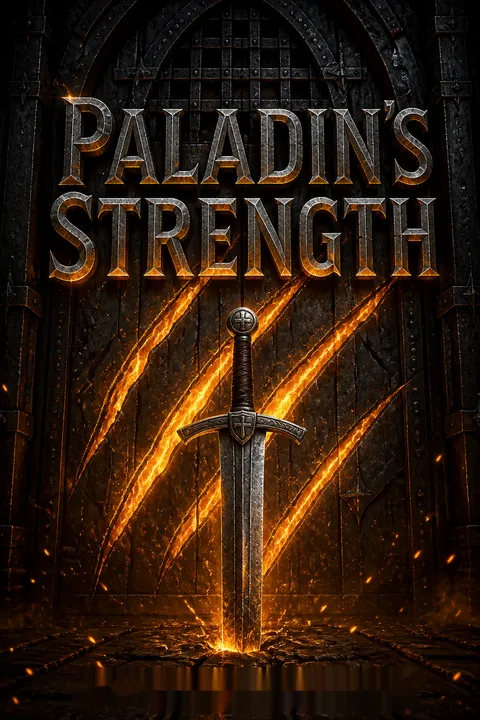
"Paladin's Strength" is a story about survival, transformation, and the redemptive power of love in a world scarred by violence and loss. At its heart, it is a meditation on trauma—personal, communal, and generational—and the ways in which people find meaning and connection amid chaos. The novel interrogates the nature of monstrosity, blurring the line between hero and villain, human and beast, creator and creation. Through Clara and Istvhan, it explores the costs of vulnerability, the courage required to trust, and the possibility of healing after devastation. The narrative refuses easy answers: victory is partial, justice is compromised, and love is both risk and reward. Yet in the end, the story offers hope—not in grand gestures or perfect endings, but in the small, stubborn acts of kindness, faith, and resilience that allow people to endure. The lesson is clear: we are all broken, but together, we can be strong.
Review Summary
People Also Read

Characters
Clara
Clara is a lay sister of St. Ursa, marked by her calm strength and deep compassion. Beneath her composed exterior lies a well of trauma—her convent destroyed, her sisters kidnapped, and her own nature a dangerous secret. As a werebear, Clara wields immense power, but her control is fragile, and the beast within is both shield and threat. Her journey is one of survival and self-acceptance, learning to trust others and herself. Her relationship with Istvhan is transformative, forcing her to confront vulnerability, desire, and the possibility of love after loss. Clara's arc is one of healing, as she moves from isolation and guilt to connection and hope, her loyalty to her sisters and her own heart guiding her through darkness.
Istvhan
Once a paladin of the Saint of Steel, Istvhan is a man adrift after the death of his god. His battle rage is both weapon and curse, and he fears the violence within him as much as the world's dangers. Scarred in body and soul, Istvhan masks his pain with humor and stoicism, but beneath lies a deep longing for purpose and connection. His relationship with Clara awakens hope and vulnerability, challenging his self-image as a broken weapon. Istvhan's journey is one of atonement and self-discovery, as he learns to trust, to love, and to fight not just for duty, but for himself and those he cares for. His arc is a testament to resilience, the search for meaning, and the redemptive power of love.
Galen
Galen is Istvhan's second-in-command and fellow survivor of the Saint of Steel's fall. Plagued by nightmares and the unpredictable surge of battle rage, Galen is both comic relief and tragic figure. His wit masks deep wounds, and his loyalty to Istvhan is unwavering. Galen's struggles with control and guilt mirror Istvhan's, and his presence is a constant reminder of what has been lost—and what can still be saved. He is a bridge between the old order and the new, embodying both the costs of violence and the possibility of healing through friendship and purpose.
Sigrid
Sigrid is one of Clara's closest friends and a senior member of the convent. Practical, blunt, and fiercely protective, she serves as both mentor and anchor for Clara and the other sisters. Sigrid's strength is matched by her willingness to make hard choices, and her ultimate sacrifice—staying behind to ensure the others' escape—underscores her courage and love. Her loss is deeply felt, a symbol of the costs of survival and the bonds that endure beyond death.
Brindle
Brindle is a job-gnole, a badger-like creature with a dry wit and a deep knowledge of animals and the road. His perspective is both alien and grounding, offering practical solutions and a steady presence amid chaos. Brindle's loyalty is to the job and his companions, and his grumbling affection for mules and oxen provides moments of levity and insight. He represents the value of difference and the strength found in unlikely allies.
Brant
Brant is a distiller obsessed with Emperor Oak, driven by a quiet faith in the power of small acts—planting acorns, preserving rare wood, and believing in the future. His minor magical talent and gentle nature contrast with the violence around him, and his presence is a reminder of hope and resilience. Brant's faith is not in gods, but in the possibility of growth and renewal, offering a counterpoint to the darker themes of the story.
Stachys
Stachys is the potter whose loneliness and longing for love give birth to the smooth men, monstrous golems that terrorize the land. Both victim and villain, Stachys is manipulated by his creation, his genius twisted into horror. His arc is one of guilt, regret, and ultimately, sacrifice—choosing to end his own life to destroy the evil he unleashed. Stachys embodies the dangers of unchecked power and the tragic consequences of love corrupted by pain.
The Smooth Man (Salt-Cured Golem)
The leader of the smooth men is a salt-cured abomination, a golem who has transcended death by mummifying himself. Intelligent, ruthless, and utterly alien, he is both the product of Stachys's love and its perversion. His hunger for survival and dominance drives the plot's central conflict, and his ability to adapt and manipulate makes him a formidable foe. He represents the dangers of creation without compassion, and the horror of life divorced from empathy.
Doc Mason
Doc Mason is a charming, theatrical peddler of herbal tonics, whose wit and resourcefulness mask a deep well of experience and cunning. His connections to the Temple of the White Rat and his ability to navigate danger make him an invaluable ally. Mason's humor and kindness provide relief amid darkness, and his faith in small acts of goodness echoes Brant's. He is a survivor, a fixer, and a reminder that help can come from unexpected places.
Faizen
Faizen is a priest of the White Rat, struggling to care for Morstone's poor and sick with limited resources. His exhaustion and frustration are tempered by deep compassion and a commitment to justice. Faizen's willingness to help, despite overwhelming odds, reflects the Rat's ethos of practical kindness. He is a symbol of hope in a broken world, and his support is crucial to Clara and Istvhan's quest.
Plot Devices
Blood Price and Social Custom
The story's inciting incident is rooted in the brutal logic of blood price and forfeit, forcing Clara and Istvhan into an uneasy partnership. This device explores the power of social customs to shape fate, create unexpected bonds, and generate both conflict and opportunity. The tension between personal morality and communal obligation recurs throughout, challenging characters to navigate a world where survival often means compromise.
Hidden Identity and Transformation
Clara's werebear nature is a central secret, its revelation both a turning point and a source of ongoing tension. The motif of transformation—physical, emotional, and spiritual—runs throughout the narrative, mirroring the characters' internal journeys. The device allows for dramatic reversals, moments of vulnerability, and the exploration of power and control. It also serves as a metaphor for trauma, resilience, and the struggle to reconcile different aspects of the self.
The Monster Within and Without
The smooth men and the drowgos are literal monsters, but the story's true horror lies in the ways love, loss, and loneliness can twist the soul. Stachys's creation is both a product of love and a source of terror, reflecting the dangers of unchecked emotion and the longing for connection. Istvhan's battle rage and Clara's beast are internal monsters, forces that can save or destroy. The device blurs the line between hero and villain, asking what it means to be human—and what it means to be monstrous.
Found Family and Chosen Bonds
The companions form a found family, their bonds forged in hardship and loss. The device allows for the exploration of loyalty, sacrifice, and the redemptive power of love—romantic, platonic, and communal. The story repeatedly tests these bonds, forcing characters to choose between self-preservation and the greater good. The motif of found family offers hope amid darkness, suggesting that healing is possible, even for the most broken.
Sacrifice and Redemption
Sacrifice is a recurring theme—Sigrid's last stand, Stachys's suicide, Istvhan's willingness to die for Clara and her sisters. These acts are both redemptive and tragic, offering hope but demanding a price. The device underscores the story's moral complexity, challenging characters to weigh the value of one life against many, and to find meaning in suffering. Redemption is hard-won, never guaranteed, and always incomplete.
Political Intrigue and Social Critique
Morstone's corrupt Sealords, the gladiatorial games, and the Temple of the White Rat's struggle to help the poor provide a backdrop of political intrigue and social critique. The device grounds the fantasy in real-world concerns—poverty, exploitation, and the abuse of power—while complicating the heroes' quest. The story refuses easy answers, showing that victory is often partial, and that justice is a process, not a destination.
Foreshadowing and Parallelism
The narrative is rich in foreshadowing—Clara's nightmares, Istvhan's fear of water, Brant's acorns—each returning at crucial moments to shape the plot and deepen the emotional arc. Parallel events—Clara's and Istvhan's confessions, their moments of transformation, their acts of sacrifice—create resonance and reinforce the story's themes. The device weaves the personal and the epic, the mundane and the magical, into a cohesive whole.
About the Author
Other books by T. Kingfisher


Download PDF
Download EPUB
.epub digital book format is ideal for reading ebooks on phones, tablets, and e-readers.








































