
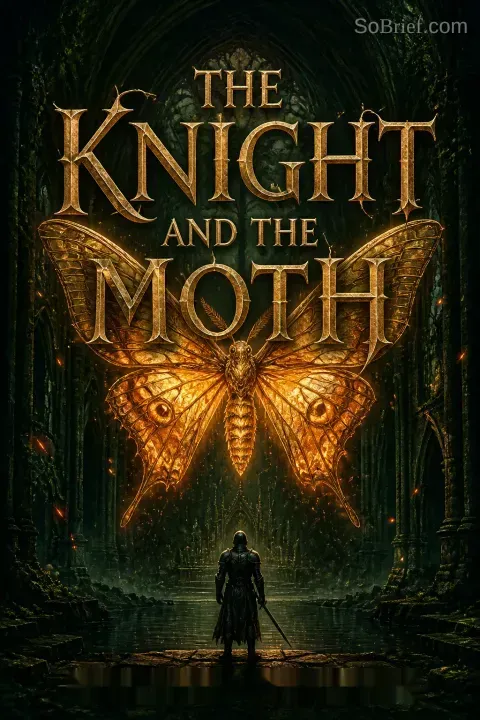


Plot Summary
Prologue
A voice addresses Bartholomew,3 promising to tell an honest story about a foundling1 who once climbed Traum's highest tor. The child1 discovered a cathedral built there, tiptoed through the narthex into the nave, and fell into a spring that leached from ancient stone upon the chancel.
Blood stained the child's lips. The voice speaks of learning obedience, naming gods and reading signs, dreaming and drowning. The speaker apologizes, noting a reluctance to revisit this part of the story, but wonders whether the rest of the tale could exist without its dark beginning.
This opening establishes the novel's central tension between story and truth. The direct address to Bartholomew creates immediate mystery (who is speaking? who is Bartholomew?) while framing the narrative as a confession. The imagery of stone, blood, water, and drowning introduces the elemental forces that will drive the plot. The speaker's admission that telling a story is in some part telling a lie foreshadows the book's central revelation: that Traum's entire faith system is a fabrication. The cathedral, with its rose window and fetid spring, is positioned as both sacred space and prison, a duality the protagonist will spend the novel escaping.
The Boy-King's Arrival
Six1 maidens in gossamer shrouds perch on Aisling Cathedral's wall, watching purple banners approach. It is King Benedict Castor the Third,4 seventeen and newly chosen, riding with two dozen knights.
The Diviners play their usual game with straw stalks; Six,1 who dusted pews and slipped away from a peculiar gargoyle who calls everyone Bartholomew,3 draws the shortest. She will be the one to drown in the spring and dream for the king.4 As the procession passes, a final knight's horse stops to eat Six's1 discarded apple.
The knight2 removes his helmet, revealing dark hair, olive skin, three gold earrings, and charcoal-rimmed eyes that hold no warmth. He sneers up at her, and when she calls him out, he retorts that between their two lots, hers is the spectacle. He rides off, leaving Six1 seething.
This opening scene economically establishes power, performance, and the first friction between two people who will reshape each other. The straw game functions as a microcosm of the Diviners' existence: they have no real choice, only the illusion of chance, while their bodies are the currency of faith. Rory's hostility toward Six is not mere rudeness but the first sign of his deeper contempt for the system she represents. His accusation that she is the spectacle reverses the expected dynamic; she believes she is the observer, but he sees her as the observed, a performer in Aisling's theater of belief.
Five Bad Portents
Inside the cathedral, Six1 strips to her silk Divining robe and steps into the dark, oily spring that smells of rotting flowers. The abbess,6 fully shrouded, conducts the ceremony as knights watch from pews. She recites Traum's origin story: six gods called Omens appeared to a foundling child on this tor, each bearing a stone object whose movements are presages of fortune.
King Castor4 cuts his palm, and the abbess6 brings his bleeding hand to Six's1 mouth. She swallows, then the abbess6 presses her underwater until she drowns.
In her dream, Six1 falls through visions of five stone objects: the Artful Brigand's coin (rough side up), the Harried Scribe's10 overturned inkwell, the Ardent Oarsman's oar above still water, the Faithful Forester's discordant chime, and the Heartsore Weaver's loom stone dangling from frayed thread. Five bad signs. The Omens do not favor the new king.4
The Divination ceremony reveals the mechanics of belief as a physical, violent transaction. Six's drowning is literal death and resurrection performed on demand; her body is the instrument through which divine messages are supposedly channeled. The five bad portents function as a political verdict disguised as spiritual revelation. The abbess's recited history will later prove to be a carefully constructed lie, but here it serves its purpose: creating awe, reinforcing hierarchy, and reminding the king that even sovereignty bows to faith. Six's simultaneous pride in her role and terror of drowning captures the book's central psychological tension.
A Night of Defiance
After the Divination, Six1 stumbles into the dining commons to find Rory2 shirtless and bruised, smoking idleweed with the king4 and Maude.5 She smells stolen spring water in a flagon and vomits on Rory's2 boots. Later, he offers her idleweed for the nausea and they trade insults.
Six1 discovers the trio took Aisling's spring water, so she blackmails them into escorting all six Diviners off the tor for a night at Coulson Faire. At the Faire, Six1 dances barefoot around a pyre with her sisters, feeling wilder than any dream.
Then the knights challenge Rory2 to his craft of war: three assaults to knock him off his feet, with a Divination as his forfeit. Six1 volunteers, wraps her arms around his waist, and slams him onto the grass. He smiles up at her, a crack in his perpetual derision. He must now endure a Divination from her.
The Coulson Faire sequence is the novel's hinge point, where the confined world of Aisling collides with the wider realm of Traum. Six's blackmail demonstrates her growing agency, however clumsy, while the dance scene offers her a taste of physical freedom and joy outside the spring's ritualized drowning. The challenge is a public reversal of their power dynamic: Six literally lifts and throws down the man who mocked her, forcing him into the submissive position she usually occupies during Divination. Rory's smile in defeat signals the first genuine crack in their antagonism, transforming hostility into something more complicated.
The Moth Appears
At dawn, Six1 enlists the batlike gargoyle3 to help her perform a secret Divination for Rory,2 without the abbess's6 knowledge. She drinks the blood from his bitten thumb and the gargoyle3 presses her into the spring.
But instead of the usual five stone objects, she dreams of a pale moth that lands on her shroud and strips it away. Through the moth's wings, she sees Traum's hamlets in vivid color, then the courtyard statues come to life as human figures holding their stone objects. A sixth hooded figure6 stands at the cathedral door, empty-handed and beckoning.
The moth then shows Diviners in the spring, their bodies twisting and fracturing, wailing like wind. Six1 jolts awake, shaken. She tells the gargoyle3 she could not read the signs and prays the dream means nothing. The next morning, Four11 is missing.
The moth dream marks the story's turn from routine oppression into active horror. Unlike the five Omens who have names, objects, and predictable portents, the moth is mercurial and terrifying because it represents what the system conceals: the identity of its architect and the fate of its victims. The vision of Diviners screaming in the spring foreshadows the truth that will emerge only at the end. Six's dismissal of the dream as meaningless reflects her deep conditioning; she has been taught to read signs for others, not for herself. The immediate disappearance of Four transforms the dream from omen into evidence.
Sisters Vanish
Four11 vanishes first, then Two,12 then Three.13 The Diviners are locked in their cottage at night, but each morning another bed is empty. The abbess6 dismisses Six's1 fears, claiming the women ran away.
When Six1 describes her moth dream, the abbess6 delivers a quiet, devastating scolding: she accuses Six1 of martyrdom, of resenting her sisters while pretending to sacrifice herself for them. Shamed but desperate, Six1 and the remaining Diviners plan to search Coulson Faire themselves, but the cottage door is locked.
Five14 disappears next, leaving only One7 and Six.1 One7 finally removes her shroud, gasping in horror at what she sees, but Six1 is too afraid to look. That night, despite pinching herself to stay awake, Six1 falls asleep. She wakes alone. All five sisters are gone.
The vanishing sequence is structured like a horror story, with the threat invisible and the protagonist powerless. The abbess's psychological manipulation is more devastating than physical violence; she weaponizes Six's own ambivalence about her role (her love and resentment toward the other Diviners) to destabilize her. The locked door, the barred windows, the delivered bread all signal that the Diviners are not residents but prisoners. One's horrified gasp at her own reflection is a masterful moment of withheld revelation: the reader, like Six, does not yet know what she saw, creating dread that will pay off far later.
Escape from the Tor
After Six1 makes a failed plea for help at Castle Luricht, Rory2 appears in her barred cottage room at night. He steps through the wall using a small stone object: a coin, larger than normal, with one smooth side and one rough. It is the Artful Brigand's coin from her dreams.
They slip through the locked door together, retrieving her hammer and chisel from the toolshed with the batlike gargoyle's3 help. But the abbess6 intercepts them with three more gargoyles. She orders Six1 to stay; when Six1 refuses, the abbess6 commands the gargoyles to kill Rory.2
He hurls his coin, exploding the serpentine gargoyle who bruised Six's1 face. She shatters the falcon gargoyle with her hammer. With the batlike gargoyle3 now committed to escaping with them, Rory2 throws the coin through the wall and they vanish onto the holloway road below, fleeing into the night.
The escape sequence transforms the novel's dynamic from contained dread to open pursuit. Rory's coin, which destroys with one side and transports with the other, collapses the boundary between Six's dreamworld and waking reality: the Omens are not gods but possessors of magical tools. The batlike gargoyle's decision to leave Aisling after centuries of service is a quiet act of profound courage; he is choosing an unknown world over the only home he remembers. The abbess's cold command to kill Rory reveals her as a tyrant, not a spiritual guardian.
The Scribe Undone
In the Seacht, Maude5 and Benji4 lead Six1 to a secret library where the Harried Scribe10 dwells. He is an ancient man with stone eyes and a magic inkwell. Benji4 challenges him at his craft of knowledge. The Scribe10 asks three questions; Benji4 answers the third (a riddle about a hammer and chisel) with Six's1 help.
Then they ask him a question he cannot answer: Six's1 name. Defeated, the Scribe10 attacks, flinging corrosive ink that burns Maude.5 Six1 knocks his inkwell from his grasp, but when she falls from the shelf and her lip splits, the Scribe10 drops to his knees and licks her blood from the floor, raving that it smells of Aisling's water.
Rory2 uses his coin to shatter the Omen into bloody stone fragments. In the corridor outside, Six1 reaches into Rory's2 pocket and demands to know where he got the coin. He tells her he killed the Artful Brigand for it. He is not an Omen. He is the one killing them.
The Harried Scribe encounter is the novel's first visceral proof that Omens are mortal. His stone eyes, his craving for Six's blood, his library of knowledge all suggest something eternal, yet he dies like a broken statue. The riddle about the hammer and chisel is a clever nod to Six's craft: she is the one who knows how to break stone, literal and metaphorical. The Scribe licking her blood introduces the horror that will define the story's back half: Aisling's spring water makes Diviners into vessels that Omens hunger to consume. Rory's confession that he is killing gods, not serving them, recontextualizes every interaction they have had.
A Kingdom Built on Lies
Benji4 summons Six1 to his chamber and, with his grandfather's notebook as evidence, tells her the true history. Two hundred and thirty years ago, five mortal craftsmen came to the tor and killed one another in a dispute over leadership.
A sixth figure, a stonemason who wore a shroud,6 resurrected them with the tor's magic spring water and carved them each a stone object from its limestone. Thus the Omens were manufactured, not divine. They were paid by Aisling's6 coffers to playact as gods while the abbess,6 the sixth Omen, ruled from the cathedral.
Benji's4 grandfather discovered this and was stoned to death as a heretic. Now Benji4 intends to take up the mantle: kill all five Omens, claim their objects, and destroy the abbess.6 He asks Six1 to join him. She agrees, desperate to find her missing Diviners.
This scene completes the novel's epistemological rupture. Every story Six was told, every sacrifice she made, every dream she endured was in service of a lie. The abbess, whom she loved as a mother, is the architect of a centuries-long conspiracy that treats foundling girls as disposable resources. Benji's notebook, inherited from his martyred grandfather, represents a counter-tradition of truth-telling that has been violently suppressed. Yet Benji's own motives are not purely noble: his resentment of Aisling's power is deeply personal, and his eagerness to use Six as a political symbol foreshadows the novel's final betrayal.
The Oarsman's Fatal Vigor
In the Fervent Peaks, the Ardent Oarsman9 accepts Rory's2 challenge but stipulates Six1 must fight him. For three days, Rory2 trains her: running stairs, sparring with his coin, learning to anticipate. The night before the fight, they share an intimate moment in a hot spring where she admits she cannot swim.
On the platform over the crystalline basin, the Oarsman9 uses his oar to summon waves. He batters Six,1 knocks off her helmet and shroud, exposing her stone eyes. His shock gives her an opening. She drives her chisel into his heart.
As he dies, he reveals the truth: dead Diviners have been brought to him for years, their blood rich with spring water. He drank from them. Her friends are dead. The Oarsman9 smashes the platform, plunging Six1 into the water. Rory2 and the others pull her out and revive her.
The Oarsman fight represents Six's first true kill and the moment she fully transforms from victim to agent. The combat is not just physical but existential: she must prove her strength matches her rage. The revelation that Diviners have been systematically murdered and their blood consumed by Omens confirms her worst fears while also liberating her from hope, leaving only the cold clarity of vengeance. Her stone eyes, exposed for the first time, mark her as permanently altered by Aisling's water, neither fully human nor fully Omen. She is something new, a bridge between the system's victims and its destroyers.
The Chime and the Birke
In the Chiming Wood, the nobles hold Benji's4 ceremony in a glen thick with idleweed smoke. The Faithful Forester's stone chime, when struck harmoniously, transports listeners to joyful memories; discordantly, it fills them with terror.
During the ritual, birke, sprites disguised as birch trees, attack, seeking eyes to devour. Six1 and the batlike gargoyle3 fly up to retrieve the chime from a behemoth birke while knights fight below. They snatch the stone object, but Maude,5 consumed by her family's legacy of sprite-hunting, keeps hacking at the great birke until it falls on her, shattering her bones and leaving her unconscious.
Rory,2 furious, had begged her to stop. The knights drive off the remaining sprites. Maude5 is carried back to Petula Hall, broken and unresponsive. She hovers near death for days before finally waking.
The birke attack literalizes the novel's ecological and moral critique. The sprites are not inherently monstrous; they have been starved by the knighthood's centuries-long campaign of extermination, driven to attack humans out of desperation. Maude's near-fatal injury is the cost of unexamined tradition: she has killed sprites all her life because her mother and grandmother did, never questioning whether it was right. Her survival and subsequent reflection mark a turning point in her character arc, from unquestioning hunter to someone who can finally see the violence she has perpetuated.
Armor and Unraveling
Maude5 proposes knighting Six.1 In a private ceremony, Benji4 speaks the vows but Six1 hesitates at the final oath. She has spent ten years promising herself away to Aisling;6 she cannot do it again. Instead she accepts knighthood on her own terms.
That night, she goes to Rory's2 room still wearing her armor. He removes each piece, then she asks him to take off her shroud. He unties it, and for the first time, she lets someone see her stone eyes, pale and pupil-less. He calls her beautiful.
They make love, and she experiences release for the first time with another person. The novel describes it as an unraveling, a little death that brings her fully into her body. She tells him her real name, Sybil Delling,1 pressing her bloodied thumb to his lips in an echo of the Divination ritual.
The knighting and love scene together represent Six's reclamation of her body and identity. She accepts the armor Maude gives her (a gift, not a transaction) but refuses to swear away her autonomy. Rory removing her armor and then her shroud is the inverse of the abbess dressing her in gossamer: one is a stripping-away of lies, the other was a veiling. The sex scene is notably tender and communicative; Rory asks permission at every step, never rushing. When she tells him her name, she transforms the Divination ritual from an act of consumption (drinking blood to see signs) into an act of self-gift (offering blood to be known).
The Weaver's Confession
In the sea caves beneath the Cliffs of Bellidine, Six1 follows moths to a chamber where she finds One's7 dead body laid on a stone bench. The Heartsore Weaver8 emerges: she is no longer human, but a goat-like creature hewn entirely of limestone, with wings and hooves. She tells Six1 her story.
She was the weaver who made the Diviners' shrouds. When she asked the abbess6 to release her from being an Omen, Aisling6 cut off her supply of spring water. Over nine years, her body twisted and petrified. When dead Diviners began arriving, she refused to drink their blood. Instead, she laid them to rest in these caverns.
She asks Six1 to end her suffering. Six1 drives her chisel into the Weaver's8 heart, striking again and again. As the Omen crumbles, moths emerge from cocoons on the walls. Her last words reveal that the loom stone is on the tor and that the gargoyles are not sprites at all.
The Heartsore Weaver is the novel's most tragic figure: an Omen who tried to opt out of the system and was punished with monstrous transformation. Her refusal to consume Diviner blood, even as she starved and twisted, makes her the only Omen with moral clarity. The moths emerging from cocoons as she dies are a visual metaphor for metamorphosis and liberation. Six's act of killing her is simultaneously a mercy and a retribution; unlike the other Omens, the Weaver welcomes death. Her revelation about the gargoyles cracks open the novel's deepest mystery, setting up the final act.
The First Diviner
The batlike gargoyle,3 who has always called everyone Bartholomew,3 tells his story in the abbess's6 own voice. He was a foundling boy who died on the tor long ago. The abbess,6 then a stonemason, put spring water on his lips and resurrected him.
He became the first Diviner, dreaming for her, helping her craft the Omens when five dead craftsmen were also revived. But when he questioned her, she starved him until his body turned to stone. He became the first gargoyle, his memory fractured. For centuries, she sent him to find dead or dying girls, whom she resurrected as new Diviners.
Every ten years, those Diviners were killed and their blood fed to the Omens. The ones she liked best, the most obedient, she locked away to starve into gargoyles, including Six's1 predecessors. His name, the name he has been trying to say all along through his strange habit, is Bartholomew.3
This revelation reconfigures the entire novel. The gargoyle's childlike behavior, his fractured speech, his compulsive calling everyone Bartholomew are not quirks but symptoms of a centuries-old trauma: the first victim of Aisling's machine, forced to perpetuate it. His relationship with Six acquires a tragic dimension; he brought her to the tor as a dying child, resurrected her, and watched her become the abbess's most perfect tool, unable to warn her. The cycle of foundling girls being used up and replaced every ten years makes Aisling's system not just exploitative but genocidal. Bartholomew's story is the novel's emotional keystone.
The Cathedral Falls
They return to the tor. The abbess6 uses the loom stone to transport Six1 into the cathedral, where seven gargoyles pin her in the spring. The abbess,6 her shroud torn away, reveals herself to be entirely stone, beautiful and inhuman.
She gloatingly admits she killed the five Diviners one by one, breaking their necks and sending their bodies to the Omens for their blood. She presses Six1 underwater, preparing to make her a gargoyle. But Rory,2 Maude,5 Benji,4 and Bartholomew3 fight through the gargoyles. Bartholomew3 bites a chunk of stone from the abbess's6 neck.
Six1 turns the drowning on her tormentor, holding the abbess6 underwater until she stops thrashing, then smashes her to dust with hammer and chisel. Together they destroy the cathedral, shattering the rose window, collapsing pillars, burying the spring beneath rubble. The tor trembles as Aisling6 falls.
The climax is structured as a perfect inversion of the novel's opening. Where Six once drowned passively while the abbess presided, she now drowns the abbess while her chosen family fights beside her. The abbess's all-stone body is the logical endpoint of her philosophy: she has purged every trace of humanity in pursuit of eternal power. Bartholomew biting her is a particularly resonant moment, the first victim finally drawing blood from his abuser. Destroying the cathedral is not just physical demolition but a symbolic annihilation of the story that held Traum in thrall for centuries.
The Boy-King's Crown
Outside the ruined cathedral, as the knighthood approaches, Benji4 suddenly drives his sword into Rory's2 side. He kicks Rory2 down, hurls the coin to shatter Bartholomew's3 wing and chest, and disarms Maude.5 Then he reveals his true plan. The Omens are gone, but faith must go somewhere.
He has been paying the noble families with the Omens' hoarded wealth to secure their support. He wants Six,1 the last Diviner, to return to Castle Luricht as his queen. He will put a shroud back over her stone eyes and tell Traum that only she can read the signs. A new faith system, a new market, centered on the crown.
If she refuses, he will have Rory2 and Bartholomew3 killed for destroying the cathedral. To save them, Six1 agrees. Benji4 blows a hole in the wall and forces Rory,2 Maude,5 and the wounded Bartholomew3 to leave. Six1 remains, tears falling, as Benji4 tells her she has been set free.
Benji's betrayal is the novel's most devastating twist because it was seeded from the beginning. His insecurity, his resentment of being a 'boy-king,' his habit of using others (Rory, Maude, Six) for protection and legitimacy all pointed toward this moment. He learned the abbess's lesson perfectly: control the story, control the people. His line to Six, asking what a god is if not all-knowing, is a chilling echo of the abbess's worldview. The cycle has not been broken; it has merely changed hands. Six's sacrifice mirrors her earlier martyrdom at Aisling, raising the question of whether she has truly escaped or simply traded one cage for another.
The Last Diviner
The knighthood streams into the courtyard as Benji4 presents Six1 as his future queen. She stands barefoot in the apple orchard, just as she did at the story's beginning. Behind the wall, she can hear Bartholomew3 sobbing that they cannot leave without her, his voice fading as Maude5 drags him and the bleeding Rory2 away. Benji4 tells Six1 to have faith, that he has set her free.
She looks at the ruins of the cathedral, the ghost of Aisling6 still upon her. The king4 smiles at her, calling her all-knowing. What is a god, he asks, if not that. The story closes on this question, with Six1 trapped between her old prison and a new one, the Diviners gone, Rory2 and Bartholomew3 driven away, and the boy-king4 believing he has won.
The ending refuses easy resolution. Six has destroyed the lie that consumed her life but has not escaped its logic; the system that made her a spectacle now demands she perform for a different master. Benji's question is genuinely provocative: if godhood is simply power plus mystery, then he and Six have exactly what the Omens had. The novel ends in a state of radical uncertainty. Six's silence in the final moment is her most powerful act, neither submission nor defiance, but the pregnant pause of someone who has learned that faith is a story, and stories can be rewritten.
Analysis
The Knight and the Moth is, at its core, a study of how abusive systems replicate themselves through storytelling. Aisling6 does not conquer Traum with armies; she conquers it with a narrative so compelling that people pay gold to participate in their own subjugation. The Omens are not gods but actors, and the Diviners are not oracles but vessels, their bodies processed through the spring to extract the commodity that keeps the entire machine running: faith, diluted in blood.
The novel's structure mirrors its theme. Six1 begins the story fully interpellated, not merely accepting her role but finding pride and identity within it. Her journey is not a simple escape but a prolonged, painful disillusionment. Each Omen killed is another pillar of her worldview collapsing, until she is standing in the rubble of the cathedral, having drowned her surrogate mother6 with the same hands that once worked stone in her service.
Rory2 functions as Six's1 counterpoint: where she was taught to believe, he was taught to disbelieve, and both were formed by their respective abuses. Their romance is not an escape from the plot but its emotional engine, demonstrating that intimacy can exist without performance, that vulnerability need not be punished. His unwavering belief in her strength, not her utility, is the antidote to the abbess's6 conditional affection.
The batlike gargoyle3 is the novel's secret protagonist. His tragedy is that he is both victim and perpetrator, a child forced to deliver other children into the system that destroyed him, his memory shattered so thoroughly that he cannot even remember the name he compulsively speaks. His journey with Six1 is a mutual recovery: she helps him leave the tor, and he, by finally telling his story, gives her the truth she needs to destroy Aisling.6
Benji's4 betrayal is the novel's most cynical and honest turn. He learned the abbess's6 lessons perfectly: faith is a market, and markets need symbols. Six,1 who spent the entire book escaping one cage, ends the novel in another, asked to perform the same role for a different master. The ending refuses catharsis, insisting that destroying a system is not the same as escaping its logic.
Review Summary
The Knight and the Moth is receiving overwhelmingly positive reviews, with readers praising its atmospheric gothic fantasy setting, unique magic system, and compelling characters. Many highlight the gargoyle sidekick as a standout, providing comic relief and emotional depth. The slow-burn romance between Sybil and Rory is widely appreciated for its tension and chemistry. Reviewers commend Gillig's writing style, world-building, and ability to balance humor with darker themes. While some found parts predictable, most are eagerly anticipating the sequel, noting the cliffhanger ending and overall captivating storytelling.
People Also Read
Characters
Sybil Delling (Six)
Diviner turned knight, stoneworkerA foundling brought to Aisling Cathedral as a dying child and resurrected with spring water. For ten years she has drowned in the spring to dream of the Omens' signs, earning the abbess's6 favor through uncomplaining obedience. She is physically strong from working stone with hammer and chisel, but emotionally walled-off, desperate for approval yet resentful of her own martyrdom. Beneath her shroud, her eyes have turned to stone from years of drinking the spring's water. She reclaims her birth name Sybil Delling midway through the story, signaling her reclamation of self. Her defining tension is between the obedient Diviner she was trained to be and the autonomous woman she is becoming.
Rodrick Myndacious (Rory)
Omen-killing knight, former thiefA foundling who grew up as a thief in Coulson Faire, then became the Artful Brigand's unwilling servant in Castle Luricht. He was rescued by Benji's grandfather and squired to Maude5, who made him a knight despite his lack of noble birth. He is irreverent, disdainful toward organized faith, and carries deep trauma from his childhood. He wears three gold earrings and smudges charcoal around his dark eyes. His posture is lazy but his combat skills are lethal. He is secretly killing the Omens alongside Benji4 and Maude5. When he first meets Six1, he is hostile because she represents the faith system that enabled his abuse, but their antagonism transforms into profound love. He is the novel's moral contrarian, showing compassion to sprites while killing false gods.
The Batlike Gargoyle (Bartholomew)
Ancient, peculiar stone companionA limestone gargoyle at Aisling Cathedral who speaks in broken parables, mixes up expressions, and calls everyone Bartholomew. He is childlike, emotional, prone to weeping and humming tunelessly. Despite his eccentricity, he holds centuries of buried knowledge. He was once something else entirely, a foundling boy whom the abbess6 resurrected and later starved until his body turned to stone. His fractured memory and strange speech are the lasting marks of that trauma. He becomes Six's1 devoted squire, following her across Traum first reluctantly, then fiercely. His love for Six1 is unconditional and his courage, when it finally manifests, is ferocious.
Benedict Castor III (Benji)
Seventeen-year-old king of TraumThe newly chosen boy-king, grandson of a heretic who was stoned to death for discovering the Omens were frauds. He presents as nervous, eager to please, and heavily reliant on his older companions Rory2 and Maude5. He drinks to manage his anxiety. In truth, he is continuing his grandfather's quest to destroy Aisling's6 power, but his motives are knotted with personal resentment and ambition. He wants to be respected as a sovereign, not prostrated before false gods. His boyish smile and self-deprecation mask a calculating mind that has learned to use performance and patience to achieve his ends. He represents the danger of the oppressed becoming the oppressor.
Maude Bauer
Veteran knight, surrogate motherA forty-one-year-old knight from a noble family of sprite hunters in the Chiming Wood. She mentored Benji's grandfather, trained Rory2 as her squire, and has essentially raised Benji4 since he was orphaned. She is pragmatic, fiercely protective, and deeply honorable. She carries the guilt of having thrown the first stone at Benedict Castor I's execution, a public act of denial that allowed her to survive and continue the secret work of dismantling Aisling6. Her character arc involves confronting her own unexamined violence against sprites, which she performed for generations because it was expected of her. She is the story's moral compass.
The Abbess (Aisling)
Cathedral ruler, sixth OmenThe shrouded mistress of Aisling Cathedral, who presents herself as a humble servant of the Omens. In truth, she is the architect of the entire faith system, a being who emerged from the spring itself centuries ago. She resurrected dead children to serve as Diviners and dead craftsmen to serve as Omens, controlling both through carefully managed starvation. Her body has become entirely stone over the centuries, inhumanly beautiful and cold. She weaponizes conditional affection, making her foundling daughters desperate for her approval while never truly loving them. She represents institutional abuse masquerading as maternal care.
One
Six's closest sister DivinerThe tallest of the six Diviners and Six's1 most trusted confidante. She is level-headed, brave, and quietly subversive, often the first to support Six's1 rule-breaking while maintaining plausible deniability. She comforts Six1 after difficult Divinations by asking for stories of their imagined future beyond the wall. Before she vanishes, she removes her shroud and gasps in horror at her own reflection, becoming the first to truly see what Aisling's water has done to them. Her disappearance devastates Six1 more than any of the others.
The Heartsore Weaver
Omen of love and heartbreakOnce a silk weaver who crafted the Diviners' gossamer shrouds, she was one of the five original craftsmen resurrected as an Omen. When she asked Aisling6 to release her from the charade, the abbess6 cut off her supply of spring water. Over nine years, her body twisted into a goat-like stone creature. Unlike the other Omens, she refused to drink the blood of dead Diviners, instead laying their bodies to rest in her sea caves. She is the only Omen to retain her moral compass and her memories of being human, which has made her existence an agony of lucidity. She asks Six1 to kill her, welcoming death as release.
The Ardent Oarsman
Omen of strength and vigorA towering, gray-skinned figure with jagged stone teeth who dwells in a crude castle in the Fervent Peaks. He controls water with his magic oar, which can transport him through it or summon destructive waves. He keeps a pack of starving shale sprites as guards and hoards a mountain of gold he never spends, measuring time by its growth. He is the most physically formidable Omen Six1 faces. When his helmet and shroud are knocked off in combat, the sight of her stone eyes shocks him, suggesting even the Omens do not fully understand what Aisling's water does to its drinkers.
The Harried Scribe
Omen of knowledge and truthA two-century-old man with stone eyes and an inkwell that never runs dry. He dwells in a hidden library in the Seacht, surrounded by tens of thousands of books. He can transport himself through his ink or use it as a corrosive weapon. Arrogant and pedantic, he prides himself on knowing everything, which becomes his undoing when he cannot answer a simple question: Six's1 name. His defeat establishes the pattern for challenging an Omen at their own craft. His feral reaction to Six's1 blood (licking it from the floor) is the first explicit evidence that Omens crave Diviner blood.
Four
Bold, adventurous DivinerThe most daring of the six Diviners, with wild black curls. She regularly sneaks out for sexual encounters with knights and visitors. Her philosophy (give strangers nothing, love only one another) shapes the Diviners' sisterhood. She is the first to vanish.
Two
Pragmatic, rule-following DivinerTall and solemn, with a spine like a rod. She is the most obedient to the abbess's6 rules and the most reluctant to break them. She disappears second.
Three
Flat-toned, sardonic DivinerKnown for speaking in a tone as if reading words rather than saying them. She is dryly humorous and disappears third.
Five
Anxious, lanky DivinerThe most fearful of the Diviners, with orange hair and long limbs. She worries about sprites, thieves, and bad weather when they plan to sneak out. She disappears fourth.
Hamelin Fischer
Noble-born knight, attempted loverA knight from a wealthy family in the Fervent Peaks. He briefly pursues Six1 during the Coulson Faire excursion but ruins the moment by talking about the bragging rights of sleeping with a Diviner. He later serves as a minor antagonist, part of the noble faction Benji4 cultivates.
Plot Devices
Aisling's Spring Water
Resurrects dead, grants visions, mutates fleshThe dark, oily water that leaches from a fissured limestone on the tor. It smells of rotting flowers and is the source of all magic in Traum. One drink resurrects the dead (but only once) and turns the drinker's eyes to stone. Repeated consumption over years transforms the body further, eventually petrifying it entirely, as happened to the abbess6 and the gargoyles. The water also enables Divination: when a Diviner drowns in the spring after drinking blood, she enters a dream state where the abbess6 can manipulate what she sees. The Omens survive by drinking spring water, eventually consuming it in the blood of murdered Diviners.
The Artful Brigand's Coin
Transports holder, destroys through impactAn oblong stone coin, smooth on one side and rough on the other. Thrown smooth side up, it transports the thrower to wherever the coin lands, passing through solid matter like a ghost. Thrown rough side up, it shatters anything in its path with explosive force. Originally carried by the Artful Brigand, the Omen of Coulson Faire, it was taken by Rory2 after he and Benji4 killed the Brigand. Rory2 uses it throughout the novel for combat, escape, and eventually to help destroy Aisling Cathedral. It is the first magical object Six1 recognizes from her dreams, collapsing the boundary between her visions and reality.
The Ardent Oarsman's Oar
Controls water, transports through itA stone oar wielded by the Omen of the Fervent Peaks9. When its handle is dipped in water, the Oarsman9 can transport himself anywhere connected by water. When its blade is dipped in, it becomes a staff of destruction, summoning waves and controlling currents. The Oarsman9 uses it to shake the platform during his fight with Six1, nearly drowning her. After his death, Benji4 claims it as part of his growing collection of magical objects, assigning it to Maude5 as a walking stick while she recovers from her injuries.
The Heartsore Weaver's Loom Stone
Transports through space or memoryA stone circle with a hole in its center, worn on a thread around the neck. When pointed outward, it transports the wearer anywhere within their line of sight. When turned inward, it transports the mind backward through memory, allowing the user to recall their life before they became an Omen. The Weaver8 used it to remember her humanity, which ultimately made her unable to continue the charade. The abbess6 used it to silently abduct the five Diviners from their locked cottage, one by one. It is the only magical object that manipulates the mind rather than the body, linking memory and identity to the novel's themes.
The Gossamer Shroud
Conceals identity, symbolizes controlA strip of pale, translucent fabric worn over the eyes by every Diviner at Aisling Cathedral. The abbess6 ties it on each foundling girl after resurrection, telling them they must guard their faces from the world. The shrouds hide the Diviners' stone eyes, preventing anyone from seeing what the spring water has done to them. They also function as a tool of control: without seeing each other's eyes, the Diviners cannot fully know one another, reinforcing their isolation. Six1 removing her shroud is the story's central symbolic act, representing her choice to be seen as she truly is rather than as the abbess6 constructed her.
FAQ
Synopsis & Basic Details
What is The Knight and the Moth about?
- A Foundling's Journey: The story follows Six, a young woman raised as a Diviner in the isolated Aisling Cathedral, where foundling girls are trained to interpret the signs of six mysterious gods called Omens through ritual drowning in a magical spring.
- Unraveling a Lie: When the new boy-king, Benedict Castor, arrives, Six is drawn into a conspiracy that reveals the Omens are not gods but mortal craftsmen transformed by the spring, and the cathedral's sanctity is a manipulative facade built on the suffering of Diviners.
- Quest for Truth and Vengeance: As her fellow Diviners mysteriously vanish, Six, reclaiming her name Sybil Delling, escapes the tor with a cynical knight, Rory Myndacious, and the king, embarking on a perilous journey across Traum's hamlets to expose the Omens, avenge her sisters, and confront the architect of the lie, the Abbess.
Why should I read The Knight and the Moth?
- Deep, Emotional Character Arcs: Experience a protagonist's powerful journey from obedient, traumatized tool to fierce, self-possessed agent of change, alongside complex supporting characters grappling with their own pasts and loyalties.
- Intricate Worldbuilding & Magic System: Explore a fantasy world where faith is a marketable commodity, gods are manufactured, and magic is tied to ancient stone objects and a mysterious spring, all woven into the distinct cultures of five unique hamlets.
- Subtle Symbolism and Thematic Depth: Delve into layers of meaning regarding identity, memory, trauma, faith, power, and the stories we tell ourselves and others, enhanced by recurring motifs like shrouds, stone, water, and the enigmatic moth.
What is the background of The Knight and the Moth?
- A Kingdom Built on Manufactured Faith: Traum, now the Stonewater Kingdom, was unified centuries ago by belief in six Omens who appeared to a foundling child, leading to the construction of Aisling Cathedral and the establishment of Diviners as interpreters of divine will.
- The Spring's Ancient Power: The central element is the magical spring on the tor, leaching from a great limestone, which grants eternal life and other abilities to those who drink it, forming the basis of the Omens' power and the Diviners' ritual.
- A Hidden History of Exploitation: Beneath the public narrative of divine guidance lies a secret history of mortal craftsmen transformed by the spring, manipulated by the Abbess (the first Diviner, Bartholomew, remade), and sustained by the suffering and sacrifice of subsequent foundling Diviners.
What are the most memorable quotes in The Knight and the Moth?
- "To tell a story is in some part to tell a lie, isn't it?": This quote, appearing early and late, encapsulates the novel's central theme of narrative manipulation and the blurred lines between truth and fabrication, particularly regarding the Omens and Aisling's history.
- "Swords and armor are nothing to stone.": Aisling's creed, repeated throughout, highlights the perceived hierarchy of power in Traum, where the spiritual authority of the Omens and the cathedral (stone) is deemed superior to temporal or military might (swords and armor).
- "You can never really go home.": Spoken by Bartholomew the gargoyle and echoed by Sybil, this line reflects the irreversible nature of trauma and change, acknowledging that even if one physically returns to a place of origin, the person and the place are fundamentally altered.
What writing style, narrative choices, and literary techniques does Rachel Gillig use?
- First-Person, Introspective Narrative: The story is told primarily from Sybil's perspective, offering deep insight into her internal struggles, emotional responses, and evolving understanding of the world, often filtered through her trauma and past experiences.
- Symbolic and Evocative Language: Gillig employs rich, often visceral, descriptions, particularly concerning the spring, dreams, and the physical sensations of drowning and pain, using recurring symbols like stone, water, moths, and shrouds to enhance thematic resonance.
- Non-Linear Elements and Foreshadowing: While largely chronological, the narrative incorporates flashbacks, dream sequences, and subtle foreshadowing (like throwaway lines or environmental details) that gain significance later, creating a sense of mystery and revealing hidden connections.
Hidden Details & Subtle Connections
What are some minor details that add significant meaning?
- Statues Holding Omen Objects: The five identical, faceless statues in the Aisling courtyard, each holding a distinct stone object (coin, inkwell, oar, chime, loom stone), initially seem like mere decoration but are later revealed in Sybil's dream to be the Omens themselves, foreshadowing their true, corporeal nature.
- Charcoal Around Eyes: The distinctive charcoal worn around the eyes by people from the Chiming Wood, initially presented as a cultural quirk, is later explained as a protective measure against the birke sprites who feed on eyes, subtly hinting at the specific dangers and folklore of that hamlet.
- The Weaver's Loom Stone Design: The Heartsore Weaver's loom stone, described as having a hole in the center, mirrors the design of the necklaces worn by the people of the Cliffs of Bellidine, subtly linking the Omen's object to the hamlet's identity and craft long before her true connection is revealed.
What are some subtle foreshadowing and callbacks?
- The Gargoyle's Peculiar Speech: Bartholomew's habit of calling everyone "Bartholomew" and his fragmented, often nonsensical pronouncements ("To tell a story is in some part to tell a lie," "Would that things were different") are early hints of his fractured memory and his past as the original Bartholomew, the first Diviner.
- Environmental Descriptions Mirroring Dreams: The descriptions of the hamlets often subtly echo Sybil's Omen dreams before she visits them (e.g., the mountains like claws for the Oarsman's realm, the dense birch wood for the Forester's chime), suggesting the dreams are distorted reflections of reality, not divine visions.
- Repeated Phrases and Actions: Phrases like "Swords and armor are nothing to stone," "Ever but visitors," and the act of someone being "thrown down" or "unraveled" are repeated in different contexts, highlighting thematic connections between seemingly disparate events and characters across the story.
What are some unexpected character connections?
- Rory's Foundling Past: Rory, the cynical knight, is unexpectedly revealed to be a foundling raised in Pupil House II, just like the Diviners, creating a shared background with Sybil that deepens their bond and mutual understanding of being shaped by difficult origins.
- Maude's Mentorship of Benji and Rory: Maude Bauer, initially appearing as just one of the king's knights, is revealed to be a central figure in both Benji's and Rory's lives, acting as a mentor, protector, and almost maternal figure, explaining their deep loyalty to her and her influence over them.
- The Abbess as the First Diviner: The most significant unexpected connection is the revelation that the Abbess is Bartholomew, the original foundling Diviner, transformed into stone and remade by the spring, linking the story's antagonist directly to its origin myth and the protagonist's own fate.
Who are the most significant supporting characters?
- Bartholomew the Gargoyle: More than comic relief, Bartholomew is the tragic heart of the story, the first Diviner transformed into a gargoyle, whose fragmented memories and peculiar wisdom subtly guide Sybil and whose fate is deeply intertwined with hers and the Abbess's.
- Maude Bauer: A steadfast and honorable knight, Maude serves as a crucial mentor and protector for both Benji and Rory, embodying a different, more compassionate form of strength and loyalty compared to the manipulative power structures of Aisling and the Omens.
- Benedict "Benji" Castor: The young, initially nervous king, Benji evolves from a pawn in the Omens' game to a determined leader seeking to dismantle the false faith, driven by his grandfather's legacy and his growing understanding of true power and responsibility, forming a complex alliance with Sybil and Rory.
Psychological, Emotional, & Relational Analysis
What are some unspoken motivations of the characters?
- The Abbess's Need for Control: Beyond simply maintaining power, the Abbess's actions are driven by a deep-seated need to control the narrative and the lives shaped by the spring, stemming from her own traumatic rebirth and transformation into stone, viewing others as tools in her perpetual existence.
- Rory's Search for Belonging: Despite his outward cynicism and self-reliance, Rory's fierce loyalty to Benji, Maude, and later Sybil, and his desire to protect them, hints at an unspoken motivation rooted in his foundling past and his search for a place where he is valued for who he is, not just what he can do.
- Benji's Desire for Validation: Benji's eagerness to prove himself, both as a king and as someone worthy of his grandfather's legacy, is an unspoken driver, pushing him to take risks and seek validation from those he respects, sometimes leading him to make questionable choices.
What psychological complexities do the characters exhibit?
- Trauma and Dissociation: Sybil exhibits psychological complexities related to trauma from repeated drowning and memory loss, leading to dissociation from her past identity (Sybil Delling) and a struggle to reconcile her experiences with the narrative she was taught.
- Martyrdom and Resentment: Sybil grapples with a complex mix of martyrdom, sacrificing her well-being for the other Diviners and the Abbess's approval, alongside underlying resentment for the system that exploits her, a conflict the Abbess cruelly highlights.
- Identity Shaped by Circumstance: Rory's identity is a complex tapestry woven from his experiences as a foundling, thief, squire, and knight, leading to internal conflict between his inherent nature and the roles imposed upon him, and a deep distrust of systems and authority.
What are the major emotional turning points?
- The Vanishing of the Diviners: The gradual disappearance of Sybil's sisters is a major emotional turning point, shattering her sense of security and sisterhood, transforming her passive suffering into active fear and a desperate motivation to escape and seek answers.
- The Revelation of the Omens' True Nature: Learning that the Omens are not gods but transformed mortals is a devastating emotional blow for Sybil, dismantling her entire belief system and forcing her to confront the lie her life was built upon, fueling her rage and desire for vengeance.
- Reclaiming Her Name, Sybil Delling: The act of Sybil reclaiming her name is a pivotal emotional moment, symbolizing her rejection of the identity imposed by Aisling and her assertion of selfhood, marking a significant step in her healing and empowerment.
How do relationship dynamics evolve?
- Sybil and Rory's Antagonistic Attraction: Their relationship evolves from initial hostility and mutual disdain, fueled by Rory's irreverence and Sybil's defensiveness, into a deep bond built on shared trauma, vulnerability, and mutual respect, culminating in love and unwavering loyalty.
- Sybil and the Abbess's Mother-Daughter Facade: The relationship between Sybil and the Abbess is initially presented as one of conditional affection and obedience, but it devolves into open conflict as the truth of the Abbess's manipulation and cruelty is revealed, shattering Sybil's perception of her as a mother figure.
- Benji's Dependence to Assertiveness: Benji's relationship with Maude and Rory evolves from one of dependence and seeking validation to a more assertive, albeit sometimes misguided, leadership role, as he gains confidence and pursues his own agenda, eventually leading to a painful break with his mentors.
Interpretation & Debate
Which parts of the story remain ambiguous or open-ended?
- The Full Extent of the Spring's Magic: While some properties are revealed (eternal life, transformation, dream manipulation, object creation), the ultimate source and limits of the spring's magic remain somewhat ambiguous, leaving room for interpretation about its true nature and potential.
- The Fate of the Lost Diviners: Although the Ardent Oarsman claims the Diviners are dead and were consumed, the exact details of their end and whether all of them met this fate are not explicitly shown, leaving a lingering question about their final moments.
- The Future of Traum's Faith: With the Omens gone and Aisling destroyed, the story leaves open what will replace the kingdom's faith. Benji intends to build a new system centered on himself and Sybil, but whether this new faith will be truly different or just another form of manipulation is debatable.
What are some debatable, controversial scenes or moments in The Knight and the Moth?
- The Ethics of the Divination Ritual: The ritual itself, involving the forced drowning of young girls for prophecy, is inherently controversial and open to debate regarding the morality of using individuals as tools for perceived divine or political gain.
- Benji's Actions at the End: Benji's decision to wound Rory and shatter Bartholomew to force Sybil's hand is highly debatable. Readers may question whether his actions are a necessary evil for his vision of a new kingdom or a descent into the same manipulative cruelty he fought against.
- The Nature of the Omens' "Divinity": The story presents the Omens as mortals transformed by magic, but their abilities (transportation, destruction, memory manipulation) and long lifespans blur the lines between mortal and divine, prompting debate on what truly constitutes a "god" in this world.
The Knight and the Moth Ending Explained: How It Ends & What It Means
- The Fall of Aisling and the Omens: Sybil, Rory, Maude, and Benji return to Aisling, confront the Abbess (the sixth Omen), and destroy her and the cathedral, burying the magical spring. This signifies the end of the false faith built on the Omens' lie and the Diviners' suffering.
- Benji's Betrayal and New Ambition: In the aftermath, Benji reveals his true ambition: to seize the power vacuum left by Aisling's fall and establish himself as the new center of faith, using Sybil as a symbol. He wounds Rory and Bartholomew to force Sybil to become his queen at Castle Luricht, trading one form of captivity for another.
- Sybil's Choice and Uncertain Future: Sybil chooses to go with Benji to save Rory and Bartholomew, sacrificing her immediate freedom. The ending is open-ended, with Sybil having lost her home, her sisters, and her perceived identity, but having gained self-knowledge, love with Rory, and the potential to shape her own story and the kingdom's future, leaving her path uncertain but self-determined.
The Stonewater Kingdom Series
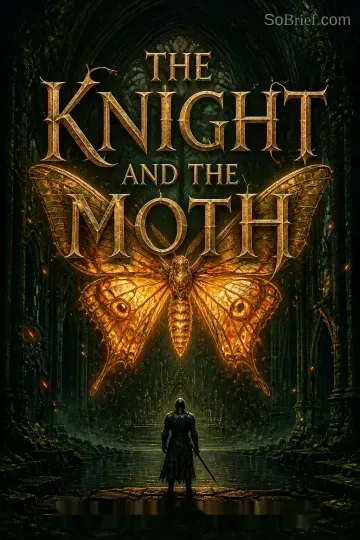
Download PDF
Download EPUB
.epub digital book format is ideal for reading ebooks on phones, tablets, and e-readers.








































