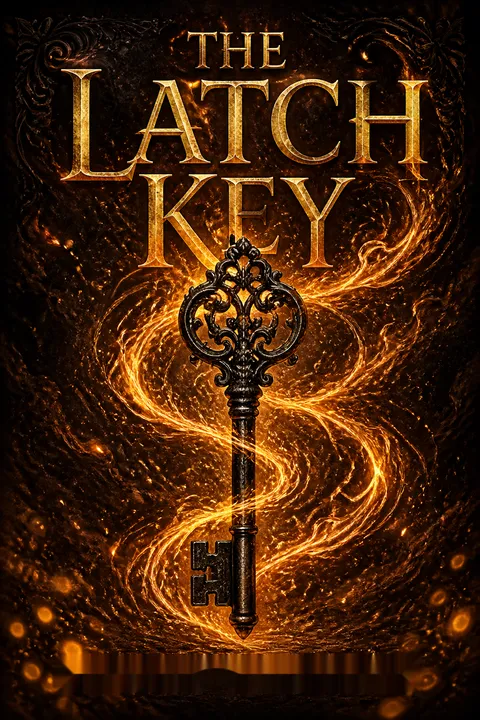

Plot Summary
Reluctant Fatherhood Begins
Elias Wilder, the Lord Sorcier, never intended to be a father or a husband, yet finds himself with both a wife, Dora, and a house full of orphaned children. Despite his discomfort around children and adults alike, Elias is determined not to shirk his responsibilities. The House, their home above a perfumed shop, is filled with the laughter and chaos of children, much to Elias's chagrin. Dora, whimsical and kind, manages the children with a gentle touch, endearing herself to them and to Elias. Elias's sense of duty wars with his lack of parenting skills, setting the stage for his struggle to balance his magical life with the demands of family. The story opens with Elias's realization that, despite his best intentions, he is not naturally suited to fatherhood, but he is determined to try.
Candlelight and Conspiracies
Returning home one evening, Elias notices a candle burning in his study—a forbidden place for the children. Suspecting his wife, he is surprised to find her and the children downstairs, innocently eating supper. The children's guilty glances reveal a minor conspiracy, and soon it's clear that young Abigail has snuck into the study. Elias's fear for her safety is palpable; the study is filled with dangerous magical tomes. He finds Abigail unharmed but guilty, reading a book far beyond her skill. The incident forces Elias to confront the reality that the children's curiosity and need for knowledge—and safety—are greater than his desire for order. He locks the study for the first time, symbolizing both his protectiveness and his distance.
The Faerie's Son
The narrative shifts to Elias's own childhood, revealing his father, Lord Swiftburn, a terrifying faerie lord. Swiftburn's realm is beautiful but deadly, with constant threats of fire and unpredictable faerie whims. Elias, a mortal child in a faerie world, learns to survive by obedience and cleverness. Swiftburn's capriciousness and disregard for Elias's safety instill deep-seated fear and insecurity. When Swiftburn leaves for England, locking Elias out of the only safe place, Elias must use his wits to survive. This formative trauma shapes Elias's understanding of power, kindness, and the dangers of unchecked authority, echoing through his later struggles as a parent.
Locked Doors, Locked Hearts
Elias's attempts to outwit his father's cruel games—sneaking back into the Whithering House through windows and chimneys—are met with escalating punishments. Swiftburn's inability to understand or care for his son's needs leaves Elias isolated and desperate. The locked doors become a symbol of both physical and emotional barriers, reinforcing Elias's sense of helplessness. The only respite comes from Lord Longshadow, a faerie who shepherds the dead, offering Elias cold comfort: if he dies, at least he will be guided to the Other Side. This bleak assurance highlights Elias's loneliness and the absence of true parental care, deepening his resolve never to become like his father.
Governesses and Ghosts
Back in the present, Dora hires Miss Langley as a governess, hoping to provide the children with stability and education. Elias, ever blunt, admits his inadequacy as a parent, referencing his own traumatic upbringing. The conversation unsettles Miss Langley but underscores the couple's commitment to doing better for their wards. Meanwhile, Abigail's resourcefulness and fearlessness draw Elias's attention—she is both a challenge and a mirror of his younger self. The arrival of new caretakers and the shifting household dynamics force Elias to confront his own limitations and the ghosts of his past, as he tries to build a safer, kinder home.
The Study's Forbidden Knowledge
Abigail's repeated incursions into the study reveal her desperate need to understand and defend herself against faerie threats. Elias, initially angry, recognizes her fear and vulnerability. Their shared conversation over tea becomes a turning point: Elias sees that his own fear-driven parenting mirrors his father's mistakes. He offers to teach Abigail magic, not just to control her, but to empower her. This act of trust and mentorship marks a shift in their relationship, as Elias begins to see the world through Abigail's eyes. The study, once a place of danger and exclusion, becomes a space for learning and connection.
Lessons in Fear and Magic
Elias's awkward but sincere efforts to teach Abigail magic help both of them heal. As Abigail's fear lessens, Elias's confidence as a guardian grows. He realizes that true protection comes not from locking doors, but from sharing knowledge and trust. The emotional distance between them narrows, and Elias's sense of responsibility deepens. Dora's gentle encouragement reassures Elias that he is not alone in his fears of becoming like his father. The family's bonds strengthen, and Elias begins to unlock not just the study, but his own heart, embracing the messy, uncertain work of parenting.
The Faerie's Cruel Holidays
In the past, Swiftburn's repeated trips to England—each a scheme to provoke mortals and assert his power—leave Elias in constant peril. The faerie's inability to comprehend mortal kindness or vulnerability highlights the gulf between their worlds. Swiftburn's punishments grow harsher as Elias outsmarts him, locking every possible entrance to the Whithering House. The cycle of abandonment and survival pushes Elias to the brink, fueling his resentment and sense of injustice. The contrast between faerie cruelty and the glimpses of mortal kindness becomes a central theme, shaping Elias's longing for a different life.
Kindness and Cunning
Lord Longshadow's advice—that the land itself, Swiftburn, might be swayed by Elias's appeal—plants a seed of hope. Elias's experiences with mortal kindness, however rare, become a lifeline. He realizes that survival in faerie requires not just cunning, but the courage to demand better. The idea that doors might open for those who ask, rather than those who obey, challenges everything Elias has learned. This chapter marks the beginning of Elias's transformation from a passive victim to an active agent in his own fate, setting the stage for his ultimate rebellion.
Fires of Fury
When Swiftburn leaves Elias locked out during another firestorm, Elias's fear turns to rage. Pleading with the land for mercy, he is met with silence—until his anger boils over. In a moment of pure fury, Elias channels the power of Swiftburn itself, burning down the Whithering House and breaking the cycle of abuse. The destruction is both literal and symbolic: Elias destroys the prison of his childhood and claims agency over his own life. The fire that once threatened him becomes his tool, marking his emergence as a force to be reckoned with, but also leaving him shaken and alone.
The Realm's True Master
Swiftburn returns to find his home in ruins and his son transformed. The confrontation between father and son is fierce, with Swiftburn threatening vengeance. But Elias, now empowered by the realm's favor, turns the fire against his father, destroying him utterly. In the aftermath, Lord Longshadow explains that the land has chosen Elias as its new lord, recognizing in him the same qualities that once drew it to Swiftburn. Elias is horrified by the thought of becoming like his father, but the choice is now his. The cycle of power and abuse is broken, but the cost is heavy.
Ashes and Aftermath
Elias is left alone amid the ashes, grappling with guilt and grief over what he has done. Lord Longshadow offers him a choice: accept the lordship of Swiftburn or seek a new life in England. Elias's longing for kindness and belonging outweighs the lure of power. He rejects the legacy of his father, determined to forge a different path. The latch key, once a symbol of imprisonment, is left behind in the ruins, as Elias prepares to leave faerie forever. The chapter closes on a note of sorrow and hope, as Elias chooses freedom over fear.
Choosing a Different Path
Elias's decision to leave faerie and seek a life among mortals is both an act of defiance and self-acceptance. He recognizes that his mortality, once a source of vulnerability, is also a source of possibility. Unlike his father, Elias can change, learn, and grow. Guided by Lord Longshadow, he steps into the unknown, carrying with him the lessons of pain, survival, and the hope for a better future. The journey is uncertain, but Elias's resolve to be different—to be kind, to be human—marks the true victory of his story.
The Latch Key's Legacy
Back in the present, Elias's experiences shape his approach to fatherhood and magic. He strives to avoid the mistakes of his own father, choosing empathy and understanding over control. The House becomes a place of safety and learning, not fear. Abigail and the other children thrive under his and Dora's care, and Elias finds unexpected fulfillment in his role as a protector and teacher. The legacy of the latch key is transformed: from a tool of imprisonment to a symbol of trust and open doors. The story ends with Elias embracing his imperfect, hard-won humanity, and the promise of a kinder future.
Analysis
Olivia Atwater's The Latch Key is a poignant meditation on the legacy of trauma, the dangers of unchecked authority, and the redemptive power of empathy. Through the dual narrative of Elias's childhood in faerie and his adult struggles as a guardian, the novel explores how cycles of abuse can be perpetuated or broken. The story's central metaphor—the latch key—serves as a powerful symbol of control, exclusion, and, ultimately, trust. Atwater deftly contrasts the cruel logic of faerie with the unpredictable kindness of mortals, suggesting that true strength lies not in domination, but in the willingness to see the world through another's eyes. Elias's journey from fearful child to compassionate protector is both harrowing and hopeful, offering a nuanced portrait of healing and change. The novel's ultimate message is that we are not doomed to repeat the mistakes of our parents; with courage and empathy, we can choose a different path, unlocking doors to a better future for ourselves and those we love.
Review Summary
Readers generally enjoyed The Latch Key, praising its exploration of Elias's childhood and his journey into fatherhood. Many found it a heartwarming epilogue to Half a Soul, appreciating the character development and world-building. The novella received positive feedback for its emotional depth, particularly regarding Elias's struggle with parenthood due to his own traumatic past. Some readers wished for more content, but overall, the short story was well-received as a valuable addition to the Regency Faerie Tales series.
People Also Read



Characters
Elias Wilder
Elias is the heart of the story—a man shaped by trauma, struggling to break the cycle of abuse he endured as a child in faerie. His relationship with his father, Lord Swiftburn, is defined by fear, powerlessness, and a desperate need for approval. As an adult, Elias is awkward, blunt, and uncomfortable with intimacy, yet fiercely protective of those in his care. His marriage to Dora and his guardianship of the orphans force him to confront his own limitations and fears. Elias's journey is one of painful self-discovery: learning to trust, to teach, and to love without becoming a tyrant. His greatest fear is repeating his father's mistakes, but his willingness to see the world through others' eyes—and to change—sets him apart. Ultimately, Elias's story is about the courage to choose kindness over power, and to redefine what it means to be a father.
Dora Wilder
Dora, Elias's wife, is a woman with "half a soul," making her both whimsical and deeply empathetic. Her kindness and open-mindedness endear her to the children and provide a necessary counterbalance to Elias's severity. Dora's ability to see the best in others, and her willingness to consider unconventional solutions, help create a nurturing environment in the House. She supports Elias through his struggles, offering reassurance and perspective when he fears becoming like his father. Dora's presence is a source of stability and hope, reminding Elias—and the reader—that love and understanding are powerful antidotes to fear and trauma.
Abigail
Abigail is a young orphan whose curiosity and determination drive much of the plot. Her repeated attempts to access Elias's study reflect both her desire for knowledge and her deep-seated fear of faerie threats. Abigail's vulnerability and courage mirror Elias's own childhood struggles, forging a bond between them. Through her, Elias learns the importance of empathy and the dangers of imposing one's own fears on others. Abigail's growth—from frightened child to empowered student—symbolizes the healing that comes from trust and shared knowledge. She is both a challenge and an inspiration to Elias, pushing him to become a better guardian.
Lord Swiftburn
Lord Swiftburn is the primary antagonist of Elias's childhood—a faerie lord whose beauty masks a terrifying unpredictability. He wields absolute power over his realm and his son, using fear and manipulation to maintain control. Swiftburn's inability to understand or value mortal kindness makes him a symbol of toxic authority. His repeated abandonment and punishment of Elias create lasting scars, shaping Elias's fears and insecurities. Swiftburn's ultimate downfall comes when Elias, fueled by rage and the realm's power, turns against him. Swiftburn's legacy is a cautionary tale about the dangers of unchecked power and the importance of compassion.
Lord Longshadow
Lord Longshadow is a faerie who serves as a guide for souls passing to the Other Side. His interactions with Elias are marked by a distant sympathy and a willingness to offer advice, if not direct intervention. Longshadow's perspective on mortality and power provides a counterpoint to Swiftburn's cruelty. He encourages Elias to seek the favor of the land itself, planting the seeds of rebellion. Longshadow's role is that of a mentor and witness, helping Elias see that he has choices, even in the face of overwhelming odds. His presence underscores the story's themes of agency and transformation.
Miss Langley
Miss Langley is hired to provide education and structure for the children. Her initial discomfort with the Wilders' unconventional household highlights the challenges of blending the magical and the mundane. Despite her reservations, she becomes an important part of the children's lives, offering stability and support. Miss Langley's presence allows Elias and Dora to focus on their own growth, while ensuring the children's needs are met. She represents the importance of community and the value of bringing in outside help when needed.
Roger
Roger is one of the orphans in the House, known for his mischievousness and aversion to peas. His interactions with Dora and the other children provide moments of levity and warmth. Roger's ability to be "picky" about food is a sign of the children's improved circumstances, contrasting with their earlier hardships. He embodies the resilience and adaptability of children, as well as the importance of small comforts in the process of healing.
Mrs Dun
Mrs Dun is the matron of the orphanage from which many of the children come. She is responsible for teaching the children basic skills, such as reading, and for ensuring their safety. Mrs Dun's efforts lay the groundwork for the children's integration into the House and their eventual empowerment. Her presence in the story highlights the importance of education and the role of caring adults in breaking cycles of trauma.
The House
The House, both in London and in Swiftburn, serves as a central setting and a symbol of safety, danger, and transformation. In London, it becomes a place of healing and growth, while in Swiftburn, it is a prison and a site of trauma. The destruction and rebuilding of these spaces mirror Elias's internal journey, as he learns to create a home defined by trust rather than fear.
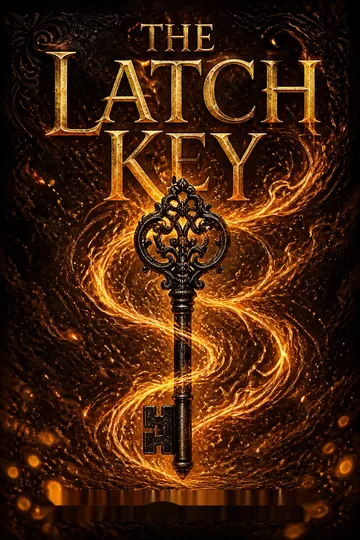
The Latch Key
The latch key, used to lock and unlock doors both literal and metaphorical, represents the shifting dynamics of power in the story. In Swiftburn, it is a tool of imprisonment and exclusion; in London, its relinquishment marks Elias's willingness to trust and connect. The key's journey from a weapon of control to a symbol of open doors encapsulates the story's central themes.
Plot Devices
Dual Timelines and Mirrored Arcs
The narrative weaves together Elias's traumatic childhood in faerie with his present-day struggles as a guardian. This dual structure allows the reader to see how past wounds inform present choices, and how cycles of abuse can be broken through empathy and self-awareness. The mirrored arcs—Elias as a powerless child and as a reluctant father—highlight the dangers of repeating old patterns and the possibility of change.
Locked Doors and Keys
The recurring motif of locked doors and keys underscores the story's exploration of control, vulnerability, and agency. Doors are locked to protect, to punish, and to exclude; keys are wielded by those in power. The act of unlocking—both physically and emotionally—marks moments of growth and connection. The final relinquishment of the latch key signifies Elias's rejection of his father's legacy and his embrace of a more open, compassionate way of living.
Fire as Transformation
Fire is both a literal and metaphorical force in the story, representing danger, anger, and the potential for renewal. Elias's ability to harness the fire of Swiftburn marks his transition from victim to agent of change. The burning of the Whithering House is a cathartic act, destroying the prison of his past and clearing the way for a new beginning. Fire's dual nature—as both threat and tool—mirrors the complexities of power and emotion.
Faerie Rules vs. Mortal Kindness
The rigid, transactional logic of faerie—where every gift must be repaid, and power is absolute—stands in stark contrast to the unpredictable kindness of mortals. Elias's longing for a world where mercy is possible drives his journey. The story uses this contrast to explore themes of agency, forgiveness, and the transformative power of compassion.
Regency Faerie Tales Series


About the Author
Other books by Olivia Atwater
Download PDF
Download EPUB
.epub digital book format is ideal for reading ebooks on phones, tablets, and e-readers.








































