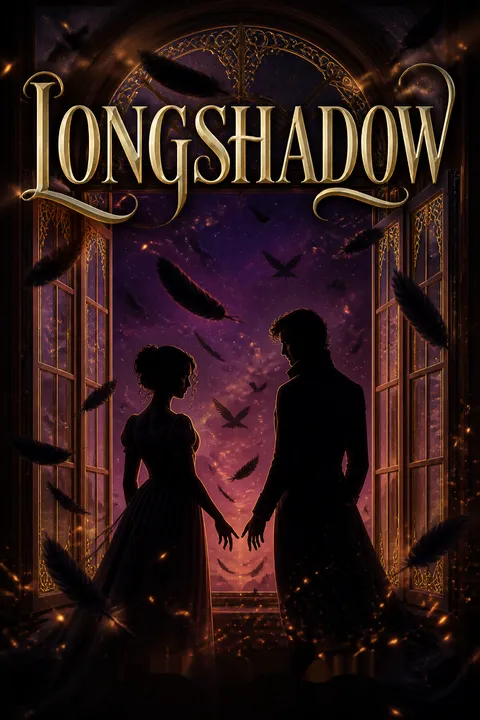

Plot Summary
Tea, Gossip, and Warnings
Abigail Wilder, foster daughter of England's court magician, endures a stifling tea with her mother Dora and the aristocratic tea ladies. Gossip swirls about recent mysterious deaths among young women, all found with their western windows open—a detail that hints at faerie involvement. Abigail's discomfort is palpable, as she feels out of place among the nobility and yearns for the magical lessons her father promised. The conversation turns to faeries, and both Abigail and Dora—survivors of faerie abduction—share a silent understanding of the real dangers lurking beneath the surface. When Lady Mulgrew presses for secrets, Dora's evasions and Abigail's quick thinking protect their family's privacy, but the sense of unease lingers. The chapter closes with Abigail and Dora leaving abruptly, the weight of unspoken threats heavy in the air.
Sluagh in the Shadows
After tea, Abigail collects her ghostly brother Hugh, who can only be seen by her thanks to a magical locket. Hugh reveals that the deaths are rumored to be the work of the sluagh—raven-like faeries who enter through western windows to claim souls. Abigail's father, Elias, is found exhausted after a magical battle with Lord Longshadow, the first among sluagh. He has bound Longshadow with powerful bans, but at great cost to his own magic. Elias insists Abigail and Hugh retreat to Hollowvale for safety, but Abigail, frustrated by secrecy and exclusion, resolves to investigate the deaths herself. The family's dynamic is marked by love, protectiveness, and the tension between independence and care.
Ghosts, Necromancers, and Mercy
Abigail's investigation leads her to the home of the latest victim, Lucy Kendall. There, she encounters Mercy, a mysterious laundress with the uncanny ability to see and touch ghosts. Suspicion and rivalry flare between Abigail and Mercy, but they are forced into uneasy cooperation when it becomes clear that Lucy's ghost is missing—an anomaly that suggests deeper magic at work. Mercy's faerie-like abilities and ambiguous motives unsettle Abigail, but Hugh is fascinated by her. The trio's interactions are fraught with mistrust, but also the first hints of camaraderie and shared purpose.
Dancing with Faeries
Abigail, Hugh, and Mercy follow clues to Kensington Gardens, where faerie paths open at night. Disguised as mortals among flower-dressed faeries, Abigail and Mercy must partner up to question the fae. Their dance on the Round Pond is both literal and metaphorical, as Abigail learns to stretch her imagination and magic under Mercy's guidance. The crocus faeries reveal that Lucy's ghost was escorted by a sluagh through the Greenhouse, toward a faerie path leading to Longshadow. The chapter deepens the connection between Abigail and Mercy, blending whimsy, longing, and the ever-present threat of faerie danger.
Iron Traps and Sacrifice
The trio enters faerie through the Greenhouse, only to be trapped by a circle of iron horseshoes—deadly to faeries and those touched by faerie magic. Mercy's attempt to break the trap backfires, burning her hands and revealing her vulnerability. Hugh volunteers to risk his own existence by seeking help from their mother, Dora, in the mortal world. The emotional stakes rise as Hugh and Abigail confront the pain of separation and the limits of magic. Mercy, despite her own pain and beliefs about ghosts moving on, helps strengthen Hugh's locket, showing unexpected compassion. The chapter is a crucible for trust, sacrifice, and the bonds of chosen family.
Hollowvale's Secrets
While trapped, Abigail and Mercy share confessions. Mercy reveals she is a "ward of faerie," carrying a piece of Longshadow within her, and that sluagh are not killers but shepherds for the dying. Their role is misunderstood, and the recent deaths do not fit their nature. The conversation explores the morality of interfering with death, the nature of faerie realms, and the possibility of change. When Dora arrives and frees them, the group returns to the mortal world, bringing Lucy's ghost with them. The chapter is rich with philosophical musings on death, agency, and the possibility of redemption for both faeries and humans.
The Nature of Death
Back in London, Abigail and Mercy continue their investigation, now with Lucy's ghost in tow. They learn that the deaths are linked by the use of belladonna, a poison that ensures the victims become ghosts. Lady Pinckney, Lucy's mother, is desperate to communicate with her daughter, but Mercy refuses to become a tool for the living to cling to the dead. The emotional toll of grief, the ethics of necromancy, and the limits of compassion are explored. Abigail's empathy and Mercy's boundaries are tested, highlighting the complexities of love, loss, and letting go.
Summoning Sluagh
Abigail, with Mercy's help, summons sluagh for answers. Lightless Moon, a gentle sluagh, is missing, and Black Catastrophe, a more fearsome one, reveals that multiple sluagh have disappeared—mirroring the deaths of the girls. The sluagh are not the killers; they are being hunted. Abigail's cleverness and respect earn her the sluagh's favor, and she gives up the blue of her eyes as a gift, symbolizing the exchange of trust and the breaking of old prejudices. The chapter marks a turning point in the investigation and in Abigail's understanding of faerie-kind.
Black Magic Unveiled
The investigation points to a black magician using outside magic—magic powered by collective belief and folk superstitions. The deaths are bait for trapping sluagh, and the ultimate goal is to capture Lord Longshadow, who possesses the power to return the dead to life with a magical apple. Mercy reveals this secret, and the group prepares for a final confrontation at a grand ball, where the next victim may be chosen. The tension between self-sacrifice and self-worth comes to a head, as Abigail and Hugh grapple with the possibility of resurrection and the ethics of who deserves a second chance.
The Poisoned Ball
At the ball, Abigail and Mercy, both dressed in midnight, navigate the treacherous social and magical landscape. Mercy's true nature as Lord Longshadow is hinted at, and Abigail is poisoned by Miss Fernside, the true black magician, who seeks to command Longshadow to bring her mother back from the dead. As Abigail's spirit is knocked loose from her body, she must race against time to save Mercy, herself, and the trapped sluagh. The chapter is a whirlwind of danger, revelation, and the shattering of illusions about love, power, and justice.
Mercy's True Name
Abigail, now a ghost, journeys through annwfyn—the dark night of the soul—guided by Black Catastrophe. She confronts her own mortality, the pain of her mother's death, and the nature of choice in the face of inevitability. Mercy, forced into her true form as Lord Longshadow by Miss Fernside's command, is revealed to be neither man nor woman, but a being shaped by the stories and gifts of others. Abigail's love and acceptance help Mercy reclaim her agency, and together they outwit Miss Fernside, who is lost to the Other Side. The chapter is a meditation on identity, love, and the power of naming oneself.
The Path to Longshadow
With the villain defeated, the group gathers in Mercy's cottage in Longshadow. The trapped sluagh are freed, and the magical apple is finally within reach. Hugh, given the choice to return to life, initially tries to give the apple to Lucy, but Mercy's judgment—rooted in the consequences of one's actions—prevents Lucy from returning. The themes of forgiveness, self-worth, and the right to choose one's fate are resolved as Hugh accepts the apple, and Abigail and Mercy affirm their love for each other. The boundaries between life and death, faerie and mortal, are redrawn with compassion and hope.
Bargains and Consequences
The aftermath of the adventure sees Abigail's reputation in tatters among the ton, but her standing in faerie is secure. Mercy, now free of her bans, is both more herself and more connected to those she loves. The consequences of choices—good and bad—ripple through the lives of all involved. Lucy lingers as a cautionary tale, while Hugh's new life is a testament to the power of kindness and second chances. Abigail and Mercy's relationship, forged in adversity, becomes a beacon of hope and defiance against the inevitability of loss.
Apples and Aftermath
Hugh returns to life, finding purpose as a healer and bringing joy to those around him. Mercy and Abigail continue their adventures, straddling the worlds of faerie and mortal, challenging the old stories that demand tragic endings for those who love differently. The magical apple, a symbol of hope and the possibility of change, remains a reminder that even in a world governed by bargains and consequences, love and stubbornness can rewrite the rules. The story closes with the promise of more adventures, more defiance, and a love that endures beyond death.
Love, Life, and Defiance
Abigail and Mercy, immortalized by their choices and their love, continue to walk the line between life and death, faerie and mortal. Their story is one of resistance against the narratives that demand suffering for those who are different. Instead, they claim a future of joy, partnership, and endless possibility. The lessons of the tale—about agency, compassion, and the right to fight for one's own happiness—resonate beyond the boundaries of the story, offering readers a new kind of faerie tale, where love is not a punishment, but a triumph.
Analysis
Longshadow is a transformative reimagining of the faerie tale, blending Regency social satire with a profound meditation on death, agency, and queer love. At its heart, the novel challenges the narratives that demand suffering or erasure for those who are different—whether by class, gender, or desire. Through Abigail and Mercy, the story asserts that love is not a punishment but a triumph, and that the right to choose—life, death, identity, love—is sacred. The use of magic as both metaphor and plot device allows for a nuanced exploration of belief, self-worth, and the power of stories to shape reality. The novel's refusal to romanticize death, its insistence on the possibility of change, and its joyful embrace of queer happily-ever-afters mark it as a radical act of storytelling. In a world that too often punishes those who defy its rules, Longshadow offers a vision of hope, resilience, and the enduring magic of love.
Review Summary
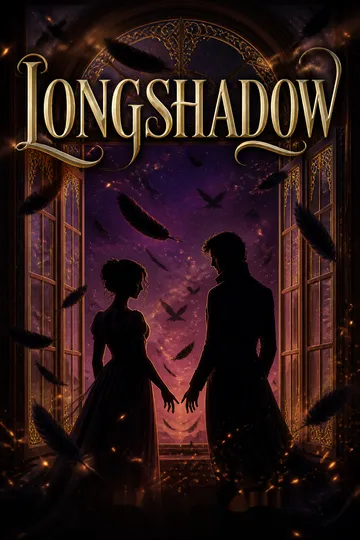
Longshadow is the third book in Olivia Atwater's Regency Faerie Tales series. Readers praise its charming characters, whimsical fantasy elements, and queer representation. The story follows Abigail Wilder as she investigates mysterious deaths among London's nobility. Many appreciate the return of familiar characters and the exploration of themes like classism and death. While some found the romance less compelling than in previous books, most enjoyed the blend of historical fantasy, mystery, and social commentary. Overall, the book is considered a satisfying conclusion to the trilogy.
People Also Read


Characters
Abigail Wilder
Abigail is the foster daughter of England's court magician, Elias, and the heart of the story. Marked by her workhouse origins and her time in faerie, she is both an outsider and a bridge between worlds. Abigail's defining trait is her refusal to accept the limits imposed by others—whether those are social hierarchies, magical dangers, or the inevitability of death. Her relationships are complex: she loves her unconventional family deeply, is fiercely protective of her ghostly brother Hugh, and is both challenged and enchanted by Mercy. Abigail's journey is one of self-acceptance, learning to trust her own worth, and discovering that love—especially queer love—can be both magical and mundane. Her psychological arc is about claiming agency, embracing vulnerability, and rewriting the rules of the stories she's been told.
Mercy Midnight (Lord Longshadow)
Mercy is a being of contradictions: a sluagh, a faerie lord, a laundress, and ultimately, a person searching for belonging. Gifted with the power to shepherd souls and the burden of being misunderstood, Mercy's journey is about learning to value individual choice over the dictates of faerie nature. Her relationship with Abigail is transformative—through love, Mercy discovers her true self, not as a mask or a role, but as a person worthy of love and capable of change. Mercy's psychological struggle is with the weight of tradition, the fear of rejection, and the longing to be seen and accepted for who she truly is. Her development is a testament to the power of self-naming and the courage to defy even the oldest stories.
Hugh Wilder
Hugh is Abigail's younger brother, a ghost anchored to the mortal world by a magical locket. His childlike wonder and acceptance of his own death are both poignant and unsettling. Hugh's journey is about finding purpose and agency even in the face of loss, and his ultimate choice to return to life is an act of both self-love and generosity. His relationships—with Abigail, Dora, and the other children of Hollowvale—are marked by tenderness and a deep longing for connection. Hugh's psychological arc is about moving from passive acceptance to active choice, and his story is a meditation on the value of every life, no matter how brief.
Elias Wilder
Elias is the Lord Sorcier, England's court magician, and Abigail's foster father. Scarred by his own upbringing in faerie and his experiences in war, Elias is both a formidable magician and a deeply loving, if sometimes overbearing, parent. His struggle is with the tension between protecting his family and allowing them to make their own choices. Elias's relationship with Abigail is central to the story's emotional core, and his eventual acceptance of her independence is a hard-won victory. Psychologically, Elias is marked by guilt, pride, and a longing for redemption—not just for himself, but for the world he is sworn to protect.
Dora Wilder (Lady Theodora Wilder / Lady Hollowvale)
Dora is Abigail's foster mother, a woman with half a soul—one half in the mortal world, the other ruling Hollowvale in faerie. Her social awkwardness and blunt honesty are both a source of humor and a shield against the cruelties of society. Dora's love for her children is unwavering, and her ability to see through pretense makes her a quiet force for good. As Lady Hollowvale, she is fierce and protective, embodying the possibility of change even for the most ancient and inhuman of faerie realms. Dora's psychological journey is about reconciling her divided self and learning to trust in the power of love and chosen family.
Lucy Kendall
Lucy is the archetype of the mean girl, whose beauty and social standing mask deep insecurity and a lack of empathy. Her death and subsequent existence as a ghost are both a punishment and a reflection of her inability to change. Lucy's interactions with Abigail, Mercy, and the others are marked by entitlement and a refusal to accept responsibility for her actions. Psychologically, Lucy is a cautionary figure—a reminder that privilege without self-awareness leads to isolation and irrelevance.
Lady Pinckney
Lucy's mother, Lady Pinckney, is a study in the dangers of unchecked grief and entitlement. Her attempts to use Mercy's magic to cling to her daughter's ghost are both understandable and deeply problematic. Lady Pinckney's arc is about the limits of power, the necessity of letting go, and the consequences of refusing to accept the boundaries of life and death. Her relationship with Abigail and Mercy is fraught with tension, manipulation, and the painful process of learning humility.
Black Catastrophe
A sluagh with a reputation for terror, Black Catastrophe is both a source of danger and an unexpected ally. Her interactions with Abigail are marked by grudging respect, and her willingness to bend the rules for those she deems worthy is a testament to the complexity of faerie morality. Psychologically, Black Catastrophe embodies the duality of death: both an ending and a necessary part of the cycle of life. Her development is about learning to value kindness and reciprocity, even in a world built on bargains.
Miss Esther Fernside
Miss Fernside is the story's true antagonist—a young woman driven to black magic by loss and resentment. Her actions are both understandable and unforgivable, a reflection of the dangers of unchecked pain and the seductive power of revenge. Miss Fernside's psychological arc is a warning about the costs of refusing to let go, and her fate is a stark contrast to the redemptive possibilities embraced by Abigail and Mercy.
Lightless Moon
Lightless is a sluagh who serves as a bridge between the mortal and faerie realms. His kindness and sense of duty are both his strength and his vulnerability. Lightless's relationship with Mercy and the other sluagh is marked by loyalty and a willingness to sacrifice for the greater good. Psychologically, Lightless represents the possibility of change within even the most ancient traditions, and his story is a quiet affirmation of hope.
Plot Devices
Dual Worlds and Liminality
The narrative structure hinges on the interplay between the mortal world and faerie, with characters moving between them both physically and emotionally. This liminality is reflected in the characters themselves—Abigail as a bridge between classes and worlds, Mercy as a being of many faces, Dora as a woman with half a soul. The use of faerie paths, magical bargains, and the ever-present threat of being trapped or transformed underscores the story's themes of agency, choice, and the possibility of change.
Magic as Metaphor
Magic in the story is divided into "inside" (faerie) and "outside" (mortal) forms, each with its own rules and limitations. The ability to use magic is tied to belief—both in oneself and in the stories others tell. This device allows the narrative to explore questions of self-worth, the power of imagination, and the dangers of collective superstition. The magical apple, the bans on Lord Longshadow, and the use of names as sources of power all serve as metaphors for the ways in which individuals can claim or be denied agency.
Foreshadowing and Reversal
The story is rich with foreshadowing: the significance of western windows, the dangers of iron, the true nature of the sluagh, and the possibility of resurrection. These elements are introduced subtly and then reversed or subverted as the plot unfolds. The revelation that Mercy is Lord Longshadow, the true purpose of the deaths, and the final fate of Lucy and Hugh all hinge on the careful deployment and reversal of expectations.
The Power of Naming and Identity
The importance of names—true names, chosen names, and the act of naming oneself—is a central plot device. Control over names grants power, but also vulnerability. Mercy's journey to claim her own name and identity is mirrored by Abigail's assertion of her worth and agency. The act of giving and withholding names becomes a metaphor for trust, love, and the right to define oneself.
Thematic Motifs: Death, Choice, and Defiance
The story repeatedly challenges the idea that death is inevitable or virtuous. Characters are given the chance to choose—whether to move on, to return, or to fight for another day. The motif of defiance—against death, against social norms, against the stories that demand suffering for the marginalized—runs throughout. The narrative structure, with its cycles of loss and renewal, reinforces the message that love and stubbornness can rewrite even the oldest tales.
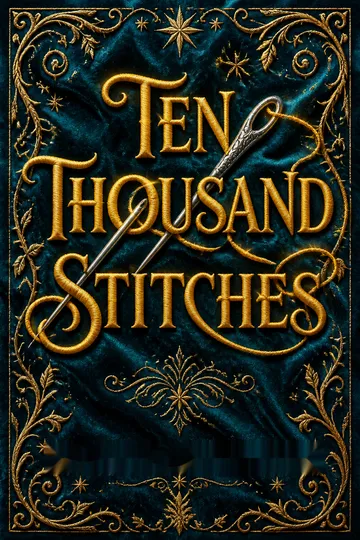
Regency Faerie Tales Series
About the Author
Other books by Olivia Atwater
Download PDF
Download EPUB
.epub digital book format is ideal for reading ebooks on phones, tablets, and e-readers.








































