
Plot Summary
Riverbank Corpse and Clues
On a misty morning by the Elkinslough River, a group gathers around a mutilated corpse. Among them are Doctor Piper, a pale, sardonic lich-doctor; Captain Mallory of the city guard; Earstripe, a gnole constable; and two paladins, Stephen and Galen. The body's chest is destroyed, and clues—like indoor shoes and a bone chip—hint at an unusual, possibly indoor murder. Piper's clinical detachment and dark humor set the tone, while the group's banter reveals both camaraderie and underlying tensions. The scene establishes the city's grim realities, the paladins' haunted pasts, and Piper's unique, unsettling ability to sense the last moments of the dead. The investigation's oddities—leather soles, missing heads, and gnole intuition—foreshadow a mystery that will draw these disparate characters together.
Paladins and Politics
Galen and Stephen, both paladins of the dead Saint of Steel now serving the Temple of the White Rat, discuss the city's shifting power dynamics. The Bishop's reforms—using former Scarlet Guild members as recordkeepers—have exposed deep corruption in the guard, making the paladins and their allies unpopular with law enforcement. Galen's return from a harrowing northern mission is met with chilly suspicion, and the paladins' outsider status is underscored. Their conversation, laced with humor and weariness, reveals the city's complex social fabric, the paladins' loyalty to the Bishop, and the growing rift between the guard and the temples. The stage is set for a collision between justice, bureaucracy, and the marginalized.
Piper's Unsettling Talent
Piper, wrist-deep in another corpse, is interrupted by Galen and Earstripe. The gnole's request to investigate older riverbank bodies is stymied by the city's lack of resources and the ephemeral nature of evidence. Piper's internal monologue reveals his preference for the dead over the living, his wariness of power, and his secret: by touching a corpse, he can relive its final moments. This ability, both a gift and a curse, isolates him from others and makes him invaluable in solving deaths. The meeting with Galen and Earstripe is awkward, tinged with mutual curiosity and the first sparks of attraction, but also with the weight of secrets and the city's prejudices.
A Gnole's Hunch
Earstripe, marginalized even within the guard, is convinced the river deaths are connected. His gnole "smell"—a metaphorical hunch—leads him to seek Piper's help outside official channels. Galen, acting as a bridge between gnole and human worlds, supports Earstripe's quest. The trio's investigation is unofficial, risky, and fraught with the threat of reprisal from Mallory and the guard. Piper's reluctance to get involved is overcome by his fascination with puzzles and his empathy for the dead. The chapter highlights the gnole's precarious position in human society, the importance of cross-species alliances, and the beginnings of a partnership that will test all three.
Deaths Along the River
Another mutilated body is found, this time with a leg severed by a sharp, heavy weapon. The investigation, conducted in secret by Piper, Galen, and Earstripe, reveals a pattern: the victims are all killed by massive, impersonal force, and their bodies show signs of being dumped from upstream, possibly from a chateau. The trio's banter—about gnole pronouns, paladin nicknames, and the city's social hierarchies—provides levity amid the horror. Piper's use of his talent gives him glimpses of the victims' last moments, hinting at a corridor, candlelight, and mechanical death. The evidence points away from the fishing villages and toward the wealthy estates, deepening the mystery and the danger.
Unlikely Partnerships
As the investigation deepens, so do the bonds between Piper, Galen, and Earstripe. Piper's clinical detachment is challenged by Galen's warmth and Earstripe's vulnerability. The trio navigates the city's undercurrents—guard suspicion, gnole prejudice, and the paladins' haunted pasts—while sharing meals, stories, and moments of unexpected intimacy. Piper's attraction to Galen grows, complicated by his own insecurities and Galen's reputation as a berserker. The group's dynamic is tested by the need for secrecy and the ever-present threat of violence, but their shared purpose forges a fragile trust. The chapter is rich with humor, longing, and the slow burn of connection.
Earstripe's Dilemma
Earstripe, forced out of the guard for his independence, faces a crisis of identity and belonging. His decision to pursue the case alone is both an act of courage and a response to systemic injustice. Piper, moved by Earstripe's desperation and Galen's support, agrees to join the dangerous journey upriver. The chapter explores the cost of doing the right thing in a world that punishes outsiders, the gnole's complex relationship with both human and gnole society, and the power of chosen family. Earstripe's vulnerability and determination galvanize the group, setting them on a path that will test their loyalty and resilience.
Journey Upriver
The trio, joined by Brindle the gnole and his ox, travel upriver toward the chateaus. The journey is physically taxing for Piper, emotionally fraught for Galen, and bittersweet for Earstripe. Along the way, they share stories, confront their limitations, and deepen their understanding of each other. The landscape shifts from city to countryside, and the group's camaraderie is tested by exhaustion, discomfort, and the looming threat of violence. The journey is both literal and metaphorical—a passage from isolation to interdependence, from suspicion to trust, and from the known into the unknown.
Village Secrets and Sorrows
In a fishing village, Piper's medical skills are called upon to help a woman with a childbirth injury, highlighting the limits of his power and the inequities of rural life. The investigation yields little evidence, but the experience leaves Piper shaken by the suffering he cannot alleviate. The chapter explores the intersection of personal and systemic failure, the burden of compassion, and the ways in which small acts of kindness can ripple outward. Piper's frustration with the world's indifference is mirrored by Galen's own struggles with guilt and helplessness, drawing them closer even as the mystery remains unsolved.
Chateaus and Hidden Doors
The investigation leads to a decaying chateau, where the caretaker Thomas welcomes the group with suspicious eagerness. A cryptic warning from the housekeeper and the discovery of an ancient ivory door in the cellar set the stage for horror. Thomas, obsessed with the ancients, invites them to explore a series of corridors and rooms made of unbreakable ivory, lit by mysterious lights. The group's unease grows as they realize the place is a death trap, designed by a lost civilization for purposes unknown. The chapter is thick with atmosphere, dread, and the sense that they have crossed a threshold into something inhuman.
The Ivory Maze
Inside the maze, the group is subjected to a series of deadly traps—falling blades, shifting floors, poison gas—triggered by inscrutable mechanisms. Thomas reveals himself as a murderer, using the maze to test both animals and humans, and locks the trio inside to "run the gauntlet." Piper's talent allows him to identify the rooms where previous victims died, confirming their worst fears. The maze is both a physical and psychological ordeal, forcing the group to confront their mortality, their trust in each other, and the limits of their courage. The ancient technology is both awe-inspiring and terrifying, a testament to a civilization whose genius was matched only by its cruelty.
Traps, Blood, and Betrayal
Navigating the maze requires ingenuity, nerve, and sacrifice. Galen's berserker strength and Piper's forensic insight are tested to the limit, while Earstripe's gnole perspective provides unexpected solutions. The group's survival depends on their willingness to trust each other and to confront their own fears—Galen's nightmares, Piper's self-doubt, Earstripe's sense of responsibility. The traps grow more complex and lethal, and the group is forced to make impossible choices. Betrayal by Thomas, the ever-present threat of death, and the revelation of the maze's true purpose—a testing ground for ancient machines—raise the stakes to a fever pitch.
The Maze's Deadly Logic
The trio deduces that the maze was designed as an obstacle course for ancient machines, not humans—a place to test and destroy clockwork creations. The realization brings both relief and despair: there is always a way through, but it may not be meant for them. The group's progress is marked by loss—of innocence, of certainty, of physical safety. Injuries mount, tempers fray, and the psychological toll becomes acute. Yet, moments of humor, tenderness, and even desire persist, as Piper and Galen's attraction deepens amid the peril. The maze becomes a crucible, forging their bond in fire and blood.
Confessions and Connections
Trapped and exhausted, the group shares their deepest secrets: Piper's talent and its cost, Galen's guilt over his god's death and his berserker rages, Earstripe's struggle for acceptance. Vulnerability breeds intimacy, and Piper and Galen finally give in to their desire, finding solace in each other's arms. The chapter is a meditation on trauma, resilience, and the ways in which love can grow in the unlikeliest soil. The group's survival is no longer just a matter of escaping the maze, but of holding onto their humanity in the face of inhuman design.
Nightmares and Vulnerability
A night of uneasy rest is shattered when Galen, caught in a nightmare, enters a berserker rage and nearly kills Piper. Only Earstripe's quick thinking and the maze's shifting traps prevent disaster. The aftermath is raw and painful—Galen's shame, Piper's fear, and the group's shaken trust. Yet, through apology, humor, and the stubborn refusal to give up on each other, they find a way forward. The incident cements the reality of Galen's condition and the risks of intimacy, but also the depth of his and Piper's feelings. Vulnerability becomes both a weapon and a shield.
Desire in the Dark
In the aftermath of trauma, Piper and Galen's relationship deepens, moving from tentative attraction to passionate consummation. Their lovemaking is both an act of defiance against the maze's death and a reclamation of agency. The chapter is sensual, tender, and suffused with the knowledge that happiness is fleeting and hard-won. The group's survival is no longer just about escaping the maze, but about finding meaning and connection in a world that seems designed to destroy both. The darkness of the maze is pierced by moments of joy, laughter, and hope.
The Scorpion Machine
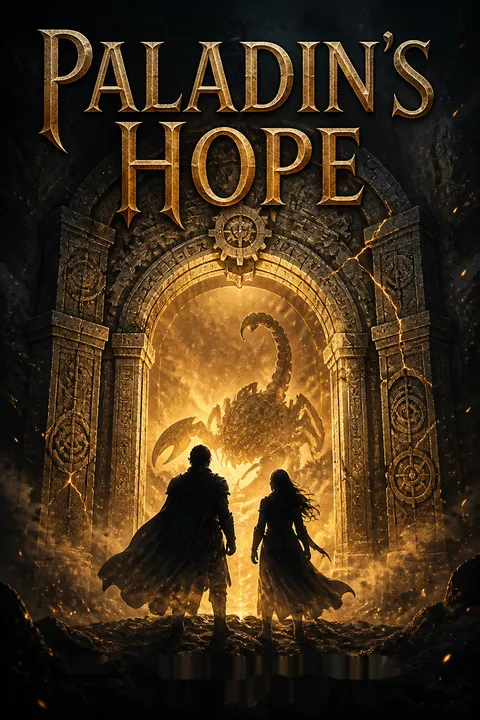
At the maze's end, the group faces a crippled but deadly ancient machine—a scorpion-like automaton. Galen, battered and exhausted, draws on the last reserves of his strength and the battle-tide to defeat it in a brutal, desperate fight. The victory is pyrrhic: Earstripe is gravely wounded by a crossbow bolt as they escape, and the group is forced to rely on the kindness of strangers and the skill of gnole healers. The chapter is a testament to endurance, sacrifice, and the cost of survival. The maze is left behind, but its scars remain.
Escape and Aftermath
The group's return to the city is marked by relief, exhaustion, and the need for justice. Earstripe's life hangs in the balance, and Piper's medical skills are tested as never before. The city's bureaucracy and prejudice threaten to undo all they have accomplished, as Earstripe is arrested for vigilantism. Piper, Galen, and their allies—human and gnole—mount a campaign for his release, navigating the labyrinth of power with the same ingenuity and courage that saw them through the maze. The chapter is a meditation on the fragility of justice and the power of solidarity.
Justice for Earstripe
Piper, in his formal robes, confronts the city's authorities with evidence, logic, and the moral authority of the lich-doctors. With Galen and Stephen at his side, he exposes the flaws in the guard's case and secures Earstripe's release. The victory is bittersweet—Mallory's career is ruined, the guard's prejudice is laid bare, and the gnoles' place in the city remains precarious. Yet, the chapter ends with hope: alliances are forged, lessons are learned, and the possibility of a more just future glimmers on the horizon. Piper and Galen, their bond tested and renewed, walk into the night together.
Love, Loss, and Hope
Months later, Piper and Galen are married, their love forged in the crucible of shared ordeal. The paladins gather to lay their dead god to rest, and Piper stands by Galen as he mourns and remembers. The scars of the past remain, but the future is open—uncertain, but filled with the promise of healing, connection, and the stubborn persistence of hope. The story ends with a sense of hard-won peace, the knowledge that love endures, and the conviction that even in a world of death and darkness, life and light can prevail.
Analysis
Paladin's Hope is a masterful blend of mystery, fantasy, and romance, set in a world where the scars of the past—personal, political, and technological—shape every aspect of the present. At its heart, the novel is about the struggle for justice and connection in a world designed to exclude and destroy. The ancient ivory maze, with its inhuman logic and deadly traps, is both a literal and metaphorical crucible, forcing the characters to confront their fears, their limitations, and their need for each other. Piper's journey from isolation to intimacy, Galen's from self-loathing to self-acceptance, and Earstripe's from marginalization to agency are all deeply human stories, rendered with wit, compassion, and unflinching honesty. The novel's treatment of trauma—personal and systemic—is nuanced and unsparing, but never hopeless. Instead, it insists on the possibility of healing, the necessity of solidarity, and the stubborn persistence of love. In a world of death and darkness, Paladin's Hope offers a vision of life and light, hard-won but enduring. Its lessons are clear: justice is a collective endeavor, healing is possible even for the most broken, and hope, though fragile, is worth fighting for.
Review Summary
People Also Read



Characters
Piper
Piper is a lich-doctor, specializing in the dead and shunning the living. His pale skin and sardonic wit mask a deep well of empathy and a unique, burdensome talent: by touching a corpse, he relives its final moments. This ability, both a gift and a curse, isolates him from others and makes him invaluable in solving deaths. Piper's relationships are marked by caution and self-doubt, but beneath his detachment lies a fierce compassion and a longing for connection. His journey is one of vulnerability—learning to trust, to love, and to accept both his power and his need for others. His romance with Galen is transformative, challenging his isolation and offering the possibility of healing.
Galen
Galen, once a paladin of the Saint of Steel, is marked by trauma, guilt, and the ever-present threat of berserker rage. His god's death left him and his brothers broken, feared, and adrift. Galen's humor and charm mask deep wounds—nightmares, self-loathing, and the fear that he is too dangerous to love. His loyalty to the Temple of the White Rat and his willingness to risk himself for others are both penance and purpose. Galen's relationship with Piper is a lifeline, forcing him to confront his fears and to believe in the possibility of forgiveness and joy. His arc is one of hard-won self-acceptance and the courage to love despite the risk.
Earstripe
Earstripe is a gnole constable, navigating the treacherous waters of human prejudice and gnole tradition. His intuition—described as a "smell"—drives the investigation, but his independence costs him his place in the guard. Earstripe's journey is one of sacrifice, resilience, and the search for belonging. He is both a bridge and a casualty of two worlds, forced to choose between duty and survival. His injury and imprisonment test the loyalty of his friends and the justice of the city. Earstripe's story is a testament to the power of perseverance, the pain of exclusion, and the hope of solidarity.
Stephen
Stephen, another survivor of the Saint of Steel's death, is calm, grave, and deeply loyal to the Temple of the White Rat. He serves as a moral compass and mediator, his sadness tempered by wisdom and compassion. Stephen's role is often that of peacemaker, both among the paladins and in the city's fraught politics. His friendship with Galen is a source of strength, and his support for Piper and Earstripe is unwavering. Stephen's arc is quieter but no less profound—a journey from grief to acceptance, from isolation to community.
Captain Mallory
Mallory is an honest man in a corrupt system, assigned to the city's worst district as punishment for his integrity. His relationship with Earstripe is complicated—respect tinged with prejudice, loyalty undermined by institutional inertia. Mallory's inability to protect Earstripe or to challenge the guard's corruption is both a personal and systemic failure. His arc is one of disillusionment, as he is forced to confront the limits of his power and the consequences of inaction.
Brindle
Brindle is an older gnole, proud and practical, who provides both literal and emotional support to the group. His relationship with Earstripe is familial, and his knowledge of gnole society is invaluable. Brindle's presence is a reminder of the strength and resilience of gnole culture, as well as the importance of interdependence. He is both comic relief and moral anchor, guiding the group through danger and uncertainty.
Thomas
Thomas is the caretaker of the chateau and the architect of the group's ordeal. His obsession with the ancients and his willingness to sacrifice others in pursuit of knowledge make him both pitiable and monstrous. Thomas's polite demeanor masks a chilling amorality, and his betrayal is both shocking and inevitable. He is a symbol of the dangers of unchecked curiosity and the capacity for evil in the pursuit of understanding.
Skull-of-Ice
Skull-of-Ice is a senior gnole doctor, formidable and wise, who ultimately saves Earstripe's life. Their willingness to collaborate with Piper marks a turning point in human-gnole relations, offering the possibility of mutual respect and shared knowledge. Skull-of-Ice's authority and skill are a counterpoint to human arrogance, and their acceptance of Piper is both a personal and political victory.
Bishop Beartongue
Beartongue is the leader of the Temple of the White Rat, a genius at political maneuvering and social reform. Her efforts to root out corruption and empower the powerless make her both admired and feared. Beartongue's support for Piper, the paladins, and the gnoles is instrumental in their survival and success. She is a symbol of the possibility of change, even in a world resistant to it.
Shane
Shane is another of the Saint of Steel's broken paladins, steadfast and reliable. His presence is a source of comfort and stability, both in battle and in the aftermath. Shane's loyalty to his brothers and his willingness to support Piper and Earstripe reflect the best of the paladin tradition. He is a reminder that healing is possible, even after unimaginable loss.
Plot Devices
The Ivory Maze
The maze beneath the chateau is the central plot device—a series of rooms filled with deadly traps, designed by a lost civilization to test and destroy machines. It serves as both literal and metaphorical crucible, forcing the characters to confront their fears, their limitations, and their need for each other. The maze's logic—always a way through, but not always for humans—mirrors the challenges of navigating a world built for others. Its inhuman design and inscrutable purpose heighten the sense of alienation and danger, while its ancient technology provides both awe and horror.
Piper's Talent
Piper's ability to experience the final moments of the dead is both a narrative engine and a source of psychological depth. It allows for unique forensic insight, drives the investigation, and provides a window into the story's themes of empathy, trauma, and the cost of knowledge. The talent is also a source of isolation and vulnerability, shaping Piper's relationships and his sense of self.
Berserker Rage
Galen's berserker fits, triggered by nightmares or danger, are a constant source of tension and risk. They threaten the group's safety, complicate intimacy, and serve as a metaphor for trauma and the struggle for self-control. Yet, in moments of crisis, Galen's rage is also a source of strength, enabling him to protect those he loves and to survive the maze's horrors.
Cross-Species Alliance
The alliance between Piper, Galen, and Earstripe is both a plot device and a thematic statement. Their collaboration, forged in adversity, challenges the city's prejudices and offers a model for solidarity across lines of species, class, and caste. The partnership is tested by betrayal, injury, and institutional resistance, but ultimately endures, suggesting the possibility of a more just and inclusive world.
Bureaucratic Injustice
The city's bureaucracy, corruption, and prejudice are as much an antagonist as any murderer or machine. The group's struggle to secure justice for Earstripe, to navigate the guard's internal politics, and to challenge the status quo provides both narrative tension and social critique. The plot's resolution depends not just on individual heroism, but on the ability to work within—and against—the system.
Foreshadowing and Parallelism
The story is rich in foreshadowing—early clues about the nature of the deaths, the maze's purpose, and the characters' vulnerabilities pay off in later chapters. Parallel structures—such as the physical maze and the bureaucratic labyrinth, or the traps of the ancients and the traps of trauma—reinforce the story's themes and emotional arcs. The narrative's structure, moving from isolation to partnership, from danger to healing, mirrors the characters' journeys.
About the Author
Other books by T. Kingfisher



Download PDF
Download EPUB
.epub digital book format is ideal for reading ebooks on phones, tablets, and e-readers.








































