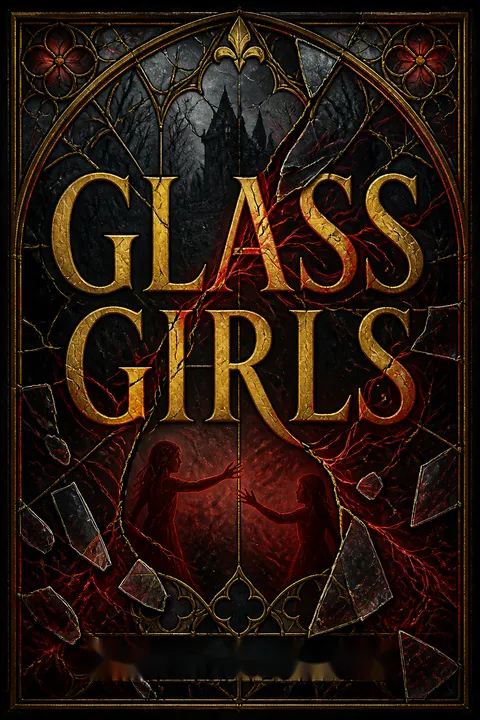

Plot Summary
Once There Was Power
The Glass family's story begins with a mother's bedtime tale: a girl who cuts off her shadow—her magic—for love, only to be rejected and left powerless. This fable is a warning to her daughters, Isabeau (Beau) and Bronwyn, that their gifts are both a blessing and a curse. Their mother, Gisele, is a witch and an Oracle, and she raises her daughters in a world where power is survival, and softness is a threat. The family's magic is hereditary, but it comes with a terrible price: every son dies before adulthood. The girls are taught to never question their gifts, to never trade power for happiness, and to fear the world's demands for their conformity. This legacy of power, pain, and secrecy shapes everything that follows.
The Test and the Secret
Alice Haserot, formerly Isabeau Glass, discovers she is pregnant just as her carefully constructed adult life is threatened by the reappearance of her estranged sister, Bronwyn. Living with her loving but fragile partner Eli, Alice is haunted by the trauma of her childhood and the curse that dooms any son she might bear. The pregnancy test is a catalyst, forcing Alice to confront the secrets she's hidden from Eli and herself. When Bronwyn finds her, calling her by her old name, Alice's past and present collide. The encounter is fraught with fear, guilt, and the knowledge that the family's magic—and its curse—can never truly be escaped.
Sisters, Shadows, and Curses
The Glass sisters' childhood is marked by constant movement, poverty, and the ever-present threat of their mother's volatile love. Gisele's magic is real, but so is her cruelty. The girls' gifts manifest early—Bronwyn as a Diviner, Alice as a Medium able to see and channel ghosts. Their brother Killian is born despite the curse, and the family dares to hope for happiness. But the curse is inexorable, and Gisele's obsession with saving her son warps her love into something monstrous. The sisters' bond is forged in shared suffering, but also in the knowledge that their magic sets them apart—and may ultimately destroy them.
The Little House Arrival
When Gisele marries Frank and the family settles in the Little House in Kirtland, Ohio, it seems like a chance for stability. Frank is kind, patient, and tries to be a good father, but he cannot protect the children from Gisele's darkness. The Little House is both sanctuary and prison, a place where the sisters care for Killian and each other, even as Gisele's desperation to save her son grows. The house itself becomes a character—crooked, drafty, and resistant to change, mirroring the family's inability to escape their fate. The hope of a normal life is always just out of reach, undermined by the curse and Gisele's relentless need for control.
The Boy and the Bargain
Killian's birth is both miracle and tragedy. The family's joy is shadowed by the knowledge that he is doomed. Gisele's love for her son becomes an obsession, and she enlists Alice's gift as a Medium to find a way to keep Killian alive after death. The plan: when Killian dies, Alice will channel his ghost, allowing him to live on in her body. This demand is both a burden and a violation, forcing Alice to choose between her own autonomy and her love for her brother. The sisters' protectiveness of Killian is fierce, but it cannot shield him—or themselves—from the curse's consequences.
Gifts, Ghosts, and Grief
As Alice's gift develops, she becomes the family's conduit to the dead, performing séances and banishing ghosts for clients. The work is dangerous and exhausting, and Gisele's training is harsh and unrelenting. Bronwyn's magic is dismissed, her rebellion punished. The sisters endure physical and emotional abuse, their childhoods consumed by the demands of magic and the ever-present threat of Killian's death. When Alice encounters a poltergeist—a ghost twisted by pain and unfinished business—she glimpses the horror that could await Killian. The family's attempts to outwit the curse only deepen their suffering, binding them ever tighter to their tragic legacy.
The Poltergeist Summer
As Killian's death approaches, Gisele's efforts to save him become increasingly frantic. Alice is forced to channel more dangerous ghosts, enduring physical harm and psychological trauma. The family's relationships fray under the strain—Frank withdraws, Bronwyn rebels, and Alice is pushed to the brink. When Killian learns the truth about the curse, he demands agency over his own fate, refusing the plan to live on as a ghost in Alice's body. The summer is marked by escalating violence, failed rituals, and the realization that some losses cannot be prevented, no matter how powerful the magic or how deep the love.
The Blood Oath's Price
When Killian dies in a tragic accident, the family is shattered. Gisele, unable to accept his death, imprisons Alice in the shed, forcing her to swear a blood oath to bind Killian's ghost to her body. The ritual is a violation of Alice's will and body, a final act of maternal control that leaves lasting scars. Killian becomes a poltergeist, his pain and rage growing as he is trapped between worlds. Alice, traumatized and desperate, eventually escapes by binding her own magic—cutting out her shadow and severing the connection to her brother. The cost is immense: freedom from magic, but also from the possibility of healing or closure.
Running from the Past
Alice flees her family, changes her name, and tries to build a new life. She is haunted by guilt, trauma, and the knowledge that her brother's ghost may still be suffering. Bronwyn, too, escapes but is drawn back by her own wounds and the needs of her daughters. The sisters' paths diverge and converge, shaped by the choices they made and the pain they carry. When Bronwyn's daughter Willow dies and becomes a ghost, the cycle threatens to repeat. Bronwyn seeks out Alice, forcing her to confront the past she has tried so hard to bury.
Reunion and Revelations
Bronwyn's arrival in Alice's life is both a threat and a plea for help. Willow's ghost is becoming a poltergeist, endangering Bronwyn's surviving daughter, Ryann. Alice, now pregnant and terrified of repeating her mother's mistakes, is drawn back into the world of magic and ghosts. The sisters must navigate their fraught relationship, the legacy of their mother's abuse, and the demands of their own children. As they work together to save Ryann and Willow, they are forced to reckon with the truth of their family's curse, the limits of forgiveness, and the possibility of breaking the cycle.
The Dead Girl's Story
Through Willow's ghost, the sisters learn the full extent of Gisele's manipulations. Gisele, dying and desperate, orchestrated events to bind Killian's ghost to Willow, ensuring that the family's pain would continue. Willow's attempts to protect her sister only trapped both girls in a web of magic and suffering. The revelation is devastating, but it also offers a path to resolution: if Alice can reclaim her magic and find the blood oath that binds Killian, she may be able to set both ghosts free. The sisters prepare for a final confrontation with the past, armed with hard-won knowledge and the hope of redemption.
The Return to Kirtland
Alice and Bronwyn return to the Little House, the site of so much trauma and loss. The house is a ruin, haunted by Killian's rage and Gisele's absence. The sisters must navigate physical and emotional dangers, relying on their magic and each other to survive. The confrontation with Killian is both terrifying and heartbreaking—he is lucid, suffering, and desperate for release. Alice offers herself as a vessel, willing to sacrifice her own body if the ritual to free him fails. The sisters' courage and love are tested to the limit as they face the consequences of their family's choices.
The Final Confrontation
In the shattered remains of the Little House, Alice and Bronwyn face Killian's poltergeist. The ritual to break the blood oath is both a reckoning and an act of mercy. Alice must confront her own guilt, Killian's anger, and the possibility of losing herself forever. The ritual succeeds—Killian is finally set free, his suffering ended, and the cycle of pain broken. The cost is real, but so is the relief. The sisters are left to mourn, to heal, and to imagine a future not defined by the curse. The past cannot be undone, but it can be survived.
The Knot and the Fire
The destruction of the blood oath is both literal and symbolic. As Alice burns the knot that bound Killian to her, she releases not only his ghost but also herself from the legacy of control and sacrifice. The act is an assertion of agency, a refusal to be defined by the choices of others. Killian's passing is bittersweet—he is finally at peace, but the sisters are left to grieve anew. The fire that consumes the knot is also a fire of transformation, clearing the way for new growth and the possibility of happiness.
Choosing Happiness, Choosing Self
With the curse broken, Alice returns to her life with Eli, determined to choose happiness over power, honesty over secrecy. She confronts the reality of her pregnancy, deciding not to continue the cycle of pain and loss. The sisters remain connected, supporting each other as they navigate the challenges of healing and rebuilding. The ghosts of the past linger, but they no longer dictate the future. Alice's journey is one of self-acceptance, forgiveness, and the hard work of choosing a different path.
Healing, Honesty, and Home
In the aftermath, Alice and Eli face the future together, grounded in honesty and mutual support. Alice's magic is now her own, no longer a tool for others' needs or a source of fear. The sisters' relationship is transformed by truth and vulnerability, and the possibility of happiness is real, if hard-won. The story ends not with a fairy-tale resolution, but with the promise of healing, the strength to break cycles, and the courage to choose love—on their own terms.
Analysis
A modern gothic about trauma, agency, and breaking cyclesGlass Girls is a haunting, emotionally charged exploration of generational trauma, the legacy of abuse, and the struggle to reclaim agency in the face of overwhelming pain. Through the lens of magical realism, the novel examines how families pass down both gifts and wounds, and how the desire to protect can become a form of control. The curse that dooms the Glass family's sons is a metaphor for the inescapability of inherited suffering, while the daughters' magic represents both the power and the burden of survival. The story refuses easy answers—healing is hard, forgiveness is complicated, and the past cannot be undone. Yet the novel is ultimately hopeful: by confronting the truth, choosing honesty, and supporting each other, the characters carve out the possibility of happiness. The act of breaking the blood oath is a radical assertion of selfhood, a refusal to be defined by others' choices. Glass Girls is a testament to the resilience of women, the complexity of love, and the courage required to break free from the patterns that bind us.
Review Summary
Glass Girls follows Alice (formerly Isabeau), a former child medium who fled her traumatic past and family of witches. When her sister Bronwyn appears seeking help with a ghostly possession threatening her daughter, Alice must confront her abusive childhood. The debut novel blends Gothic horror, family drama, and supernatural elements with themes of generational trauma and sisterhood. While praised for beautiful prose and emotional depth, some reviewers noted slow pacing initially and an underwhelming climax. Most appreciated the unique magic system where girls receive gifts while boys die before nineteen.
People Also Read

Characters
Alice Haserot (Isabeau Glass)
Alice is the heart of the novel—a woman shaped by trauma, magic, and the impossible demands of her family. As a child, she was Isabeau Glass, a gifted Medium forced to channel ghosts for her mother's schemes and ultimately to serve as a vessel for her doomed brother. Her journey is one of survival, escape, and the struggle to reclaim agency over her own life. Alice is fiercely protective, deeply loyal, and burdened by guilt. Her psychological complexity is rooted in the tension between love and self-preservation, power and vulnerability. Over the course of the story, Alice moves from victim to survivor to active agent, ultimately choosing honesty, healing, and the possibility of happiness. Her relationships—with her sister, her partner, and her own magic—are fraught but transformative, and her arc is one of hard-won self-acceptance.
Bronwyn Glass
Bronwyn is Alice's older sister, a Diviner whose gift is both a source of pride and pain. She is rebellious, sharp-tongued, and often at odds with their mother's control. Bronwyn's relationship with Alice is complicated—marked by rivalry, resentment, and deep, unspoken love. As a mother herself, Bronwyn is determined to break the cycle of abuse, but she is haunted by her own failures and the loss of her daughter Willow. Bronwyn's psychological landscape is shaped by survival, guilt, and the desperate hope that she can protect her children from the fate that befell her brother. Her development is a testament to resilience, the possibility of change, and the enduring power of sisterhood.
Gisele Glass
Gisele is both villain and victim—a woman whose magical gift as an Oracle is matched only by her capacity for cruelty. Her love is conditional, manipulative, and often violent. Gisele's obsession with saving her son leads her to betray her daughters, forcing Alice into a blood oath and perpetuating the family's curse. Yet Gisele is also a product of her own mother's abuse, trapped in a cycle she cannot escape. Her psychological complexity lies in her simultaneous vulnerability and ruthlessness, her longing for power and her fear of loss. Gisele's legacy is one of pain, but also of the possibility—however faint—of understanding and forgiveness.
Killian Glass
Killian is the beloved younger brother whose life and death are at the center of the family's tragedy. Born under the shadow of the curse, he is cherished and fiercely protected by his sisters. His death is both inevitable and devastating, and his transformation into a poltergeist is a literalization of the family's pain. As a ghost, Killian is both victim and threat—suffering, angry, and desperate for release. His relationship with Alice is marked by love, betrayal, and the impossible demands of the blood oath. Killian's arc is a meditation on agency, suffering, and the longing for peace.
Eli
Eli is Alice's partner in adulthood—a man marked by his own trauma and recovery. He is patient, loving, and committed to building a life with Alice, even as her secrets threaten to unravel their relationship. Eli's presence is a counterpoint to the chaos of Alice's past, offering stability, acceptance, and the possibility of happiness. His insistence on honesty and mutual support challenges Alice to confront her fears and choose healing. Eli's development is subtle but profound, embodying the hope that love can survive even the deepest wounds.
Willow
Willow is Bronwyn's daughter, a gifted Empath whose sensitivity makes her both extraordinary and vulnerable. Her death and subsequent haunting are the catalyst for the novel's final act, forcing the sisters to confront the consequences of their family's magic. Willow's attempts to protect her sister Ryann only entangle her further in the web of curses and rituals. As a ghost, Willow is both a warning and a plea for compassion—a reminder that the cycle of pain can only be broken by understanding and release.
Ryann
Ryann is Bronwyn's surviving daughter, a teenager caught between the legacy of her family's magic and the desire for a normal life. Her gift is weak, but her determination is strong. Ryann's vulnerability and courage are a mirror to Alice's own journey, and her survival is a testament to the possibility of breaking the cycle. Ryann's relationship with her mother and aunt is fraught but ultimately redemptive, offering a glimpse of a future not defined by the past.
Frank
Frank is Gisele's husband and the children's stepfather—a man who tries to provide stability and love but is ultimately powerless against Gisele's control. His kindness is a balm, but his inability to intervene is a source of pain and resentment. Frank's arc is one of quiet tragedy, a reminder that good intentions are not always enough to prevent harm.
Susan
Susan is Eli's mother, a figure of conventional expectations and subtle judgment. Her presence in Alice's life is a reminder of the world outside the Glass family's magic—a world of ordinary problems and ordinary love. Susan's interactions with Alice and Eli highlight the challenges of building a new life after trauma, and the difficulty of bridging the gap between past and present.
The Little House
The Little House is more than a setting—it is a character in its own right. Crooked, drafty, and resistant to change, it embodies the family's history, pain, and the inescapability of the curse. The house is both sanctuary and prison, a place where hope and horror coexist. Its final ruin mirrors the family's journey from denial to confrontation, and its emptiness at the end is both loss and liberation.
Plot Devices
Generational Curse and Magical Realism
The novel's central plot device is the hereditary curse that dooms every son to die young and burdens every daughter with a unique magical gift. This curse is both literal and symbolic—a manifestation of generational trauma, abuse, and the struggle to break free from destructive patterns. The magic is grounded in folk rituals, blood oaths, and the physicality of scars and runes, blurring the line between the supernatural and the psychological. The use of ghosts and poltergeists externalizes the characters' pain, making the invisible visible and forcing confrontation with the past.
Nonlinear Narrative and Flashbacks
The story unfolds through a nonlinear structure, moving between Alice's present and the sisters' shared past. Flashbacks to childhood, adolescence, and key moments of trauma are interspersed with the adult narrative, creating a tapestry of memory and meaning. This structure allows the reader to experience the cumulative weight of the family's history, the slow accretion of wounds, and the ways in which the past shapes the present. The gradual revelation of secrets and betrayals builds tension and deepens the emotional impact.
Blood Oaths, Rituals, and Physical Scars
The novel's magic is intensely physical—blood oaths, carved runes, and the act of cutting out one's shadow are all literal acts with lasting consequences. The body becomes a site of both power and pain, a record of choices made and prices paid. Rituals are both acts of agency and acts of violation, reflecting the complex interplay between autonomy and control. The destruction of the blood oath is the climax of the narrative, a moment of both release and reckoning.
Foreshadowing and Symbolism
The novel is rich in foreshadowing—Gisele's bedtime story, the recurring motif of shadows and cutting, the symbolism of the Little House, and the presence of ghosts all point toward the inevitability of confrontation and the possibility of change. The use of tarot cards, herbs, and folk rituals grounds the magic in tradition, while also serving as metaphors for the characters' psychological journeys. The final act of burning the blood oath is both a literal and symbolic breaking of the cycle.
Download PDF
Download EPUB
.epub digital book format is ideal for reading ebooks on phones, tablets, and e-readers.








































