
Plot Summary
Blood and Vengeance
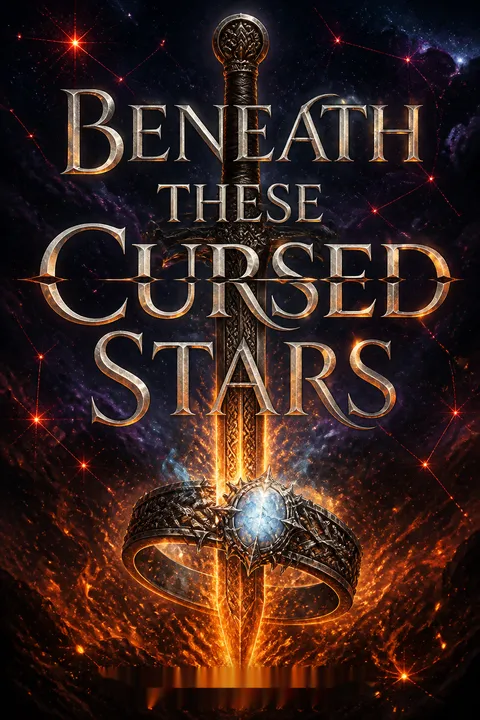
Jasalyn, haunted by her time as a prisoner in the Unseelie dungeons, stalks the night with a magical ring that grants her the power to kill with a kiss and erase herself from memory. Her vengeance is methodical, targeting those who tormented her and her friend Crissa. Yet, each act of retribution leaves her emptier, her heart numbed by the ring's magic. The court is uneasy, rumors swirl of the dead king Mordeus's return, and Jasalyn's sister, Queen Abriella, grows desperate to protect her. Jasalyn's quest for justice is tangled with guilt and the fear that she is becoming as monstrous as those she hunts. The ring's power is seductive, but its cost is steep, and the line between justice and cruelty blurs with every life she takes.
Haunted by Shadows
Jasalyn's days are spent in the shadow of her sister's throne, her nights haunted by memories of torture and helplessness. Scars appear on her body, each a physical echo of past wounds, and she hides them from Abriella, who is consumed by guilt and worry. The palace is a gilded cage, and Jasalyn's isolation deepens as she pushes away those who care for her. Her only solace is the cold numbness the ring provides, but even that is fleeting. The threat of Mordeus's resurrection looms, and Abriella's attempts to shield Jasalyn only make her feel more powerless. The sisters' love is fierce but fraught, and the past refuses to stay buried.
The Faceless Plague
Across the courts, fae are found dead in groups, their bodies unmarked, their deaths inexplicable. Whispers of a "faceless plague" spread fear, and the court's stability is threatened. Jasalyn's nightly killings are only a small part of the carnage, but she fears she is somehow connected. The deaths are magical, and suspicion falls on the queen, deepening the court's divisions. The plague is more than a disease—it is a symptom of a deeper rot, a sign that old evils are stirring. As the body count rises, the boundaries between vengeance, justice, and collateral damage blur, and Jasalyn's sense of self unravels.
Echoes and Impostors
Felicity, a shifter and Echo, is drawn into the intrigue when her brother Hale kidnaps Jasalyn, hoping to use her to bring down the tyrant Erith in Elora. Felicity is tasked with impersonating Jasalyn at court, a role that demands she master the princess's scars, mannerisms, and trauma. The deception is perilous—one misstep could mean death. Felicity's own past is tangled with prophecy and loss, and her ability to take on others' forms is both a gift and a curse. As she navigates the palace, she must balance loyalty to her family, the weight of destiny, and the risk of being unmasked.
The Enchanting Lady's Ring
The moonstone ring Jasalyn wields is more than a tool for vengeance—it is a relic of ancient, forbidden magic. It grants her the power to enthrall, to kill with a kiss, and to erase herself from memory, but it also numbs her heart and threatens to consume her identity. The ring's origins are shrouded in mystery, tied to blood magic and a witch's bargain. Its power is addictive, and Jasalyn fears losing herself to the Enchanting Lady persona it creates. The ring's true cost is hidden, and as its magic begins to change, Jasalyn is forced to confront the possibility that she is not its master, but its victim.
Sisters and Scars
Abriella's reign is defined by her devotion to her sister and her court. She is fierce, compassionate, and haunted by the knowledge that she cannot protect Jasalyn from the scars of the past. Their relationship is a tapestry of love, regret, and unspoken pain. Abriella's efforts to heal Jasalyn are met with resistance, and the secrets between them fester. The scars on Jasalyn's body are matched by wounds in her heart, and both sisters are shaped by the choices they made to survive. Their bond is their greatest strength—and their greatest vulnerability.
The Wild Fae Sanctuary
Forced to leave the palace for her own safety, Jasalyn is sent to the Wild Fae lands under King Misha's protection. The territory is breathtaking, a place where nature and magic intertwine, but Jasalyn is wary of fae kindness. Misha is patient, offering her purpose and training, but she resists connection, fearing betrayal and loss. The Wild Fae court is a haven for outcasts and dreamers, and Jasalyn is challenged to confront her trauma, her power, and the possibility of a future not defined by fear. The sanctuary is both a refuge and a crucible, and Jasalyn's journey toward healing is fraught with setbacks and revelations.
Bargains and Betrayals
The web of alliances and betrayals grows ever more tangled. Hale's rebels seek to use Jasalyn as a weapon against Erith, while Mordeus's followers plot to restore their king. Goblins, witches, and shifters all have their own agendas, and trust is a rare commodity. Jasalyn's relationship with Kendrick, her former cellmate and would-be savior, is complicated by secrets and old wounds. Felicity's impersonation is threatened by palace intrigue and the ever-present risk of discovery. Every bargain comes with a price, and every betrayal leaves a scar.
The Phoenix's Curse
Jasalyn's true power is revealed: she is a phoenix, able to die and be reborn, her life force a conduit for unimaginable magic. Mordeus's blood magic binds their fates, and he seeks to use her gift to resurrect himself, body and soul. The scars that appear on Jasalyn's body are the marks of this connection, each one a sign that her power is being siphoned away. The revelation is both a blessing and a curse—Jasalyn's immortality is the key to Mordeus's return, and her struggle to reclaim her agency becomes a battle for the fate of the realm.
Masks and Memories
Felicity's Echo magic allows her to perfectly mimic Jasalyn, but the cost is the erosion of her own self. Each transformation brings new memories, new scars, and new burdens. The boundaries between self and other, truth and lie, become dangerously thin. Jasalyn, too, is haunted by dreams that may be memories, visions, or the manipulations of blood magic. The past is never truly past, and the struggle to hold onto identity becomes a fight for survival. In a world of shifting faces and hidden motives, the only certainty is change.
The Queen's Gambit
As the faceless plague spreads and Mordeus's resurrection nears completion, Abriella and her allies are forced to make impossible choices. The courts are on the brink of war, and every move is a gamble. Felicity's deception is revealed, and the fallout threatens to destroy the fragile alliances holding the realm together. Jasalyn's role as both pawn and queen becomes clear—her choices will determine the fate of Faerie and Elora alike. The game is deadly, and the stakes are nothing less than the soul of the world.
The Hall of Doors
The legendary Hall of Doors, a magical nexus of portals between realms, becomes the key to reaching Erith and ending his reign. Felicity and Jasalyn race to find its location, navigating riddles, guardians, and their own doubts. The Hall is both a place and a test, demanding sacrifice and courage. The journey is perilous, and the cost of failure is annihilation. The Hall's secrets are tied to ancient magic, bloodlines, and the choices of those who came before. To open the right door is to embrace destiny—or to be lost forever.
Resurrection's Price
Mordeus's resurrection is revealed to be powered by the deaths of his followers and the siphoning of Jasalyn's phoenix magic. The faceless plague is not a disease, but a ritual sacrifice, and every act of vengeance has fed the monster she hates. The revelation is shattering—Jasalyn's quest for justice has been twisted into a tool of evil. The only way to break the cycle is to confront the past, accept responsibility, and make the ultimate sacrifice. Resurrection is never free, and the price is always paid in blood.
The Sword of Fire
The legendary Sword of Fire, lost for generations, is the only weapon capable of killing Erith and ending the Seven's tyranny. Its recovery is fraught with peril, guarded by ancient wards and deadly enemies. The sword is both a symbol and a tool, its power tied to the worthiness of its wielder. Jasalyn and her allies must prove themselves, not just in battle, but in heart. The sword's flames burn away lies and illusions, revealing the truth of who they are and what they must become to save their world.
Love and Lies
Jasalyn's growing feelings for Kendrick and Misha are complicated by secrets, betrayals, and the ever-present threat of loss. Love is both a refuge and a weapon, capable of healing wounds or inflicting new ones. Felicity's own heart is torn between duty and desire, her Echo magic blurring the lines between self and other. The lies they tell—to themselves and to each other—are as dangerous as any enemy. In a world where trust is scarce, love is the greatest risk of all.
The Dungeon's Toll
The horrors of Mordeus's dungeons are revealed in full—the torture, the blood magic, the psychological torment. Jasalyn's scars are not just physical, but spiritual, and the cost of survival is a piece of her soul. The trauma shapes her choices, her relationships, and her sense of self. Healing is a slow, painful process, and the past is never truly left behind. The dungeon's toll is paid in nightmares, in fear, and in the struggle to believe in hope again.
The Cost of Power
The magic that shapes Faerie and Elora is never free. Every gift comes with a price, every bargain with a cost. Jasalyn's ring, Felicity's Echo magic, the Sword of Fire, the Hall of Doors—all are double-edged, offering salvation and damnation in equal measure. The characters are forced to confront the consequences of their choices, to accept responsibility for the pain they have caused and the lives they have taken. Power is seductive, but it is never without cost.
Destiny's Endgame
As the final confrontation with Mordeus and Erith approaches, Jasalyn, Felicity, and their allies must decide what they are willing to sacrifice for the future they want. Prophecy and free will are in tension, and the only way forward is through acceptance, forgiveness, and the courage to change. The endgame is not just a battle for the throne, but a struggle for the soul—of individuals, of families, and of the world itself. In the ashes of old curses, new hope is born.
Analysis
A meditation on trauma, agency, and the cost of survivalBeneath These Cursed Stars is a dark, emotionally resonant fantasy that uses the trappings of court intrigue, magic, and romance to explore the psychological aftermath of abuse and the struggle for selfhood. At its core, the novel is about the ways trauma shapes identity—how scars, both visible and invisible, become part of who we are, and how the quest for vengeance can become a prison as confining as any dungeon. The story interrogates the allure and danger of power, the seductive promise of numbness, and the high price of bargains made in desperation. Through its dual protagonists, the book examines the tension between fate and free will, the burden of prophecy, and the possibility of redemption. Love—whether between sisters, friends, or lovers—is depicted as both a source of healing and a risk, requiring vulnerability and the courage to hope. Ultimately, the novel suggests that true strength lies not in erasing pain, but in facing it, accepting responsibility, and choosing to fight for a future shaped by compassion rather than fear. The lessons are clear: healing is possible, but it demands honesty, forgiveness, and the willingness to let go of the past.
Review Summary
People Also Read

Characters
Jasalyn Kincaid
Jasalyn is the younger sister of Queen Abriella, a former human marked by trauma, vengeance, and a rare phoenix gift. Her time in Mordeus's dungeons left her scarred—physically and emotionally—haunted by memories and plagued by guilt. She wields a cursed ring that numbs her heart and grants deadly power, but at the cost of her own identity and future. Jasalyn's journey is one of reclaiming agency, confronting the darkness within, and learning to accept love and forgiveness. Her relationships—with her sister, with Kendrick, with Misha—are fraught with longing, fear, and the desperate hope for redemption. As the key to Mordeus's resurrection, she must choose between self-sacrifice and survival, her fate entwined with the destiny of the realm.
Felicity (Echo)
Felicity is an Echo, a rare shifter whose magic allows her to perfectly mimic others, gaining their memories and scars. Sent to impersonate Jasalyn at court, she is torn between loyalty to her brother Hale, the demands of prophecy, and her own longing for belonging. Felicity's ability is both a gift and a curse, eroding her sense of self and blurring the line between truth and deception. Her journey is one of self-discovery, as she navigates love, betrayal, and the burden of destiny. Her connection to Jasalyn is deepened by shared trauma and the weight of secrets, and her ultimate challenge is to find her own face in a world of masks.
Abriella (Brie)
Abriella is the ruling queen of the Unseelie Court, defined by her love for Jasalyn and her determination to protect her people. She is strong, compassionate, and haunted by guilt over her sister's suffering. Brie's reign is marked by political intrigue, the threat of Mordeus's return, and the struggle to balance duty with personal loss. Her relationship with Jasalyn is the emotional heart of the story—a bond forged in hardship, tested by secrets, and ultimately redeemed by love and sacrifice.
Kendrick (Hale)
Kendrick, known as Hale, is Jasalyn's former cellmate and a leader of the Eloran resistance. Trained in magic and burdened by prophecy, he is both a savior and a betrayer—his actions shaped by impossible choices and the weight of destiny. His relationship with Jasalyn is complex, marked by shared trauma, longing, and the pain of betrayal. Kendrick's journey is one of atonement, as he seeks to right past wrongs and find hope in a world shaped by loss.
Misha
Misha is the king of the Wild Fae, a ruler defined by empathy, wisdom, and a longing for true connection. He offers Jasalyn sanctuary and purpose, challenging her to heal and reclaim her power. Misha's own wounds—romantic and political—make him both vulnerable and strong. His relationship with Jasalyn is a slow-burning romance, built on trust, respect, and the hope for a future free from the shadows of the past.
Skylar
Skylar is a member of Kendrick's rebel crew, known for her sharp tongue, combat prowess, and unwavering loyalty. She is both a foil and a confidante to Jasalyn, challenging her to confront her fears and embrace her strength. Skylar's own history is marked by loss and resilience, and her friendship is a lifeline in the darkest moments.
Remme
Remme is another of Kendrick's allies, a warrior with a rough exterior and a deep well of compassion. His relationship with Natan is a rare source of tenderness in a brutal world, and his loyalty to the cause is matched only by his loyalty to his friends. Remme's humor and pragmatism ground the group, and his journey is one of learning to hope again.
Natan
Natan is the group's historian and magical expert, a scholar whose knowledge is vital to unraveling the mysteries of the ring, the sword, and the blood magic. His relationship with Remme is a quiet anchor, and his kindness offers a counterpoint to the violence around him. Natan's insights are crucial to understanding the true cost of power and the path to redemption.
Crissa
Crissa is Jasalyn's cellmate in the dungeons, a human girl with healing magic who sacrifices her own strength to comfort others. Her fate is a catalyst for much of Jasalyn's journey, and her survival is a symbol of hope and the enduring power of friendship. Crissa's magic and compassion are both a blessing and a curse, and her story is one of endurance and quiet heroism.
Mordeus
Mordeus is the former king of the Unseelie Court, a figure of cruelty, cunning, and insatiable ambition. His resurrection is powered by blood magic, the deaths of his followers, and the siphoning of Jasalyn's phoenix gift. Mordeus is both a literal and symbolic embodiment of trauma, the past that refuses to die. His machinations drive the plot, and his defeat requires not just strength, but the courage to confront the darkness within.
Plot Devices
Blood Magic and the Cursed Ring
The story's central plot device is the use of blood magic—rituals that bind life, death, and power through pain and sacrifice. Jasalyn's ring, forged through a witch's bargain and powered by her own forfeited immortality, is both a weapon and a curse. It grants her the ability to kill and erase herself from memory, but at the cost of her agency and future. The ring's magic is intricately tied to Mordeus's resurrection, the faceless plague, and the cycle of vengeance that drives the narrative. Its seductive power is a metaphor for trauma, addiction, and the danger of seeking control through violence.
Echo Magic and Impersonation
Felicity's Echo magic allows her to perfectly mimic others, gaining their memories and scars. This device explores themes of identity, empathy, and the erosion of self. The masquerade is both a survival strategy and a source of existential crisis, blurring the lines between truth and lie, self and other. The risk of discovery heightens tension, and the device is used to explore the psychological toll of living behind masks.
Prophecy, Destiny, and Free Will
The narrative is structured around prophecies, oracles, and the tension between destiny and agency. Characters are haunted by visions of the future, the weight of expectation, and the fear that their choices are predetermined. The plot uses foreshadowing, dreams, and shifting perspectives to explore whether fate can be changed, and what it means to accept responsibility for one's actions. The endgame is a confrontation between prophecy and free will, with redemption possible only through acceptance and change.
Dual Narratives and Shifting Perspectives
The story alternates between Jasalyn's and Felicity's perspectives, using their parallel journeys to explore themes of trauma, healing, and the search for identity. The dual narrative structure allows for dramatic irony, as each character's secrets and struggles are revealed to the reader before they are known to others. The interplay between their stories heightens emotional stakes and deepens the exploration of psychological themes.
The Hall of Doors and the Sword of Fire
The search for the Hall of Doors and the Sword of Fire provides the narrative's quest structure, driving characters across realms and through trials. These mythic artifacts are more than MacGuffins—they are tests of worthiness, symbols of hope and doom, and catalysts for character growth. Their recovery demands sacrifice, courage, and the willingness to confront painful truths.
These Hollow Vows Series

About the Author

Download PDF
Download EPUB
.epub digital book format is ideal for reading ebooks on phones, tablets, and e-readers.








































