
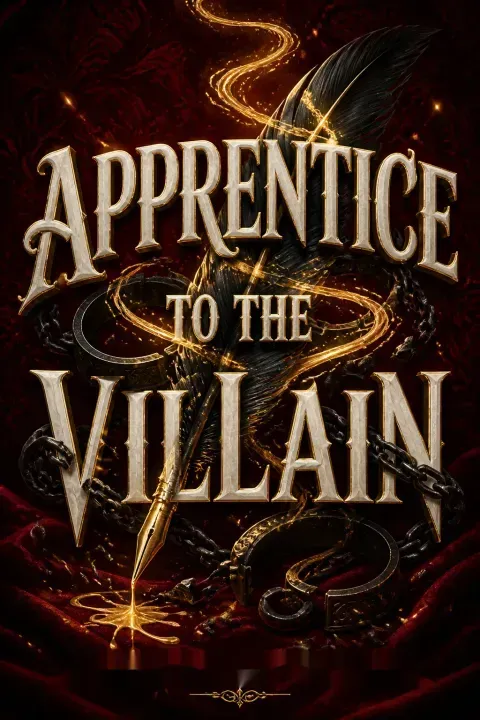


Plot Summary
Prologue
The Villain, Trystan Maverine2 sits at his desk watching his new assistant, Evie Sage1 hum by the window. In her first week, she has survived every cruelty he threw at her, including a corpse on her desk. Her relentless cheerfulness unnerves him. When she mentions leaving school at thirteen after her mother7 disappeared to care for her little sister Lyssa,3 an unwanted sympathy stirs in him.
He notices her star-wish and, after dismissing her, secretly orders a guard to follow her home. He reflects on the gold ink bond linking them: he told her it would kill her if she betrayed him, but it simply lets him monitor her safety. The frog prince Kingsley12 teases him with a sign reading PRETTY.
The prologue establishes Trystan as a man whose coldness is a defense against a world that taught him care equals vulnerability. His lie about the gold ink is a control mechanism, but the truth of its protective function reveals a nascent love he cannot name. Evie's parentification backstory foreshadows her resilience and her habit of masking pain with cheerfulness. The star-wish becomes a narrative promise—initially dismissed as childish, it will later prove to be fate. Kingsley's observations externalize Trystan's unspoken feelings, functioning as a chorus that pushes him toward self-awareness.
Evie's Bruised Throat
Imprisoned and weakened by magic-suppressing cuffs, Trystan2 is taunted by King Benedict8 with the news that Evie1 is dead. The king8 escorts him to a small chamber where Evie1's body lies on a marble table, black-and-purple fingerprints circling her throat. Trystan2 lunges at Benedict,8 hands closing around his neck before guards pull him away.
On his knees beside her, he commands her to wake, then presses his lips to her icy knuckles and whispers an apology. The gold ink bond on his arm and her finger has gone dark. As he is dragged back to his cell, a green-eyed knight4 silently mouths the word hope, planting a seed of doubt.
This scene crystallizes Trystan's worst fear: losing the one person who saw past his monstrous reputation. His violent grief, unrestrained by his usual control, reveals how completely she has dismantled his emotional defenses. The bride-like presentation of Evie's body with flowers and pale skin transforms her from a source of irritation into an object of sacred loss. Gideon's silent message of hope serves as a narrative promise to the reader that not all is as it seems, while Trystan's despair functions as the emotional low point that makes the subsequent rescue so cathartic.
The Wicked Woman Rises
At the grand unmasking ball, King Benedict8 displays Evie1's glass coffin before horrified nobles, framing her as The Villain2's final victim. As Benedict8 reaches to rip off Trystan2's mask, a woman screams: the coffin is empty. Evie1 appears at the top of the grand staircase, flowers falling from her hair, a wicked smile on her red-painted lips.
She calls out her disappointment at not receiving an invitation, then slashes Benedict8's cheek with a hidden dagger. At her signal, women throughout the crowd shed their disguises to reveal the Malevolent Guard uniform underneath. The ballroom erupts into chaos. Evie1 unmasks Trystan2 herself, and the group escapes on Fluffy the dragon.
Evie's resurrection literalizes her transformation from passive victim to active threat. By cutting the king's face in front of his court, she inverts the power dynamic and publicly claims the identity of 'The Wicked Woman.' The hidden female army embodies the novel's thesis: underestimating women is a fatal error. The mutual unmasking between Evie and Trystan is an act of radical equality—he allowed himself to be seen, and she returns the gesture. This sequence marks the inciting action that shifts the conflict from personal survival to a kingdom-wide race for the prophecy.
An Unexpected Hatchling
Back at Massacre Manor, the team learns that while Trystan2 was imprisoned, the wall separating the mated guvres was removed. The female is now pregnant. Blade6 warns that if the baby is born in captivity, Fate's retaliation could far exceed the current Mystic Illness.
The manor's magical barrier is also failing; windows and doors flicker into visibility, making their hidden base vulnerable. Evie1's younger sister Lyssa3 has been sheltered in the west wing, and her brother Gideon4 — long presumed dead — has resurfaced as her secret ally inside the palace. Trystan2 bristles at Gideon4's presence, holding him responsible for the capture.
The guvre's pregnancy introduces a urgent countdown, transforming the conflict from a personal grudge into a crisis of apocalyptic proportions. The failing barrier externalizes Trystan's crumbling emotional walls; as the manor becomes visible, so too does his attachment to Evie become undeniable. Gideon's return fractures the found-family dynamic, forcing Evie to navigate between old blood loyalties and her new bonds. Trystan's hostility toward Gideon reveals a possessive protectiveness he cannot yet articulate—he sees the brother as a rival for Evie's trust and as a reminder of her past pain.
Drunk on Stardust Flowers
Following a map created by stardust on Nura7's letters, the group journeys to the Heart Village. En route, Evie1 accidentally inhales a Piony flower and becomes drunk. At the bridge, the creatures demand Evie1 solve a riddle to cross. Despite slurring, she answers correctly: truth.
Inside the village, they are captured by a troupe of actors led by Evie1's cousin Helena, owner of the Deadlands Theater. Helena locks them in a water cellar but later frees them, admitting she was testing them. She hands Evie1 a velvet pouch from Nura7 containing a broken gold frame corner and a note reading 'Find me here, hasibsi.'
Evie's intoxicated state strips away her performative cheerfulness, allowing her to answer the riddle with unguarded honesty. The bridge creatures' demand for truth mirrors the larger quest: finding Nura requires confronting painful family secrets. Helena's theatrical test—gambling on whether the pair would undress—reveals how others perceive the simmering tension between Evie and Trystan. The broken frame piece is a classic fragmented clue, promising that Nura's past must be physically and emotionally reassembled. 'Hasibsi' is the first direct message from mother to daughter, reestablishing an intimacy severed years ago.
A Bedroom, a Wish Fulfilled
Trystan,2 his face disguised with wolf-like paint, infiltrates Evie1's old village during a festival, only to find her already there in a silver wig and rabbit face paint. Together they search her family cottage for the painting matching the frame corner. In Evie1's pink childhood bedroom, the tension that has been building since the flooded cellar finally ruptures.
Trystan2 seizes her face and kisses her with desperate hunger. She kisses him back, and afterward, breathless, recalls that on her first week she wished upon a star — and the wish was him. Their moment is shattered when Malcolm, Trystan2's estranged brother, bursts in. He has been squatting in the empty cottage.
The kiss is the inevitable collapse of Trystan's self-imposed distance, fulfilling the prologue's star-wish promise. Evie's revelation that she wished for him transforms the star from a whimsical motif into an agent of fate, suggesting their meeting was cosmically ordained. The setting—her childhood bedroom with its single pillow—contrasts with Trystan's pillow-stuffed bed, symbolizing how they complete each other's lack. Malcolm's interruption, bearing news of his burned-down tavern, reintroduces the collateral damage of Trystan's villainy, reminding him that love cannot exist in a bubble insulated from consequence.
Dagger in Her Father's Thigh
Evie1 descends to the manor dungeon to confront her father, Griffin,11 who faked a long illness while secretly serving King Benedict.8 She demands to know the identity of the red-haired girl in her mother's7 painting. Griffin11 sneers that Nura7 had no real friends and taunts Evie1 for becoming like her mother:7 weak and hysterical.
Evie1's rage crests; she buries her dagger in his thigh. Screaming, he finally reveals the girl is Renna Fortis,13 a childhood friend from a noble house. He also spits out that Gideon4 was complicit in suppressing Nura7's magic, a revelation that sends Evie1 reeling up the stairs to find her brother.4
Evie's stabbing of her father is a ritual severance from the childhood she lost and the love he weaponized. The physical violence externalizes years of suppressed fury, yet her immediate inward recoil signals her terror of becoming cold like him. Griffin's strategic disclosure about Gideon is a final act of psychological sabotage, designed to poison the sibling bond. The scene questions whether the capacity for righteous violence is a corruption of Evie's kind nature or a necessary evolution—a tension that will define her arc as she oscillates between mercy and wrath.
Brother's Guilt Unleashed
Still streaked with their father's11 blood, Evie1 chases Gideon4 through the office and pins him with her dagger. Cornered, Gideon4 tells the truth. As a teenager, his rare ability to suppress others' magic was exploited by Griffin11 and Benedict.8 Every night, he would dampen Nura7's overwhelming starlight power, believing it would protect her.
One night he failed, and Nura7's full magic erupted, causing the catastrophic breakdown that lost her. Gideon4 weeps. After a long, agonizing pause, Evie1 pulls him into an embrace and murmurs her forgiveness. The office workers pretend not to see, but their silence is its own form of witness.
Gideon's confession reframes him from betrayer to fellow victim, another child manipulated by a corrupt father. His magic—the ability to suppress power—serves as a metaphor for how trauma diminishes and silences. Forgiving him requires Evie to accept that her family's tragedy resulted not from a single act of malevolence but from a chain of misguided attempts at protection, compounded by institutional abuse. The public setting of their reconciliation, observed by the office staff, affirms that Evie's found family provides the space for healing that her blood family denied her.
Becky's Gilded Prison
The group flies to the hidden Fortis Family Fortress, where Becky5 admits she is Rebecka Fortis,5 eldest daughter of Renna.13 Sentient vines curl around her in welcome as her brothers — Raphael, Roland, Reid, and young Rudy — embrace her. Her mother Renna13 claims Nura7 is convalescing at their seaside estate and will arrive in two days.
Becky5 privately discloses to Evie1 why she fled years ago: Renna,13 desperate to cure the family matriarch's Mystic Illness, tried to forcibly siphon Becky5's inherited magic. When Becky5 refused, Renna13 turned to King Benedict8 for help. The betrayal has kept Becky5 away ever since, rebuilding her identity around order and control.
Becky's backstory serves as a dark mirror to Evie's: both daughters were failed by parents who valued power or duty over their children's autonomy. The fortress's living flora responds to Becky's suppressed emotions in ways her human family never did, offering the unconditional welcome her mother denies. Renna's deception about Nura's whereabouts foreshadows the catastrophic revelation to come. The Fortis family, outwardly noble, embodies the novel's insistence that moral corruption thrives behind glittering facades—that heroes and villains cannot be sorted by pedigree.
The Trench's Cruel Test
The fortress's ancient magic attacks Trystan,2 dragging him into the Trench, an arena where the 'hands of destiny' judge souls. He is assaulted by visions: his teenage self begging Benedict8 for approval, his first meeting with Evie1 in Hickory Forest, and finally a seductive false Evie1 who promises him power if he destroys the Fortis family and takes her instead.
Trystan2 rejects the impostor, declaring he would rather have the scraps of the real Evie1 than a perfect copy. The real Evie1 vaults into the Trench, offering her own soul in trade. The creature releases them both, but before he regains consciousness, it whispers a secret to Trystan2 that turns his face to stone.
The Trench test forces Trystan to confront his deepest wounds: his need for approval from a father-figure who only used him, and his conviction that anyone who loves him will be corrupted. The false Evie embodies his fear that his darkness will inevitably consume her goodness. His rejection of the fake signals a crucial psychological shift: he would choose a difficult, authentic love over a fantasy that demands his soul. Evie's reciprocal leap continues the pattern of mutual rescue that defines their relationship. The whispered secret—left ambiguous here but later revealed as a prophecy of mutual destruction—introduces tragic irony.
Stardust, Not a Mother
Renna13's lies collapse when a memory plant replays Nura7's bloodcurdling screams. She confesses she did not send Nura7 to the sea; instead, she used a hybrid plant to drain Nura7's unstable starlight magic. The procedure backfired catastrophically, and Nura7's power consumed her, leaving only a vial of dark-silver stardust.
Renna13 admits she summoned the Valiant Guards, hoping to have Trystan2 arrested so Becky5 would remain home. As knights swarm the fortress, the group flees on Fluffy. Before they depart, Renna13 presses into Evie1's hands a strange, jagged dark crystal slab — all her mother7 left behind.
The revelation that Nura has been dead all along subverts the quest narrative: the damsel was already lost, and the search has been a grief ritual disguised as a rescue mission. Renna's actions are a darker echo of Gideon's—both tried to control Nura's magic for what they convinced themselves were benevolent reasons, and both caused irreparable harm. The memory plant, a literal repository of trauma, externalizes the book's thesis that suppressed pain will always find a voice. The stardust vial transforms Nura into a relic, her personhood reduced to magical residue—until the cave sequence reframes this residue as potential for rebirth.
The Siege of Massacre Manor
The group returns to find the manor under full assault by the Valiant Guard. The barrier has collapsed entirely. During the brutal battle, knights use noxious gas to subdue the pregnant female guvre and haul her away in a cart. The male guvre is wounded by a spear. Evie's dagger and scar glow with iridescent light, deflecting an arrow aimed at Trystan,2 and she kills a knight with a thrown blade.
After the attackers retreat, a worse discovery emerges: Lyssa,3 manipulated by a secret note slipped under her door, had been visiting Griffin11 in the dungeon. She accidentally left the cell unlocked, allowing him to escape with a still-unknown accomplice inside the manor.
The battle marks the end of the manor's sanctuary, literalizing the infiltration of their chosen family. The loss of the pregnant guvre is a catastrophic strategic blow that accelerates the countdown to magical collapse. Evie's dagger protecting her without her conscious control suggests her latent power is manifesting independently, complicating her sense of agency. Lyssa's unwitting betrayal, born of a child's desperate hope for a loving father, exposes the vulnerability at the heart of Evie's caregiving. The traitor inside the manor introduces a destabilizing element of paranoia that will carry forward into the sequel.
A Tea Party Revelation
To soothe Lyssa3's guilt over freeing Griffin,11 Trystan2 hosts an elaborate tea party, wearing an oversized pink feathered hat while Kingsley12 sports a tiny dress. During the party, Lyssa3 declares they need more sugar for the table. In her haste, she grabs the vial of Nura7's stardust and accidentally shatters it onto the strange dark crystal slab. The collision ignites a brilliant light.
When it fades, the slab has transformed into a glittering piece of night sky with a single star glowing at its center. Evie1 stares at the shape and remembers the missing rift in the cave creature's domain. The clues fuse: the creature's title for her, her mother7's whispered wish to be 'swallowed by midnight,' the stardust. Nura7 became a wishing star.
The tea party, with its absurd costuming and stuffed-animal protocol, provides a necessary respite—a proof that care and play can coexist with crisis. Trystan's willingness to debase himself for Lyssa's emotional well-being signals profound character growth. The accidental revelation via Lyssa's clumsiness reinforces the book's theme that truth often arrives through unscripted, chaotic moments rather than meticulous planning. The sky-piece motif—a fragment restored to its whole—mirrors the Sage family itself. Evie's deductive leap from scattered clues demonstrates her evolution from reactive assistant to active protagonist.
Freeing the Wishing Star
Evie1 and Trystan2 race back to the Kissing Tree Caves, now decaying as the land's magic dies. The sentry guardian is gone, the kissing oaks split apart. Descending into the lair, they find the giant creature weakened, its sky cracked. Evie1 offers the crystal slab, and the creature fits it into the void, rejoining its fractured domain.
As gratitude, it reaches through the cave's skylight, plucks the brightest star from the heavens, and swirled it downward. The light reshapes into a woman in a moon-white dress: Nura Sage,7 whole and alive. Mother7 and daughter1 weep in each other's arms. The cave begins to crumble, and the creature remains behind, choosing to die with its piece of sky.
Evie's restoration of the sky piece closes a thematic loop: she healed a cosmic wound, which in turn healed her family. The creature's choice to perish rather than abandon its domain models a selfless devotion that stands in stark contrast to Renna's desperate manipulation of magic. Nura's return is not without sacrifice—the creature and the cave are lost, and the magic of Rennedawn remains in peril. The reunion pays off the long quest while leaving the larger narrative engine of the prophecy still running. The starlight and sky imagery, sustained from the prologue, achieves its fullest expression as literalized metaphor: what was lost to the heavens can be called back by love.
The Unmasked Apprentice
Back at the manor, Nura7 reveals that during her time as a star, she glimpsed fragments of the king8's council: the prophecy of Rennedawn's Story requires four objects, but she cannot remember the final one. Trystan,2 haunted by the destiny creature's whisper that Evie1 will be his downfall and he her undoing, continues to distance himself, though his resolve crumbles each time their hands brush.
Meanwhile, Gideon4 rereads the stolen prophecy page and fixates on the line 'beware the unmasked Villain.2 'A chill seizes him as he recalls the ball: Evie1 revealed herself to the entire kingdom, effectively an unmasking. The prophecy, he realizes with dread, may refer to her as well.
Nura's memory gap extends the quest into the next book while reasserting the cost of her transformation. Trystan's self-imposed exile from Evie, motivated by a doomed prophecy, becomes a tragic act of self-sabotage—he believes he is protecting her, but his coldness inflicts a different kind of wound. Gideon's discovery recontextualizes the entire narrative: Evie, not just Trystan, may be the prophecy's subject. The phrase 'blackened good heart' destabilizes the villain/hero binary, suggesting that the story's resolution hinges on whether Evie's capacity for ruthlessness will save the kingdom or damn it. The cliffhanger cements the duology's central tension between fate, identity, and the redemptive or destructive power of love.
Epilogue
One week after Nura7's return, Gideon4 observes the manor settling into a fragile peace. Evie1 and Trystan2 circle each other like orbiting planets, avoiding direct touch. Nura7 tentatively pursues Lyssa,3 who evades her, still processing a lifetime without a mother. Keeley, the head of the Malevolent Guard, glares at Gideon,4 who finds himself staring at her thick braid more often than he cares to admit.
When Keeley drops a scrap of paper onto his desk — the stolen prophecy page — Gideon4 reads the words aloud once more: 'Beware the unmasked Villain2 and their malevolent dark, for nothing is more dangerous than a blackened good heart.' He remembers Evie1 on the staircase, her face unveiled before the kingdom. She had been unmasked too.
The epilogue functions as a delayed twist, reframing the entire duology's stakes. The unmasking concept, introduced at the ball, becomes a thematic hinge: to be unmasked is to be seen truly, but also to be marked for sacrifice or villainy. Gideon's role as the observer who pieces together the clues positions him as a crucial player for the next installment. The 'blackened good heart' line destabilizes the moral binary, suggesting that Evie's journey from sunny assistant to knife-wielding apprentice is not a corruption but a necessary transformation. The ending promises that her struggle to balance kindness and cruelty will determine the kingdom's fate.
Analysis
Hannah Nicole Maehrer's 'Apprentice to the Villain' uses the structures of romantic fantasy to interrogate the relationship between kindness, power, and moral identity. At its core, the novel asks whether a 'good heart' can survive proximity to violence without being corrupted — and, more provocatively, whether corruption is always a disaster. Evie Sage1 begins the story as a cheerful assistant whose optimism is both genuine and performative, a survival mechanism developed during years of parentification and loss. By the end, she has decapitated a man, stabbed her father,11 and felt satisfaction in causing pain. The book refuses to treat these acts as moral failures. Instead, it frames them as the necessary evolution of a woman who has spent her life absorbing harm and has finally learned to deflect it back at its source.
The central romance mirrors this thematic tension. Trystan2's emotional distance is not mere coldness but a protective strategy born of trauma: he believes his love is a destructive force. His refusal to kiss Evie1 when she asks, and his later retreat after the destiny monster's prophecy, are acts of self-sabotaging care. The novel suggests that the line between protection and harm is dangerously thin, and that love, like Evie's dagger, can burn the hand that wields it wrong. The recurring motif of unmasking — Trystan2 at the ball, Evie1 on the staircase, the prophecy's warning — underscores the book's thesis that identity is not fixed. The villain2 can host a tea party; the kind-hearted apprentice1 can slit a throat.
Structurally, the novel interrogates the fantasy genre's reliance on prophecy as a narrative engine. The characters' frantic attempts to fulfill Rennedawn's Story are shadowed by the possibility that the prophecy's meaning has been misread entirely — that the 'blackened good heart' is not Trystan2 but Evie.1 This destabilizes the reader's sense of who the hero should be, and on whom the kingdom's salvation depends. The found-family dynamic at Massacre Manor offers an alternative to the biological families that have failed the protagonists, suggesting that kinship is a choice made and remade daily, not a birthright. Ultimately, the novel argues that becoming 'dangerous' is not the same as becoming evil, and that sometimes the most loving thing a person can do is learn to be feared.
Review Summary
Apprentice to the Villain receives mixed reviews, with most readers enjoying the romantic tension and humor. Many praise the character development, especially Evie's growth and Trystan's softer side. The slow-burn romance and found family elements are highlights. However, some criticize the pacing, plot structure, and world-building. Despite these issues, fans eagerly anticipate the third book, appreciating the series' lighthearted fantasy elements and charming characters. The book's humor and emotional depth resonate with readers seeking a fun, comforting read.
People Also Read


Characters
Evie Sage
Apprentice to The VillainEvie is a fiercely optimistic young woman who became the primary caregiver for her younger sister Lyssa3 after their mother7 vanished and their father11 sank into a faked illness. She masks deep grief with relentless cheerfulness, a habit she recognizes as both survival strategy and danger. Her employment by Trystan2 gave her purpose and protection, but it also awakened a latent capacity for violence—she decapitated a man who tried to kill her and stabbed her own father11 in the thigh. She is witty, impulsive, and pathologically incapable of holding grudges, yet fears inheriting her mother7's fragility or her father11's coldness. Her love for Trystan2 is absolute, and her arc traces the question of whether a kind heart can wield darkness without becoming dark itself.
Trystan Maverine
The VillainTrystan is the feared 'Villain' of Rennedawn, a man whose death magic and brutal methods are a calculated performance designed to terrorize the kingdom. In truth, he was once King Benedict8's apprentice, molded and betrayed, and his villainy is as much a shield as a weapon. He is emotionally constipated, expressing care through control: he lied about the gold ink bargain to protect Evie1, kept her old scarf, and commissioned chairs sized specifically for her height. He collects throw pillows because he cannot bear the loneliness of his bed. His growing love for Evie1 terrifies him because he believes himself a destructive force who will inevitably ruin her. The destiny creature's whispered prophecy convinces him that distance is the only way to save her from himself.
Lyssa Sage
Evie's perceptive little sisterAt ten years old, Lyssa is whip-smart, mischievous, and unnervingly observant. She internalizes the chaos around her with a child's literal logic: if the office needs help, she will lock people in cupboards to rekindle their romance or train a dragon to breathe fire. She was an infant when her mother7 disappeared and had no memory of Gideon4, making her the family member least burdened by the past and most vulnerable to manipulation. Her secret visits to Griffin11 in the dungeon, inspired by a planted note, reveal her desperate hunger for parental love—a need she transfers, with complicated results, onto Trystan2 and the found family at the manor.
Gideon Sage
Evie's long-lost brotherPresumed dead for a decade, Gideon survived the magical accident that scattered his family but lost his memory. He spent years as a Valiant Guard, unwittingly serving the king8 who destroyed his family. When his memories returned, he chose to redeem himself by aiding Evie1's rescue of Trystan2. He is warm, self-deprecating, and carries a crushing guilt for his juvenile role in suppressing their mother7's magic. His relationship with Evie1 is a careful dance of apology and earned trust; his flirtatious dynamic with the prickly Keeley hints at his capacity for lightness despite his burdens. He becomes the one who pieces together the prophecy's true target.
Rebecka Erring
Manor HR, estranged Fortis heiressBecky runs The Villain2's office with rigid precision, using rules and schedules as armor against a past she fled. Born Rebecka Fortis, she was the chosen heir to a powerful magical lineage until her mother13 tried to steal her magic to cure the family matriarch's illness. She escaped, rebuilt her identity around professional detachment, and hides her yearning for connection behind clipped reprimands. Her reluctant bond with Evie1 teaches her that order and chaos can coexist, while her simmering attraction to the excessively charming Blade6 challenges her conviction that emotional vulnerability is a liability. She is fiercely competent and secretly, achingly tender.
Blade Gushiken
Dragon trainer, disowned noblemanBlade is a former nobleman's son who abandoned his family's political ambitions to train dragons. He is effortlessly charismatic, dresses in gaudy vests, and deflects serious moments with easy humor. Beneath the sunshine persona is a man who craves being taken seriously, particularly by Becky5, whom he adores with exasperating persistence. His expertise with the guvres makes him vital to the prophecy plot, while his father's position as the king8's advisor creates dangerous complications. He is the first to notice Trystan2's feelings for Evie1 and the last to respect professional boundaries, positioning him as both comic relief and emotional truth-teller.
Nura Sage
Evie's mother, starlight userNura was a gentle, creative woman whose rare starlight magic made her a target for the king8's schemes. After years of having her power suppressed—first by her son Gideon4, then by Griffin11's machinations—she finally broke and was lost, believed by her children to have abandoned them. In truth, her magic consumed her and transformed her into a wishing star, a sentient piece of the night sky watching over her family from afar. Her restoration at the cave is both reunion and reckoning: she must face the children she left behind and the husband11 who destroyed her. She is soft-spoken but carries a fury that matches Evie1's own.
King Benedict
Corrupt ruler of RennedawnThe king is a smiling predator who uses propaganda, charm, and violence in equal measure. He framed Trystan2 as The Villain to distract from his own magical crimes, including causing the Mystic Illness, and has spent years hunting for the tools to fulfill Rennedawn's Story and seize absolute power. His manipulation of the Sage family—exploiting Griffin11's ambition, Gideon4's naivety, and Nura7's magic—makes him the root cause of the family's destruction. He is patient, theatrical, and utterly without conscience.
Tatianna
Office healer, Clare's ex-betrothedA warm but formidable healer with glowing hands and a wardrobe of varying shades of pink. She was once engaged to Clare Maverine10 before the enchantment that turned Kingsley12 into a frog shattered their relationship. She mothers everyone around her, from Edwin the ogre to Evie1 herself, and refuses to let the office descend into chaos. Her unresolved romantic tension with Clare10 simmers throughout the story, and she carries quiet grief over the family she lost. Her magic can liquify bones or mend flesh, and her emotional intelligence often anticipates crises before they erupt.
Clare Maverine
Trystan's sister, ink magicianClare is prickly, sarcastic, and fiercely independent. She wields orange ink that can dissolve anything it touches, a skill she uses as the team's locksmith and occasional weapon. She has spent years estranged from Tatianna9 after the trauma of Kingsley12's enchantment, which occurred under their mother's orders. Her loyalty to Trystan2 is complicated by resentment over the family's destruction, but she shows up when needed. She is more like her brother2 than she admits: guarded, sharp-tongued, and secretly desperate for the connection she pretends not to want.
Griffin Sage
Evie's treacherous fatherA former knight who feigned a debilitating illness for years while secretly serving the king8. He manipulated his children's affections and orchestrated the suppression of Nura7's magic, then attempted to kill Evie1 when she discovered his betrayal. He is a master of emotional manipulation, able to perform remorse convincingly enough to fool a lonely ten-year-old3. His escape during the manor battle leaves him as a dangerous wildcard. He represents the banality of evil within the domestic sphere—cruelty that wears a father's face.
Kingsley
Enchanted frog, former princeOnce Prince Alexander Kingsley of the southern kingdom, he was transformed into a frog by an enchantress acting under the orders of Trystan2's mother. Now he serves as Trystan2's constant companion, communicating via pre-written signs and a crown that never stays straight. He is dignified, sardonic, and deeply loyal. His bite—trained by Evie1—has proven useful. Though trapped in amphibian form for over a decade, he retains a prince's sensibilities and a sharp sense of humor. His silent observations often cut to the heart of a situation, making him the emotional barometer of the found family.
Renna Fortis
Becky's mother, Nura's betrayerMatriarch of the noble Fortis family, Renna was once Nura7's dearest childhood friend. Desperate to save her own mother from the Mystic Illness, she made a bargain with King Benedict8 and attempted to siphon Nura7's starlight magic, accidentally killing her. She then spent years lying about it while trying to lure her estranged daughter Becky5 back into the family fold. She is not a cartoon villain but a woman whose love twisted into possessive desperation, making tragic choices that left devastation in their wake.
Plot Devices
Gold Ink Bargain
Magical bond linking Trystan and EvieA gilded mark inked onto Evie1's pinkie and Trystan2's arm that Trystan2 falsely claimed would kill her if she betrayed him. In truth, the bargain was designed solely to allow Trystan2 to monitor her safety and location, a protective measure disguised as a threat. The bond also reveals itself to her when she unexpectedly sees Trystan2's death magic, hinting at a deeper symbiotic connection. The bargain's glow fades when Trystan2 believes her dead, and its persistence after her resurrection becomes proof of her survival. It symbolizes Trystan2's inability to express care directly, cloaking love in the language of control.
Rennedawn's Story
Ancient prophecy to restore fading magicA children's fable that has proven to be true: the kingdom's magic is dying, and only by gathering specific objects can it be saved. The partial page Evie1 steals from the palace outlines the requirements: 'Fate's youngling' (a baby guvre), 'starlight magic' (Nura7 or her power), 'the unmasked Villain' (Trystan2), and a fourth, unknown object. The prophecy also contains a warning about 'a blackened good heart,' which Gideon4 eventually realizes may refer to Evie1 herself after her public unmasking. The story functions as both a ticking clock and a moral Rorschach test: its meaning shifts depending on who interprets it.
The Guvres
Mated magical creatures tied to FateTwo iridescent creatures kept in Trystan2's cellar, originally separated by a wall. While Trystan2 was imprisoned, the wall was removed, and the pair mated. The female is now pregnant with a 'let,' and if the baby is born in captivity, Fate's vengeance could far exceed the current Mystic Illness. The male is fiercely protective, the female patient and trusting. Their capture by the Valiant Guard during the manor siege removes one piece of the prophecy from the protagonists' control while escalating the magical crisis. They represent the natural order that human greed has disrupted.
Evie's Dagger and Scar
Sentient weapon bonded to her traumaA dagger Evie1 used to kill Otto Warsen, which subsequently developed a magical bond with the scar on her shoulder. The blade warms in her hand, flies to her at need, and can deflect arrows or glow with rainbow light. It rejects Trystan2's touch, scorching his palm. The bond suggests the weapon absorbed something of Evie1's essence during that first kill—or awakened something latent in her. Its glow coincides with moments of intense protective rage, and its behavior grows more autonomous as the story progresses, hinting that Evie1's magic, whatever it may be, is manifesting through the blade.
The Sky Piece
Fragment of the cave creature's domainA dark crystal slab left behind by Nura7, originally stolen from the giant cave creature that guards the Kissing Tree Caves. When combined with Nura7's stardust, it reveals itself as a missing chunk of the creature's personal sky, a rift in the cavern's ceiling that the creature had been mourning. Its restoration not only heals the creature's domain but also compels the creature to release Nura7 from her star-form. Symbolically, it represents the restoration of what was broken: a family, a home, a sense of cosmic order. Its shape matches the gap in the cave's sky exactly.
FAQ
Synopsis & Basic Details
What is Apprentice to the Villain about?
- Assistant navigates villainous world: Evie Sage continues her apprenticeship with the morally gray Trystan Maverine, navigating the dangers and absurdities of his villainous organization while grappling with her growing feelings for him.
- Prophecy and personal stakes: The story revolves around preventing King Benedict from fulfilling a dangerous prophecy while Evie confronts her past and Trystan battles his inner demons.
- Romance and action intertwine: The narrative blends laugh-out-loud humor with perilous situations, exploring the evolving relationship between Evie and Trystan amidst political intrigue and magical conflicts.
Why should I read Apprentice to the Villain?
- Humorous fantasy romance: The book offers a unique blend of fantasy, romance, and humor, creating an engaging and entertaining reading experience.
- Compelling character dynamics: The complex relationships between Evie, Trystan, and the supporting characters provide emotional depth and relatable conflicts.
- Intriguing plot and world-building: The story features a well-developed world with magical elements, political intrigue, and a compelling quest to prevent a catastrophic prophecy.
What is the background of Apprentice to the Villain?
- Magical kingdom of Rennedawn: The story is set in the magical kingdom of Rennedawn, a land with a rich history, unique magical creatures, and a fading connection to its original magic.
- Political tensions and power struggles: The kingdom is ruled by King Benedict, who seeks to consolidate his power and control the kingdom's magic, leading to conflicts with The Villain and other factions.
- Prophecy and ancient magic: The story is deeply rooted in the lore of Rennedawn's Story, an ancient prophecy that dictates the fate of the kingdom and its magic, influencing the characters' actions and motivations.
What are the most memorable quotes in Apprentice to the Villain?
- "I. Am. Not. A. Victim.": This quote encapsulates Evie's fierce independence and determination to defy the expectations placed upon her, marking a turning point in her character arc.
- "Hello, little tornado.": This quote reveals Trystan's growing affection for Evie, acknowledging her chaotic yet endearing presence in his life and highlighting the softening of his villainous persona.
- "You can be capable of bad and do good.": This quote speaks to the central theme of moral ambiguity, suggesting that characters are not defined solely by their actions but by their choices and intentions.
What writing style, narrative choices, and literary techniques does Hannah Nicole Maehrer use?
- First-person perspective: The story is primarily told from Evie's point of view, providing an intimate and humorous insight into her thoughts, feelings, and experiences.
- Witty dialogue and comedic timing: Maehrer employs witty banter, sarcastic humor, and well-timed comedic moments to create a lighthearted and entertaining reading experience.
- Foreshadowing and symbolism: The author uses subtle foreshadowing and recurring symbols, such as the stardust and the color pink, to hint at future events and deepen the story's themes.
Hidden Details & Subtle Connections
What are some minor details that add significant meaning?
- The significance of the color pink: Tatianna's constant wearing of pink, from her hair ribbons to her rouge, symbolizes hope and healing, contrasting with the often dark and dangerous world of the Villain.
- The state of the manor's stained glass: The shift from murderous depictions to brighter scenes in the stained-glass windows reflects Evie's positive influence on the manor and its inhabitants.
- Kingsley's crown: The precariously placed crown on Kingsley symbolizes the frog's former royal status and the absurdity of his current situation, adding a touch of humor and pathos to his character.
What are some subtle foreshadowing and callbacks?
- Evie's comment about cream puffs: Evie's early remark about the waste of cream puffs foreshadows Min's later use of them as weapons during the battle at the Gleaming Palace, highlighting Evie's observant nature and the story's playful tone.
- The significance of the Kissing Tree Caves rhyme: The rhyme that Evie initially misinterprets as suggestive turns out to be a crucial clue to finding her mother, demonstrating how seemingly insignificant details can hold deeper meaning.
- The mention of the sofa dissolving: Clare's comment about dissolving a sofa foreshadows her expertise with orange ink and its potential for both destruction and creation.
What are some unexpected character connections?
- Blade's father as a political advisor: The revelation of Blade's father being a political advisor to King Benedict adds complexity to Blade's character and raises questions about his allegiances and past.
- Clare's relationship with Tatianna: The subtle hints of a past relationship between Clare and Tatianna add depth to their characters and create a sense of found family within the Malevolent Guard.
- The connection between Becky and the Fortis family: The reveal that Becky is a Fortis adds a layer of intrigue to her character and connects her to the larger political and magical landscape of Rennedawn.
Who are the most significant supporting characters?
- Becky, the HR Manager: Becky's organizational skills and no-nonsense attitude provide a grounding force in the chaotic world of the Villain, and her hidden past adds depth to her character.
- Blade, the Dragon Trainer: Blade's optimism, loyalty, and dragon-training skills make him a valuable ally, and his growing affection for Becky adds a romantic subplot to the story.
- Tatianna, the Healer: Tatianna's healing abilities, fierce loyalty, and complex relationship with Clare make her a compelling character, and her knowledge of magic and her past add depth to her motivations.
Psychological, Emotional, & Relational Analysis
What are some unspoken motivations of the characters?
- Trystan's fear of vulnerability: Trystan's gruff exterior and attempts to maintain distance from Evie stem from his fear of vulnerability and his belief that he is destined to be alone.
- Evie's need for approval: Evie's eagerness to please and her desire to prove herself are rooted in her past experiences and her need for validation, particularly from Trystan.
- King Benedict's desire for control: King Benedict's relentless pursuit of power and his manipulation of others are driven by his fear of losing control and his belief that he is the only one who can save Rennedawn.
What psychological complexities do the characters exhibit?
- Trystan's internal conflict: Trystan struggles with his identity as The Villain and his growing feelings for Evie, creating a complex internal conflict between his desire for power and his longing for connection.
- Evie's self-doubt: Despite her outward optimism, Evie harbors deep-seated self-doubt and insecurities, stemming from her past experiences and her fear of not being good enough.
- Becky's emotional repression: Becky's reliance on structure and organization is a coping mechanism for her repressed emotions and her fear of vulnerability, stemming from her complicated family history.
What are the major emotional turning points?
- Trystan's realization of his feelings for Evie: The moment Trystan sees Evie's "corpse" and realizes the depth of his feelings for her marks a significant turning point in his character arc, forcing him to confront his emotions and his fear of loss.
- Evie's discovery of her mother's fate: The revelation of Nura's death shatters Evie's hope and forces her to confront the pain of her past, leading to a period of grief and self-doubt.
- The kiss between Evie and Trystan: The kiss in Evie's childhood bedroom represents a culmination of their growing feelings and a moment of vulnerability and connection, but it also creates new challenges and uncertainties in their relationship.
How do relationship dynamics evolve?
- Evie and Trystan's relationship: Their relationship evolves from a professional partnership to a complex bond of friendship, attraction, and mutual respect, marked by witty banter, shared experiences, and moments of vulnerability.
- Evie and Gideon's relationship: Their relationship evolves from distrust and resentment to forgiveness and acceptance, as they navigate their shared past and work together to protect their family.
- Becky and Blade's relationship: Their relationship evolves from professional distance to mutual attraction and respect, marked by subtle flirtation, shared moments of vulnerability, and a growing appreciation for each other's strengths.
Interpretation & Debate
Which parts of the story remain ambiguous or open-ended?
- The true nature of destiny: The extent to which the characters are bound by destiny versus having free will remains ambiguous, leaving the reader to question the power of fate and the characters' ability to shape their own destinies.
- The long-term consequences of using magic: The story hints at the potential dangers of using magic, particularly starlight magic, but the full extent of these consequences remains unexplored, leaving the reader to wonder about the future of Rennedawn's magic.
- The identity of the fourth object: The fourth object needed to fulfill the prophecy is never explicitly revealed, leaving the reader to speculate about its nature and its significance in the final resolution.
What are some debatable, controversial scenes or moments in Apprentice to the Villain?
- Trystan's initial treatment of Evie: Trystan's attempts to intimidate and scare off Evie at the beginning of the story may be seen as problematic, raising questions about power dynamics and workplace harassment.
- Evie's decision to kill Otto Warsen: Evie's act of violence against Otto Warsen may be seen as morally ambiguous, raising questions about the justification of violence and the consequences of taking a life.
- The power dynamics between Evie and Trystan: The power dynamics between Evie and Trystan, particularly their employer-employee relationship, may be seen as problematic, raising questions about consent and the potential for exploitation.
Apprentice to the Villain Ending Explained: How It Ends & What It Means
- The capture of the female guvre: The capture of the female guvre by the Valiant Guards represents a setback for Evie and Trystan, highlighting the challenges they face in their quest to prevent King Benedict from fulfilling the prophecy.
- The revelation of the fourth object: The discovery that the fourth object is a person, specifically Evie herself, adds a personal stake to the prophecy and forces her to confront her own power and potential.
- The escape of Gideon Sage: Gideon's escape from the dungeons represents a loose end and a potential threat, leaving the reader to wonder about his future actions and his impact on Evie's life.
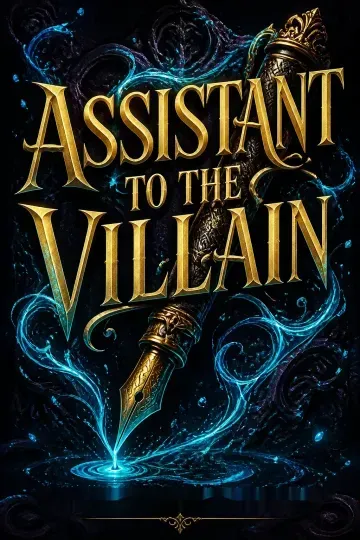
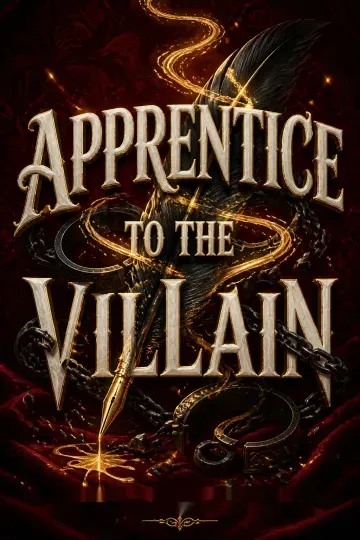
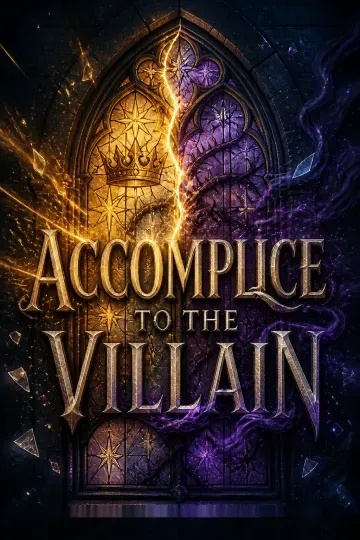
Assistant to the Villain Series
About the Author


Download PDF
Download EPUB
.epub digital book format is ideal for reading ebooks on phones, tablets, and e-readers.








































