
Plot Summary
Shadows and Missing Sisters
The story opens in a world of fae courts and human realms, where Abriella, queen of the shadow fae, and Kendrick, her ally, are consumed by the search for their missing sisters, Jasalyn and Felicity. Rumors swirl about Jasalyn's fate, destabilizing the court and threatening Abriella's rule. The urgency is palpable: if Jasalyn is not found before her eighteenth birthday, she will be lost forever, and the shadow court's future will be in jeopardy. The emotional toll is heavy—rage, guilt, and exhaustion haunt every character. The court's stability is as fragile as the hope they cling to, and the threat of ancient prophecies looms over every decision. The chapter sets a tone of desperation, love, and the lengths to which family will go to save one another.
Bargains and Blood Magic
Jasalyn, trapped by a magical ring that drains her life, is haunted by the consequences of a desperate bargain: she traded her immortal years for a ring that grants her power but binds her fate to the villainous Mordeus. The ring's magic is insidious, feeding on her life force and making her a vessel for Mordeus's resurrection. Goblins and witches offer cryptic advice, and the only hope lies in finding the legendary Sword of Fire. The cost of magic is made clear—every act of vengeance, every use of the ring, brings Jasalyn closer to death and to losing herself. The emotional weight of guilt and the fear of becoming a monster drive her forward, even as her body weakens.
Illusions of Home
Felicity, meanwhile, is trapped in a magical illusion, living a false life in the Eloran Palace, surrounded by love and family that feel real but are not. Her twin brother Konner, in reality her enemy, manipulates her mind, blurring the line between dream and reality. The illusion is seductive, offering comfort and belonging, but beneath it lies the threat of erasure and betrayal. Felicity's struggle to wake up mirrors the broader theme of fighting for one's true self against forces that would rewrite or erase identity. The pain of loneliness and the longing for family are palpable, and the chapter ends with Felicity's desperate fight to reclaim her agency.
The Sword of Fire Hunt
Jasalyn's journey leads her to Feegus Keep, a place of trauma and fear, in search of the Sword of Fire—a weapon said to kill anyone and open portals to anywhere. The keep is a labyrinth of danger, haunted by memories of torture and betrayal. Kendrick, once her protector and now a source of pain, risks everything to save her from monstrous guardians. The sword remains elusive, hidden by powerful magic, and the quest becomes a test of trust, resilience, and the willingness to face one's deepest fears. The emotional stakes rise as Jasalyn confronts the possibility that her body has been used for evil during her months of magical sleep.
Betrayals and Broken Trust
The aftermath of the keep's horrors brings Jasalyn and Kendrick together in a painful reckoning. Old lies are exposed—Kendrick's true identity, his deal with Mordeus, and the betrayals of those closest to them. The ring's magic erases memories, making every reunion uncertain and every promise fragile. Guilt, anger, and longing swirl between them, but so does the hope of forgiveness and redemption. The chapter explores the complexity of trust, the cost of secrets, and the possibility of healing even the deepest wounds.
Stolen Memories, Stolen Time
Jasalyn grapples with the revelation that her months of sleep were not peaceful but a period in which Mordeus may have used her body for his own ends. The ring's magic not only erases her from others' memories but also threatens to erase her own sense of self. The urgency to find the Sword of Fire intensifies, as does the need to break the blood magic bond with Mordeus. The emotional toll of being forgotten, of losing time and agency, is profound, and the chapter is suffused with a sense of racing against an unstoppable clock.
Prisoners of the Mind
Felicity's captivity under Konner's control is a battle of wills and identities. The illusion of family and belonging is weaponized against her, and the threat of death hangs over every moment. Misha, her lover, risks everything to rescue her, and together they navigate a world where magic can silence, erase, or rewrite reality. The trauma of killing to survive, the guilt of choices made under duress, and the longing for genuine connection drive Felicity's journey. The chapter is a meditation on the power of the mind, the pain of manipulation, and the courage required to reclaim oneself.
Allies and Enemies
As the threat of Mordeus grows, old enemies become uneasy allies. The shadow court, the Wild Fae, and the Eloran rebels must work together to find the Stone of Disenchantment and break the ring's hold on Jasalyn. Felicity's shifter abilities are key to infiltrating enemy strongholds, and the group's trust is tested by betrayals from within—most notably Shae, whose ambition and treachery nearly doom them all. The emotional landscape is one of suspicion, hope, and the fragile bonds that form in the crucible of shared danger.
The Phoenix's Price
The revelation that Jasalyn is a phoenix—a being capable of burning to ash and rising anew—reshapes the stakes. Her power is both a gift and a curse, the key to Mordeus's resurrection and the only hope for breaking the blood magic bond. The process of harnessing this power is fraught with pain, fear, and the risk of death. The theme of sacrifice is central: to save others, Jasalyn may have to die and be reborn, risking everything for a chance at freedom. The emotional arc is one of terror, resolve, and the dawning realization that survival may require embracing the very darkness she fears.
The Siege of the Palace
Mordeus's forces, aided by Erith's treachery, lay siege to the Midnight Palace. Portals open throughout the court, unleashing chaos and death. Allies fall, and the lines between friend and foe blur. The battle is not only physical but magical and psychological, as the characters confront their deepest fears and the consequences of every choice. The cost of leadership, the burden of prophecy, and the pain of loss are felt acutely. The siege is a crucible that forges new alliances and demands the ultimate sacrifices.
Flames and Sacrifice
As the battle reaches its climax, Jasalyn must choose to embrace the flames—literally walking into fire—to break the bargain and prevent Mordeus from taking her body. The agony is unimaginable, but she endures, drawing strength from love, memory, and the acceptance of her own darkness. The act of burning is both a death and a rebirth, a moment of ultimate sacrifice that echoes the book's central themes: the cost of power, the necessity of pain, and the possibility of redemption. The emotional arc is one of terror, transcendence, and the hope that endures even in the ashes.
Ashes and Rebirth
Jasalyn's resurrection is not immediate; she lingers in a liminal space, confronted by visions of possible futures—joy, loss, love, loneliness. The choice to return is not easy, but she embraces the uncertainty, the scars, and the promise of another day. When she awakens, the world is changed: the battle is over, loved ones are lost and found, and the future is unwritten. The emotional resonance is profound—grief, relief, and the tentative hope of a new beginning.
Choosing the Future
In the aftermath, the survivors must decide how to rebuild. The old systems—monarchy, the Seven, the courts—are questioned, and new alliances are forged. The characters debate the best path forward, balancing tradition and change, power and justice. The theme of choice is central: the future is not predetermined, and every character must decide what kind of world they want to create. The emotional tone is one of cautious optimism, tempered by the memory of all that was lost.
Love Beyond the Darkness
The story's emotional heart is the love between Jasalyn and Kendrick, Felicity and Misha, and the bonds of found family and friendship that survive even the darkest trials. Forgiveness is hard-won, and healing is a process, not a destination. The scars—physical and emotional—are embraced as proof of survival and growth. The characters learn to accept themselves and each other, finding hope and joy even in the shadow of pain. The emotional arc is one of reconciliation, gratitude, and the quiet strength of love.
A New Dawn in Elora
With the old enemies defeated, the focus shifts to rebuilding Elora and the fae courts. The survivors debate the best way to govern—a return to monarchy, a reformed Seven, or something new. The voices of the marginalized are heard, and the promise of a more just and compassionate world emerges. The emotional tone is one of hope, tempered by the knowledge that change is hard and the future uncertain. The chapter ends with the sense that, while the battle is won, the work of building a better world is just beginning.
The Cost of Survival
The survivors must come to terms with the cost of their victory—the lives lost, the innocence shattered, the pain endured. Jasalyn, now fully fae and reborn, chooses to keep her scars as a testament to her journey. The theme of survival is explored in all its complexity: it is not just about living, but about choosing to live fully, to embrace both joy and pain, and to find meaning in the struggle. The emotional arc is one of acceptance, resilience, and the quiet courage to face whatever comes next.
The Weight of Prophecy
The story closes with a meditation on prophecy, fate, and free will. The characters have been shaped by ancient predictions and the expectations of others, but in the end, they choose their own paths. The future is uncertain, but it is theirs to shape. The emotional resonance is one of liberation, possibility, and the enduring power of hope.
Analysis
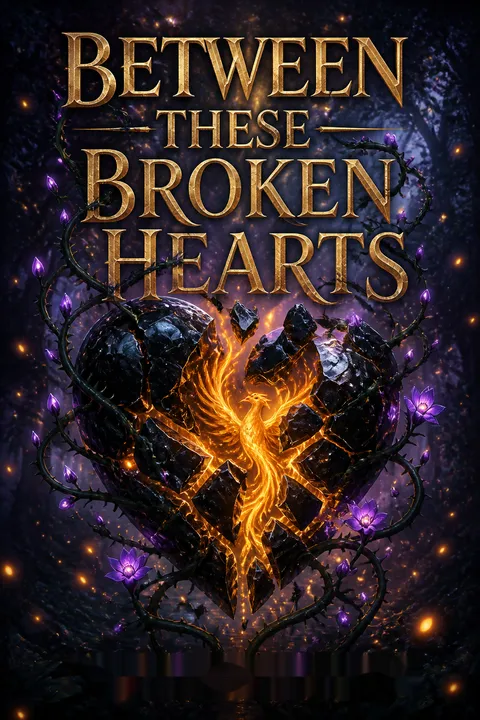
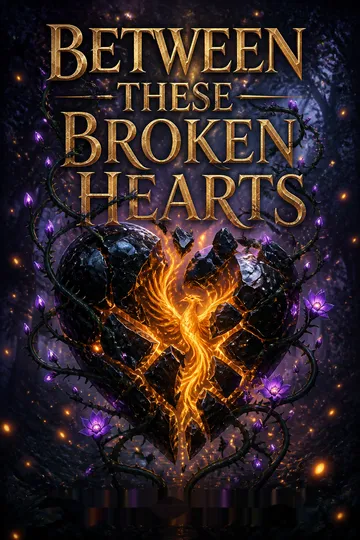
Between These Broken Hearts is a sweeping, emotionally charged fantasy that explores the cost of survival, the power of love, and the struggle to reclaim agency in a world shaped by ancient bargains and blood magic. At its core, the novel is about the scars we carry—physical, emotional, and magical—and the courage required to embrace them as proof of endurance rather than shame. The story interrogates the nature of power, the price of vengeance, and the possibility of redemption through pain. By weaving together themes of trauma, identity, and found family, Lexi Ryan crafts a narrative that is both intimate and epic, inviting readers to question the meaning of fate, the limits of sacrifice, and the possibility of healing after devastation. The novel's modern resonance lies in its portrayal of mental anguish, the longing for belonging, and the hope that even in the ashes of loss, new life and love can emerge. Ultimately, Between These Broken Hearts is a testament to the resilience of the human (and fae) spirit, the necessity of choosing life—even when it hurts—and the transformative power of love in the face of darkness.
Review Summary
People Also Read

Characters
Jasalyn
Jasalyn is the emotional core of the story—a young woman marked by trauma, guilt, and the burden of prophecy. Her journey is one of self-discovery, as she moves from victim to survivor to savior. The magical ring she bargains for becomes both her curse and her crucible, forcing her to confront her darkest fears and deepest desires. Her relationships—with her sister Abriella, her lover Kendrick, and her own fractured self—are fraught with pain and longing. As a phoenix, her power is both a gift and a curse, and her ultimate act of sacrifice and rebirth is a testament to her resilience. Jasalyn's arc is one of embracing her scars, accepting her darkness, and choosing to live fully, no matter the cost.
Felicity
Felicity's story is one of identity, manipulation, and the longing for family. Trapped in illusions and hunted for her bloodline, she is forced to confront the lies she's been told and the truths she must claim. Her relationship with Misha is a source of both comfort and pain, complicated by secrets and the demands of destiny. Felicity's shifter abilities make her a key player in the fight against Mordeus, but her true strength lies in her empathy and her refusal to abandon those she loves. Her arc is one of reclaiming agency, forging her own path, and finding love and acceptance in a world that would erase her.
Kendrick (Hale)
Kendrick is both Jasalyn's savior and her source of pain. His own bargains and secrets haunt him, and his love for Jasalyn is tested by betrayal, loss, and the demands of prophecy. As a chosen king, he is torn between duty and desire, and his journey is one of learning to forgive himself and fight for the future he wants. Kendrick's arc is defined by sacrifice, resilience, and the quiet strength of enduring love.
Abriella
Abriella is the embodiment of duty, love, and the cost of leadership. Her search for Jasalyn is driven by guilt and desperation, and her willingness to sacrifice for her court and her family is unwavering. As queen, she must balance compassion with ruthlessness, and her arc is one of learning to let go, trust others, and accept that she cannot save everyone. Her bond with Jasalyn is the emotional bedrock of the story.
Misha
Misha is a complex figure—powerful, haunted, and deeply in love with Felicity. His court is threatened by the machinations of Mordeus and Erith, and his own magic is failing without a queen. Misha's arc is one of vulnerability, honesty, and the willingness to risk everything for love. His relationship with Felicity is a source of healing and hope, and his journey is one of learning to trust, forgive, and build a future beyond the shadows of the past.
Konner
Konner is both Felicity's captor and her brother, a figure torn between loyalty to family and the demands of prophecy. His use of illusions and mind magic is both a weapon and a shield, and his ultimate sacrifice is a testament to the complexity of love and duty. Konner's arc is one of regret, redemption, and the hope that even the most broken bonds can be mended.
Erith
Erith is the story's central antagonist—a being who sacrifices everything for power, manipulating bloodlines, bargains, and destinies to achieve his ends. His immortality is both his strength and his curse, and his willingness to use and destroy his own children is the ultimate expression of his evil. Erith's arc is a cautionary tale about the cost of unchecked ambition and the emptiness of power without love.
Mordeus
Mordeus is the dark force that drives the plot—a being who seeks resurrection through blood magic, bargains, and the suffering of others. His connection to Jasalyn is both intimate and horrific, and his defeat requires the ultimate act of sacrifice. Mordeus embodies the story's themes of darkness, pain, and the possibility of redemption through suffering.
Skylar
Skylar is a grounding presence—a fighter who balances sarcasm with deep loyalty. Her friendship with Jasalyn and Kendrick is a source of strength, and her willingness to challenge authority and question tradition is vital to the group's survival. Skylar's arc is one of growth, acceptance, and the courage to fight for what is right.
Crissa
Crissa represents the possibility of change and the blending of old and new. Her survival and leadership are key to the future of Elora, and her relationship with Kendrick is a source of both tension and inspiration. Crissa's arc is one of resilience, compassion, and the belief that love and justice can coexist.
Plot Devices
Blood Magic and Bargains
The story's central plot device is the use of blood magic and faerie bargains to bind characters' fates, grant power, and exact terrible costs. The magical ring, the Sword of Fire, and the Stone of Disenchantment are all artifacts that embody the theme of power at a price. The bargains made—Jasalyn's for the ring, Kendrick's with Mordeus, Erith's for immortality—drive the plot and force characters to confront the consequences of their choices. The blood magic connection between Jasalyn and Mordeus is both a source of horror and the key to his defeat, and the breaking of these bonds is the story's emotional and narrative climax.
Illusion, Memory, and Erasure
The use of illusions, memory manipulation, and magical erasure is a recurring device, blurring the line between reality and dream, self and other. Felicity's captivity in an illusion, the ring's power to erase Jasalyn from memory, and Konner's mind magic all serve to explore themes of identity, agency, and the fight to reclaim oneself. These devices heighten the emotional stakes and create a sense of uncertainty and suspense.
Prophecy and Fate
Ancient prophecies, oracles, and visions shape the characters' choices and the story's structure. The tension between fate and free will is central—characters are haunted by predictions of death, betrayal, and sacrifice, but ultimately must choose whether to accept or defy their destinies. Foreshadowing is used to build suspense and deepen the emotional impact of key moments, especially the climactic battle and Jasalyn's rebirth.
Duality and Mirrors
The story is rich with dualities—sisters and twins, light and shadow, human and fae, love and pain. Mirrors, illusions, and shifting forms are used to explore the complexity of identity and the possibility of change. The motif of rising from the ashes, of being both broken and whole, is mirrored in the characters' journeys and the structure of the plot.
Found Family and Chosen Bonds
The emotional heart of the story is the theme of found family—the bonds forged in adversity, the love that survives even the darkest trials. The characters' willingness to sacrifice for one another, to forgive and heal, is both a plot device and a source of hope. The narrative structure weaves together multiple points of view, allowing readers to experience the story's emotional arc from different perspectives and to see the interconnectedness of every choice and sacrifice.
These Hollow Vows Series

About the Author

Download PDF
Download EPUB
.epub digital book format is ideal for reading ebooks on phones, tablets, and e-readers.








































