
Plot Summary
Gods and Sacrifice
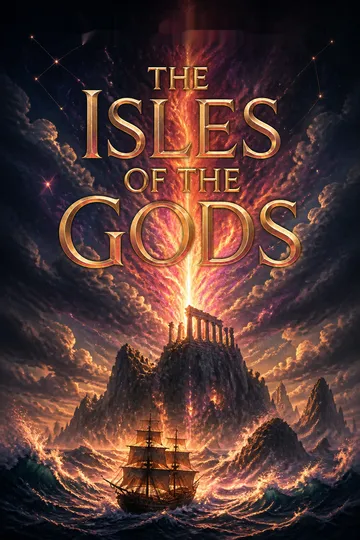
The world is shaped by ancient gods, children of the Mother, who once walked among mortals. Their rivalries led to devastation—most notably, the destruction of Vostain in a clash between Barrica the Warrior and Macean the Gambler. To prevent further ruin, King Anselm of Alinor made a great sacrifice, empowering Barrica to bind Macean in sleep. The gods withdrew, leaving only Barrica as Sentinel, watching over her brother's slumber. For five centuries, peace held, but faith and ambition stir anew. The story's thread picks up as Prince Leander of Alinor embarks on a pilgrimage to the Isles of the Gods, accompanied by Selly Walker, a sailor with the sea in her veins, and Keegan, a scholar. Their journey will test the boundaries between mortals and gods, and the cost of faith and power.
Aboard the Lizabetta
Prince Leander boards the Lizabetta for a sacred journey, joined by Selly, Keegan, and a crew loyal to the Walker fleet. Unbeknownst to most, the ship's true purpose is to strengthen Barrica's bindings on Macean. Meanwhile, in Mellacea, faith in Macean is rekindled by the green sisters, especially Sister Beris, who seeks to awaken her god. Laskia, eager to prove herself to her gang-leader sister Ruby, is drawn into a plot to intercept the prince. The Lizabetta's voyage is shadowed by decoys and deception, as the real threat closes in. The ship becomes a crucible for destiny, where alliances are forged and the seeds of tragedy are sown.
The Decoy Fleet's Fate
Laskia and her Mellacean allies attack what they believe is the prince's ship, only to discover it's a decoy fleet. The real Lizabetta escapes, but the decoy's destruction is brutal—everyone aboard is killed, and evidence is planted to frame the Mellacean government, stoking the fires of war. Jude, once a schoolmate of Leander and Keegan, is forced to identify the prince's body but fails amid the carnage. The massacre sets off a chain reaction: Alinor is outraged, Mellacea is implicated, and the gods' slumber grows restless. The survivors of the Lizabetta are now hunted witnesses, their fates entwined with the gods' designs.
Survivors and Pursuit
Laskia's forces pursue the true Lizabetta, determined to silence any witnesses. Despite Leander's magical prowess, the ship is eventually overtaken. The crew is slaughtered—only Selly, Leander, and Keegan survive, escaping in a lifeboat. Adrift and traumatized, they set course for Port Naranda, Mellacea, the only land within reach. Their plan is to seek sanctuary with the Alinorish ambassador, but the city is a nest of intrigue and danger. The trio's bond deepens as they face grief, guilt, and the growing weight of their roles in a conflict that threatens to awaken gods and plunge nations into war.
Port Naranda's Shadows
In Port Naranda, Selly, Leander, and Keegan attempt to contact the Alinorish ambassador, only for her to be assassinated—an act orchestrated to ensure war. Laskia, now aware of their survival, intensifies her pursuit. The city's underworld, led by Ruby and manipulated by Sister Beris, becomes a battleground of faith and ambition. Jude, torn between loyalty and survival, is drawn deeper into the Mellacean plot. The assassination marks a point of no return: war is inevitable, and the boundaries between mortal schemes and divine intervention blur. The survivors must act quickly to prevent catastrophe.
The Messenger's Burden
The group secures a fishing boat and sails for the Isles of the Gods, hoping to complete the sacred ritual to strengthen Barrica. Upon reaching the Isle of Barrica, they find the temple destroyed by Laskia's agents. With time running out, they press on to the Isle of the Mother, seeking a last chance. There, Leander makes the ultimate sacrifice, leaping to the altar to empower Barrica. Instead of death, he is transformed into her Messenger, a vessel of divine power. The magic threatens to consume him, and only Selly's unique bond—her role as his anchor—keeps him tethered to the world, sharing the unbearable burden.
Laskia's Gambit
Laskia, witnessing Leander's transformation, attempts to replicate his sacrifice, hoping to awaken Macean and claim power. But with Macean still bound and faith in him weaker, her attempt nearly destroys her. She survives, but the power she receives is wild and agonizing, burning through her and those around her. Laskia's actions unleash chaos in Mellacea, as she becomes a Messenger of Macean, but at a terrible cost—her mind and body are ravaged, and her god's influence is erratic and dangerous. The world teeters on the brink, with two Messengers now poised for conflict.
Anchors and Power
Leander's new existence as Barrica's Messenger is fraught with peril. The divine power within him is overwhelming, threatening to burn him out as it did Messengers of old. Selly's role as his anchor is unprecedented—her presence grounds him, sharing the pain and preventing his destruction. Their connection is intimate and fraught, blurring the lines between love, duty, and divine manipulation. As they return to Alinor, the public hails Leander as a savior, but only Selly understands the true cost. Together, they must navigate the demands of court, the expectations of a nation, and the ever-present danger of the goddess's will.
War on the Horizon
Back in Alinor, Queen Augusta prepares for war, marshaling forces and drawing up invasion plans. The arrival of a Messenger is both a blessing and a weapon—Leander's power is seen as a means to ensure victory. Selly, Keegan, and Leander uncover the queen's intentions, realizing that peace is a thin veneer over deep-seated ambitions. The court is a nest of intrigue, with alliances shifting and trust eroding. The threat of divine conflict looms, as both Barrica and Macean's Messengers are poised to become instruments of destruction. The trio must decide where their loyalties lie and how far they are willing to go to prevent catastrophe.
The Queen's Dilemma
Augusta, faced with the threat of Laskia as Macean's Messenger, orders an assassination rather than risk a direct confrontation between gods. The attempt fails spectacularly—Laskia's power annihilates the assassin and sends a chilling message to Alinor. The court reels from the display, and the inevitability of war becomes clear. Leander, Selly, and Keegan are caught between their queen's demands and their own moral compass. The burden of power weighs heavily, as they realize that the tools meant to protect may instead destroy. The cost of leadership, faith, and love becomes painfully clear.
The Temple's Ruin
In a desperate bid to prevent war, the trio seeks aid from the other gods at the Temple of the Mother. Their plan is to appeal for intervention, hoping the gods will help sever the Messengers' bonds. But the attempt is sabotaged by Mellacean agents, and the temple is destroyed in a magical clash. The devastation mirrors the ancient ruin of Vostain—a warning of what unchecked divine power can do. The survivors are left shaken, their options dwindling. The gods' influence grows stronger, and the world edges closer to another cataclysm.
The Return of the Gods
Barrica and Macean return to the world, their presence undeniable and overwhelming. Barrica walks among her people, inspiring awe and fear, while Macean's influence spreads chaos and risk. The gods' agendas become clear: Barrica seeks order and peace through strength, Macean craves risk and upheaval. Negotiations are called at the Bibliotek, the heart of the world, with all nations present. The countdown to war is set—six days to find peace, or face annihilation. The mortals must navigate the gods' manipulations, their own ambitions, and the fragile hope for a different future.
Negotiations at the Heart
At the Bibliotek, representatives of all nations gather under the watchful eyes of the gods. The negotiations are fraught—old wounds, new ambitions, and divine influence make true dialogue nearly impossible. Selly, Keegan, and Jude work behind the scenes, seeking a way to break the gods' hold and restore balance. The gods' presence warps the will of mortals, pushing them toward war. Amid the chaos, friendships are tested, love is strained, and the cost of agency becomes clear. The heart of the world is both a sanctuary and a battleground, where the fate of all hangs in the balance.
The Gods' Influence
As the days pass, the gods' influence deepens—Barrica's followers grow more militant, Macean's more reckless. Only a few—Selly, Keegan, Jude—seem immune, protected by their unique bonds or losses. They realize that the only way to stop the gods is to sever the Messengers' connections, even if it means sacrificing those they love. The trio races against time, gathering allies and knowledge, and devising a desperate plan. The gods' power is seductive, and even the strongest are tempted. The final confrontation will demand everything they have, and more.
The Last Stand
In a climactic ritual at the Temple of the Mother, the gods and their Messengers are drawn into a final confrontation. Selly, Leander, Laskia, and Ruby are caught in a metaphysical battle, each facing their deepest fears and desires. Selly and Leander's love is tested to the breaking point, as they must choose between each other and the world. Laskia, haunted by her need for approval, faces her own destruction. The gods' power rages, but the mortals' choices shape the outcome. In the end, it is sacrifice—willingly given—that severs the divine bonds and closes the door to the gods.
Sacrifice and Severance
The ritual succeeds, but at a terrible price. Leander burns away his magic to save Selly, becoming ordinary but free. Laskia, in a final act of agency, breaks her bond with Macean, casting herself into the unknown. The gods are banished, their doorways closed, and the world is left to mortals once more. The survivors are changed—scarred, but alive. The cost of peace is counted in love lost, power surrendered, and the hope that the future can be different. The heart of the world beats on, shaped by the choices of those who dared to defy the gods.
Aftermath and New Beginnings
In the wake of the gods' departure, the world begins to heal. Negotiations resume at the Bibliotek, this time among equals. Keegan finds his place as a scholar, Kiki claims her agency, and Jude seeks forgiveness and a new life. Selly and Leander, freed from divine bonds, choose each other and a life at sea, building a future on their own terms. Laskia, alone for the first time, sets out to discover who she is without gods or masters. The scars of the past remain, but the promise of new beginnings endures. The heart of the world is mortal once more, and its future is unwritten.
Analysis
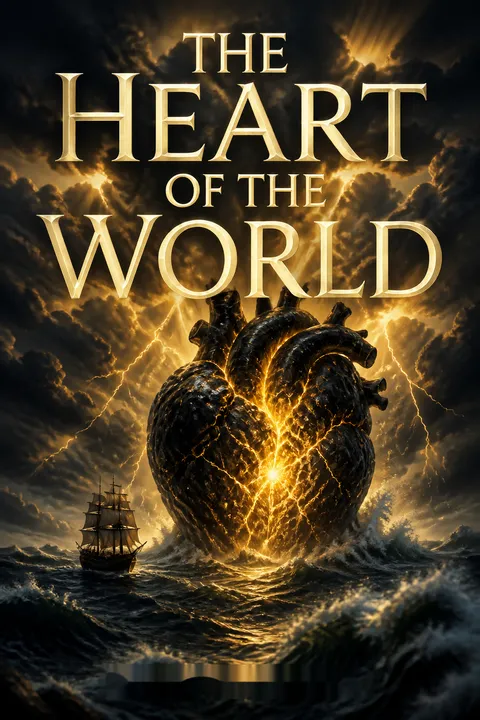
A modern epic of agency, sacrifice, and the struggle for selfhoodThe Heart of the World reimagines the classic fantasy of gods and mortals as a deeply psychological and political drama. At its core, the novel interrogates the nature of power—divine, political, and personal—and the cost of wielding or resisting it. The Messengers' journeys are metaphors for coming of age, for the pain of outgrowing the roles others assign us, and for the courage required to choose love and selfhood over destiny and expectation. The anchors' unprecedented roles challenge the inevitability of sacrifice, suggesting that connection and empathy can break even the oldest cycles. The story's structure—mirroring, foreshadowing, and multiperspective narration—invites readers to question whose story is being told, and who gets to shape the world's future. Ultimately, the novel's lesson is that peace, agency, and love are not gifts from gods or rulers, but hard-won choices made in the heart of the world, by those brave enough to claim them.
Review Summary
The Heart of the World received mixed reviews, with an average rating of 3.85 out of 5. Many readers enjoyed the character development, found family themes, and satisfying conclusion to the duology. Some praised the audiobook narration and the exploration of faith. However, others felt the pacing was slower than the first book, with less action and more political elements. Some readers were disappointed by the shift away from the seafaring adventures that made the first book unique. Overall, fans of the series found it a worthwhile conclusion despite some shortcomings.
People Also Read

Characters
Selly Walker
Selly is a sailor with the sea in her blood, daughter of the Walker fleet, and the unlikely anchor to Prince Leander's Messenger. Her journey is one of transformation—from a girl seeking her place to a woman who holds the fate of gods and nations in her hands. Selly's bond with Leander is both her strength and her burden, as she shares the pain of divine power and the weight of impossible choices. Her relationship with her father is fraught with expectation and disappointment, shaping her fierce independence. Selly's greatest struggle is to maintain her agency and love in the face of manipulation by gods and mortals alike. Ultimately, she chooses sacrifice and love, becoming the true heart of the world.
Prince Leander of Alinor
Leander begins as a charming, privileged royal, but his journey is marked by loss, transformation, and the unbearable burden of being Barrica's Messenger. His magical prowess sets him apart, but it is his willingness to sacrifice himself—for his goddess, his country, and Selly—that defines him. The divine power threatens to consume his identity, and only Selly's unprecedented role as his anchor keeps him grounded. Leander's struggle is between duty and desire, faith and freedom. His ultimate act—burning away his magic to save Selly—reveals his true character: a boy who chooses love and mortality over power and destiny.
Keegan Wollesley
Keegan is a scholar by nature, more comfortable with books than people, and often overlooked by those around him. His engagement to Kiki is a social expectation he quietly resists. Keegan's intelligence and research become crucial in understanding the gods' mechanisms and devising a plan to sever the Messengers' bonds. His immunity to divine influence stems from his devotion to knowledge and the Mother, making him a rare voice of reason. Keegan's journey is one of self-acceptance and agency—he finds his place not by running from the world, but by shaping it through wisdom and friendship.
Laskia
Laskia is driven by a need to prove herself—to her sister Ruby, to the green sisters, to her god Macean. Her willingness to do anything for approval leads her to become Macean's Messenger, a role that brings her agony and power in equal measure. Laskia's relationship with Ruby is complex—love, rivalry, and betrayal intertwine. As Messenger, she is both victim and perpetrator, her mind and body ravaged by divine power. In the end, Laskia's final act is one of agency: she breaks her bond with Macean, choosing self-destruction over being a tool. Her story is a cautionary tale of ambition, faith, and the cost of seeking worth in others' eyes.
Jude Kien
Jude is a survivor of both privilege and poverty, torn from his home and thrust into Mellacea's underworld. His loyalty is tested by necessity and guilt, as he becomes entangled in Laskia's schemes. Jude's journey is one of loss—of family, love, and self-respect—but also of redemption. His unique position, belonging to neither god nor country, allows him to act as a bridge and, ultimately, as a vessel for Valus, the god of loss. Jude's final choice—to seek forgiveness, love, and a new beginning—embodies the hope that even the most broken can find their place in the world.
Queen Augusta of Alinor
Augusta is a formidable queen, shaped by loss and responsibility from a young age. Her decisions are driven by the need to protect her nation, even at the cost of morality or personal relationships. Augusta's willingness to use Leander as a weapon, her calculated approach to war, and her struggle to balance love and leadership make her a complex figure. She is both a product and a perpetuator of the cycle of sacrifice and power. Augusta's arc is one of reckoning—forced to confront the limits of control and the true cost of peace.
Kiki (Lady Carrie Dastenholtz)
Kiki is Keegan's intended fiancée, a force of nature in courtly life, and a steadfast friend to Selly. Her outward frivolity masks intelligence, ambition, and a deep understanding of power dynamics. Kiki's guidance helps Selly navigate the treacherous waters of court, and her own journey is one of claiming agency—refusing to be defined by marriage or expectation. Kiki's loyalty, humor, and resourcefulness make her an indispensable ally, and her determination to shape her own destiny is a quiet revolution in a world of tradition.
Ruby
Ruby is Laskia's older sister, a powerful figure in Mellacea's underworld. Her relationship with Laskia is fraught—she is both mentor and rival, protector and betrayer. Ruby's ambition is matched only by her pragmatism; she uses those around her, including Laskia, to further her own ends. As Laskia's anchor, Ruby is both victim and participant in the divine struggle. Her ultimate fate is a testament to the dangers of seeking power without love, and the tragedy of relationships built on manipulation.
Barrica
Barrica is the last god to remain close to the mortal world, her power both a shield and a sword. As Sentinel, she is tasked with keeping Macean bound, but her true nature is that of a warrior—conflict is her domain. Barrica's influence is seductive, warping the will of her followers and even her Messenger. She is both protector and destroyer, her love for mortals genuine but her methods devastating. Barrica's arc is a meditation on the necessity and danger of power, and the limits of divine intervention.
Macean
Macean is the god of chance, risk, and upheaval. His awakening is both a fulfillment of faith and a harbinger of destruction. Macean's influence is intoxicating, driving his followers to reckless acts and his Messenger to madness. He is charming, dangerous, and utterly self-interested. Macean's presence forces mortals to confront the allure and peril of risk, and his ultimate banishment is a reminder that some doors, once closed, should remain so.
Plot Devices
Dual Messengers and Anchors
The narrative's central device is the creation of two Messengers—Leander for Barrica, Laskia for Macean—each with an unprecedented anchor (Selly and Ruby, respectively). This duality allows the story to explore the nature of power, sacrifice, and agency from opposing perspectives. The anchors' roles are both literal and symbolic, grounding the Messengers and sharing their pain, but also representing the ties that bind mortals to gods, and to each other. The device enables deep psychological exploration, as love, ambition, and faith are tested by the demands of divinity.
Foreshadowing and Prophecy
The story is structured around the repetition of history—the destruction of Vostain, the binding of Macean, the return of the gods. Letters, legends, and dreams foreshadow the coming conflict, warning that the peace bought by sacrifice is always temporary. The narrative uses prophecy not as a fixed destiny, but as a challenge to be met or subverted. The characters' awareness of past Messengers' fates adds urgency and poignancy to their choices, and the looming deadline of the gods' return structures the plot's escalation.
Multiperspective Narrative
The story unfolds through the eyes of multiple characters—Selly, Leander, Keegan, Laskia, Jude, and others—each bringing unique insights, biases, and emotional stakes. This device allows for a rich tapestry of motivations and conflicts, as well as a nuanced exploration of themes like agency, loyalty, and the cost of power. The shifting perspectives also enable the reader to experience the gods' influence from within and without, heightening the sense of psychological and moral complexity.
The Heart of the World as Setting and Symbol
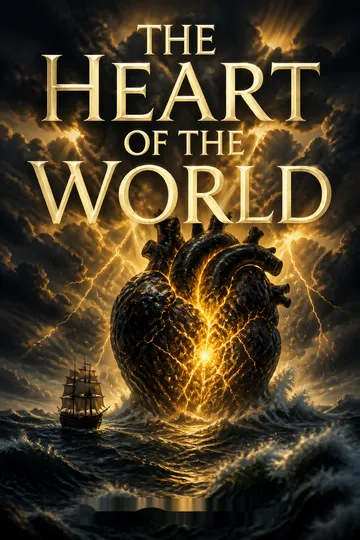
The Bibliotek, built on the ruins of Vostain, serves as both the literal and symbolic heart of the world. It is the site of negotiation, confrontation, and ultimately, transformation. The setting embodies the tension between destruction and renewal, ignorance and wisdom, fate and agency. The convergence of all nations and gods at the Bibliotek underscores the story's central question: can mortals shape their own destiny, or are they forever at the mercy of powers beyond their understanding?
The Isles of the Gods Series Series
About the Author
Other books by Amie Kaufman
Download PDF
Download EPUB
.epub digital book format is ideal for reading ebooks on phones, tablets, and e-readers.








































