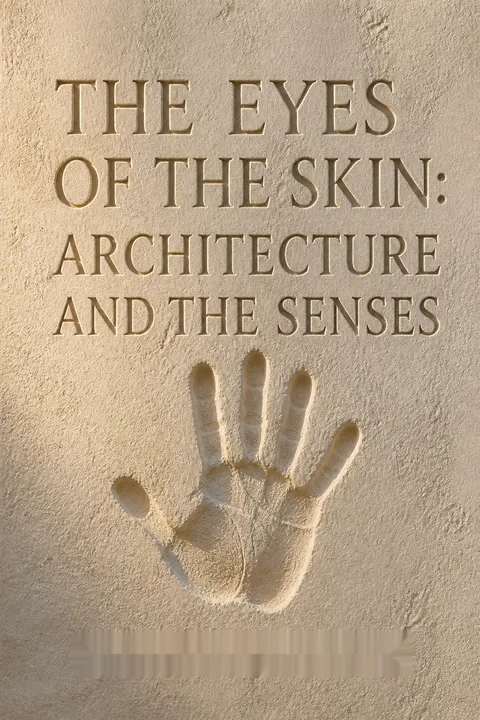

मुख्य बातें
1. दृष्टि का प्रभुत्व वास्तुकला को सीमित करता है
दृष्टि की अन्य इंद्रियों पर बढ़ती हुई प्रधानता — और इसके कारण संज्ञान में उत्पन्न पक्षपात — को कई दार्शनिकों ने देखा है।
ऐतिहासिक प्राथमिकता। पश्चिमी संस्कृति ने दृष्टि को सदैव सबसे श्रेष्ठ इंद्रि माना है, ज्ञान को स्पष्ट दृष्टि से जोड़ा और सत्य को प्रकाश से। प्राचीन यूनानी विचारधारा से लेकर पुनर्जागरण काल तक, एक पदानुक्रमित व्यवस्था ने दृष्टि को शीर्ष स्थान दिया, जिसने दर्शन और कला सहित वास्तुकला को भी प्रभावित किया। यह नेत्रकेंद्रित दृष्टिकोण हमारी वास्तविकता और ज्ञान की समझ को आकार देता है।
आधुनिक दृष्टि पक्षपात। परिप्रेक्ष्य चित्रण की खोज ने नेत्र को संवेदी दुनिया का केंद्र और केंद्रबिंदु बना दिया, जिसे तकनीकी प्रगति और छवियों के प्रसार ने और मजबूत किया। आधुनिकतावादी वास्तुकार जैसे ले कॉर्बुज़िएर ने स्पष्ट रूप से दृष्टि को महत्व दिया, जिससे वास्तुकला मुख्यतः नेत्र के लिए बनाई गई — एक "रेटिनल आर्किटेक्चर" जो अक्सर गहरे संवेदी जुड़ाव की बजाय आकर्षक दृश्य छवियों को प्राथमिकता देती है।
संकीर्णता के परिणाम। केवल दृष्टि पर इतना जोर देने से, अन्य इंद्रियों की उपेक्षा होती है, जिससे वास्तुकला का अनुभव सतही और अलग-थलग हो जाता है। आधुनिकतावादी डिज़ाइन, अपनी बौद्धिक कठोरता के बावजूद, आम लोगों के स्वाद से मेल नहीं खाता क्योंकि यह केवल बुद्धि और नेत्र को समेटता है, पर शरीर, अन्य इंद्रियाँ, यादें और सपनों को बेघर छोड़ देता है, जिससे परायापन की भावना बढ़ती है।
2. नेत्रकेंद्रितता अलगाव और विमुखता को बढ़ावा देती है
नेत्र की प्रधानता और अन्य इंद्रियों का दमन हमें अलगाव, एकांत और बाहरीपन की ओर धकेलता है।
दृष्टि की सत्ता की इच्छा। दार्शनिक डेविड माइकल लेविन ने दृष्टि की अंतर्निहित प्रवृत्ति की आलोचना की है, जो पकड़ने, स्थिर करने और नियंत्रित करने की होती है, जिससे "दृष्टि का प्रभुत्व" सांस्कृतिक विमर्श पर हावी हो जाता है। यह नेत्रकेंद्रित प्रवृत्ति, औजारवादी तर्क और तकनीक द्वारा मजबूत होकर, एक अलग-थलग, वस्तुनिष्ठ दृष्टि को जन्म देती है जो आक्रामक और वस्तुकरणकारी हो सकती है।
स्वार्थी और निरर्थक नेत्र। समकालीन वास्तुकला में यह प्रभुत्वकारी नेत्र आत्ममुग्धता और निरर्थकता के रूप में प्रकट होता है, जहाँ इमारतें स्वयं को अभिव्यक्त करने वाले बौद्धिक खेल बन जाती हैं या जानबूझकर संवेदी विमुखता को बढ़ावा देती हैं। यह "दृष्टि का कैंसरस विकास" वास्तुकला को केवल छवि उत्पादों में बदल देता है, जो अस्तित्वगत गहराई और सच्चाई से रहित होते हैं, और दुनिया को एक सुखवादी लेकिन अंततः निरर्थक दृश्य यात्रा में सीमित कर देते हैं।
सहानुभूति का क्षरण। दृश्य छवियों का औद्योगिक स्तर पर उत्पादन दृष्टि को भावनात्मक जुड़ाव से अलग कर देता है, जिससे एक मंत्रमुग्ध कर देने वाला प्रवाह बनता है जिसमें ध्यान या भागीदारी नहीं होती। इस निरंतर छवि बमबारी से "कृत्रिम गहराईहीनता" और संवेदनशीलता का क्षरण होता है, जिससे हम अपने जीवन के दर्शक बन जाते हैं, एक निर्मित स्वप्नलोक में फंसे हुए, अपनी अस्तित्वगत वास्तविकता का सामना करने में असमर्थ।
3. शरीर ही सभी अनुभूतियों का केंद्र है
मेरा शरीर वास्तव में मेरी दुनिया का नाभि है, न कि केंद्रीय दृष्टिकोण के देखने के बिंदु के रूप में, बल्कि संदर्भ, स्मृति, कल्पना और समाकलन के केंद्र के रूप में।
मर्लो-पोंटी का अवतारवाद। मॉरिस मर्लो-पोंटी का दर्शन मानव शरीर को हमारे अनुभवात्मक संसार के केंद्र में रखता है, यह तर्क देते हुए कि हमारे अवतारित इरादे के माध्यम से ही हम अपने परिवेश के साथ जुड़ते और उसे परिभाषित करते हैं। हमारा शरीर केवल एक वस्तु नहीं, बल्कि "वह है जो देखता और छूता है," और यह "दुनिया के मांस" के साथ एक पारस्परिक संबंध बनाता है।
बहु-संवेदी समाकलन। संवेदी अनुभव पृथक नहीं, बल्कि शरीर के माध्यम से एकीकृत होते हैं, जिससे एक सतत अस्तित्वगत अनुभव बनता है जहाँ आत्मा और संसार एक-दूसरे को निरंतर सूचित करते हैं। सभी इंद्रियाँ, दृष्टि सहित, स्पर्श इंद्रि की विशेषताएँ और विस्तार हैं, जो हमारे अस्पष्ट आंतरिक और बाहरी संसार के बीच की सीमा को परिभाषित करती हैं।
वास्तुकला की अस्तित्वगत भूमिका। वास्तुकला, प्रकृति का विस्तार होते हुए, अनुभूति के लिए आधार प्रदान करती है और हमें दुनिया में होने की अनुभूति को मजबूत करती है। यह कोई स्वतंत्र वस्तु नहीं, बल्कि हमारे ध्यान को व्यापक क्षितिजों की ओर निर्देशित करती है, हमारे जीवन को वैचारिक और भौतिक संरचना देती है, और एक समग्र, अवतारित अनुभव के माध्यम से हमारे आत्म-छवि को सुदृढ़ करती है।
4. स्पर्श: प्राचीनतम इंद्रि और वास्तविकता की नींव
स्पर्श हमारी आँखों, कानों, नाक और मुँह का जनक है। यह वह इंद्रि है जिससे अन्य इंद्रियाँ विभेदित हुईं, जिसे सदियों से ‘इंद्रियों की माता’ के रूप में माना जाता है।
स्पर्श की प्रधानता। मानवशास्त्री एश्ले मोंटागु ने त्वचा को हमारी सबसे पुरानी और संवेदनशील अंग बताया है, जो "इंद्रियों की माता" है, जिससे सभी अन्य संवेदी रूप विकसित हुए। यह स्पर्श की मौलिक भूमिका को रेखांकित करता है, जो हमारे विश्व और स्वयं के अनुभवों को एकीकृत करता है, यहाँ तक कि दृष्टि की अनुभूतियाँ भी स्पर्श के निरंतर प्रवाह में समाहित होती हैं।
दृष्टि के रूप में अवचेतन स्पर्श। स्पर्श दृष्टि का अवचेतन है; हमारी आँखें अनजाने में दूर की सतहों, रूपरेखाओं और किनारों को छूती हैं, और स्पर्शीय संवेदनाएँ अनुभव की सुखदता निर्धारित करती हैं। दार्शनिक जॉर्ज बर्कले और जी.डब्ल्यू.एफ. हेगेल ने तर्क दिया कि भौतिकता, दूरी और गहराई की दृश्य समझ स्पर्शीय स्मृति के सहयोग के बिना असंभव है, क्योंकि स्पर्श "ठोसता, प्रतिरोध और उभार" की अनुभूति प्रदान करता है।
कल्पित संवेदनाएँ। कला, जिसमें वास्तुकला भी शामिल है, स्पर्श की "कल्पित संवेदनाओं" को उत्तेजित करती है, जिससे हम चित्र में पानी की गर्माहट या पत्थर की सतह की बनावट महसूस कर पाते हैं। यह "स्पर्शीय मूल्य" जीवन को समृद्ध करता है, जैसा कि ले कॉर्बुज़िएर ने "मोडेनैचर" (रूपरेखा और प्रोफ़ाइल) पर जोर देकर दिखाया, जो उनकी दृष्टि-केंद्रित वास्तुकला की समझ में भी एक स्पर्शीय तत्व प्रकट करता है।
5. छाया और मंद प्रकाश की प्रेरक शक्ति
गहरी छायाएँ और अंधकार आवश्यक हैं, क्योंकि वे दृष्टि की तीव्रता को कम करते हैं, गहराई और दूरी को अस्पष्ट बनाते हैं, और अवचेतन पार्श्व दृष्टि तथा स्पर्शीय कल्पना को आमंत्रित करते हैं।
दूरी की अनुभूति को कम करना। तीव्र भावनात्मक अवस्थाओं या गहन चिंतन में हम अक्सर अपनी आँखें बंद कर लेते हैं, जिससे दृष्टि की दूरी बनाने वाली इंद्रि दब जाती है। छाया और अंधकार महत्वपूर्ण हैं क्योंकि वे दृश्य तीव्रता को नरम करते हैं, गहराई में अस्पष्टता पैदा करते हैं, और पार्श्व दृष्टि तथा स्पर्शीय कल्पना को प्रोत्साहित करते हैं, जिससे अंतरंगता और मानसिक संन्यास होता है।
कल्पना को प्रोत्साहित करना। एक पुराने शहर की सड़क की बदलती रोशनी और छाया आधुनिक समान रूप से प्रकाशित स्थानों की तुलना में कहीं अधिक रहस्यमय और आमंत्रित करती है। मंद प्रकाश, कुहासा और सांध्यकाल कल्पना को जागृत करते हैं, दृश्य छवियों को अस्पष्ट बनाते हैं और ध्यानात्मक अवस्थाओं को उत्पन्न करते हैं, जैसा कि चीनी परिदृश्य चित्रों या ज़ेन बागानों में देखा जाता है।
वास्तुकला में चियारोस्कुरो। प्रकाश और छाया का खेल, चियारोस्कुरो, महान वास्तुशिल्प स्थानों में अत्यंत महत्वपूर्ण है, जो वस्तुओं को आकार और जीवन देता है। लुइस बरागान ने बड़े कांच के खिड़कियों की आलोचना की क्योंकि वे इमारतों से अंतरंगता और छाया छीन लेते हैं, जबकि अलवार आल्टो का सायनात्सालो का परिषद कक्ष अंधकार का उपयोग एक रहस्यमय समुदाय की अनुभूति और बोले गए शब्द की ताकत बढ़ाने के लिए करता है।
6. ध्वनि की अंतरंगता और स्थान की अभिव्यक्ति
दृष्टि अलगाव करती है, जबकि ध्वनि समावेश करती है; दृष्टि दिशा-निर्दिष्ट है, जबकि ध्वनि सर्वदिशात्मक।
ध्वनि बनाती है आंतरिकता। दृष्टि के विपरीत, जो बाहरीपन और अलगाव को दर्शाती है, ध्वनि हमें स्थान में समाहित करती है, आंतरिकता और जुड़ाव का अनुभव कराती है। आँख पहुँचती है, पर कान ग्रहण करता है, जिससे हम अपने परिवेश के प्रति सर्वदिशात्मक जागरूकता पाते हैं और एकता तथा अपनत्व की भावना विकसित होती है।
ध्वनि बनाती है स्थान की संरचना। ध्वनि दृश्य छवियों के लिए एक कालिक निरंतरता प्रदान करती है, हमारे स्थान के अनुभव को संरचित और अभिव्यक्त करती है। उदाहरण के लिए, किसी फिल्म से ध्वनि हटाने पर पता चलता है कि ध्वनि प्लास्टिसिटी और निरंतरता में कितना योगदान देती है। स्टीन एइलर रासमुसेन की "हियरिंग आर्किटेक्चर" इस बात को उजागर करती है कि सुरंग में गूंज जैसी ध्वनि गुणधर्म स्थानिक आयामों को कैसे व्यक्त करते हैं।
शहरी गूंज का क्षरण। हर इमारत और शहर की एक विशिष्ट ध्वनि होती है, एक गूंज जो उसकी अंतरंगता या भव्यता को परिभाषित करती है। हालांकि, आधुनिक शहरों में, अपनी चौड़ी खुली जगहों और ध्वनि अवशोषित करने वाले अंदरूनी हिस्सों के कारण, यह विशिष्ट गूंज खो गई है। सार्वजनिक स्थानों में प्रोग्राम्ड संगीत हमारे कानों को और भी अंधा कर देता है, जिससे वास्तुकला द्वारा प्रदान की जाने वाली ध्वनिक मात्रा और गहन मौन को समझने की संभावना समाप्त हो जाती है।
7. स्मृति और कल्पना के लिए गंध की शक्तिशाली भूमिका
किसी भी स्थान की सबसे स्थायी स्मृति अक्सर उसकी गंध होती है।
घ्राण की शक्ति। मानव नाक अत्यंत संवेदनशील होती है, जो कुछ अणुओं के माध्यम से 10,000 से अधिक विभिन्न गंधों को पहचान सकती है। कोई विशेष गंध रेटिनल स्मृति को पार कर जाती है, तुरंत किसी भूले हुए स्थान को पुनः जीवित कर देती है और जीवंत दिवास्वप्नों को उत्प्रेरित करती है, जिससे नाक स्मृति और कल्पना के लिए एक शक्तिशाली उत्प्रेरक बन जाती है।
गंधों का भूगोल। पुराने शहर की संकरी गलियों से गुजरना विभिन्न गंध क्षेत्रों की मनमोहक यात्रा है, जैसे मिठाई की दुकानों की गंध बचपन की यादें जगाती है, तो जूते बनाने वालों की कार्यशालाएँ चमड़े और घोड़ों की छवियाँ प्रस्तुत करती हैं। मछली पकड़ने वाले शहर, जहाँ समुद्र और भूमि की गंधें मिलती हैं, गहराई से यादगार बन जाते हैं, सामान्य दृश्यों को प्रभावशाली छवियों में बदल देते हैं।
निर्जीव आधुनिक स्थान। रेनियर मारिया रिल्के ने एक ध्वस्त घर में बसी गंधों का जीवंत वर्णन किया है — पसीना, मूत्र, कालिख, बूढ़ा हुआ चिकनाई, उपेक्षित शिशु — जो घ्राणीय छवियों की भावनात्मक और संघटक शक्ति को दर्शाता है। इसके विपरीत, समकालीन वास्तुकला की निर्जीव, केवल दृश्य छवियाँ इस गहन संवेदी गहराई से वंचित होती हैं, और एक महान लेखक या वास्तुकार द्वारा उत्पन्न पूर्ण, जीवन से भरे चित्रों का निर्माण करने में असफल रहती हैं।
8. वास्तुकला के प्रामाणिक अनुभव के लिए भौतिकता और समय
सभी पदार्थ समय के प्रवाह में मौजूद हैं; उपयोग की परतें निर्माण सामग्री में समय के समृद्ध अनुभव को जोड़ती हैं।
भौतिकता का क्षीण होना। आधुनिक निर्माण अक्सर सपाटपन उत्पन्न करता है, जिसमें मशीन-निर्मित, बिना पैमाने के पदार्थ जैसे कांच, एनेमल्ड धातुएं और सिंथेटिक प्लास्टिक शामिल हैं। ये पदार्थ कठोर सतहें प्रस्तुत करते हैं जो अपनी मूल प्रकृति या उम्र को प्रकट नहीं करतीं, जबकि प्राकृतिक पदार्थ जैसे पत्थर, ईंट और लकड़ी दृष्टि को उनकी सतहों के भीतर प्रवेश करने और उनकी सच्चाई को देखने की अनुमति देते हैं।
बुढ़ापे का भय। समकालीन इमारतें अक्सर उम्रहीन पूर्णता की ओर अग्रसर होती हैं, जानबूझकर समय के आयाम और मानसिक रूप से महत्वपूर्ण उम्र और उपयोग की प्रक्रियाओं को बाहर करती हैं। उम्र के निशानों का यह भय मृत्यु के गहरे भय से जुड़ा है, जो हमारे पर्यावरणों में "कृत्रिम गहराईहीनता" को जन्म देता है, जैसा कि फ्रेडरिक जेम्सन ने समकालीन सांस्कृतिक स्थिति का वर्णन किया है।
समय का पालतू बनाना। आधुनिक वातावरण में समय के अनुभव का क्षीण होना मानसिक रूप से विनाशकारी होता है, क्योंकि मनुष्य को समय की निरंतरता में जड़े होने की आवश्यकता होती है। वास्तुकला का कार्य अनंत समय को पालतू बनाना है, जिससे हम इसके प्रवाह में निवास कर सकें, ऐसे चक्रों में भाग ले सकें जो व्यक्तिगत जीवन से परे हों, इतिहास और मृतकों से जुड़ सकें, और समय के धीमे, उपचारात्मक प्रवाह को अनुभव कर सकें।
9. वास्तुकला: अवतारित क्रिया और अवचेतन अनुकरण
सार्थक वास्तु अनुभव केवल दृश्य छवियों का समूह नहीं है। वास्तुकला के ‘तत्व’ दृश्य इकाइयाँ या गेस्टाल्ट नहीं, बल्कि स्मृति के साथ संवाद करने वाले मिलन और टकराव हैं।
संकेतित क्रिया। वास्तु छवियाँ स्वाभाविक रूप से क्रिया का संकेत देती हैं: कदम रखने के लिए पत्थर, दरवाजा खोलने के लिए उसका भार महसूस करना, सीढ़ी चढ़ने के लिए पूरे शरीर का संलग्न होना। हेनरी बर्गसन ने कहा कि वस्तुएं हमारे "उन पर संभावित क्रिया" को प्रतिबिंबित करती हैं, जो वास्तुकला को अन्य कलाओं से अलग करती है।
अनुभव का क्रियावाचक सार। प्रामाणिक वास्तु अनुभव मूलतः क्रियाएँ हैं, संज्ञाएँ नहीं। ये प्रवेश करने, खिड़की से देखने, या गर्म स्थान में रहने के कार्य के बारे में हैं, न कि केवल वस्तु के दृश्य डिज़ाइन के। जापानी अवधारणाएँ जैसे "स्पेसिंग" और "टाइमिंग" इस संबंधपरक, गतिशील वास्तु अनुभव की समझ को स्थिर, ज्यामितीय परिभाषाओं से ऊपर रखती हैं।
शारीरिक पहचान। वास्तु मापदंड को समझना अनजाने में अपने शरीर से इमारत को मापना और अपने शरीर की योजना को स्थान में प्रक्षेपित करना है। हम अनजाने में अपनी हड्डियों और मांसपेशियों से संरचनाओं की नकल करते हैं, गुंबद के तनाव या स्तंभ के गुरुत्व को महसूस करते हैं। यह अनुकरण वास्तुकला को वास्तुकार के शरीर से उपयोगकर्ता के शरीर तक सीधे संवाद करने की अनुमति देता है, एक गहरा, अवतारित अनुनाद उत्पन्न करता है।
10. स्मृति के स्थान और कल्पना का आंतरिक नगर
हमारे पास स्थानों को याद रखने और कल्पना करने की जन्मजात क्षमता है। अनुभूति, स्मृति और कल्पना निरंतर संवाद में हैं; उपस्थिति का क्षेत्र स्मृति और कल्पना की छवियों में विलीन हो जाता है।
मस्तिष्क का महानगर निर्माण। मनुष्य के पास स्थानों को याद रखने और कल्पना करने की जन्मजात क्षमता है, जो मस्तिष्क में एक विशाल "स्मृति और कल्पना का नगर" बनाती है। सभी देखे गए शहर इस मानसिक महानगर के क्षेत्र बन जाते हैं, और साहित्य तथा सिनेमा अपनी शक्ति इसी याद किए गए या कल्पित क्षेत्रों में
समीक्षा सारांश
क्षमा करें, आपने अनुवाद के लिए कोई सामग्री प्रदान नहीं की है। कृपया अनुवाद हेतु पाठ उपलब्ध कराएँ।
लोग यह भी पढ़ते हैं
अक्सर पूछे जाने वाले प्रश्न
What is "The Eyes of the Skin: Architecture and the Senses" by Juhani Pallasmaa about?
- Central Thesis: The book critiques the dominance of vision in Western architecture and argues for a multi-sensory approach that engages all the senses in the experience and creation of architecture.
- Phenomenological Perspective: Pallasmaa draws on phenomenology, especially the works of Merleau-Ponty and Bachelard, to emphasize the embodied, lived experience of space.
- Sensory Integration: The book explores how architecture should address touch, sound, smell, and even taste, not just sight, to create meaningful, life-enhancing environments.
- Cultural and Historical Analysis: It traces the historical privileging of vision in Western thought and architecture, and contrasts it with traditions and practices that value other senses.
Why should I read "The Eyes of the Skin" by Juhani Pallasmaa?
- Broaden Architectural Understanding: The book challenges conventional, visually-dominated approaches to architecture, offering a richer, more holistic perspective.
- Influential in Theory and Practice: It is widely regarded as essential reading in architectural education and has influenced both theorists and practicing architects globally.
- Applicable Beyond Architecture: The insights into sensory experience, embodiment, and perception are relevant to artists, designers, and anyone interested in how environments shape human experience.
- Concise and Accessible: Despite its depth, the book is brief and accessible, making complex philosophical ideas understandable and practical.
What are the key takeaways from "The Eyes of the Skin" by Juhani Pallasmaa?
- Critique of Ocularcentrism: The dominance of vision (ocularcentrism) in architecture leads to alienation and detachment, neglecting the full spectrum of human sensory experience.
- Embodied Experience: Architecture should be designed for the whole body, engaging touch, hearing, smell, and even taste, not just the eyes.
- Memory and Imagination: Sensory-rich environments foster memory, imagination, and a deeper sense of self and place.
- Materiality and Time: Authentic architecture expresses materiality and the passage of time, connecting us to tradition, history, and the rhythms of life.
How does Juhani Pallasmaa define "ocularcentrism" in "The Eyes of the Skin"?
- Definition: Ocularcentrism is the privileging of sight over other senses in Western culture and architectural practice.
- Historical Roots: It originates from Greek philosophy and was reinforced by Renaissance perspectival representation and modern technological advances.
- Consequences: This bias leads to architecture that is visually impressive but often emotionally and sensorially impoverished, resulting in alienation and lack of engagement.
- Critique and Alternatives: Pallasmaa, drawing on philosophers and critics, calls for a rebalancing of the senses and a move towards multi-sensory, embodied design.
What is the significance of touch and the "haptic" sense in "The Eyes of the Skin" by Juhani Pallasmaa?
- Touch as Foundational Sense: Pallasmaa argues that touch is the "mother of the senses," integrating and grounding all sensory experience, including vision.
- Haptic Architecture: He advocates for "haptic" architecture—designs that invite tactile engagement and bodily identification, making spaces feel intimate and real.
- Materiality and Craft: The tactile qualities of materials, surfaces, and details (like door handles) are essential for creating meaningful, memorable architecture.
- Embodied Memory: Touch connects us to tradition, memory, and the passage of time, making architecture a lived, rather than merely observed, experience.
How does "The Eyes of the Skin" by Juhani Pallasmaa address the role of the other senses (hearing, smell, taste) in architecture?
- Hearing: Sound shapes our sense of space and intimacy; acoustics can create a sense of enclosure, community, or solitude.
- Smell: Scents evoke powerful memories and associations, often defining the character and identity of a place more than visual cues.
- Taste: While less direct, taste is linked to the oral and tactile origins of perception; certain materials and colors can evoke oral sensations.
- Multi-Sensory Integration: Pallasmaa insists that architecture should orchestrate all senses, creating environments that are immersive and life-enhancing.
What are the main criticisms of modern and contemporary architecture in "The Eyes of the Skin" by Juhani Pallasmaa?
- Visual Reductionism: Modern architecture often prioritizes striking visual images and photogenic forms at the expense of sensory richness and human experience.
- Loss of Materiality: The use of industrial, machine-made materials and reflective surfaces leads to a sense of unreality and detachment.
- Alienation and Detachment: Spaces designed primarily for the eye can feel cold, impersonal, and alienating, failing to support memory, imagination, or a sense of belonging.
- Neglect of Tradition and Craft: The focus on novelty and visual impact often disregards the wisdom of traditional, craft-based, and embodied approaches to building.
How does Juhani Pallasmaa use phenomenology in "The Eyes of the Skin" to inform his architectural philosophy?
- Embodied Perception: Drawing on Merleau-Ponty, Pallasmaa emphasizes that perception is always embodied—our bodies are the center of experience and meaning.
- Lived Space: Architecture is not just a collection of visual forms but a lived, existential reality that shapes and is shaped by our bodily presence.
- Memory and Imagination: Phenomenology highlights the interplay between perception, memory, and imagination, all of which are activated by multi-sensory environments.
- Existential Task of Architecture: The ultimate role of architecture is to mediate between self and world, enabling us to dwell meaningfully and authentically.
What practical advice or methods does "The Eyes of the Skin" by Juhani Pallasmaa offer to architects and designers?
- Design for All Senses: Consider how spaces will be touched, heard, smelled, and even tasted, not just seen.
- Engage Materiality: Use materials that age, carry patina, and invite touch, fostering a sense of time and tradition.
- Craft Details: Pay attention to details like door handles, textures, and transitions, as these are points of intimate contact and meaning.
- Encourage Participation: Create spaces that invite bodily movement, interaction, and identification, rather than passive observation.
How does "The Eyes of the Skin" by Juhani Pallasmaa connect architecture to memory, imagination, and self-identity?
- Memory Through Senses: Sensory experiences, especially touch and smell, are deeply tied to memory, making places memorable and meaningful.
- Imagination and Dream: Architecture can stimulate imagination and daydreaming by engaging the senses and creating atmospheres of ambiguity and possibility.
- Self-Identity: Our sense of self is shaped by the spaces we inhabit; architecture becomes part of our bodily and existential identity.
- Spaces of Belonging: Meaningful architecture helps us feel at home in the world, supporting both individual and collective memory.
What are the best quotes from "The Eyes of the Skin" by Juhani Pallasmaa and what do they mean?
- "The door handle is the handshake of the building." This highlights the importance of tactile details and the intimate, bodily relationship between people and architecture.
- "The body is the navel of my world." Pallasmaa emphasizes that our bodily presence is the center of perception and meaning in space.
- "Architecture is the art of reconciliation between ourselves and the world, and this mediation takes place through the senses." This encapsulates the book’s central thesis: architecture’s existential task is to connect us to the world through embodied, sensory experience.
- "We see the depth, the smoothness, the softness, the hardness of objects; Cézanne even claimed that we see their odor." This quote illustrates the interconnectedness of the senses and the richness of perception beyond mere vision.
What is the lasting impact and legacy of "The Eyes of the Skin" by Juhani Pallasmaa on architecture and design?
- Influence on Education: The book is required reading in many architecture schools and has shaped curricula to include sensory and phenomenological approaches.
- Shift in Practice: Many architects and designers now prioritize multi-sensory experience, materiality, and embodied engagement in their work.
- Broader Cultural Reach: The book’s ideas have influenced not only architecture but also art, design, and philosophy, encouraging a more holistic understanding of human experience.
- Ongoing Relevance: As digital technologies and visual media continue to dominate, Pallasmaa’s call for sensory balance and embodied presence remains urgent and widely cited.
PDF डाउनलोड करें
EPUB डाउनलोड करें
.epub digital book format is ideal for reading ebooks on phones, tablets, and e-readers.








































