
Plot Summary
Meteor Over Lenora
In 1991, a meteor streaks across the sky and crashes near Lenora, Pennsylvania, shaking the ground and the lives of its residents. The event is witnessed by many, but each account is different, reflecting the town's penchant for myth and memory. The meteor's arrival is both a literal and symbolic rupture, stirring up old mysteries—especially the disappearance of folk singer Elle Harlow nearly two decades earlier. The impact sets off a chain of events that will force the town, and especially young Marijohn Shaw, to confront the ghosts of the past and the secrets buried in the woods. The meteor becomes a catalyst for revelation, loss, and the search for identity.
The Gas Station Legend
Marijohn Shaw works at her father Abe's remote gas station, which he claims is the last place Elle Harlow was seen before vanishing. The station is a shrine to Elle, filled with supposed relics and playing her music on repeat. Abe's belief in the legend is unwavering, even as Marijohn quietly doubts the authenticity of his artifacts and the truth of his story. Their relationship is tender but strained by unspoken grief and longing. The gas station, with its faded sign and haunted pump, becomes a symbol of hope, delusion, and the ache of wanting to believe in something magical, even when the world insists on disappointment.
Last Night With Lazarus
On the eve of her best friend Lazarus's departure for college, Marijohn is determined to confess her love. They spend one last night together in the woods, playing music and recording a song as a meteor blazes overhead. The moment is charged with desire and fear—Marijohn kisses Lazarus, but he pulls away, afraid of repeating the abandonment that shaped Marijohn's life. Their friendship is tested by the tension between wanting to hold on and needing to let go. The meteor's arrival marks the end of innocence and the beginning of a painful transformation for both.
The Mandolin's Secret
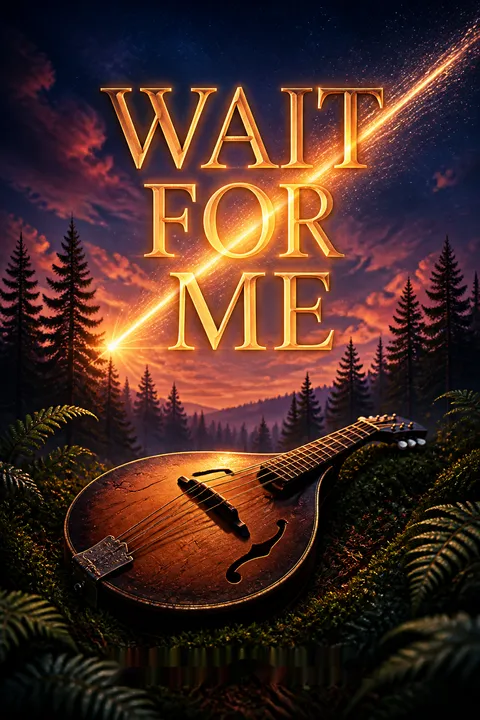
Marijohn's most treasured possession is a cracked mandolin left with her as a baby, along with a note: "Call her Marijohn." The instrument is a link to her unknown mother and a source of comfort and identity. When the meteor strikes, it churns up the river and reveals a piece of Elle Harlow's lost guitar, suggesting that the legend might be rooted in truth. The mandolin's origin, and the mystery of Marijohn's parentage, become central to her quest for belonging and self-understanding.
Songs of the Missing
Elle Harlow's disappearance haunts the town and especially Abe, who keeps track of the days she's been gone. Her songs, full of heartbreak and Appalachian ghosts, are the soundtrack of Marijohn's life. The music is both a balm and a wound, offering solace while reminding everyone of what's been lost. Marijohn's own songwriting is shaped by this legacy, as she struggles to find her voice amid the echoes of the past and the weight of other people's stories.
Merry's Mountain Lessons
In flashbacks, we learn of Elle's childhood in the West Virginia mountains, where she is mentored by Merry, a mute healer who teaches her the power of music and empathy. Merry's mandolin, painstakingly repaired and played left-handed, becomes a symbol of resilience and the transmission of wisdom through women's hands. Merry's lessons—about healing, loss, and the limits of what can be saved—shape Elle's artistry and her understanding of love and grief.
Grief and Healing
Elle's brother Reuben dies of illness despite Merry's efforts, and Merry herself later dies in an accident for which Elle feels responsible. These losses devastate Elle but also catalyze her songwriting, as she channels her sorrow into music. The act of singing becomes a way to process pain, honor the dead, and connect with others who are suffering. The mountain's traditions of barter, healing, and storytelling are woven into Elle's identity, even as she prepares to leave for Nashville.
Nashville Dreams, Nashville Betrayals
Elle arrives in Nashville, struggling to break into the music industry. She befriends Josie Starling, a talented but privileged secretary with her own ambitions. Together, they write and perform songs, dreaming of stardom. But the industry is ruthless, and Elle's raw, haunting music is dismissed until Josie polishes and claims it as her own. Betrayed, Elle is forced to watch as her most personal songs become hits for someone else. The theft of the "Merry album" is a wound that will shape both women's lives.
The Merry Album Stolen
Josie's appropriation of Elle's songs is sanctioned by Arlo, the powerful producer who controls both women's careers. Elle is offered a record deal only as hush money, and her own artistry is buried beneath a manufactured image. The Merry album, meant to honor Merry and the women of the mountains, becomes a commercial product with Josie's name on it. Elle's sense of self is fractured, and she disappears from public view after a public confrontation with Josie.
Love, Loss, and Outlaws
In the woods of Pennsylvania, Elle finds love with Weston, a luthier and Arlo's cousin, who helps her rediscover her music and herself. Their affair is passionate but doomed by secrets and the demands of the industry. Weston disappears, taking Merry's mandolin with him, and Elle is left to reckon with the wounds of love and betrayal. The "third outlaw" of her most famous song becomes a metaphor for the kind of love that is lost, hidden, or impossible to claim.
Disappearance and Reinvention
After a final, disastrous performance at the Opry, Elle flees, leaving behind her career, her name, and a baby—Marijohn—who is left at Abe's gas station. For nearly two decades, Elle lives in obscurity, cared for by her mother and the mountain community. Her legend grows, but she is presumed dead. Meanwhile, Marijohn grows up searching for her origins, guided by the music and the mystery of the mandolin.
The Return of Elle Harlow
The meteor's arrival and the resurfacing of Merry's mandolin draw Elle out of hiding. She returns to Lenora, seeking the instrument and, perhaps, redemption. Her reunion with Marijohn is fraught with longing, anger, and the hope of connection. Together, they play through the Merry album, and Elle begins to reclaim her music and her story. The truth of Marijohn's parentage and the tangled web of love, loss, and survival are slowly unraveled.
Motherless Daughters
Marijohn confronts the reality that neither Elle nor Josie is able to be the mother she longs for. She seeks out Josie, who is broken by grief and guilt, and finds only more absence. The women's stories echo each other—each has been shaped by what they could not save, by the wounds left by mothers, sisters, and lovers. Yet in their shared music and mutual recognition, there is a possibility of healing.
Truths in the River
The river that swallowed Elle's car and the meteor becomes a site of revelation. Marijohn and Abe recover evidence of Elle's crash, and the truth about her disappearance comes to light. The mandolin, the birth certificate, and the stories of the past converge, allowing Marijohn to claim her own narrative. The river, like music, carries away what is lost but also returns what is needed for closure and new beginnings.
Forgiveness and Second Chances
Elle and Marijohn, both scarred by betrayal and regret, learn to forgive themselves and each other. Elle confronts Arlo and Josie, reclaiming her music and her agency. Marijohn reconciles with Lazarus, recognizing that love is not about possession but about the courage to risk and to let go. The women's journeys are mirrored in their songs, which become acts of survival and hope.
The New Duet
Elle invites Marijohn to perform with her, passing on the legacy of Merry and the mountain women. Their duet is not just a performance but a healing ritual, a way to honor the past and claim the future. The music they make together is rooted in pain but blossoms into something joyful and transformative. Through each other, they find the strength to be seen, to be heard, and to begin again.
The Concert That Heals
Elle's comeback concert, performed with Marijohn on Arlo's lawn, is both a defiant act and a communal celebration. The Merry album is finally performed as it was meant to be, with the mandolin restored and the true story told. The audience, including Josie and Weston, witnesses the power of survival, forgiveness, and the enduring bonds between women. The concert is a moment of catharsis, healing old wounds and opening the door to new possibilities.
Wounds That Sing
After the concert, Elle disappears once more, leaving Marijohn with the music, the mandolin, and the knowledge that some wounds never fully heal—but they can be transformed. Marijohn prepares to leave Lenora and pursue her own career, carrying with her the lessons of Elle, Merry, and all the women who came before. The story ends with the recognition that music, like love, survives loss and gives voice to what cannot be spoken.
Analysis
Amy Jo Burns's Wait for Me is a luminous meditation on the wounds we inherit, the stories we tell to survive, and the redemptive power of music and female kinship. Through its layered narrative and emotionally resonant characters, the novel interrogates the myths of American womanhood—especially those forged in the crucible of the Appalachian mountains and the Nashville music industry. At its core, the book is about the hunger for belonging and the courage it takes to claim one's own voice in a world that profits from silencing women. The meteor, the mandolin, and the missing mother are all metaphors for the parts of ourselves we lose and the ways we try to recover them. Burns suggests that healing is not about erasing pain but about transforming it—through song, through love, and through the willingness to begin again. The novel's modern relevance lies in its exploration of authorship, erasure, and the reclamation of narrative, especially for women whose stories have been stolen or suppressed. Ultimately, Wait for Me is a testament to the endurance of hope, the necessity of forgiveness, and the beauty that can be found in wounds that sing.
Review Summary
Wait for Me receives mostly enthusiastic reviews (4.09/5), with readers praising Amy Jo Burns' lyrical prose and atmospheric storytelling about folk singers Elle Harlow and Marijohn Shaw, connected across decades by music and mystery. The audiobook production featuring original songs earns particular acclaim. Reviewers appreciate the exploration of womanhood, ambition, and Appalachian settings, comparing it to Daisy Jones & The Six. However, some found the pacing slow, the writing overly lyrical, the magical realism elements excessive, and struggled to connect with characters, particularly Elle.
People Also Read




Characters
Marijohn Shaw
Marijohn is the emotional heart of the novel—a young woman raised by her devoted but wounded father, Abe, after being abandoned as a baby at a gas station. Her identity is shaped by absence: the missing mother, the legendary Elle Harlow, and the ache of not knowing where she comes from. Marijohn is fiercely loyal, musically gifted, and haunted by longing. Her journey is one of self-discovery, as she seeks to claim her own voice amid the myths and betrayals that surround her. Through music, she finds both solace and the courage to confront the truth of her origins, ultimately forging her own path as an artist and a woman.
Elle Harlow
Elle is both a mythic figure and a deeply human woman—brilliant, volatile, and marked by loss. Raised in the Appalachian mountains by a mute healer, Merry, Elle's music is rooted in grief, resilience, and the wisdom of women's traditions. Her rise to fame in Nashville is marred by betrayal, as her most personal songs are stolen by her friend Josie and commodified by the industry. Elle's disappearance is both an escape and a self-imposed exile, driven by guilt, heartbreak, and the desire to reclaim her story. Her return is a reckoning—with her past, her music, and the daughter she left behind. Elle's arc is one of transformation: from wounded to healer, from silenced to singing her truth.
Abe Shaw
Abe is Marijohn's adoptive father, a gentle, steadfast man who clings to the legend of Elle Harlow as a way to make sense of his own losses. His gas station is a shrine to memory and longing, filled with relics both real and imagined. Abe's love for Marijohn is unconditional, but his inability to let go of the past sometimes blinds him to the present. He is a symbol of the ways we try to heal ourselves through stories, and his eventual acceptance of the truth allows both him and Marijohn to move forward.
Lazarus Wright
Lazarus is Marijohn's closest companion—a preacher's son, a musician, and the object of her unspoken love. He is gentle, introspective, and torn between duty and desire. Lazarus's own fears of abandonment and failure mirror Marijohn's, and their relationship is marked by missed chances and the pain of growing up. His journey is one of learning to risk vulnerability, to leave and to return, and to recognize that love is not about saving or being saved, but about being seen.
Josie Starling
Josie is Elle's Nashville confidante—a privileged, talented woman who longs for recognition but is trapped by her family's expectations and her own insecurities. Her theft of Elle's songs is both an act of desperation and a reflection of the industry's exploitation of women's creativity. Josie is complex: both victim and perpetrator, longing for connection but unable to give or receive it fully. Her relationship with Elle is a study in female rivalry, envy, and the possibility of forgiveness.
Merry
Merry is the silent force behind Elle's artistry—a mountain woman who teaches by example, through music, touch, and presence. Her mandolin, played left-handed, is a symbol of resilience and the passing of wisdom from one generation to the next. Merry's death is a wound that shapes Elle's life, but her legacy endures in the songs, the healing, and the acts of courage she inspires.
Weston (Luke Weston)
Weston is Arlo's cousin, a craftsman who repairs and creates mandolins in the woods of Pennsylvania. His love affair with Elle is passionate but complicated by secrets, family loyalty, and the demands of the music industry. Weston is both a refuge and a source of pain for Elle; his disappearance and the theft of the mandolin are betrayals that echo through the story. Ultimately, Weston represents the possibility of second chances and the courage to love again.
Arlo Weston
Arlo is the architect of both Elle's rise and her erasure—a savvy, ruthless figure who understands the industry's hunger for myth and spectacle. He is both benefactor and exploiter, offering opportunities while demanding silence and compliance. Arlo's actions are driven by self-interest, but he is also shaped by his own history of loss and survival. His relationship with Elle is a dance of power, dependence, and mutual recognition.
Susannah Harlow
Susannah is a quiet but formidable presence—a woman who endures loss with grace and teaches Elle the value of beginning again. Her wisdom is practical and hard-won, rooted in the rhythms of mountain life. Susannah's acceptance and love provide a foundation for Elle's eventual healing and return.
Jaclyn Starling
Jaclyn is a tragic figure, marked by mental illness and the family's inability to save her. Her presence haunts Josie and, by extension, Marijohn, serving as a reminder of the limits of love and the wounds that cannot be healed. Jaclyn's story is a thread of sorrow that runs through the novel, shaping the choices and regrets of those left behind.
Plot Devices
Dual Timelines and Interwoven Narratives
The novel moves fluidly between 1991 and the decades preceding it, revealing the origins of the characters' wounds and the ways in which history repeats itself. Flashbacks to Elle's childhood, her rise in Nashville, and her relationships with Merry, Josie, and Weston are intercut with Marijohn's coming-of-age and search for identity. This structure allows for dramatic irony, as the reader often knows more than the characters, and for the gradual unveiling of secrets that bind the generations together.
Music as Memory and Inheritance
Music is both a literal and metaphorical device—songs are written, stolen, performed, and reclaimed, serving as vessels for grief, longing, and hope. The mandolin, in particular, is a symbol of the transmission of wisdom and the resilience of women's creativity. Lyrics are used as clues, confessions, and acts of resistance. The act of singing becomes a way to process trauma, honor the dead, and forge new connections.
The Meteor as Catalyst and Metaphor
The meteor's arrival is both a plot catalyst—unearthing lost objects, drawing Elle out of hiding—and a metaphor for the sudden, uncontrollable forces that disrupt lives. It represents fate, chance, and the possibility of transformation. The search for the meteor's missing piece mirrors the characters' search for lost parts of themselves and their histories.
Artifacts and Relics
The gas station's collection of Elle Harlow memorabilia, the broken mandolin, the piece of guitar unearthed by the river, and the birth certificate are all plot devices that anchor the characters' emotional journeys. These objects are imbued with longing, hope, and the desire to make sense of the past. They serve as evidence, talismans, and sometimes as false leads, reflecting the unreliability of memory and the hunger for connection.
Female Mentorship and Inheritance
The relationships between Merry and Elle, Elle and Josie, Elle and Marijohn, and even between mothers and daughters who are absent or lost, form a chain of mentorship, betrayal, and healing. The novel explores how women teach, hurt, and save each other, often in the absence of men or in defiance of patriarchal structures. The passing of the mandolin, the teaching of songs, and the sharing of stories are all acts of survival and resistance.
Performance and Identity
Public performances—whether at the Opry, in a bar, or on Arlo's lawn—are moments of revelation and risk. The tension between the persona demanded by the industry and the authentic self is a recurring theme. The act of singing in public becomes a test of courage, a way to claim space, and a means of healing both self and audience.
Download PDF
Download EPUB
.epub digital book format is ideal for reading ebooks on phones, tablets, and e-readers.








































