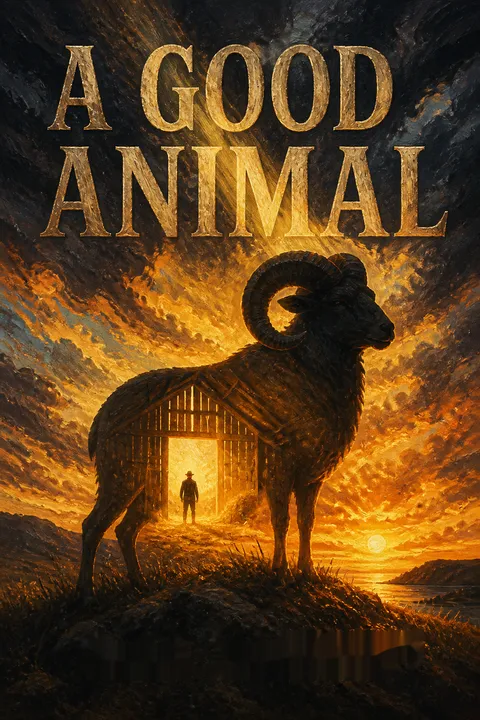

Plot Summary
Generations in the Fields
Everett Lindt walks the fields of his family's Upper Peninsula farm, feeling the presence of generations before him. The land is both inheritance and burden, its stones and soil holding stories of hard work, love, and loss. Everett's connection to the land is visceral—he talks to his ancestors, shares his plans, and confides in them about Mary, the girl who will change everything. The farm is not just a backdrop but a living character, shaping Everett's identity and the choices he will make. The weight of legacy is both comforting and suffocating, setting the stage for a coming-of-age story rooted in place and tradition.
Hay, Sweat, and Summer
The summer of 1995 is defined by haying—long, hot days in the fields with Everett, his younger brother Jay, and best friend Charlie. The rhythm of farm life is relentless, but it forges bonds and rivalries. Charlie is golden, charismatic, and competitive, always pushing Everett, sometimes too far. Jay, eager to prove himself, is drawn into the world of older boys. The arrival of Kylie, Charlie's love interest, and the banter among friends add layers of humor and tension. The landscape is alive with the sounds of tractors, the smell of cut grass, and the ache of growing up. Underneath, Everett's longing for something more simmers.
Mary Arrives, Hearts Shift
Mary, a Coast Guard kid from Buffalo, enters the scene, instantly unsettling Everett and Charlie's dynamic. She is different—sharp, artistic, and restless, with a gaze that sees through posturing. Everett is captivated, but Mary's ambitions lie far from the farm. Their first encounters are awkward, charged with desire and misunderstanding. Charlie's bravado is challenged, and Everett's sense of self is tested. Mary's presence exposes the limits of small-town life and the yearning for escape. The seeds of first love and heartbreak are sown, as Everett dares to hope for connection beyond the boundaries of his world.
Lambs, Loss, and Family
The Lindt family's life revolves around sheep—raising, training, and showing lambs at the county fair. Everett's sister Katie forms a deep bond with her lamb, Fluffernutter, foreshadowing inevitable loss. The rituals of farm life—walking lambs, preparing for the fair, and navigating family roles—are both grounding and fraught. Everett's relationship with his parents is complex: his mother is nurturing but scarred by her own past, his father is proud but stubborn. The family's love is expressed through work and sacrifice, but also through silence and unspoken pain. The farm is a crucible for growing up, where every joy is shadowed by the knowledge that nothing lasts.
First Loves and Fights
As Everett and Mary's connection deepens, so do the complications. Everett's awkward attempts to court Mary are met with gentle rejection—she is focused on her future, not romance. Charlie's easy confidence with girls contrasts with Everett's vulnerability, fueling both camaraderie and resentment. The boys' friendship is tested by competition, misunderstandings, and the shifting allegiances of adolescence. The fair becomes a stage for triumphs and disappointments, as Everett's dreams of winning are dashed and his sense of self is shaken. The pain of first love and the sting of failure are inescapable, but so is the hope that something better might be possible.
Fairground Dreams and Disappointments
The county fair is the climax of the summer, where years of work are judged in a single moment. Everett's lambs, once a source of pride, fall short of the grand champion title. The MacGowan family, with their expensive, out-of-state lambs, represent a changing world where money trumps tradition. Everett's father clings to old ways, resisting change, while Everett dreams of breeding a new kind of ram. The fair is also a crucible for relationships—Charlie and Kylie's romance blooms, Everett's crush on Mary lingers, and Katie faces the heartbreak of selling Fluff. The fair exposes the fragility of dreams and the inevitability of loss.
Fluffernutter's Fate
Katie's attachment to Fluffernutter is pure and intense, but the realities of farm life are unforgiving. When Fluff is killed by coyotes, the family is forced to confront the limits of their ability to protect what they love. Everett, feeling responsible, must put Fluff down and bury her, a rite of passage that marks the end of innocence. Katie's grief is raw, and Everett's attempts to comfort her are clumsy but heartfelt. The episode crystallizes the novel's central theme: to love is to risk loss, and growing up means learning to carry that pain. The land, once a source of comfort, becomes a place of mourning.
New Ram, New Hopes
Determined to break from his father's ways, Everett buys a new ram, Roman, with his own money. The decision is both an act of rebellion and hope—Roman represents the possibility of a new future, one shaped by Everett's choices. His father is skeptical, warning of the risks, but Everett is undeterred. The purchase strains family finances and relationships, but also marks Everett's emergence as his own man. The ram is a symbol of ambition, change, and the desire to leave a mark on the world. Yet, the fragility of these hopes is ever-present, as the farm's cycles of birth and death continue.
Mary and Everett Draw Close
As winter sets in, Everett and Mary's relationship deepens into physical intimacy. Their love is passionate but fraught with secrecy—Mary's father is distant, and Everett's family is wary. The couple carves out moments of privacy in Everett's truck, the hayloft, and Mary's room, seeking refuge from the pressures of family and future. Sex becomes both a comfort and a source of anxiety, as the risks of unprotected intimacy loom. The warmth of their connection is set against the cold of winter and the isolation of rural life. For a time, love feels like enough to keep the world at bay.
Winter's Weight, Family's Warmth
A record-breaking snowstorm traps the Lindt family together, forcing them to confront both the comforts and constraints of their bonds. Everett misses Mary, but finds solace in the rituals of family—hot chocolate, shared meals, and the rhythms of farm chores. The snow is both a barrier and a blanket, insulating the family from the outside world. Yet, beneath the surface, tensions simmer: Everett's father warns him about repeating past mistakes, and Everett feels the weight of expectations. The warmth of family is real, but so is the desire to break free and define oneself.
Love, Sex, and Secrets
Everett and Mary's relationship becomes more intense and complicated. Their physical connection is passionate but reckless, as they push the boundaries of safety and trust. The specter of pregnancy hovers, unspoken but ever-present. Everett's longing for permanence clashes with Mary's need for freedom. The secrets they keep—from their families, from each other—grow heavier. The farm's cycles of birth and death mirror the risks they take, and the possibility of new life becomes both a hope and a fear. The chapter is a meditation on the power and peril of young love.
The Storm and the Breaking
A violent storm mirrors the turmoil in Everett's life. His friendship with Charlie shatters after a public fight, and his relationship with Mary is strained by secrets and misunderstandings. The loss of Roman, the ram, is a devastating blow—his hopes for the future are buried alongside the animal. Mary's growing distance is palpable, and Everett is left adrift, unsure of who he is without the people and dreams he has lost. The storm is both literal and metaphorical, washing away the illusions of safety and control. In its aftermath, Everett must confront the reality of change and the pain of letting go.
Choices, Consequences, and Goodbyes
Mary discovers she is pregnant, and the couple is thrust into crisis. With no safe or legal options nearby, they resort to using livestock medication in a desperate attempt to induce an abortion. The act is fraught with fear, guilt, and the knowledge that they are alone. Everett's love for Mary is real, but powerless to shield her from pain. The aftermath is a blur of blood, exhaustion, and grief. Mary's decision to leave is final—she cannot stay, cannot be what Everett or the farm demands. Their goodbye is wrenching, a recognition that love is not always enough.
The Gully's Final Rest
Everett and Mary bury the remains of their lost child in the gully, alongside Fluff and Roman. The act is both a ritual of mourning and a release—a way to honor what was lost and to say goodbye. The land, once a place of promise, is now a graveyard of dreams. Everett's grief is overwhelming, but also clarifying. He sees himself as both victim and perpetrator, shaped by forces beyond his control but also responsible for his choices. The burial is an ending, but also a beginning—a painful step toward adulthood.
What Remains, What's Lost
In the aftermath, Everett is left to pick up the pieces of his life. The farm endures, the cycles of birth and death continue, and family rituals resume. Everett's relationship with his parents is changed but not broken; his bond with Katie and Jay is deepened by shared loss. Mary is gone, but her impact lingers—in Everett's memories, in the land, in the lessons learned. The novel ends with a sense of hard-won acceptance: to be a "good animal" is to love, to lose, and to keep going. The land holds both pain and promise, and Everett steps forward, changed but unbroken.
Analysis
A Good Animal is a powerful meditation on the complexities of coming of age in a world defined by tradition, family, and the cycles of nature. Sara Maurer's novel explores the tension between the comfort of belonging and the necessity of breaking free, using the rhythms of farm life as both setting and metaphor. The story's emotional core lies in the relationship between Everett and Mary—a love marked by longing, misunderstanding, and the painful recognition that sometimes love is not enough. The novel does not shy away from the realities of rural life: the inevitability of loss, the limits of protection, and the cost of ambition. Its depiction of abortion, grief, and the struggle for agency is unflinching, yet deeply compassionate. In a modern context, A Good Animal resonates as a story about the search for identity, the burden of legacy, and the courage required to choose one's own path. It reminds us that to be human is to love, to lose, and to keep going—to be, in the end, a "good animal."
Review Summary
A Good Animal receives praise for its authentic portrayal of 1995 rural Michigan sheep farming life and compelling protagonist Everett, a farm boy who falls for newcomer Mary with dreams beyond their small town. Reviewers applaud the vivid, lyrical writing and emotional depth, particularly in depicting first love and coming-of-age struggles. Common criticisms include excessive farming detail, an abrupt ending, difficult scenes involving animal death and sexual assault, and rushed pacing in the latter half. Most appreciate the realistic characters and atmospheric setting, rating it 3.65/5 overall.
People Also Read





Characters
Everett Lindt
Everett is the novel's narrator and emotional core—a young man shaped by the land, his family, and the weight of legacy. He is sensitive, hardworking, and deeply loyal, but also insecure and prone to self-doubt. Everett's identity is tied to the farm and its rituals, yet he yearns for something more, a sense of being truly seen and loved. His relationships—with his parents, siblings, Charlie, and especially Mary—are marked by longing, vulnerability, and the fear of making mistakes. Over the course of the novel, Everett is forced to confront the limits of tradition, the pain of loss, and the necessity of forging his own path. His journey is one of painful growth, as he learns that love is both a gift and a risk, and that to be a "good animal" is to keep going, even when the world breaks your heart.
Mary Williams
Mary is the catalyst for change in Everett's life—a girl from elsewhere, marked by a history of moving and a longing for escape. She is sharp, creative, and emotionally guarded, with a deep need to be seen and understood. Mary's relationship with Everett is passionate but fraught; she is drawn to his rootedness but fears being trapped by it. Her ambitions lie beyond the farm, in art school and the freedom to define herself. Mary's pregnancy and the desperate choices it prompts reveal her vulnerability and strength. She is both victim and agent, refusing to be defined by others' expectations. Her departure is an act of self-preservation, but also a wound that shapes Everett's understanding of love and loss.
Charlie King
Charlie is Everett's best friend and foil—a golden boy whose confidence masks insecurity and a need for approval. He is quick-witted, athletic, and popular, but also impulsive and sometimes cruel. Charlie's relationship with Everett is a mix of loyalty, rivalry, and unspoken affection. His romance with Kylie is passionate but unstable, mirroring his own restlessness. Charlie's inability to handle change—especially Everett's growing closeness with Mary—leads to conflict and betrayal. Yet, beneath the bravado, Charlie is capable of vulnerability and remorse. His friendship with Everett is ultimately a casualty of growing up, but also a testament to the complexity of male bonds.
Katie Lindt
Katie is Everett's younger sister, a child whose love for her lamb, Fluffernutter, is pure and intense. She represents innocence and the pain of its loss. Katie's grief over Fluff's death is raw and unfiltered, exposing the limits of comfort and the inevitability of suffering. Her relationship with Everett is tender but strained by the demands of growing up. Katie's presence in the novel is a reminder of what is at stake—the possibility of love, the certainty of loss, and the hope that healing is possible.
Jay Lindt
Jay is Everett's younger brother, caught between childhood and adolescence. He is desperate to prove himself, both to Everett and to their father. Jay's efforts to help with farm work are often met with impatience or dismissal, fueling his sense of inadequacy. His relationship with Everett is marked by rivalry, resentment, and moments of genuine connection. Jay's struggles mirror Everett's own, highlighting the challenges of growing up in a family where expectations are high and affection is often unspoken.
Robert Lindt (Dad)
Everett's father is a man shaped by the land and its demands—a hard worker who values tradition and resists change. He is both a source of strength and a source of pain for Everett, offering guidance but also criticism. Robert's own history—marrying young, estranged from his in-laws, and struggling to keep the farm afloat—shapes his worldview. He loves his family fiercely but struggles to express it. His warnings to Everett about repeating his mistakes are both protective and limiting. In the end, Robert is a man doing his best, flawed but not unloving.
Shauna Lindt (Mom)
Everett's mother is the emotional anchor of the family—a woman who has endured loss, estrangement, and the daily grind of farm life. She is loving and supportive, but also marked by the pain of her own upbringing and the sacrifices she has made. Shauna's relationship with Everett is tender, but she is not blind to his flaws. Her wisdom is hard-won, and her capacity for forgiveness is deep. She represents the possibility of healing, even in the face of disappointment.
Kylie Mason
Kylie is Charlie's love interest and Mary's first friend in town. She is outspoken, confident, and unafraid to pursue what she wants. Kylie's relationship with Charlie is intense but volatile, marked by jealousy and the fear of abandonment. Her friendship with Mary is both a lifeline and a source of tension, as the girls navigate the complexities of loyalty and desire. Kylie's presence in the novel highlights the challenges of female friendship and the ways in which love can both bind and break.
Roman (the ram)
Roman is more than just a sheep—he is the embodiment of Everett's dreams for the future. His purchase represents a break from tradition and the hope of building something new. Roman's death is a devastating blow, shattering Everett's illusions of control and forcing him to confront the limits of ambition. The ram is a powerful symbol of the risks inherent in loving and striving, and the inevitability of loss.
Fluffernutter (Fluff)
Fluff is Katie's lamb, a creature whose brief life is marked by devotion and tragedy. Her death at the hands of coyotes is a turning point in the novel, crystallizing the theme that to love is to risk heartbreak. Fluff's burial in the gully is both a ritual of mourning and a lesson in acceptance. She is a reminder that even the purest love cannot shield us from loss.
Plot Devices
Cycles of Nature and Farm Life
The novel's structure is deeply tied to the rhythms of the farm—planting, haying, lambing, and the county fair. These cycles provide both a backdrop and a metaphor for the characters' emotional journeys. The inevitability of change, the necessity of letting go, and the possibility of renewal are all embodied in the land's patterns. The farm is both a source of comfort and a crucible for growth, forcing characters to confront the realities of love, loss, and responsibility.
First-Person Retrospective Narration
Everett's voice is direct and unfiltered, inviting readers into his innermost thoughts and feelings. The retrospective narration allows for reflection, regret, and the layering of memory and meaning. The use of direct address—speaking to ancestors, to Mary, to the reader—creates a sense of intimacy and urgency. The narrative is shaped by what Everett chooses to remember and what he struggles to forget, blurring the line between past and present.
Symbolism of Animals and the Land
Animals are not just background—they are symbols of innocence, ambition, and the cost of love. The ram Roman represents hope and risk; Fluff embodies innocence and loss. The gully, where animals and dreams are buried, is a place of both mourning and acceptance. The land itself is a living character, holding the weight of history and the possibility of healing. These symbols are woven throughout the narrative, deepening its emotional resonance.
Foreshadowing and Repetition
The novel is rich with foreshadowing—early references to loss, warnings from parents, and the cycles of nature all hint at the heartbreak to come. Repetition of images (the gully, the foundation stones, the act of burying) reinforces the themes of memory, legacy, and the difficulty of moving on. The structure itself, moving through seasons and returning to key moments, mirrors the characters' struggles to break free from the past.
Thematic Juxtaposition
The novel is built on contrasts: the comfort of tradition and the desire for change; the safety of family and the longing for independence; the innocence of first love and the pain of experience. These tensions drive the characters' choices and shape the narrative's emotional arc. The juxtaposition of rural rituals and personal crises highlights the universality of the coming-of-age experience, even in the most specific of settings.
Download PDF
Download EPUB
.epub digital book format is ideal for reading ebooks on phones, tablets, and e-readers.








































